
Aviation Software Development for Maintenance, MRO and Flight Operations
Aviation runs on records: what was inspected, by whom, against which revision of which manual. Hygge builds the systems that keep that trail complete and ready to show an auditor.
Where Aviation Maintenance Software Gets the Aircraft Moving
What MRO and operations leaders describe when they call us. A task is signed off on paper, keyed into the system that evening, and reconciled against the parts record a week later. Every one of those hops is where a delay or an error enters.
None of this reads as a software problem on the day. It reads as a busy month. The cost turns up somewhere else: in a job that became an emergency, in parts ordered twice, and in an audit that took a week of somebody’s time to prepare for. Aviation software development removes the repetition and puts the record in one place.
The Compliance Record Is Spread Across Cabinets and Inboxes
Which directive applies to which tail, signed against which revision of which manual, sits in spreadsheets, email threads and paper. Preparing for an audit means finding it again, and finding it takes longer than acting on it.
Job Cards, Radio and Personal Email Carry the Same Defect
The crew reports it one way, the line engineer writes it another, and the planner hears a third version. Every retelling is a chance to lose a detail, and the detail that gets lost is the one that turns a scheduled job into an aircraft on the ground.
Scheduling Runs on Spreadsheets and Phone Calls
Technician availability, aircraft readiness and parts on the shelf are matched by somebody holding all three in their head. When one moves, the other two are found out about later, and the correction is paid for at emergency rates.
Nobody Has Checked What the Old System Exposes
Maintenance records, customer contracts and technician credentials sit in a system configured years ago by somebody who has left. Who can reach what was never written down, and the answer surfaces when a customer audit asks for it.
Aviation Maintenance Software Hygge Builds for MRO Operations
Each card is a system an operator or a shop moves to once a manual process stops holding. On the right is what changes and by how much.
Inventory & Fleet Management Software
Aircraft, tooling, rotables and consumables tracked against the tail and the technician holding them, with the checks each item needs on a schedule. What is on the shelf is visible before a job is planned around it.
- 100 %Of parts tied to a certificate and a location
- 30 %Less capital tied up in stock ordered against a wrong count
- 1 dayTo produce a full inventory and tooling audit
Business Process Automation
The route a job takes from defect raised to sign-off: triage, planning, parts reservation, approvals and the paperwork each stage produces. Steps that depended on somebody remembering become part of the record.
- 70 %Of planning steps completed without a phone call
- 3 xFaster from defect raised to a job scheduled
- 40 %Fewer scheduled jobs escalating to an emergency
Remote Monitoring Platform
Equipment and ground support reporting their own state, so a fault raises an alert while it is still a service call. A unit that stopped reporting is caught the same day, before the next check finds it.
- 24 hMaximum time a failed unit stays unnoticed
- 95 %Of faults caught before they reach a scheduled slot
- 1 screenCurrent state of every monitored asset across the base
Vendor Management Software
Suppliers, contractors and repair shops held with their rates, approvals and certification status in one record. An invoice is checked against what was agreed before anyone approves it, and a lapsed approval raises a flag before a job is assigned.
- 1 rate cardApplied across every supplier, so nobody bills off-contract
- 100 %Of supplier approvals current at the moment of assignment
- 20 %Less spend leaking through off-contract invoicing
Business Intelligence & Reporting
Turnaround time, cost per job, technician utilisation and where a schedule slipped, built from records your team already keeps. Which work is worth taking gets an answer before the next contract is signed.
- 1 dayFrom month end to a turnaround and cost report per contract
- 100 %Of cost traceable to the job and the tail behind it
- 5 xMore questions answered without an analyst building an export
API & Payment Integration
The connections between your maintenance system, your parts suppliers, your accounting and the authorities you report to. Each one is versioned and monitored, so a format change raises an alert before a submission is rejected.
- 100 %Of transfers logged with what was sent and what came back
- 1 hFrom a failed submission to somebody knowing about it
- 1 entryA job is recorded once and read by parts, billing and reporting
Customer & Partner Portal Development
A portal where operators and customers see the state of their aircraft, approve work and pull the certificates they need. Your planners approve, and the assembly happens behind it.
- 80 %Of status enquiries answered without a planner
- 48 hTypical turnaround on a records or certificate request
- 100 %Of releases logged with who approved and what was included
Video Analytics Platform
Inspection support that reads images from a walkaround or a borescope and flags what a person then confirms. Every flag keeps the picture and the reasoning, so a decision can be reviewed months later.
- < 2 sFrom an image captured to a flag on the technician screen
- 100 %Of flags stored with the frame and the confidence behind them
- 3 xMore inspections covered by the same team
What Airline Software Development Draws On
Why each of these gets used on an aviation or MRO build, in the order it usually gets needed. An aviation build touches a maintenance record, a parts system, a technician on the ramp and a regulator in the same month. These are the services that hold those together.
Document Processing
Work cards, service bulletins and maintenance manuals arrive as PDFs and scans, and a technician reads them at the aircraft with gloves on. Pulling the task, the part number and the sign-off out of those documents removes the second keying into the maintenance system. The paperwork stays the legal record, and the data behind it becomes usable.
Open the serviceSystem Integration
The maintenance system, the parts inventory, the flight schedule and the finance ledger were bought at different times from different vendors. Making one aircraft the same record across all of them stops a part being ordered twice. It also stops a task being closed in one system and left open in another.
Open the serviceBackend, API & Database
Aviation records have to be correct the moment they are written and provable years later. This layer holds the audit trail, the versioning of every task and the rules that decide who can release work. It is also what keeps a lookup fast while a technician stands at the aircraft.
Open the serviceMobile App Development
Technicians and crew work away from a desk, often in a hangar with no usable signal. The app captures findings, photos and sign-offs on the spot and syncs when the connection returns. What gets recorded at the aircraft is what ends the evening spent rebuilding the day from memory.
Open the serviceComputer Vision Development
Inspection photos of panels, blades and surfaces get reviewed by eye, and the result depends on who looked and how long the shift had been. A model trained on your own imagery flags what needs a second look and holds the same threshold every time. The technician still makes the call, with the queue already sorted.
Open the serviceSecurity Consulting
Maintenance data, crew records and operator systems connect to suppliers, lessors and regulators, and those connections were set up over many years by different people. Reviewing who can reach what, and closing accounts that outlived their owner, is work you want finished before an operator audit asks for it.
Open the serviceWhat Airline Operations Software Is Measured On
Agreed with you before aviation software development starts, then measured against how the operation runs today. Every number here comes out of the audit, so it describes your own fleet and your own turnaround times. That is what makes the delivery date and the price hold.
The Stack Behind MRO Software and Flight Scheduling Software
Aviation software is judged on what it can prove months later, so choices here favour formats that stay readable and vendors that will still be supported when the aircraft is. Hygge picks technology another team can maintain, and keeps every record exportable in a form an authority accepts.
Reading technical documentation and keeping revisions straight. A manual gets a new revision and the system has to know which one an inspection was signed against, down to the page and the paragraph. Extraction is checked against the source document, so an entry always points back to what it came from, and a page nobody can parse is flagged for a person to read.
 LlamaIndex
 Pgvector
 OpenAI API
Airline Software Development With the Same Shape
None of these is an airline. Each one solved a problem an aviation build runs into: recognition running on the hardware it ships with, condition scored from images with a person confirming, a control interface people work in all shift, and an inherited system rebuilt without stopping the work.
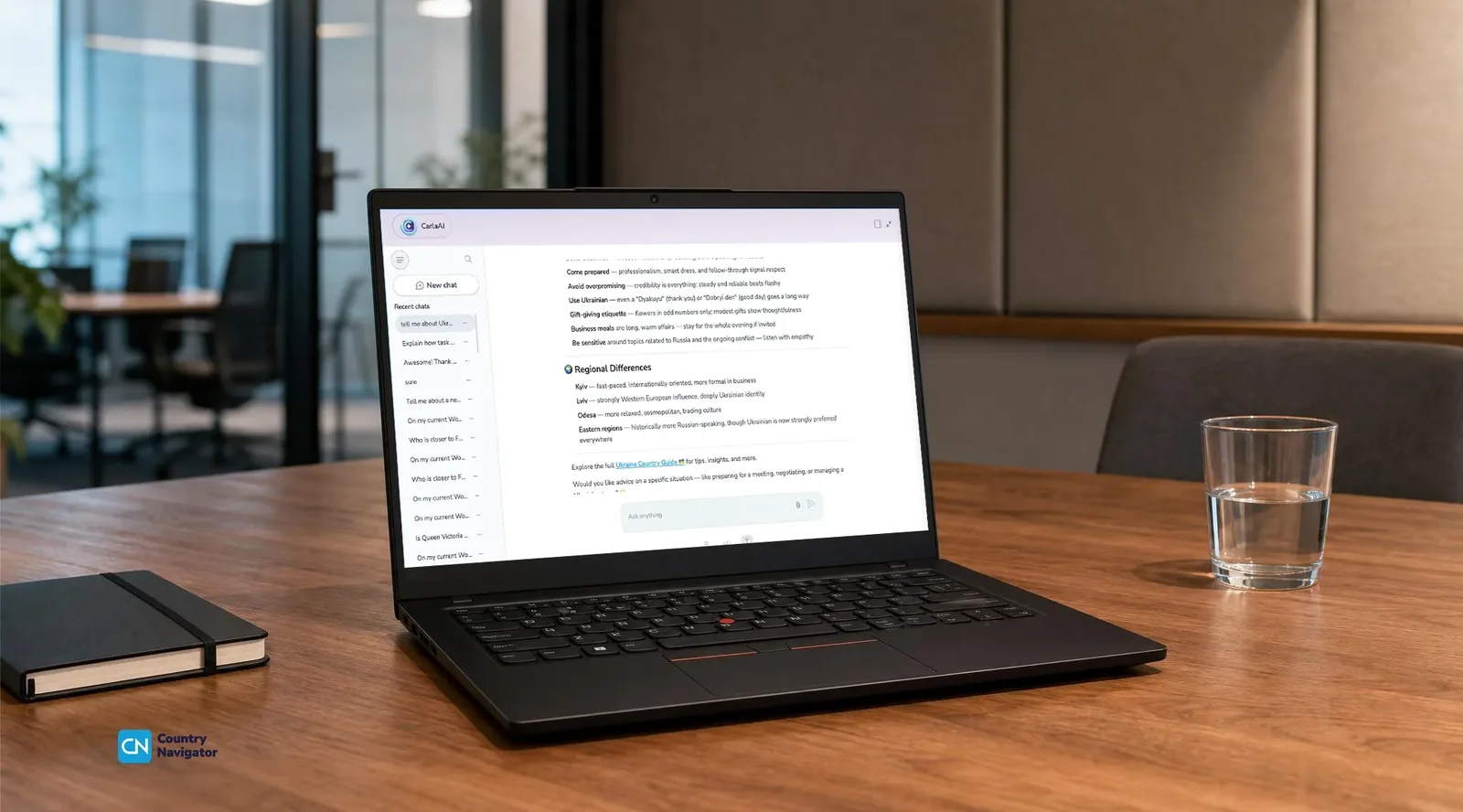
Country Navigator
A ten-year-old cultural intelligence training platform rebuilt into services. Enterprise customers kept working through a zero downtime migration.
- 0Downtime moving a ten-year-old platform
- 1 configReplaces the SSO setup only one person knew
- 10 yearsOf monolith rebuilt into services
Aviation and Flight Scheduling Software: Frequently Asked Questions
Aviation software questions center on revision control for documents that carry regulatory weight, integration with systems already in service, where computer vision fits, and software used out on the ramp. The answers below come from builds already flying alongside certified processes. They also cover what happens when a connection drops in a hangar.
 What is aviation software?
What does ERP stand for in aviation?
What is the best software for MRO procurement?
Why does document revision tracking matter so much?
Can new software integrate with our existing systems?
Does computer vision have a role in aviation?
How do you handle software used away from a desk?
What does an aviation software development company need to know before quoting?
What do aviation software development services usually cover?
Do you build aviation maintenance software from scratch or extend what we run?
From Scattered Records to MRO Software That Holds
Tell us what systems you run and what question you cannot answer today. You get a source inventory, a scope, and a price.

Tell Us What's Running Unmonitored
Share the models, the stack, and where deployment or monitoring is still manual, whatever's costing your team time right now.

Get a First Consultation
We map your current models and infrastructure for anything that would change scope, cost, or timeline.
Receive a Detailed Proposal
A scoped plan with the approach, timeline, and cost, built around your actual stack.