


Retail Media Platform Development Where the Billing Matches the Campaign
Onstore arrived from a previous vendor with no documentation, campaigns reaching their end date without triggering removal, advertiser analytics that disagreed with reality, and vendor bills calculated on a daily rate where the agreement said monthly. The work went where the platform was costing the business money.
What a Retail Media Network Platform Solves
Where an advertising platform quietly loses money for the operator. A screen drops offline and keeps billing, a campaign ends without proof it ever ran, and a make-good gets agreed on trust alone. Every one of those is revenue the operator cannot invoice with confidence.

Campaigns Outrun Their End Date
A booking reaches its end date, nothing triggers the removal work, and inventory stays occupied by a campaign nobody is billing for.
- An automated scheduler running on a daily cadence with a defined expiry window
- Removal work raised as a task with an owner and a due date
- Inventory released back to availability the moment a campaign closes

Advertiser Reporting Disagrees With Reality
The analytics page shows numbers the operator cannot defend, and every review meeting becomes an argument about the data.
- Advertiser-facing analytics rebuilt on the delivery record
- Recalculation applied to historical data so past reports match what ran
- One figure per metric, with the definition attached
Billing Runs on the Wrong Rate
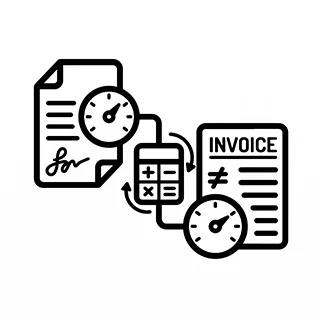
Vendor agreements say one thing, the calculation does another, and the difference compounds every cycle until somebody notices.
- Rate and rounding logic rebuilt against the signed agreement
- Corrective scripts applied to historical billing where the error is recoverable
- Reconciliation between delivery, invoice and payment
Asset Data Blocks the Invoice
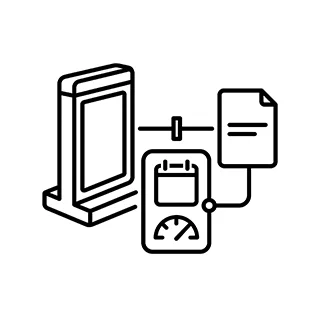
Installation dates missing, counters wrong, and billing cannot be raised until a person reconstructs what happened.
- Installation and removal dates captured as part of the workflow
- Counter logic moved into the system where it can be audited
- Billing raised from the delivery record without manual assembly
What Makes a Retail Media Network Hard to Build
An advertising platform is a billing system with a media layer on top. Every discrepancy between what was booked, what ran and what was invoiced turns into a credit, a dispute or a quiet loss. Hygge starts by reconciling those three records against each other, because that is where an operator finds the money that was already theirs.
Where Digital Signage Software Runs
Sectors where screens and inventory turn into ad revenue, and where Hygge has shipped it. What changes between them is what the screen sits next to: a checkout, a fuel pump, a lobby, a shelf. Digital signage software carries the same core in all of them, and the scheduling rules move with the venue.

Retail & E-Commerce
Retail-window and in-store advertising networks where campaigns occupy physical inventory on a calendar.

Media & Entertainment
Media businesses selling placements alongside their own content.

Sales & Marketing Technology
Sales and marketing technology where campaign delivery has to reconcile against spend.

Logistics & Warehouse Automation
Out-of-home and logistics networks where an asset is installed, verified and removed.
The Stack Behind Retail Media Platform Development
Retail media has advertisers, shoppers and finance reading the same numbers, so this stack is chosen so a spend, an impression and a payout reconcile without a spreadsheet. Reporting runs beside the serving path at full speed.
Booking, inventory and the operator interface around them.
 TypeScript
 React
React Next.js
 Node.js
 NestJS
Track Record
Company numbers across every project, from the first audit through the years a system stays in service. A retail media network is judged on proof of play, because an advertiser pays for screens that ran the spot. The audit at the start is what makes the delivery date and the price hold.
How Retail Media Platform Work Runs, Fixed or Built From Scratch
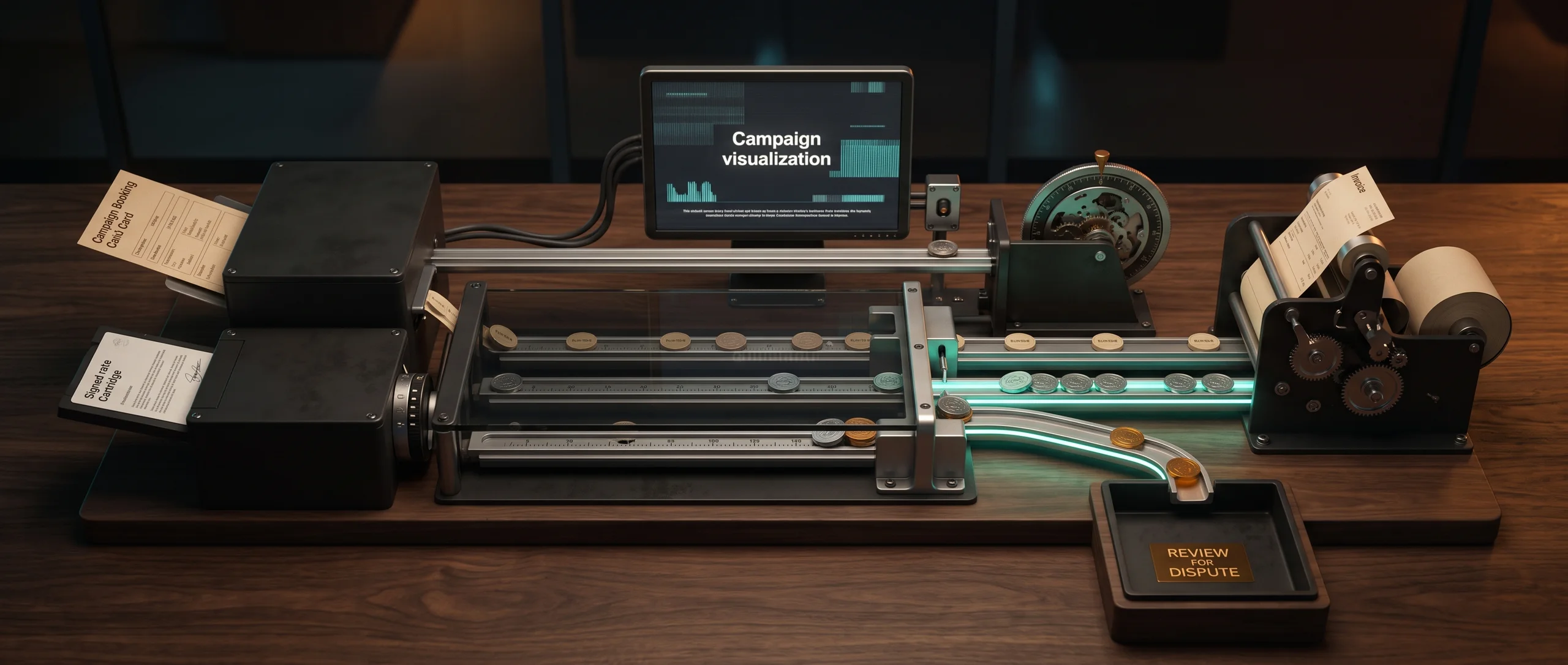
Inventory and proof of play first, then the buying side, then reporting. Digital signage software development starts at the player, because a screen that drops offline costs more than a missing dashboard. The advertiser tools land once delivery is provable.
Delivery and billing audit
2 weeksHygge compares what was booked, what ran and what was invoiced, and quantifies the gap. The output is a recovery list, a scope and an exact price.
Billing correction
3-4 weeksRate and rounding logic rebuilt against the agreements, with corrective scripts applied to historical data where the error is recoverable.
Scheduling and inventory
4-5 weeksCampaign lifecycle with expiry windows, removal work raised automatically, and inventory released on close.
Advertiser reporting
3-4 weeksAnalytics rebuilt on the delivery record, with historical recalculation so past reports match what ran.
Related Digital Signage Software Development Work
Projects where screens and advertisers had to meet on one system. Each started with inventory nobody could sell and delivery nobody could prove. What you see is the system that fixed both and the numbers that moved.
MB Character Tool
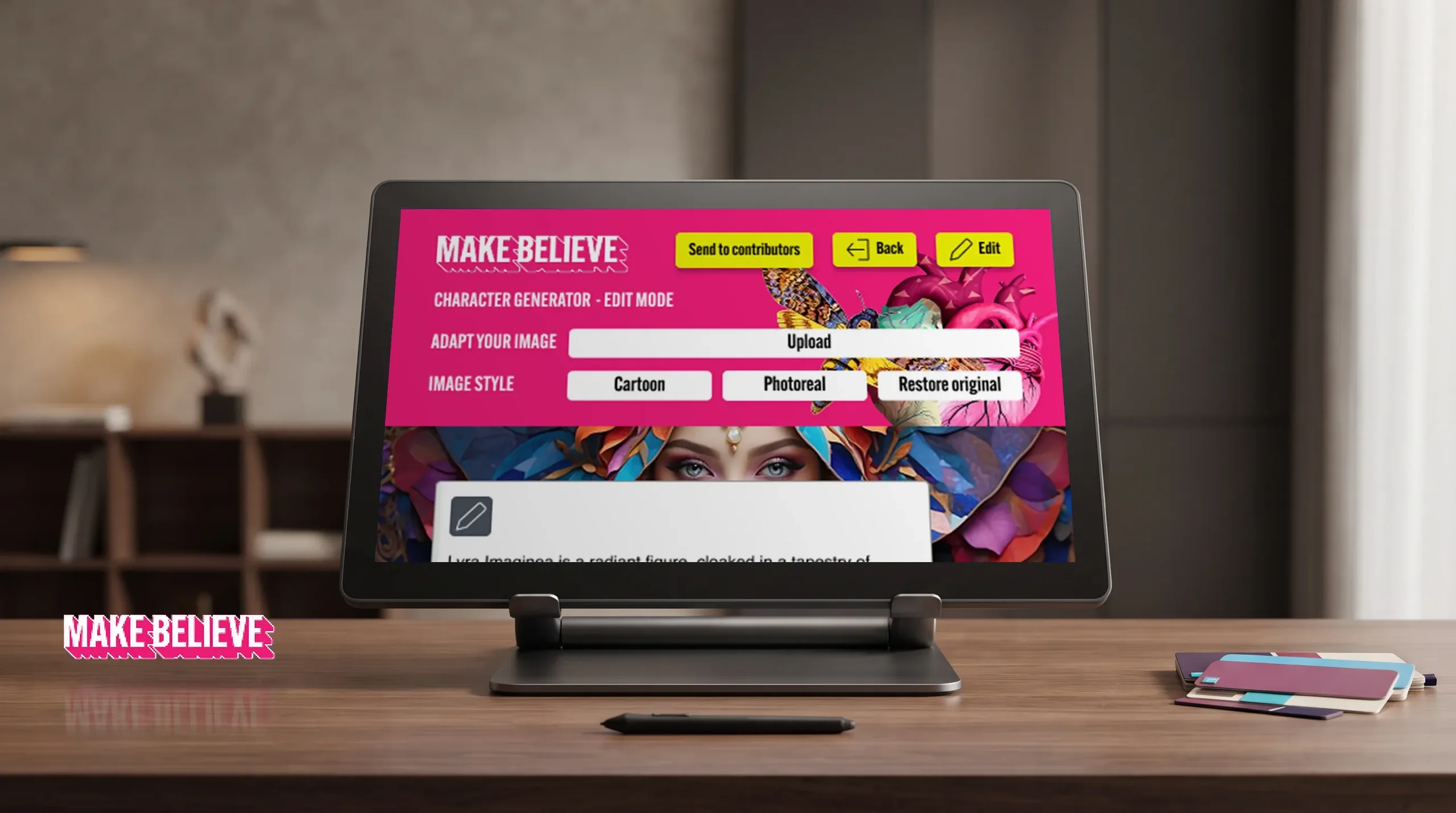
An embeddable AI character generator living inside an agency marketing site, built in eight weekly milestones.
- 1 promptFrom landing on the site to a result
- 1 iframePuts the tool inside the existing site
- 8 weeksFrom an empty repository to live on the site

Offra
An AI gift finder built in about a month for a startup whose marketing was booked against a Black Friday date.
- 3 milestonesDelivered before the holiday launch window
- 100 %Of results are products a buyer can order
- ~1 monthAgainst a Black Friday date that could not move
Retail Media & AdTech: Frequently Asked Questions
What operators ask before commissioning platform work: what breaks most often, whether past billing can be recovered, how campaigns get closed on time, and what it costs. The answers below come from networks already running screens in the field. Retail media platforms and signage networks share the same weak point, which is the last hop to the screen.
 How do retail media networks work?
What is a media network?
What is the difference between onsite and offsite retail media?
What is digital retail media?
What breaks most often in retail media platforms?
Can historical billing errors be corrected?
How do you stop campaigns expiring without anyone noticing?
We inherited a platform with no documentation. Where do you start?
How much does retail media platform work cost?
Can it integrate with the accounting system we use?
Do you rebuild the whole platform?
Start With What You Booked Against What You Billed
Tell us how campaigns are sold, delivered and invoiced today. You get an audit, a quantified gap, a scope and an exact price.

Tell Us How a Campaign Runs Today
Share how inventory is booked, what closes a campaign, and how advertisers and vendors are billed.

Get a Delivery and Billing Audit
Hygge compares booked, delivered and invoiced, and quantifies what is recoverable before anything is built.

Receive a Recovery List and an Exact Price
A written scope with the corrections, the platform work, the timeline and the cost.