
Software Development Engagement Models
Fixed scope and exact price agreed before the first sprint, so the invoice is a number you approved before the work started. Hygge structures software development engagement models around a defined result, with the code in your repository from the first commit.
How Teams Work With Hygge
The shapes of project Hygge offers, chosen by how much of the work you want to own. The scoping call decides which engagement model fits before anyone quotes a rate. Hygge works as a delivery partner and as an extension of a team you already have.
IT Outsourcing
You hand over a defined piece of work with an endpoint, and get back a named team, a fixed scope, and a delivery process that survives someone leaving mid-project.
- A scope and a price agreed before the first sprint
- A named team you meet before committing
- Delivery that continues when a person rotates off
- Progress visible weekly without asking for it
- Code and documentation in your repository from day one
Staff Augmentation
You keep the process and the roadmap, and get vetted engineers working inside your own tools, reporting to your leads from the first week.
- Engineers working inside your process from week one
- Interviews before anyone joins
- A defined path when the fit turns out wrong
- Capacity that scales down as cleanly as it scales up
- Your leads keeping the technical decisions
Dedicated Team
You get a team assembled for one product and kept on it long enough to hold the context that never made it into documentation.
- The same people across quarters
- Context that accumulates quarter over quarter
- A team shape matched to the product, not to a rate card
- Direct access to the engineers doing the work
- Ownership of the codebase and the decisions behind it
Support & Maintenance
You get a product already in production kept current: dependency updates, incident response, and the small fixes that decide whether users still trust it.
- Security patches applied before they become an incident
- A response time agreed in writing
- Small fixes shipped without a project being opened
- Someone who knows the system when something breaks
- Maintenance on software Hygge did not originally build
Delivery at Hygge, in Numbers
Figures from Hygge's own record behind every engagement model Hygge runs. The same numbers cover fixed scope projects, dedicated teams and full product builds.
What Sends a Team Looking Outside
The situations behind most engagement enquiries Hygge scopes. Teams comparing engagement models in software development see the same shortlist of reasons.
The Roadmap Is Larger Than the Team
Work is queued behind capacity that does not exist, and hiring for it takes longer than the window the business is working to.
The Pitch Team and the Delivery Team Were Different People
A previous vendor presented senior engineers in the pitch and staffed the project with whoever was free. The work arrived, and so did the rework.
Every Scope Conversation Turns Adversarial
Hourly billing puts the vendor and the client on opposite sides of every estimate. Nobody trusts the number, and both sides spend time defending it.
Knowledge Leaves With the Contract
When the project ends there is a repository nobody can explain. Documentation was always going to be written next sprint.
One Exchange a Day
A question asked in the afternoon gets answered tomorrow. Two days of work turns into a week, and nobody planned for the arithmetic.
The Stack an Added Team Already Works In
What Hygge can staff against, so the team Hygge assigns is productive in the tools your product already runs on.
The runtimes an added engineer is productive in from the first week, because someone on the Hygge side ships in them every day.
 Node.js
 NestJS
 Python
.webp?v=2026-09-29T09%3A19%3A03.736Z) .NET (C#)
.NET (C#) Java
Java Go
Go.webp?v=2026-09-29T09%3A19%3A00.918Z) PHP (Laravel)
PHP (Laravel) Redis
RedisHow a Project Starts
From a scoping call to a named team working inside your process, with the model chosen before anyone quotes a rate. This is how software development engagement models get set up at Hygge.
Scoping Call
One conversation about the work, the decisions, and the endpoint, which is what decides the model.
Team Proposal
Named engineers with their actual profiles, available for you to interview before anything is signed.
Scope and Price
A fixed scope and an exact price where the work has an endpoint, and a defined team cost where it continues, with change pricing agreed upfront.
Onboarding Into Your Process
Your tools, your standards, your rituals. The first week ends with something merged.
Weekly Visibility
Working software every week, in your own environment, so progress is something you see for yourself.
Projects That Ran for Years
Long-running engagements where the same Hygge team stayed through rewrites, launches and the support years after.
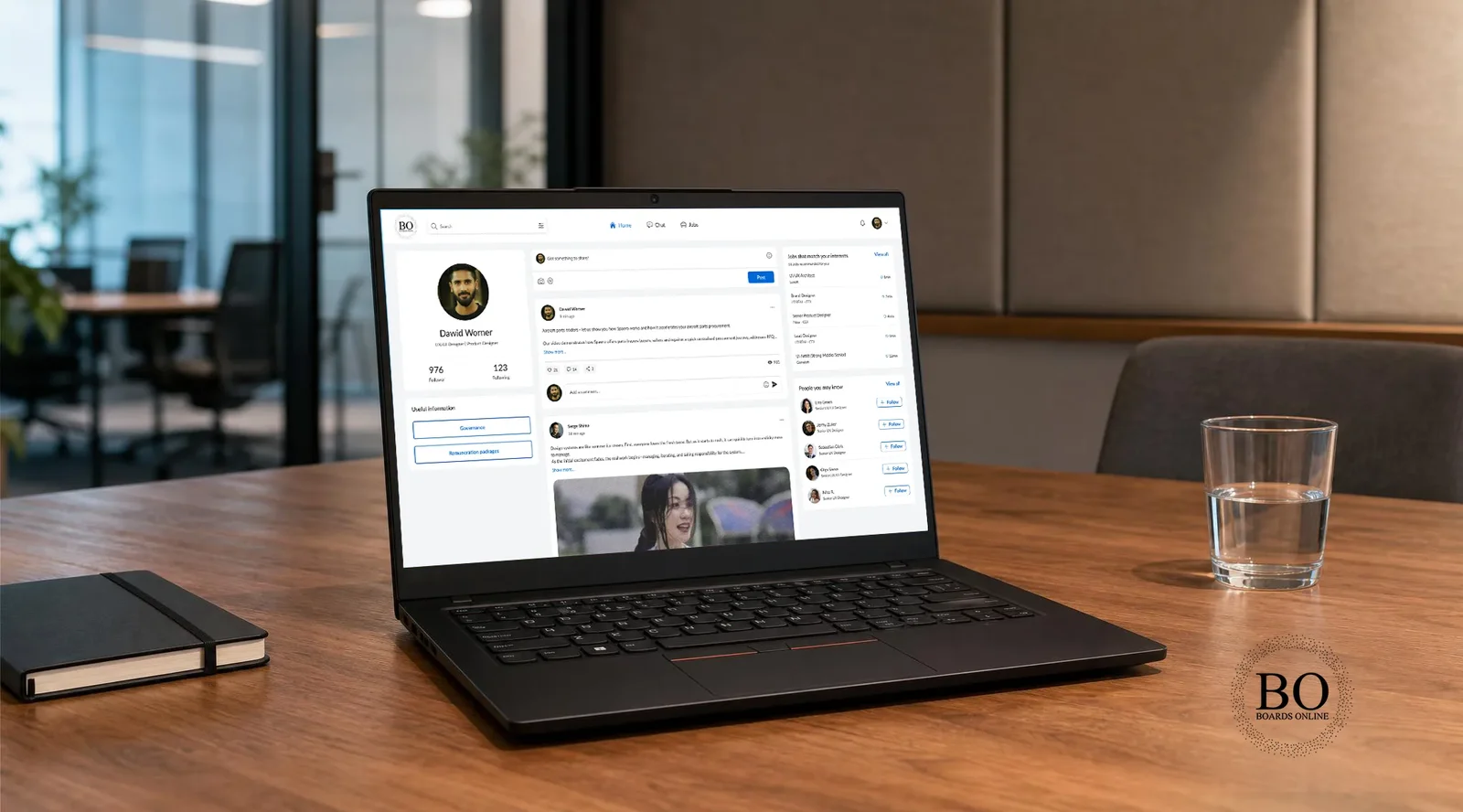
BoardsOnline
A founder paid for a platform reported as done. Engineers checked every feature, and the rebuild started from what worked.
- 3 verdictsFor every feature reported as done
- 6 monthsFrom the audit to a tested, live platform
- 1+ yearOf support after the contract ended

Country Navigator
A ten-year-old cultural intelligence training platform rebuilt into services. Enterprise customers kept working through a zero downtime migration.
- 0Downtime moving a ten-year-old platform
- 1 configReplaces the SSO setup only one person knew
- 10 yearsOf monolith rebuilt into services
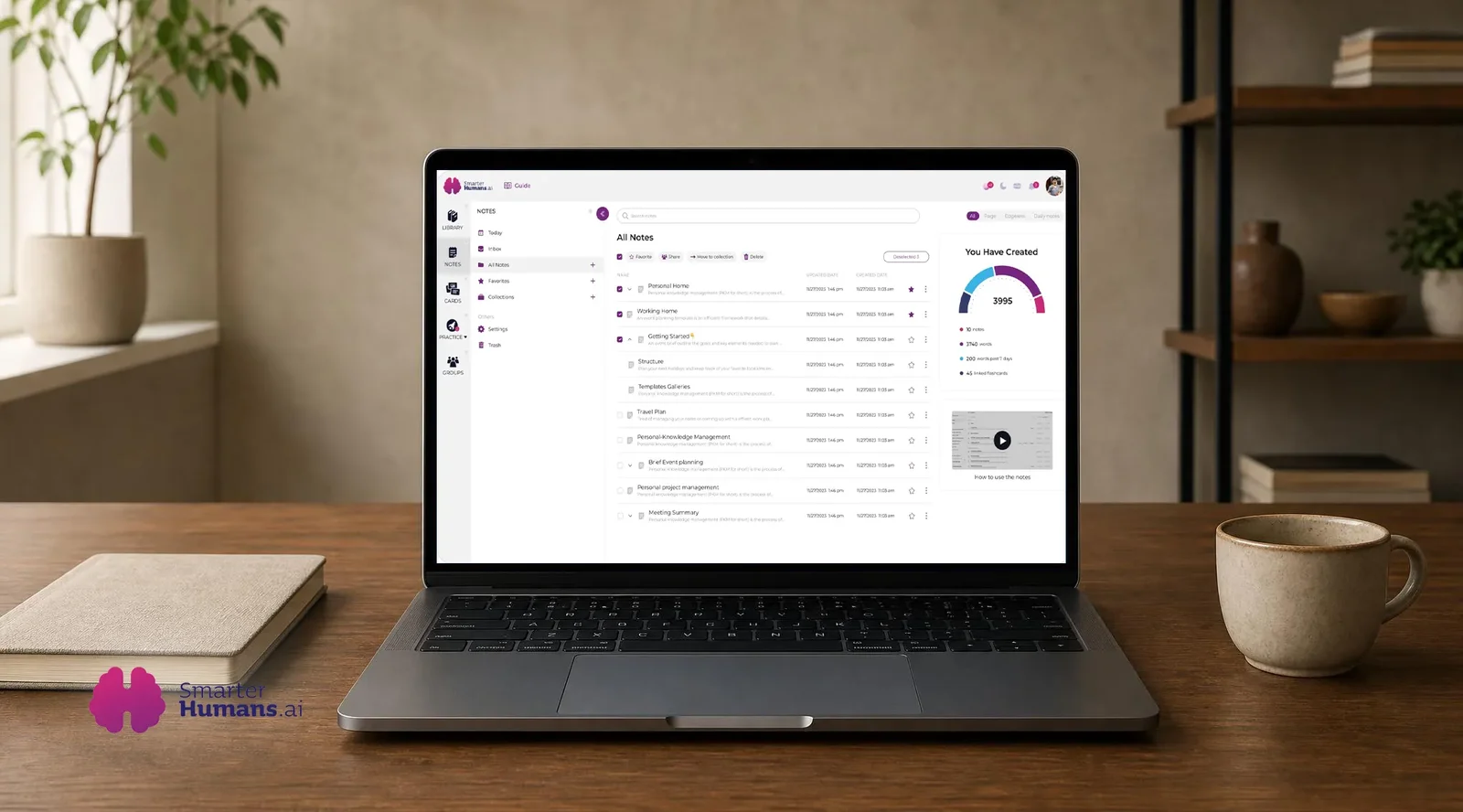
Smarter Humans
A spaced repetition app built by the same team since 2019. About a million users moved to the rebuilt system with zero downtime.
- 93 %Cut off a 20-second document load
- 1 uploadReplaces the card writing people quit over
- 7 yearsOn one product with the same team
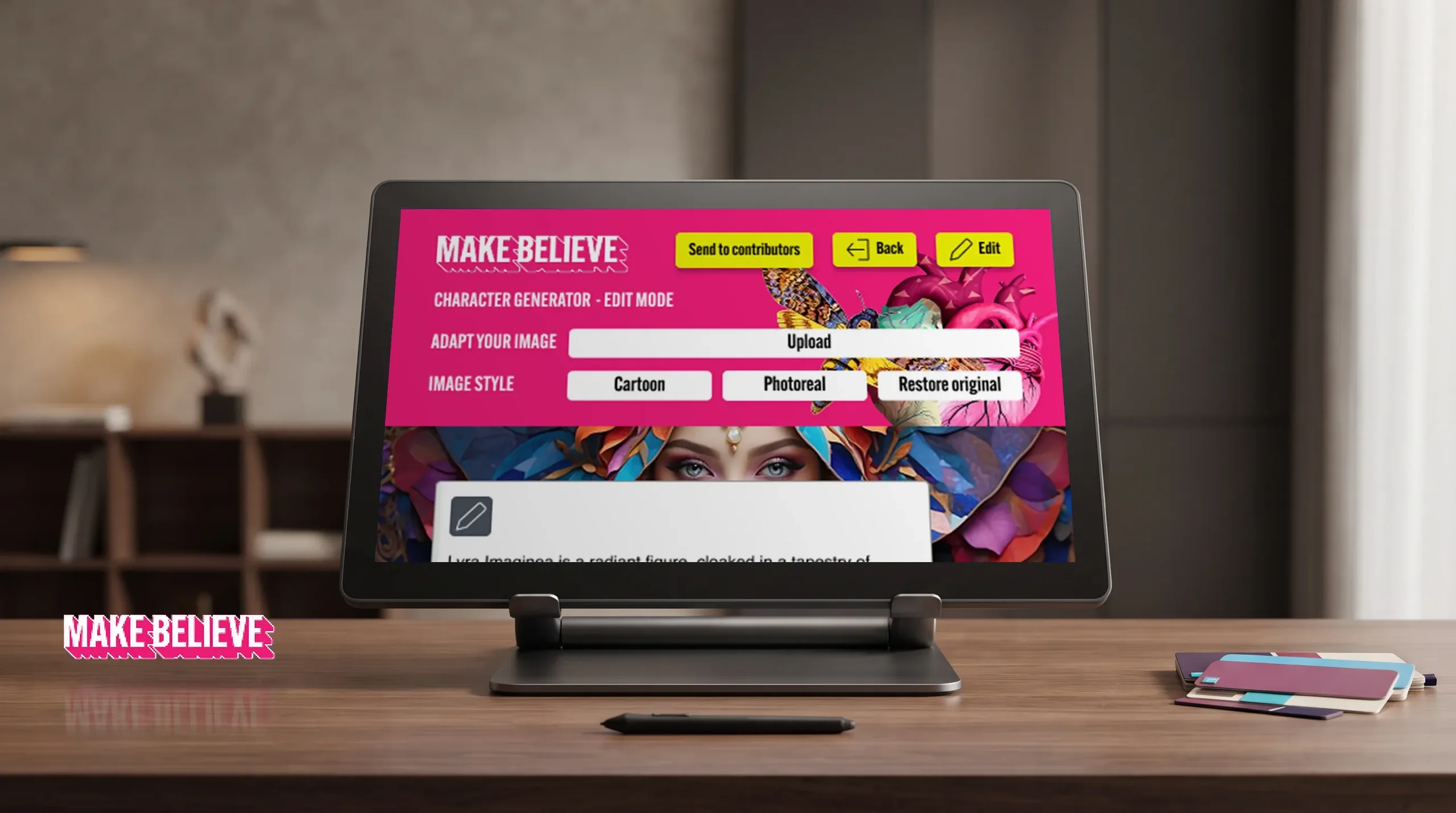
MB Character Tool
An embeddable AI character generator living inside an agency marketing site, built in eight weekly milestones.
- 1 promptFrom landing on the site to a result
- 1 iframePuts the tool inside the existing site
- 8 weeksFrom an empty repository to live on the site
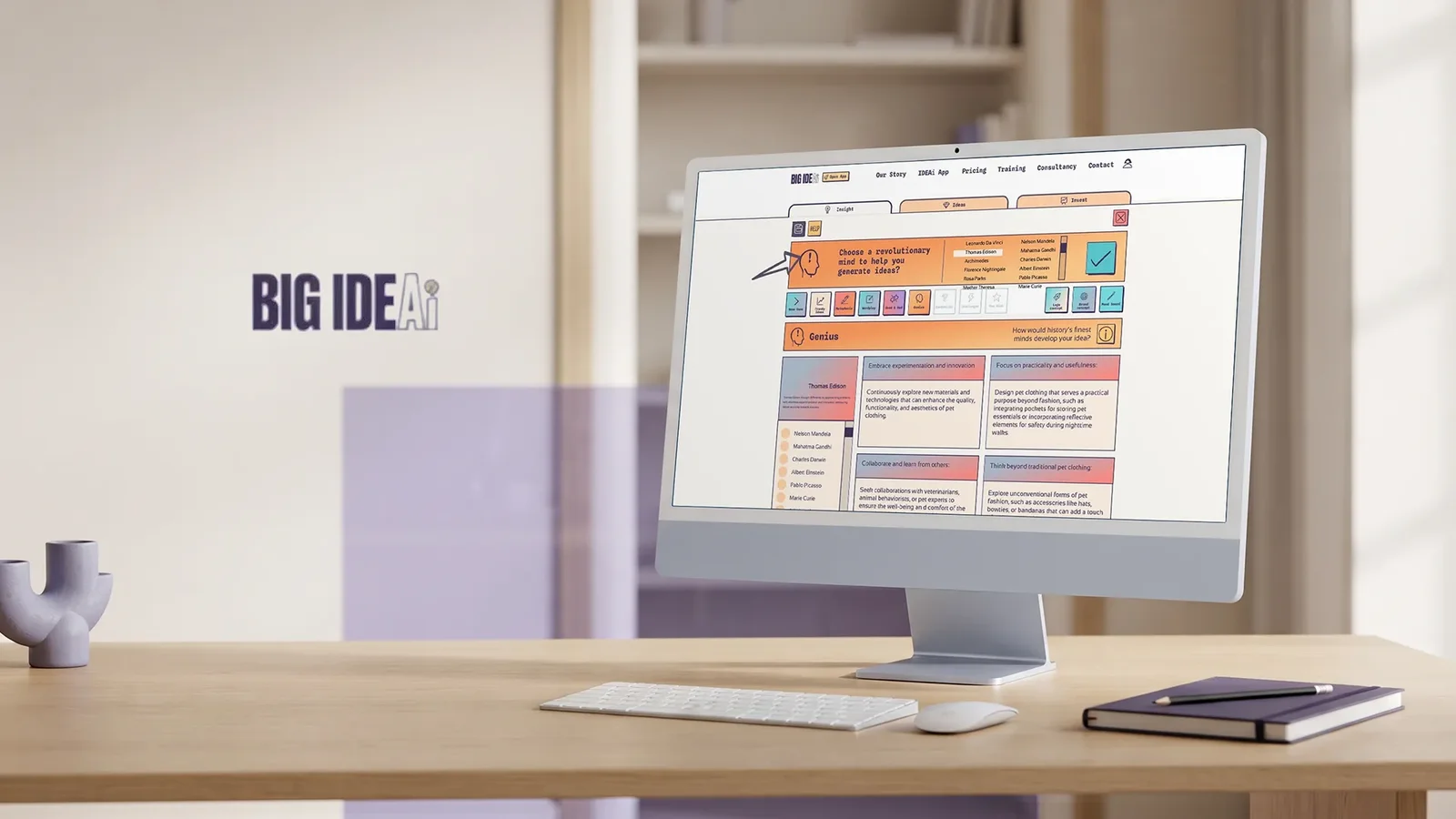
CreAItivity
Creative agency software that runs a UK agency's ideation method without a facilitator, now in its third year.
- 36 widgetsCarry a method that needed a facilitator
- 20+ yearsOf agency practice turned into software
- 3rd yearOn the architecture chosen at the start
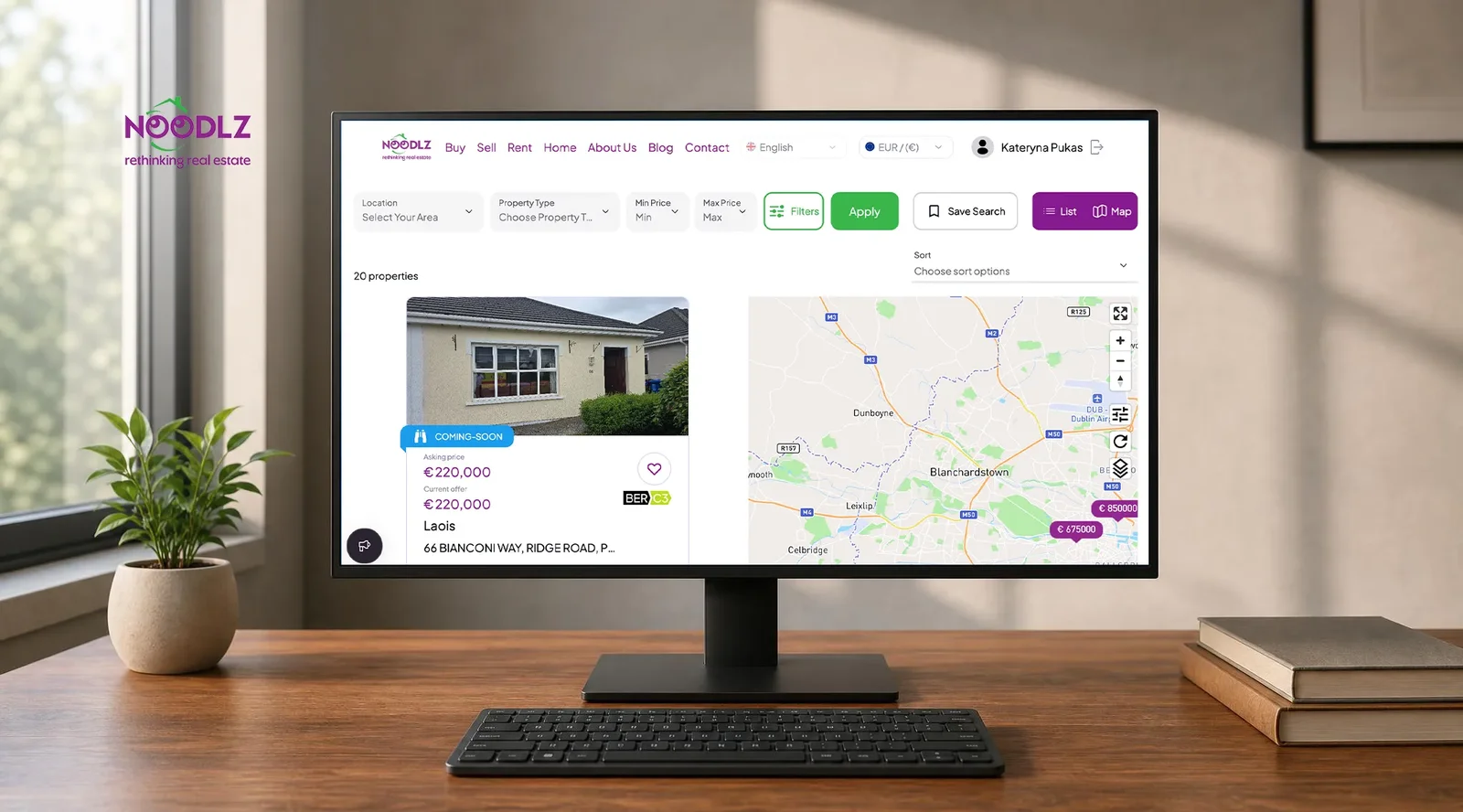
NOODLZ
Live auction software for an Irish agency network. Auctions moved off phone calls into one platform with verified bidders and a document vault.
- 1 platformReplaces auctions run outside any system
- 1 vaultReplaces contracts moving between inboxes
- 2+ yearsOf continuous delivery since 2024
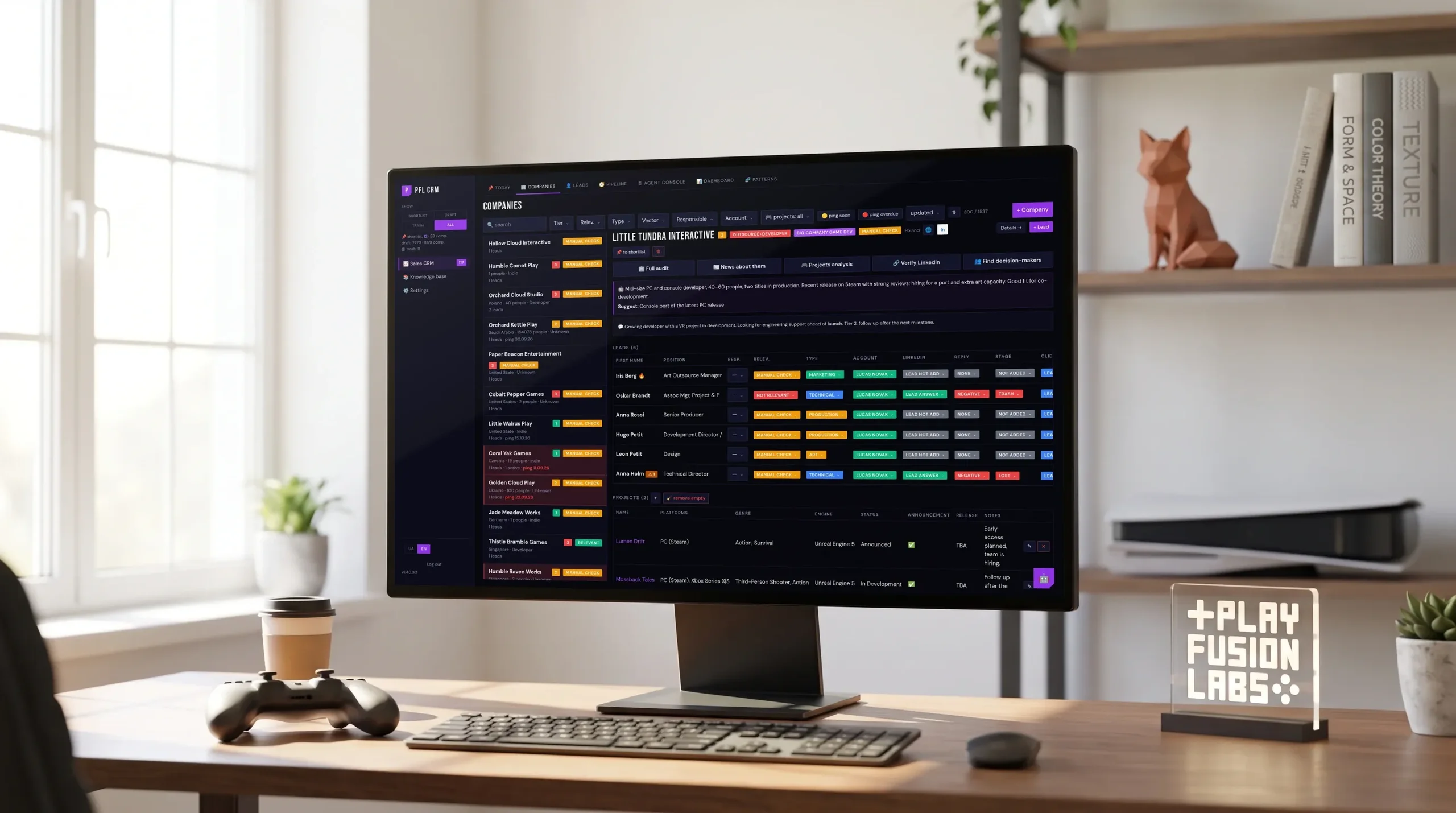
PlayFusionLabs CRM
Custom CRM development for a game studio. An agent researches companies, Today lists who to ping, and finance sits in one database.
- ~2 monthsFrom first call to daily use
- 150+Releases since launch
- 1 databaseFor sales, projects and finance
- $0In per-seat licences
What Adding a Team Requires by Industry
What a delivery team has to clear before an outside engineer is useful in each industry Hygge staffs, and how that shapes the start date.

Healthcare & Staffing
Staffing and clinical products where an added engineer needs credentialing and access review before touching a repository, so onboarding is planned in weeks.

EdTech
Platforms tied to the school calendar, where extra capacity arrives before term and steps back after, with the same people returning next year.

LegalTech
Document products where confidentiality terms and client conflicts decide who can be assigned, and that gets settled before the first ticket.

Retail & E-Commerce
Retail teams that scale for the season, where a dedicated group carries the peak and hands a clean backlog back afterwards.

Real Estate & PropTech
Property platforms with long integration queues, where a dedicated team clears the backlog while the in-house group ships the roadmap.

Sales & Marketing Technology
Products next to a CRM, where an outside engineer needs sandbox access and API quota before they can be useful at all.

Logistics & Warehouse Automation
Logistics software with a floor that runs on shifts, where support coverage matters as much as the number of developers.

Media & Entertainment
Media platforms with launch calendars, where capacity is booked around release windows and unwinds when the campaign ends.
HR & Recruitment
HR products holding payroll integrations, where background checks and data access reviews sit on the critical path of onboarding.

Public Safety & Security
Public safety software with clearance requirements, where who is allowed on the project is decided before the project is scoped.
What Changes With the Right Model
The invoice matches what you approved, the same engineers stay across quarters, and the repository is yours to hand to anyone. Those three are worth checking against every vendor on your shortlist. Hygge sets up software development engagement models so the exit is defined as precisely as the start.
Exact Price, Settled Before the Work
The scope and the number are agreed after a paid scoping call, and change pricing is set before the first change arrives.
A Named Team You Interview
The engineers in the proposal are the engineers on the project, and you meet them before anything is signed.
Your Repository From the First Commit
Code, documentation, and IP sit in your organization throughout, so leaving is a decision you make on your own.
ISO 27001 and ISO 9001:2015
Delivery and security process audited by an outside body, documented before anyone asks to see it.
What the Scoping Call Settles
Every engagement at Hygge starts with a scoping call about the work itself. Engagement models in software development priced before anyone understands the scope produce the change requests everyone resents later.
Endpoint or Ongoing
Whether the work has a defined endpoint or continues as part of your product.
Where Decisions Sit
Which decisions stay with your team and which move across.
Overlap Hours
The overlap hours your process needs, and what happens outside them.
Change Pricing
How scope changes get priced, agreed before the first one arrives.
Model and Price
A model, a team shape, and a price, before anything starts.
Frequently Asked Questions
What technical and commercial leads compare before choosing between software development engagement models.
 Which engagement model fits our project?
Exact price or time and materials?
How do you handle scope changes?
What time zones does the team work in?
How do we stay in control of the work?
Who owns the code?
How do we start?
From a Capacity Gap to a Team That Fits
Tell us what needs building and how much of it you want to own. You get a recommended model, a named team, and a price before anything starts.
We Test Your Hypotheses
Before committing engineering time, we validate the AI approach against your own data and workflow, so the budget rests on evidence.

We Plan How It Pays Off
Every AI development project starts with a conversation about how the project makes or saves money, before scope or a timeline gets set.
A Technical and Product Partner
Hygge stays your partner on both the technical side and the product side, staying involved in the decisions that determine whether the system gets used.