

Medical Software Development for Clinics, Labs and Staffing Agencies
A credential verified at hire goes stale in days. An EHR endpoint returns a field your parser has never seen. Hygge builds the systems that catch both before a contract is at risk.
Where the Cost Is Hiding
What owners and clinical directors describe when they call us. A patient record lives in the EHR, the scheduling in another tool, and the credential file in a shared drive. Somebody reconciles all three by hand every week, and that is the person who leaves.
None of this looks like a software problem on the day. It looks like a busy month. The cost shows up somewhere else: in seats you pay for, in a client who noticed a missed step before you did, and in work you had no capacity to take. The right system removes the repetition and puts the rest in one place.
Client and Candidate History Lives in Chats and Spreadsheets
Calls, notes and requests sit across messengers, inboxes and each manager’s own file. Nobody has the full picture of a client or a candidate, and the follow-up depends on whoever remembers it.
Managers Repeat the Same Routine by Hand, and Miss Steps
The same candidate entered into several tools, the same documents chased every month, the same confirmations retyped. Every repetition is a chance to skip a step, and the skipped one is usually the step your client checks.
The Off-the-Shelf System Was Built for Somebody Else
It carries modules nobody opens and stops at the rules your business runs on: your credential checks, your contract rates, your compliance pack. You pay for the full licence and still do that part by hand.
Nobody Has Checked Who Can Reach the Patient Data
Clinical records and credential files carry obligations that outlive any release, and the access list is usually older than half the team. The gap comes out in a facility audit, where the answer to who opened what has to already exist.
Systems Hygge Builds for Healthcare and Staffing
Each card is a system agencies and facilities move to once a manual process stops holding. On the right is what changes and by how much.
Patient Portal & Healthcare Platform Development
The system a facility logs into and a clinician works in. It holds patient and provider records, talks to the EHR, and keeps a trail of who opened what.
- 100 %Record views logged and attributable to a named user
- 6 yearsAudit trail retention, the HIPAA minimum, built in from the start
- 2 weeksFrom EHR sandbox access to messages flowing in staging
Marketplace Development
Two-sided matching between facilities and providers. Replaces the recruiter phone tree with price, specialty and availability compared in one place.
- 24 hFrom shift posted to a credentialed provider confirmed
- 100 %Credential state checked at the moment a match is proposed
- 3 xMore facilities covered by the same recruiting team
Vendor Management Software
A VMS for the agencies that supply you, or that you supply. One rate card, one compliance status, one submission flow across every supplier.
- 1 rate cardApplied across every supplier agency, so nobody bills off-contract
- 100 %Supplier compliance status visible before a submission is accepted
- 3 xMore agencies managed by the same MSP team
CRM Development
The pipeline your recruiters live in. Provider on one side, facility on the other, every touch attached to the record.
- 1 recordOne provider, one client, no duplicate pipelines to reconcile
- 100 %Calls, texts and submissions attached to the record automatically
- 40 %Less recruiter time spent on data entry
Business Process Automation
Credentialing, expiry chasing and exclusion screening moved off spreadsheets onto a schedule that runs itself.
- 80 %Of credential checks running without a person
- 30 daysExpiry warning raised before a document lapses
- 100 %Exceptions routed to a named owner with a reason
Customer & Partner Portal Development
Separate doors for facilities and agencies. Each side sees its own placements, its own documents, its own invoices.
- 100 %Each party sees only its own data, enforced at the database
- 1 uploadA document uploaded once and reused for every client that asks
- 24 hAudit pack assembled and exported on request
API & Payment Integration
Payouts to providers and invoices to facilities, run on contract rates with no spreadsheet in the middle.
- 1 weekPayout cycle run end to end without manual entry
- 100 %Rate cards applied per contract, so nobody bills at the wrong number
- 24 hFailed payments surfaced with a reason and a retry
Business Intelligence & Reporting
The numbers a facility asks for and the ones you run the business on, on one screen and from one source.
- 1 screenFill rate, time to fill and margin per contract together
- 100 %Every figure traceable to the source record
- 15 minMonthly client report produced, down from a day of assembly
LMS & eLearning Platform Development
Mandatory training and competency tracking tied to each licence and each facility requirement.
- 100 %Training status tracked per licence and per facility rule
- 1 recordCompetency history that travels with the provider
- 30 daysRenewal reminder before a certification expires
What Telehealth Software Development Draws On
Why each of these gets used on a healthcare or staffing build, in the order it usually gets needed. This work touches a patient record, a credential, a clinician on a shift and a compliance review in the same month. These are the services that hold those together.
System Integration
The EHR, the scheduling system, the billing platform and the credential files were bought at different times. Making one patient or one clinician the same record across all of them is what ends the spreadsheet kept on the side. A change then reaches every system on the same day.
See the serviceBackend, API & Database
Clinical data has to be correct as it is written and provable years later, and access rules decide who may read each field. This layer holds the audit log on every view and edit. It is also what keeps a lookup fast while a clinician is with a patient.
See the serviceSecurity Consulting
Patient data, health declarations and clinician credentials sit across systems set up at different times, often with former staff still holding access to one of them. Reviewing that, and producing a record of who read what, is the first thing a HIPAA assessment asks for.
See the serviceMobile App Development
Clinicians and field staff work away from a desk, and a form that takes too long gets filled in later from memory. The app captures notes, timestamps and sign-offs at the point of care and syncs when the connection returns. Accurate capture at the moment is what makes the billing behind it hold up.
See the serviceWhat Healthcare Staffing Software Is Measured On
Agreed with you before the build starts, then measured against how the process runs today. Every number here comes out of the audit, so it describes your own caseload and your own placement times. That is what makes the delivery date and the price hold.
The Stack Behind Medical Software Development
Choices here are made against two constraints: the records have to stand up to an audit years later, and the people using them are mid-shift with no patience for an interface that argues. Hygge picks technology another team can pick up and maintain, so the system never depends on one specialist staying available.
What facilities, agencies and clinicians work in every day. It has to load on an old browser in a break room and stay usable on a phone between shifts. Anything that needs training to operate gets dropped at this layer, because a coordinator covering a gap has minutes. Bulk actions exist for the work people repeat a hundred times a week.
 Angular
 React
React TypeScript
 Node.js
 Next.js
Work That Solved the Same Problem
Healthcare builds sit alongside projects from other markets that broke the same way. What transfers between them is the mechanism, which is why they are here.

Health Data App Rescue
An app rescue: a health app that would not launch was fixed and put on AWS. It reached both stores in two months, in time for the investor demo.
- 2 monthsFrom Failed Build to Production
- 2 storesApproved and Live
- Original budgetKept Throughout
- OngoingSupport After Handover

Healthcare Platform
A live telehealth platform where patients meet doctors and get drugs shipped. The team behind it grew with it.
- LiveSupported a product already used by patients
- Two CRMsZoho customized, Salesforce implemented
- One teamFrom a single developer to a full delivery team
BoardsOnline
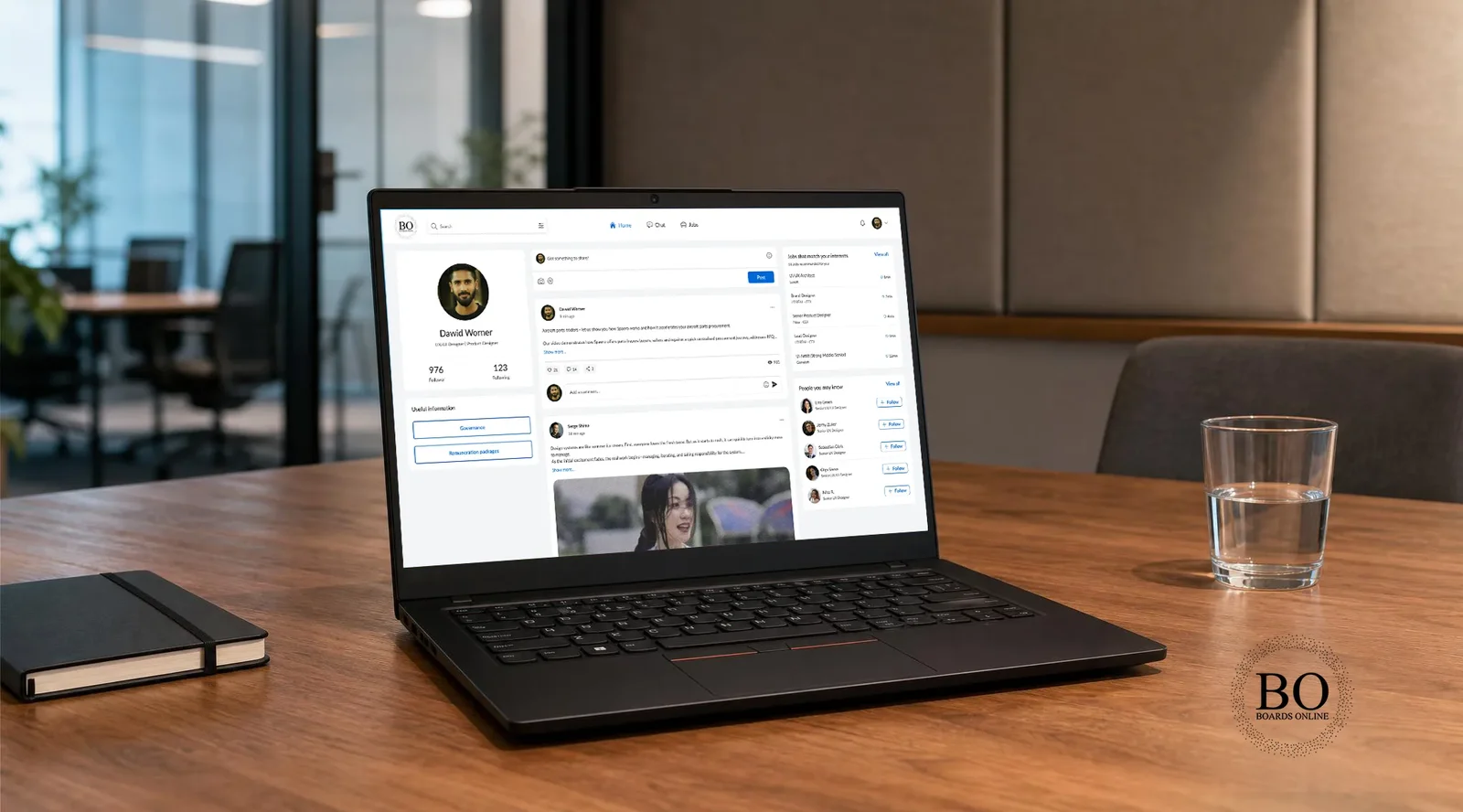
A founder paid for a platform reported as done. Engineers checked every feature, and the rebuild started from what worked.
- 3 verdictsFor every feature reported as done
- 6 monthsFrom the audit to a tested, live platform
- 1+ yearOf support after the contract ended
IntellicAIr
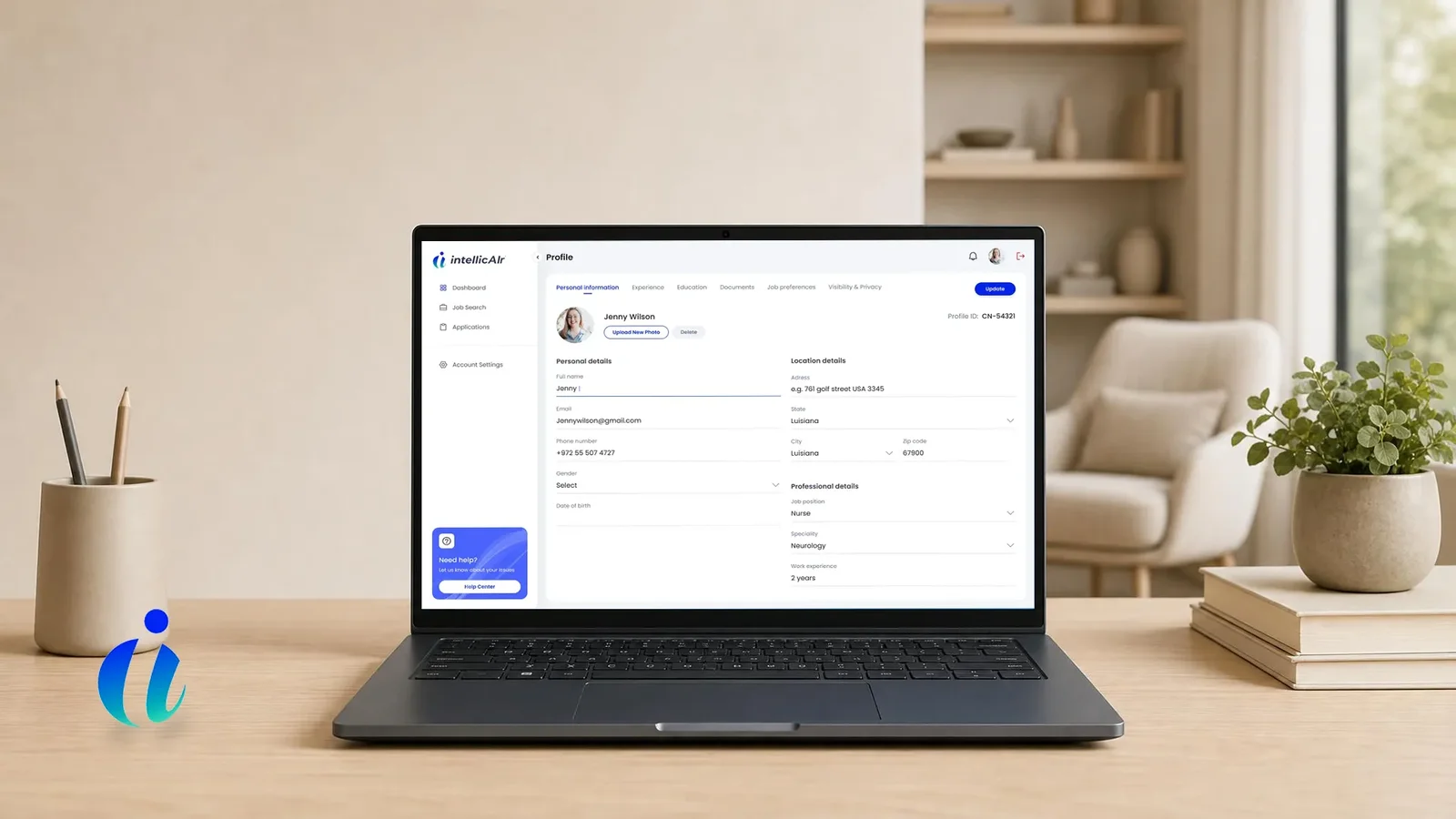
A nurse staffing marketplace built around a sealed bidding engine written from scratch. Bids stay hidden until the round closes.
- 1 roundFor a post that waits 78 days to fill
- No nameOn a bid that used to hide a 40 % cut
- 1 inviteBrings a facility's own agencies onboard
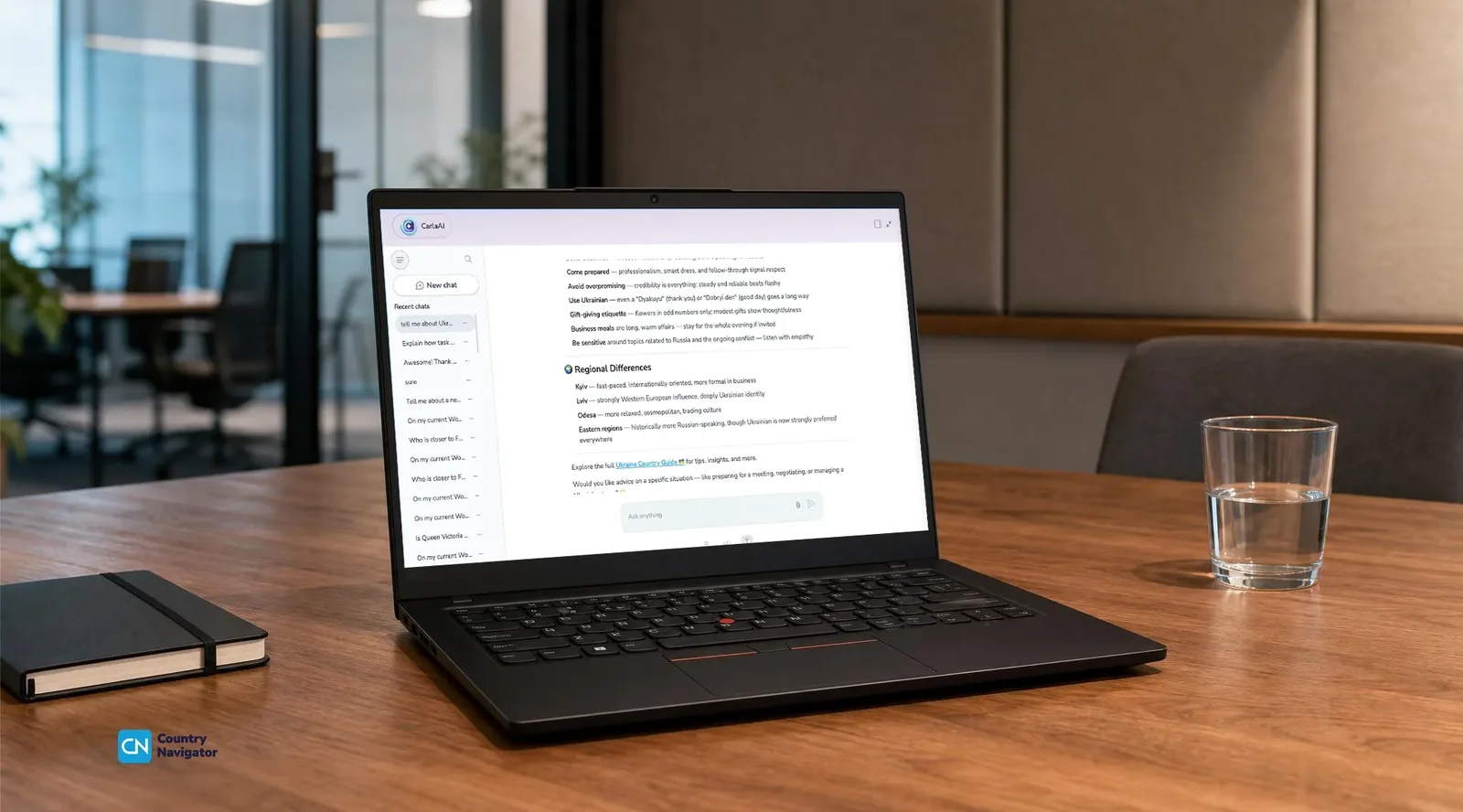
Country Navigator
A ten-year-old cultural intelligence training platform rebuilt into services. Enterprise customers kept working through a zero downtime migration.
- 0Downtime moving a ten-year-old platform
- 1 configReplaces the SSO setup only one person knew
- 10 yearsOf monolith rebuilt into services
Healthcare Staffing Software: Questions Worth Settling
What comes up when a healthcare platform has a compliance date attached. The answers below cover HIPAA scope, EHR integration in practice, where patient data lives, and how long a first working version takes. They come from platforms already carrying clinical workloads.
 What is medical software development?
How do organizations choose a medical software development company?
Why is medical software development different from other software work?
How to de-risk a healthcare software project?
What should you check before signing a vendor?
How much does medical software development cost?
How do you handle HL7 and FHIR integration?
What makes a medical software development company different from a general one?
Can you make our platform HIPAA compliant?
Do you build healthcare staffing software?
What about telehealth software development?
Do you work with medical software development for devices?
Do you build patient-facing mobile apps?
Are you a medical software development company?
What does your healthcare staffing software cover?
Tell Us Which Audit Is Coming
Say what the platform does today, which facility or auditor is asking, and by when. You get a scope, an exact price and a delivery order the same week.

Tell Us What's Running Unmonitored
Share the models, the stack, and where deployment or monitoring is still manual, whatever's costing your team time right now.
Get a First Consultation
We map your current models and infrastructure for anything that would change scope, cost, or timeline.
Receive a Detailed Proposal
A scoped plan with the approach, timeline, and cost, built around your actual stack.