


Fitness App Development Where the Door Opens
A workout app is a content problem. A membership product is a hardware, payments and connectivity problem: a reader at a venue you do not control, a check-in that has to record while the venue Wi-Fi is down, and a payout that has to reach the venue whether or not the app was online.
What Health and Fitness App Development Solves
Where a fitness product meets the physical venue and stops working. The app sells a membership, then a member stands at a door that has no idea who they are, or a class that filled an hour ago still shows a free slot. Membership management software has to hold the door, the schedule and the payment as one record.

The Door Belongs to Someone Else
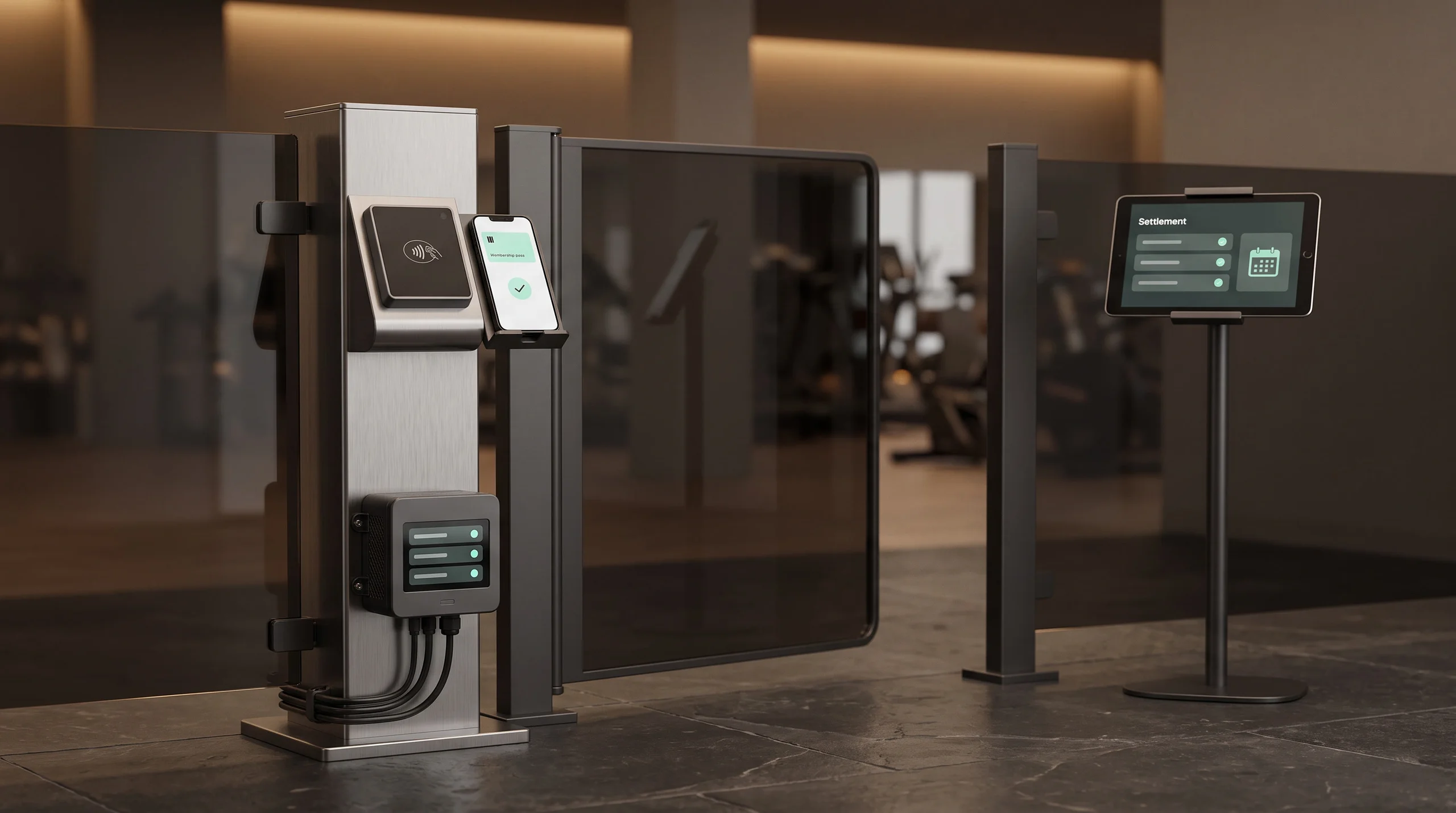
Access hardware at partner venues comes from different vendors on different protocols, and none of them were built for your app.
- Access through the reader already installed, over BLE, QR or the venue controller API
- A fallback path at the desk when the hardware refuses
- Entry recorded on the member record whichever path was used
Check-In Fails on Venue Wi-Fi
The gym network drops at the busiest hour, the app cannot reach the server, and the member is standing at the barrier.
- Offline check-in written locally and reconciled when the connection returns
- Signed passes that validate without a round trip
- A visible state so staff know whether an entry was accepted

Partner Venues Chase Their Money
Venues are paid from check-in counts assembled by hand, and every dispute costs the relationship.
- Payout runs calculated from the same check-in records the venue can see
- Scheduled settlement that survives a failed transfer without losing the record
- A venue view showing entries, rates and the next payment

Retention Dies After the First Month
Sign-ups arrive and stop coming, and the product has no signal about it until the subscription lapses.
- Activity read from the phone health store with the member granting access per type
- Streaks, bookings and reminders driven by recorded attendance
- Cancellation and pause flows that keep the member reachable
What Makes Membership Management Software Hard
The interesting engineering sits outside the app. Access hardware you do not own, a network you cannot rely on, and money that has to reach a partner on a schedule they can plan around. Hygge scopes the venue integration and the offline path first, because those are the parts that decide whether the product works at the barrier.
Where Workout App Development Applies
Sectors where memberships, venues and physical access meet, and where Hygge has shipped it. What changes between them is what the member is buying: a class, a court, a treatment, a program. A wellness app development company builds the same spine for all of them, and the booking and access rules move with the venue.
Fitness & Wellness
Multi-venue memberships with real door access, offline check-in and weekly partner payouts.

Retail & E-Commerce
Retail memberships and loyalty where entitlements have to resolve at the point of sale.

Healthcare & Staffing
Healthcare and wellness programmes where activity data carries privacy obligations.

Marketing & Creative
Creative and lifestyle brands running subscription products around physical spaces.
The Stack Behind Fitness App Development
A membership product is judged at the door and at the class booking, so this stack is chosen for entry that works on a weak connection and billing that stays in step across venues. It runs on the hardware venues already installed.
One codebase across iOS and Android, built to work with no connection at the barrier.
 React Native
 Flutter
 Swift
Swift Kotlin
 Expo
ExpoFitness App Development Company Track Record
Company numbers across every project, from the first audit through the years a system stays in service. Health and fitness app development is judged in January, when signups spike and every venue sits at capacity at once. The audit at the start is what makes the delivery date and the price hold.
How a Wellness App Development Company Builds One
Venue access first, then the member experience, then the money. Access is the part that fails in public, so it gets proven on a real door before anything else ships. Workout app development follows once the venue side holds.
Venue and access audit
1-2 weeksHygge surveys the readers, controllers and networks at your venues and defines the offline path. The output is a scope and an exact price.
Access and check-in
3-4 weeksEntry works at a pilot venue over the installed hardware, with offline validation and a desk fallback. Members can get in before anything else ships.
Membership and booking
4-5 weeksPlans, entitlements, bookings and the member app around them, with activity read from the phone health store where the member allows it.
Payouts and venue portal
3-4 weeksSettlement runs on schedule from shared check-in records, with a venue view of entries, rates and the next payment.
Related Work From Our Fitness App Developers
Projects where the product had to work at a door, a desk or a venue somebody else runs. Fitness app developers meet the same wall every time: a booking flow and a physical space that disagree with each other. What you see is the system that joined them and the numbers that moved.
Smarter Humans
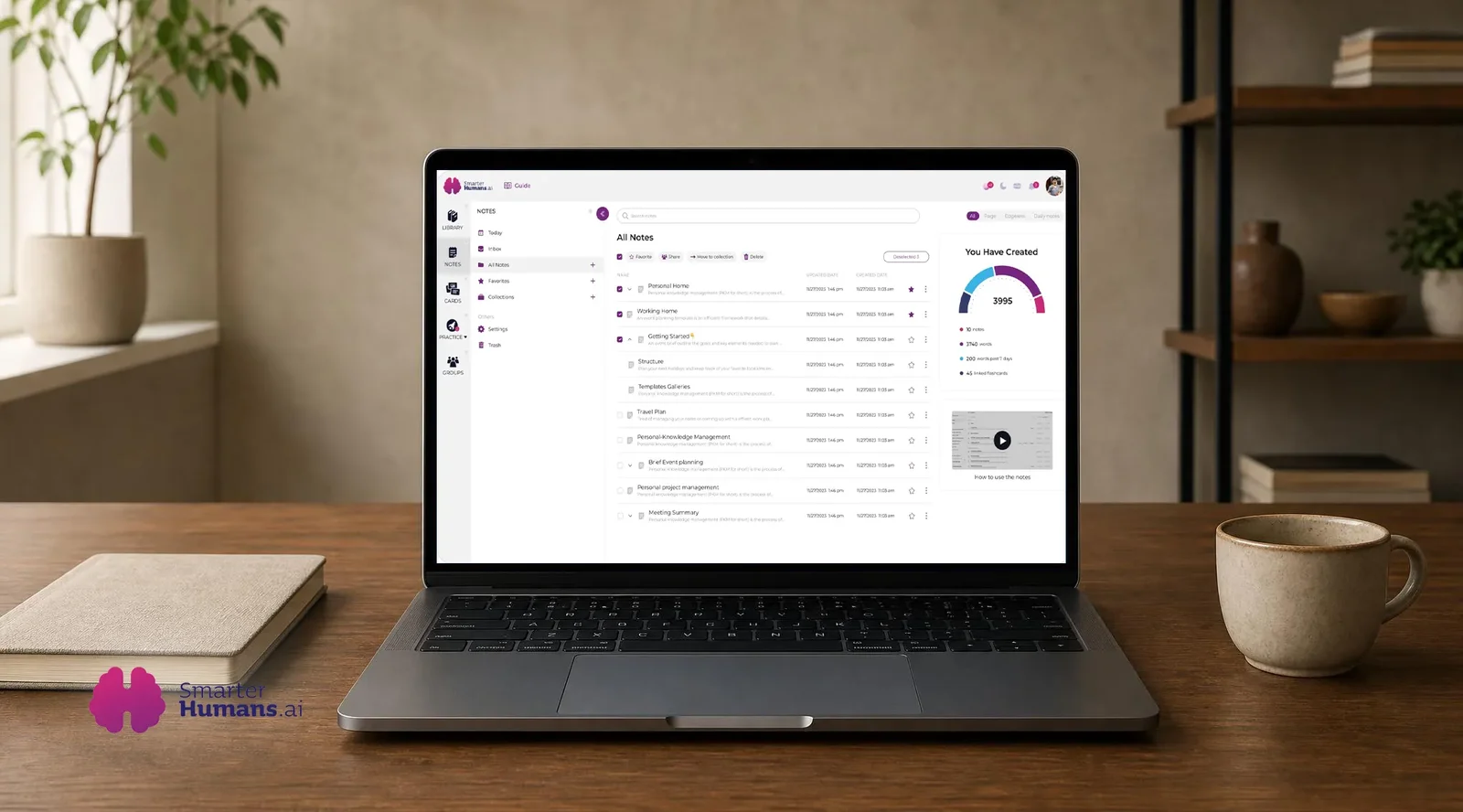
A spaced repetition app built by the same team since 2019. About a million users moved to the rebuilt system with zero downtime.
- 93 %Cut off a 20-second document load
- 1 uploadReplaces the card writing people quit over
- 7 yearsOn one product with the same team
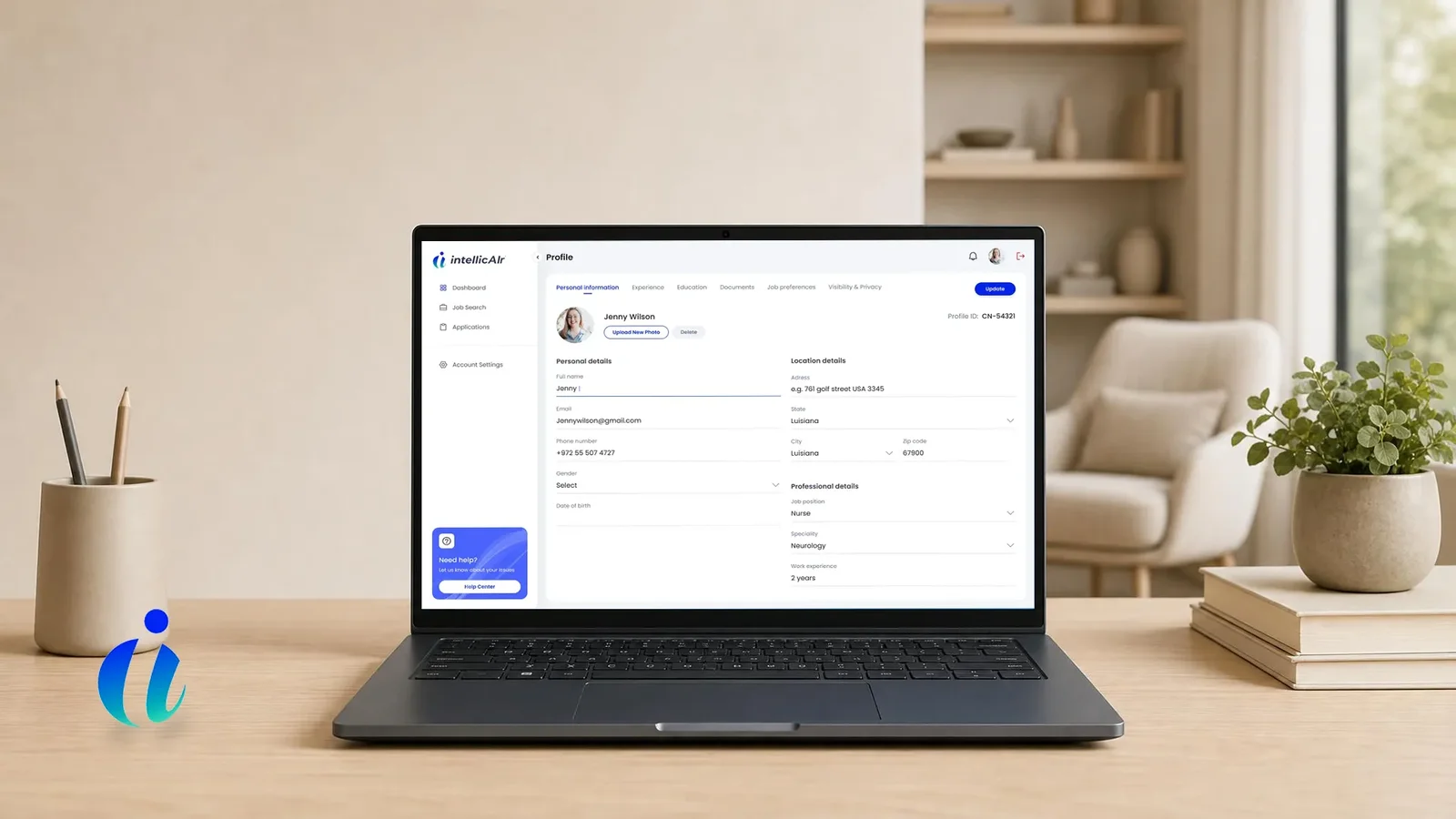
IntellicAIr
A nurse staffing marketplace built around a sealed bidding engine written from scratch. Bids stay hidden until the round closes.
- 1 roundFor a post that waits 78 days to fill
- No nameOn a bid that used to hide a 40 % cut
- 1 inviteBrings a facility's own agencies onboard
Fitness App Development Company: Frequently Asked Questions
Doors, payments and offline behaviour. The answers below cover hardware you already have at the entrance, what happens when the connection drops mid-class, and how billing handles freezes, refunds and family plans.
 How much does it cost to develop a fitness app?
What software do gyms use?
How to create gym management software?
How does gym scheduling software work?
How do gyms handle membership upgrades and downgrades in software?
How does an app open a door at a venue we do not control?
What happens when the venue network drops?
How are partner venues paid?
Can you read workouts from Apple Health or Android?
How long does a first version take?
How much does fitness app development cost?
Do you build for iOS and Android separately?
What a Fitness App Development Company Needs From Your Venue
Tell us how members get in today, what hardware sits at your venues and how partners are paid. You get an audit, a scope and an exact price.

Tell Us How Members Get In
Share the venues, the access hardware installed at each, and what happens today when the network is down.

Get a Venue and Access Audit
Hygge surveys the readers, controllers and networks, and defines the offline path before anything is built.

Receive a Scope and an Exact Price
A written plan with the pilot venue, the access approach, the payout model, the timeline and the cost.