
Custom CRM Development for the Way Your Team Sells
A CRM earns its place when the pipeline it shows matches the pipeline the team runs. That means records shaped around your sales motion, permissions that hold across regions and roles, and two-way sync with billing, support and the product itself.
What Custom CRM Software Development Solves
Where a packaged CRM stops matching how the business runs. Fields get renamed to mean something else, a stage exists only in the head of one rep, and reporting describes a process nobody follows. The cost shows up as a sales team keeping its own spreadsheet on the side.

Pipeline Data Is Scattered Across Systems
Reps keep their own spreadsheets because the CRM asks for fields that do not match the deal in front of them. The forecast gets assembled by hand every month.
- Records modeled on your deal stages and the fields reps fill anyway
- Entry from where the work happens: inbox, calendar, chat, the product
- One pipeline view finance and sales both read from

Nobody Trusts the Numbers
Two dashboards give two answers for the same quarter because each one pulls from a different definition of a closed deal.
- One definition per metric, written down and enforced in the data model
- Reporting built on the same records the team edits
- An audit trail showing when a deal moved and who moved it

The CRM Cannot Reach the Rest of the Stack
Billing, support and product usage sit in separate systems, so the account view is incomplete at the moment a rep needs it.
- Two-way sync with billing, support and product analytics
- CRM integration services for Salesforce, Zendesk, Stripe and internal systems
- Webhooks and queues that survive an outage on either side

Hours Lost to Data Entry
Handoffs, reminders and field updates absorb time a system should be handling.
- Automated stage transitions with an approval gate where money is involved
- Follow-up sequences triggered from real activity
- Exception paths for deals that break the standard flow
What Makes CRM Software Development Hard
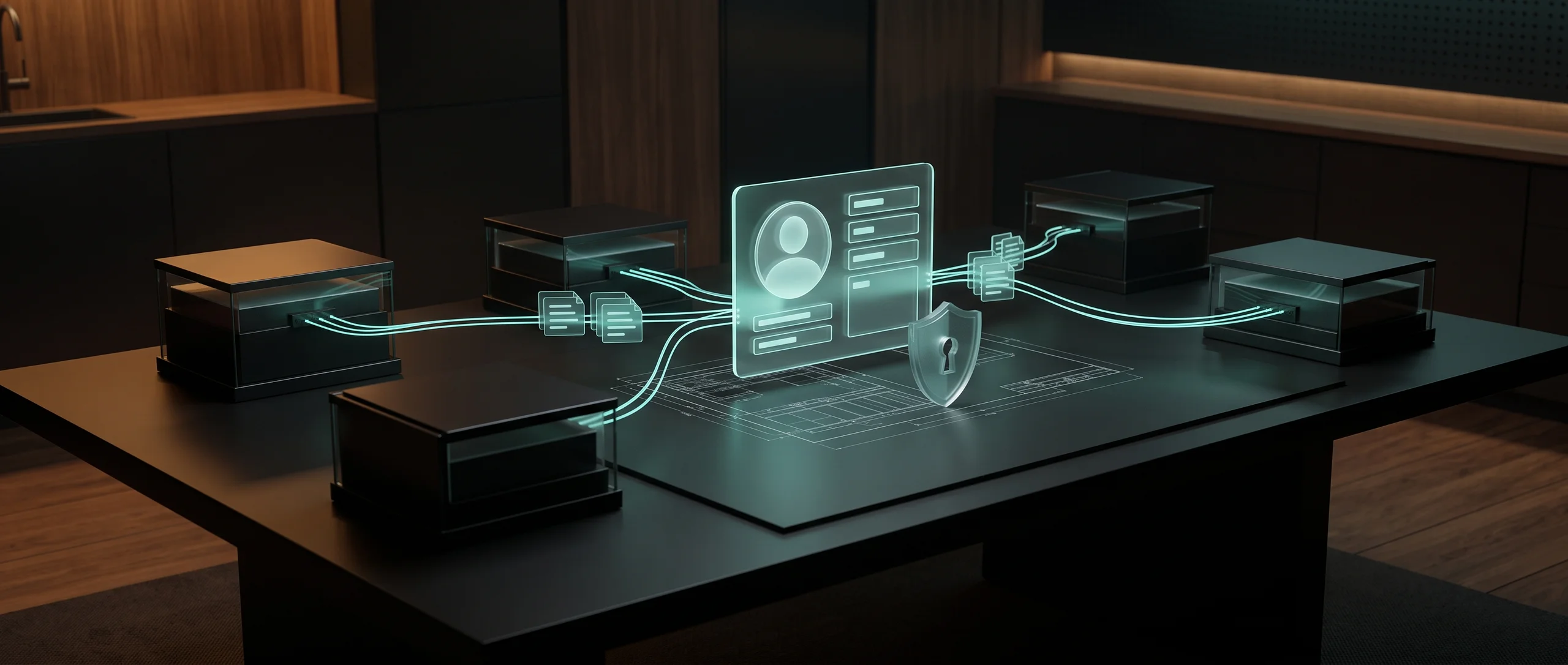
A CRM touches every system that holds customer state, so the build is decided by data ownership more than by screens. Which system is the source of truth for an account, what happens when two systems disagree, and who is allowed to see a record are questions Hygge settles in the audit, before the first table is designed.
Industries This Applies In
Sectors where a packaged CRM leaves a gap, and where Hygge has built the system around it. What changes between them is what a deal is made of: a quote, a contract, a case, a subscription. The pipeline stages and the reporting move with it, and the customer record stays one.

Sales & Marketing Technology
Outreach and pipeline tooling where deliverability and pacing decide whether a sequence runs at all.

Retail & E-Commerce
Retail accounts where campaign, billing and vendor data have to reconcile against one customer record.
Real Estate & PropTech
Property teams tracking listings, viewings and offers through to a signed document.
HR & Recruitment
Recruitment pipelines where the candidate and the employer are both accounts with their own histories.

Healthcare & Staffing
Healthcare staffing where shift matching and credential checks sit alongside the account record.
The Stack Behind CRM Development Services
A CRM slows down when accounts carry years of history, so this stack is chosen so the write path stays fast while reporting runs beside it. Integrations keep working when an external API rate-limits, and a rep never waits on a screen.
The interface reps live in all day, built to stay fast on accounts carrying years of history.
 TypeScript
 React
React Next.js
 Node.js
 NestJS
CRM Development Company Track Record
Company numbers across every project, from the first audit through the years a system stays in service. Custom CRM software development is judged in year two, when the pipeline has changed and the system has to change with it. The audit at the start is what makes the delivery date and the price hold.
How Custom CRM Development Runs
Data model first, then the interface, then the systems it has to talk to. The model is what everything else reads from, so getting it wrong is the expensive mistake. Each stage ends with something your sales team can open and use.
Audit and data model
2 weeksHygge maps how deals move today, which system owns which field, and what the reporting has to answer. The output is a written scope and an exact price.
Core records and pipeline
4-6 weeksAccounts, contacts, deals and stages built to your motion, with permissions enforced in the data layer. Deployed for the team to click in week one.
Integrations and migration
4-6 weeksTwo-way sync with billing, support and product analytics, then historic data moved in stages with a rollback at each step.
Automation and reporting
3-4 weeksStage automation with approval gates, follow-up triggers, and one dashboard finance and sales read the same way.
Related CRM Development Services Work
Projects where the customer record and the systems around it decided the build. Each started with a team keeping its real pipeline outside the CRM. What you see is the system that pulled it back in and the numbers that moved.
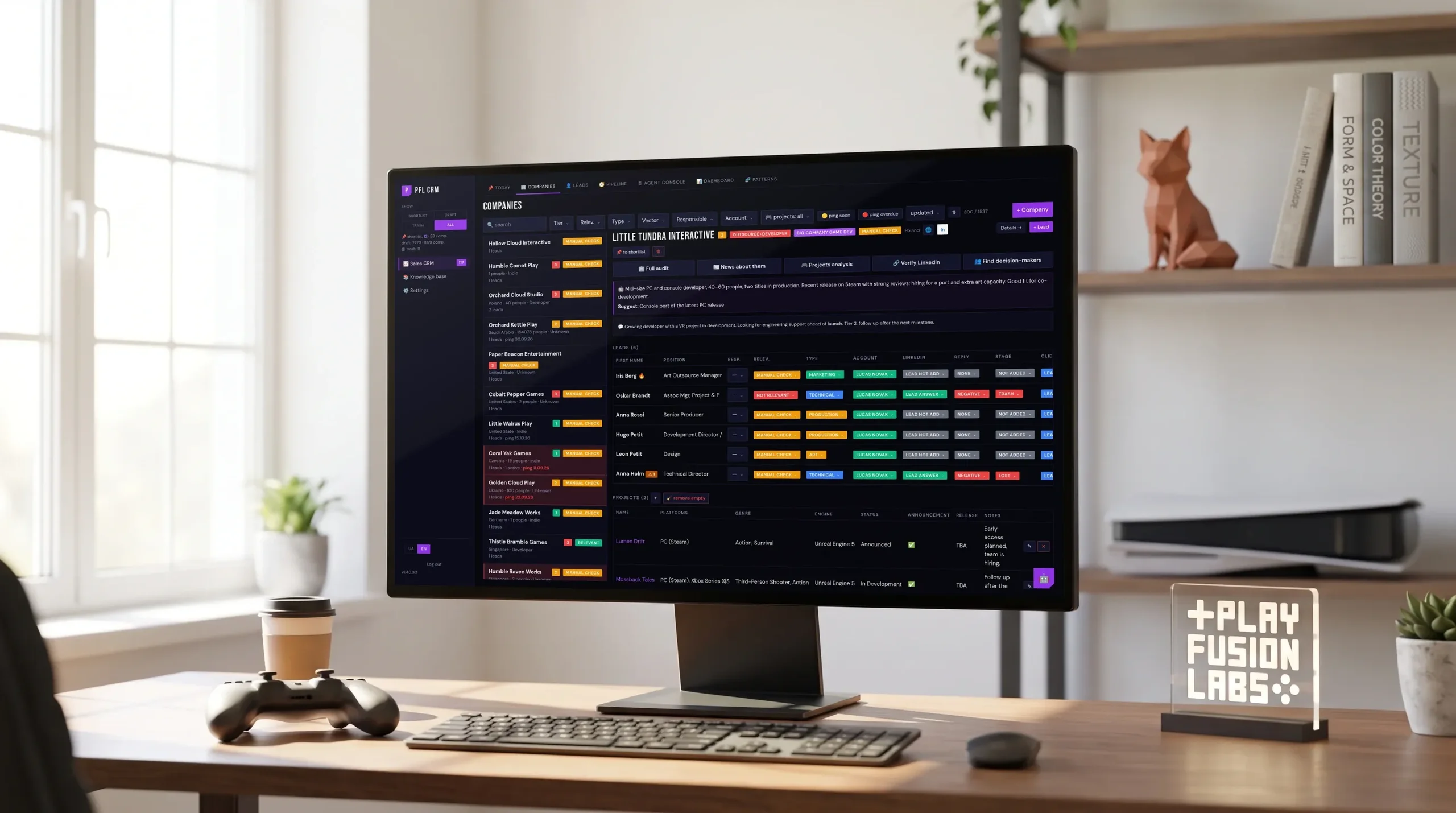
PlayFusionLabs CRM
Custom CRM development for a game studio. An agent researches companies, Today lists who to ping, and finance sits in one database.
- ~2 monthsFrom first call to daily use
- 150+Releases since launch
- 1 databaseFor sales, projects and finance
- $0In per-seat licences
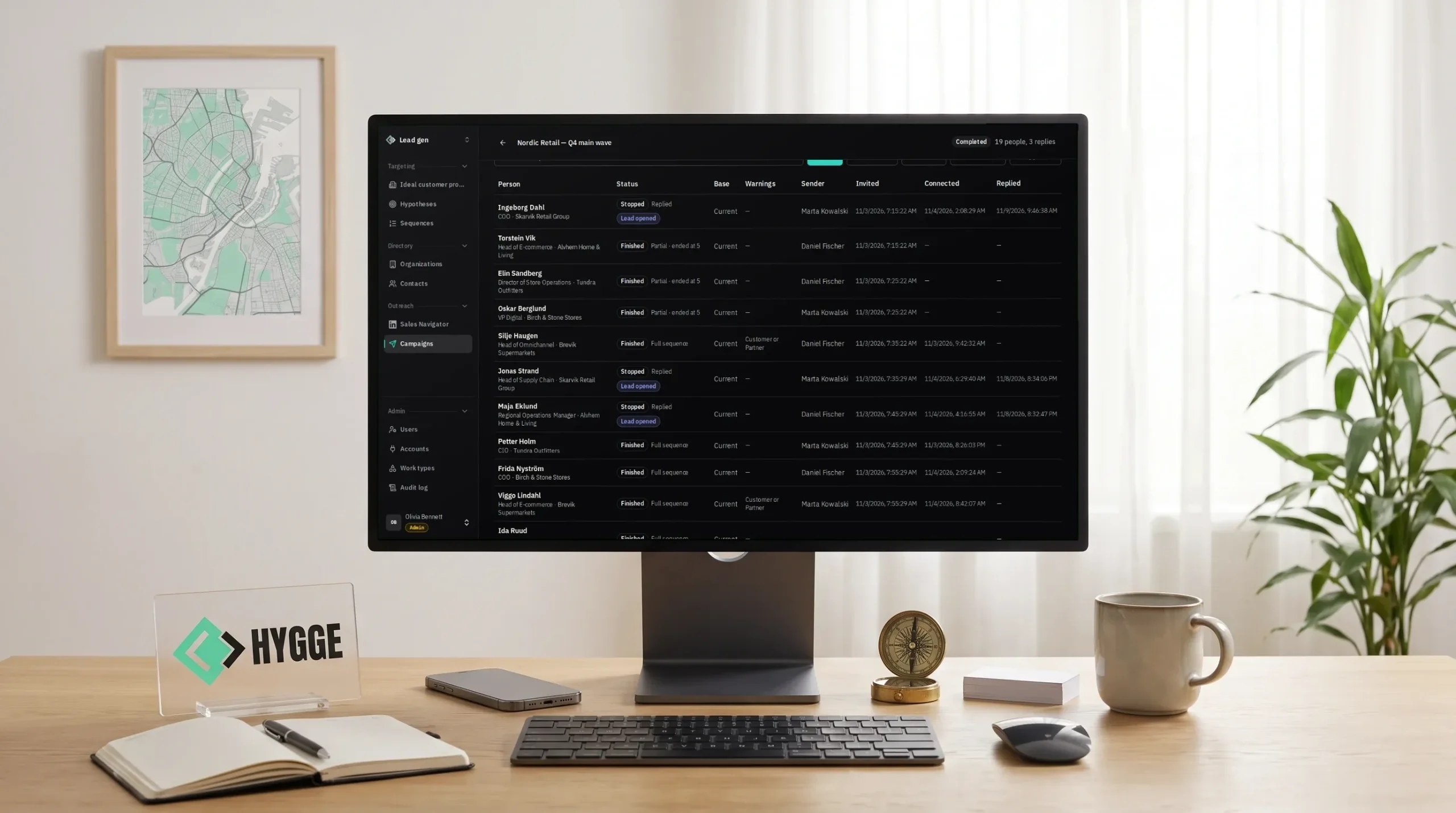
Hygge Lead Generation
Hygge's own outbound platform, where only approved hypotheses run campaigns. Every reply traces back to the targeting behind it.
- 5 toolsReplaced by one platform
- 0Scripted messages sent after a reply
- Every leadTraced to its hypothesis
- Per accountDaily and weekly sending limits
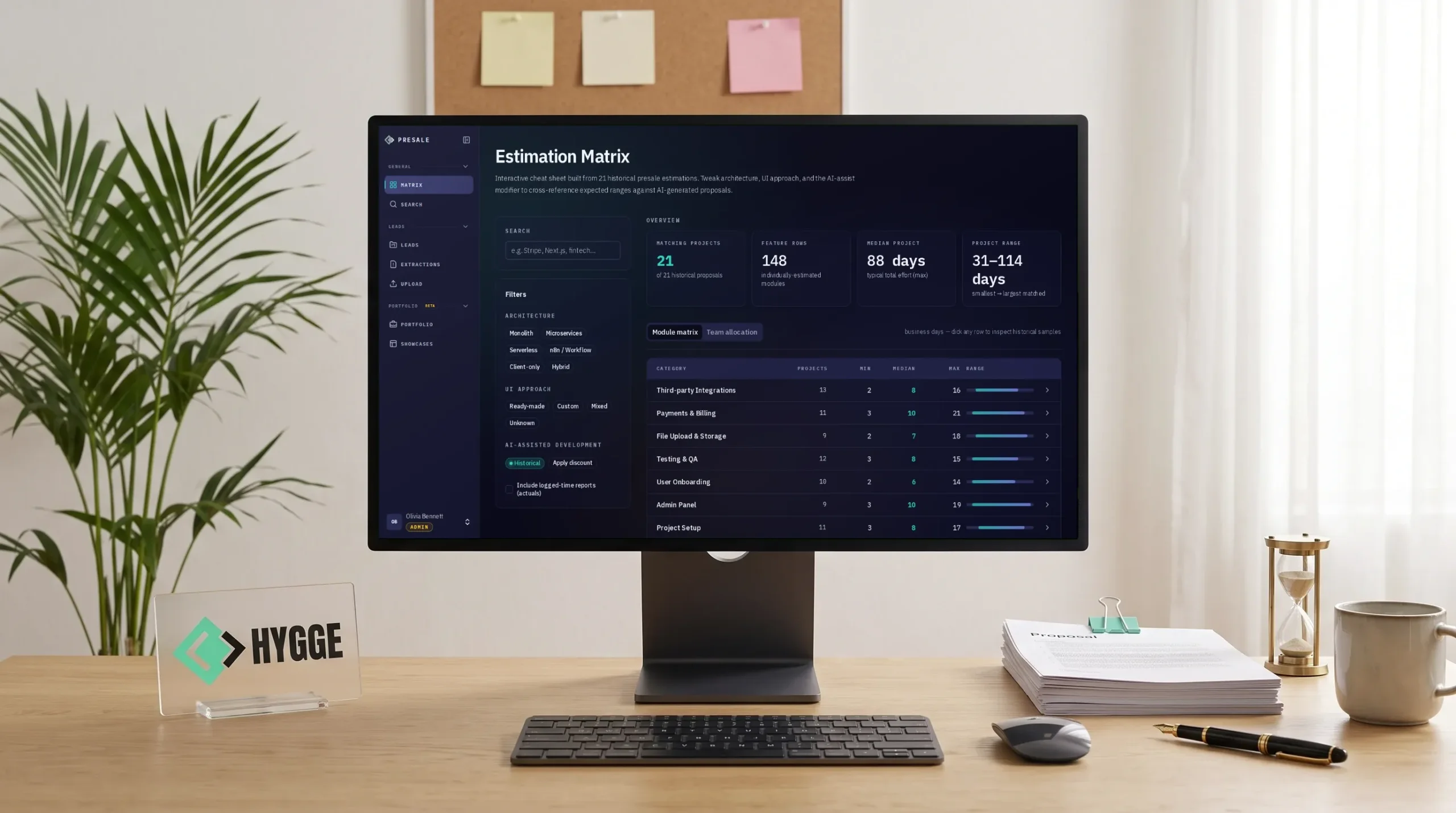
Hygge Presale
Hygge's own presale workspace, where an AI agent drafts estimates from past deals. People approve them, and every proposal feeds the next.
- 6 sub-statusesDrive each pipeline stage
- Every moduleAnchored to evidence
- 5 formatsFrom one approved deck version
- 3 modesOf case disclosure, enforced
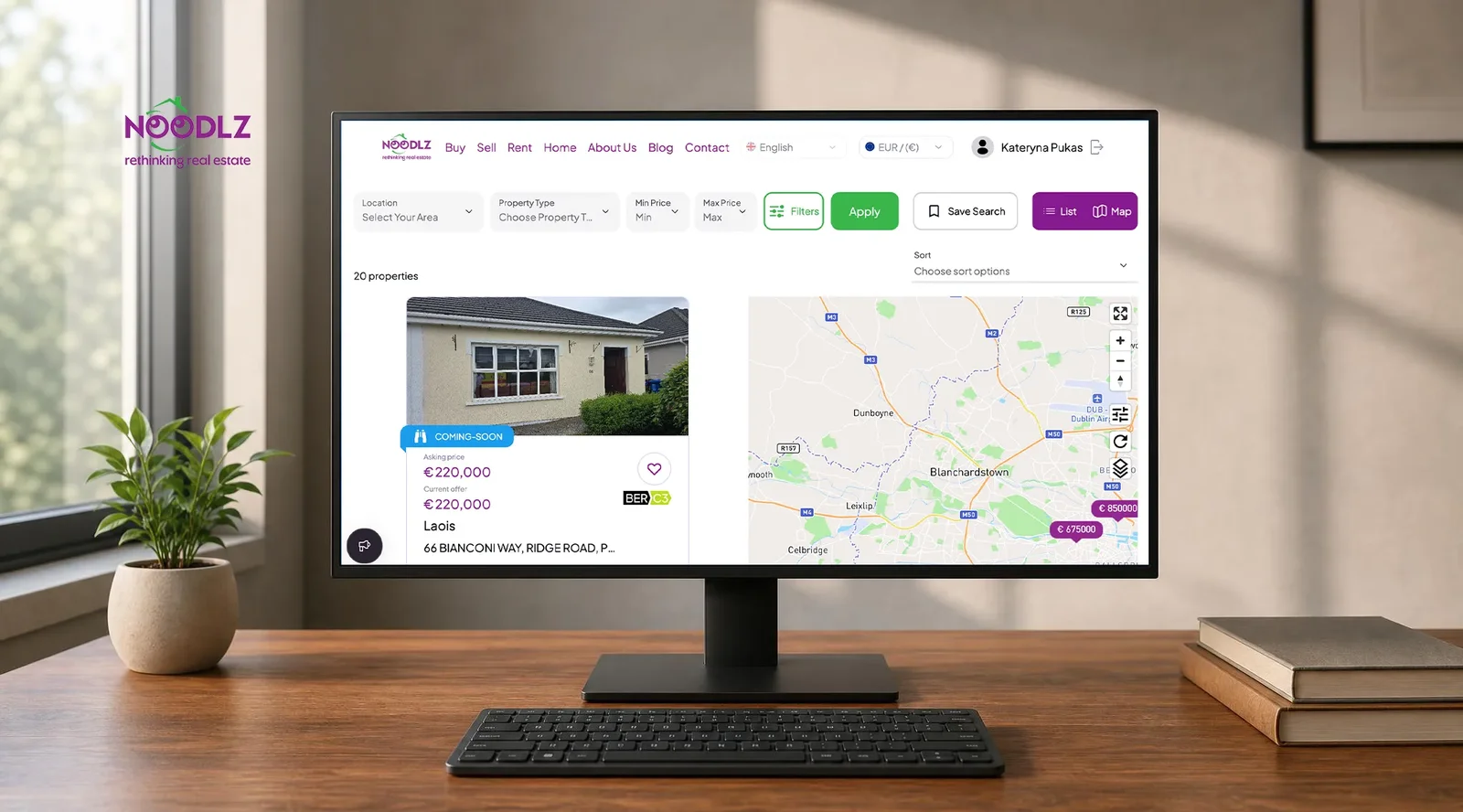
NOODLZ
Live auction software for an Irish agency network. Auctions moved off phone calls into one platform with verified bidders and a document vault.
- 1 platformReplaces auctions run outside any system
- 1 vaultReplaces contracts moving between inboxes
- 2+ yearsOf continuous delivery since 2024

BoardsOnline
A founder paid for a platform reported as done. Engineers checked every feature, and the rebuild started from what worked.
- 3 verdictsFor every feature reported as done
- 6 monthsFrom the audit to a tested, live platform
- 1+ yearOf support after the contract ended
Before You Commit to Custom CRM Development
What decides whether automation around a pipeline holds up: where an approval gate belongs, which processes deserve automation first, and why two dashboards disagree on the same quarter. These decide whether the automation survives contact with a sales team. Reading them early is cheaper than rebuilding a model in month four.

CRM Development: Frequently Asked Questions
Build or configure, migrate or start clean. The questions that decide the budget.
 What is CRM customization?
Can I build my own CRM?
How to build a custom CRM system?
How long does it take to build a CRM?
How to develop CRM software?
When does custom CRM development beat a subscription?
How much does a custom CRM cost?
Can you migrate us off Salesforce or another CRM?
What do CRM integration services cover?
How long does a custom CRM take?
Who owns the CRM code and the data?
How do you choose a CRM development company?
Start With How Your Pipeline Runs Today
Tell us how deals move and which systems hold the customer. You get an audit, a data model, a scope and an exact price.
Tell Us How Deals Move Today
Share your stages, the fields reps fill, and the systems holding billing, support and product usage.
Get an Audit of the Customer Record
Hygge maps which system owns which field, where the definitions disagree, and what has to migrate.
Receive a Data Model and an Exact Price
A written scope with the record structure, the integrations, the timeline and the cost.