
Cloud Migration Services
Workloads moved one at a time, with a rollback at every stage and a bill you agreed before the first server started. Hygge's cloud migration services begin with a dependency map, because the thing that breaks a migration is the connection nobody documented.
What Goes Into a Cloud Migration
The layers that separate a migration from an outage with a press release. Hygge scopes which of them your estate needs after the discovery pass, then prices the cloud migration services around that finding.
Discovery and Dependency Mapping
Every workload, every integration, and every scheduled job written down, including the ones running on a machine under someone's desk. A migration fails on the connection nobody knew about.
Target Architecture
Which workloads move as they are, which get re-platformed, and which get rebuilt. Cloud migration consulting puts a cost against each option before the decision gets made.
Data Migration
Bulk transfer, then continuous replication, then a cutover measured in minutes, with reconciliation reports proving both sides agree before anything gets switched off.
Networking and Identity
Connectivity between what has moved and what has not, plus your identity provider handling access on both sides during the months the estate is split.
Cost Model and Guardrails
Sizing based on measured usage, autoscaling with a ceiling, budget alerts, and tagging so every line on the invoice has an owner. Cost control belongs in the design, before the bill arrives.
Cutover and Rollback
A rehearsed switch for each workload, with the path back defined and tested. Nothing moves until going back costs one decision.
What a Migration Assessment Settles First
Hygge opens with an assessment of your estate. A cloud migration company that quotes from a server list is quoting on the half of the picture you can see.
The assessment produces each of these:
- An inventory of workloads with their dependencies, owners, and the traffic each one carries.
- A move decision per workload: as is, re-platformed, rebuilt, or retired.
- A monthly run cost at your measured usage, with the licensing implications named and the cloud infrastructure services sized against real load.
- A sequence, so the workloads that unblock others move first.
- Fixed scope and price for phase one, agreed before anything moves.
What Forces a Move to the Cloud
The situations behind most enquiries Hygge scopes.
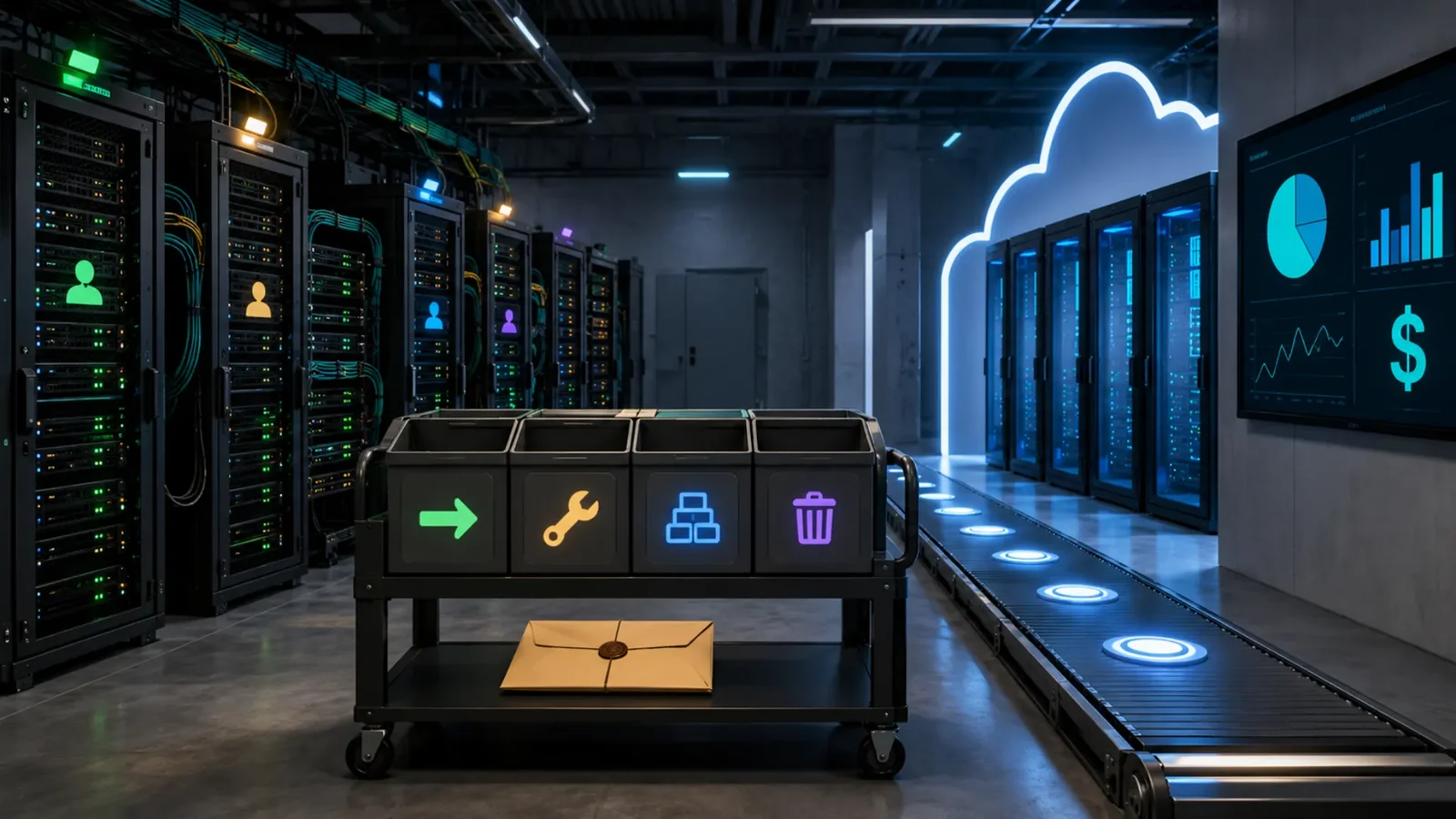
A hardware refresh is due, capacity blocks the roadmap, and nobody is sure what runs where. Cloud migration moves it in stages with both environments live until the numbers match. The audit inventories what you run before a date is set.
The Hardware Refresh Is Due
A data centre contract or a server refresh is coming, and the capital request is large enough that someone asks whether the machines should exist at all.
The First Migration Doubled the Bill
Workloads were lifted across as they were, sized the way they ran on owned hardware. The invoice arrived, and now the project has to justify itself twice.
Capacity Blocks the Roadmap
New environments take weeks to provision, so testing gets skipped and releases queue behind infrastructure requests nobody can speed up.
Compliance Moved the Goalposts
A customer contract or a regulator now requires controls, residency, or evidence the current setup was never built to produce.
Nobody Knows What Runs Where
The estate grew over a decade through acquisitions and departures. Any plan starts with an inventory nobody has, and that is the work everyone underestimates.
How We Move an Estate
From a dependency map to the last workload switched over, one at a time, with a tested way back at each step. This is how cloud migration services run at Hygge.
Assessment
Three to four weeks discovering the estate, mapping dependencies, and measuring real usage, ending in a sequence, a cost model, and an exact price.
Landing Zone
Accounts, networking, identity, logging, and cost guardrails built as code before the first workload arrives, so every aws migration services wave lands on a defined foundation.
Pilot Workload
One meaningful, low-risk service moved end to end, including cutover and rollback, which turns the plan into evidence.
Wave Migration
Workloads move in waves grouped by dependency, each with a rehearsed cutover, a reconciliation check, and the old environment left running until the new one has proven itself.
Optimise and Hand Over
Right-sizing against measured usage, reserved capacity where the pattern is stable, runbooks, and sessions with your team, so the estate is yours to operate.
What Changes Once the Estate Has Moved
The move happens with customers working through it, because nothing is switched off until the figures agree. Capacity stops being a purchase decision, and what runs where is written down for whoever comes next. Cloud migration consulting starts with what the move is meant to achieve, because a lift and shift that changes nothing about how the system runs mostly moves the bill. Azure migration services follow the same path Hygge uses everywhere: a proven copy running beside production before anything is switched over.
The Standards Cloud Migration Services Are Held To
Every number here is agreed with you and measured against how things run today.
Where Moving Off Old Hardware Pays Back Fastest
Sectors where the server room has become the constraint on what the business can do.

Logistics & Warehouse Automation
Warehouse systems moved off site-local servers, so a second facility launches without new hardware.

Retail & E-Commerce
Storefront and order systems moved to capacity that follows the season week by week.
Healthcare & Staffing
Clinical workloads moved with data residency and access rules carried across intact.

Media & Entertainment
Media processing moved to burst capacity, so a large delivery no longer waits on one encoding box.
LegalTech
Matter systems migrated with retention and privilege behavior verified after cutover.

Aviation
Operations platforms moved with certification records and regulator reporting preserved.
Real Estate & PropTech
Agency platforms consolidated from per-office servers into one estate with shared data.

EdTech
Learning platforms moved to capacity sized for the enrolment spike, then scaled back down.
Migrations Completed Under Live Traffic
Migrations Hygge has delivered on estates carrying real users.
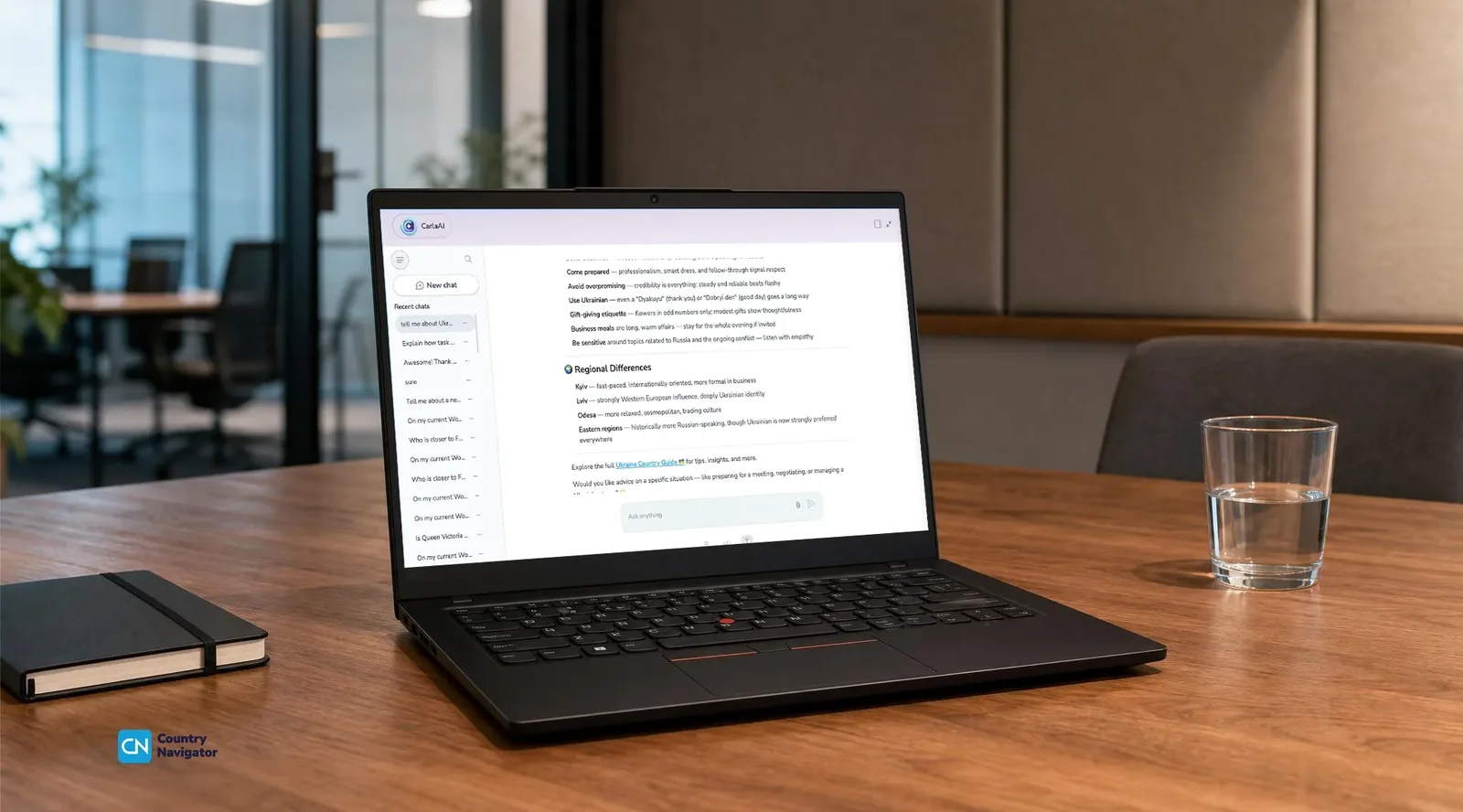
Country Navigator
A ten-year-old cultural intelligence training platform rebuilt into services. Enterprise customers kept working through a zero downtime migration.
- 0Downtime moving a ten-year-old platform
- 1 configReplaces the SSO setup only one person knew
- 10 yearsOf monolith rebuilt into services
What You Get From the Migration Assessment
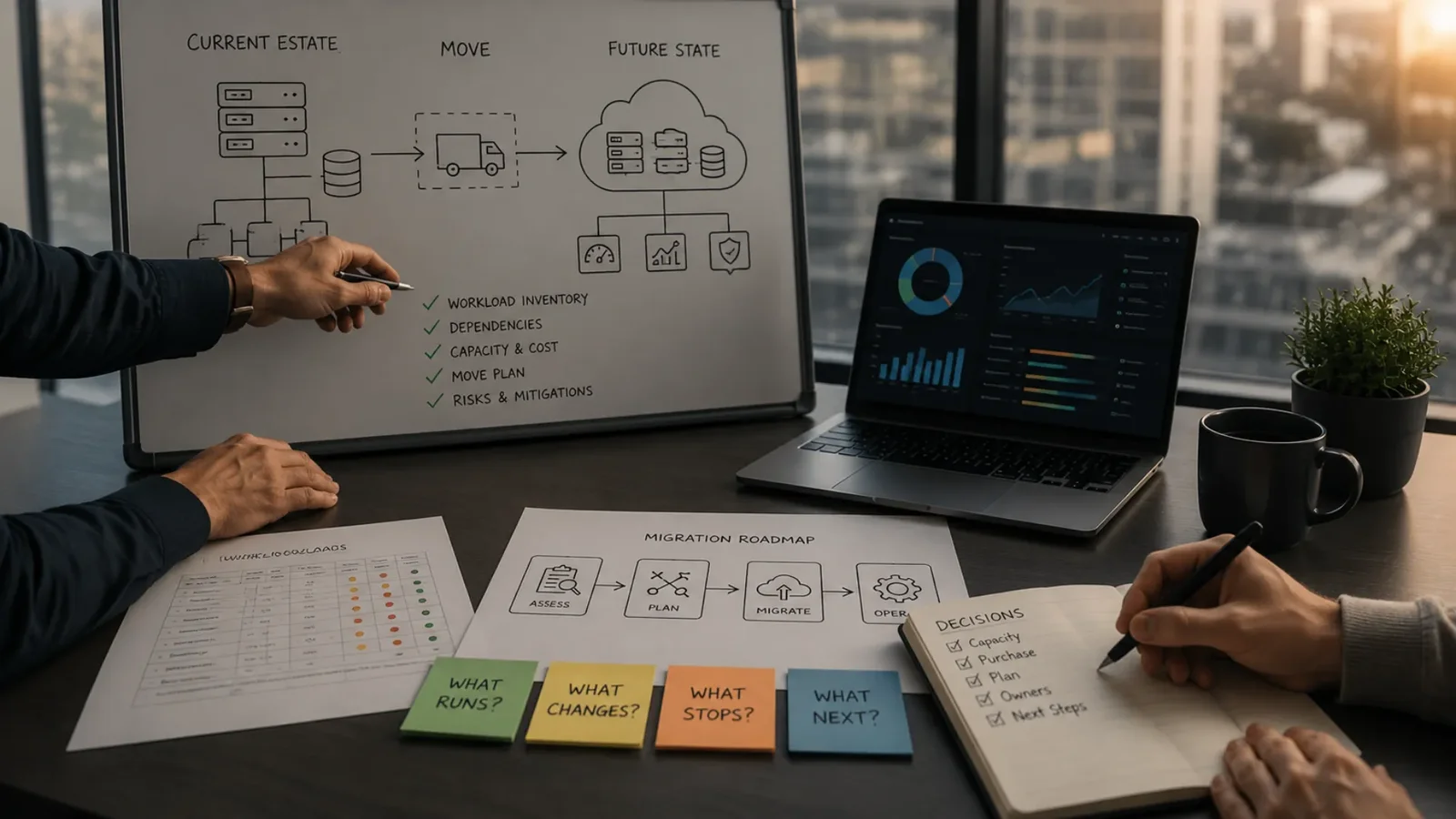
A workload inventory with dependencies and owners, a move decision per workload, a monthly run cost at measured usage, a migration sequence, and an exact price for phase one. Cloud migration consulting that ends in a plan your finance team can sign off.
The Stack Behind a Migration
Chosen against your workloads, your compliance requirements, and what your own team will operate afterwards. Every migration project ends with that handover.
The destination, picked on your existing licensing, the skills your team holds, and where the workload runs cheapest at your volume.
 AWS
AWS.webp?v=2026-09-29T09%3A19%3A04.634Z) Microsoft Azure
Microsoft Azure Google Cloud
Frequently Asked Questions
What technical and finance leads ask.
 What is cloud migration?
How does cloud migration work?
What is a cloud migration strategy?
What is migration in cloud computing?
How do I migrate my business to the cloud?
How long does a cloud migration take?
Can you migrate without downtime?
Which cloud should we move to?
What happens to our data during the migration?
How much will the cloud bill be afterwards?
Can you cut an existing cloud bill?
Who runs the estate after the migration?
From a Server List to a Migration Plan
Tell us what you run today and what is forcing the move. You get a dependency map, a cost model, and a sequence, the way every cloud migration consulting project at Hygge begins.
Tell Us What Is Still Running On-Premise
Share the workloads, the licensing you already pay for, and how much downtime a cutover can take.
Get a First Consultation
We review your workloads, dependencies, and downtime window for anything that would change scope, cost, or timeline.
Receive a Detailed Proposal
A scoped plan with the approach, timeline, and cost, built around your actual infrastructure.