


Legal Case Management Software Development for Law Firms
A citation that points at the wrong article costs a firm its standing with a court. Hygge builds legal systems where every generated answer carries the source it came from.
Where the Billable Hour Goes
What partners and practice managers describe when they call us. A matter is tracked in one system, the documents in another, and the time behind it in a third. The gap between them is billable work that quietly never reaches an invoice.
None of this reads as a software problem on the day. It reads as a busy quarter. The cost turns up somewhere else: in time that was worked and never billed, in a junior reassembling a file somebody else already knew, and in a version going out that was superseded a week ago. Legal case management software removes the repetition and puts the matter in one place.
The Matter File Is Spread Across Four Places
Correspondence sits in one inbox, drafts sit on a shared drive, intake notes sit with whoever took the call, and billing sits somewhere else. Anyone picking up a matter reassembles it first, and the reassembly is billed to nobody.
Time Gets Recorded From Memory, and Some of It Never Gets Recorded
Entries are written up at the end of the day or the end of the week, reconstructed from a calendar and a sent folder. What goes down is always less than what was done, and the difference is revenue the firm earned and never billed.
The Practice System Was Built for a Different Practice
It covers the workflow of the firm it was designed around and stops at yours: your conflict rules, your project terms, your matter types. You pay per fee earner for the full package and still keep the important part in a spreadsheet.
Client Files Sit Somewhere Nobody Has Audited
Privileged material moves between an inbox, a shared drive and a laptop, and the access list has never been reviewed against who still works at the firm. That risk is carried quietly until a client asks the question in a due diligence pack.
Systems Hygge Builds for Law Firms and Legal Teams
Each card is a system a firm moves to once a manual process stops holding. On the right is what changes and by how much.
Business Process Automation
The route a matter takes from intake to closing, held in the system: conflict checks, project letters, approvals and the documents each stage produces. Steps that depended on somebody remembering become part of the record.
- 3 xFaster from enquiry to an engaged client
- 100 %Of conflict checks recorded against the matter they cleared
- 1 entryA client is captured once and read by every document that needs them
Customer & Partner Portal Development
A client portal where the other side of a matter uploads what you asked for, sees where things stand and signs what needs signing. The chase for a missing document stops being an email thread.
- 80 %Of document requests fulfilled without a follow-up email
- 48 hTypical turnaround on a client document request
- 100 %Of exchanges logged with who sent what and when
CRM Development
Enquiries, referrers and the history behind every client held by the firm, so a relationship survives a partner moving on. Where the work comes from becomes a number you can act on.
- 1 recordEvery client and referrer held by the firm
- 3 xMore converted enquiries from following up on time
- 100 %Of new matters traced to the source that produced them
Business Intelligence & Reporting
Utilisation, realisation and profitability per matter, per client and per fee earner, built from records the firm already keeps. Which work is worth taking gets an answer before the next one is accepted.
- 1 dayFrom month end to a profitability report per matter and per client
- 100 %Of write-offs traceable to where the time went
- 5 xMore questions answered without an analyst building an export
Vendor Management Software
Outside counsel, experts and suppliers held with their rates, project terms and spend in one record. An invoice is checked against what was agreed before anyone approves it.
- 1 rate cardApplied across every firm on the panel
- 100 %Of invoices checked against agreed rates before approval
- 20 %Less spend leaking through off-contract billing
API & Payment Integration
The connections between your practice system, your document store, your accounting and the court or registry portals you file into. Each one is versioned and monitored, so a portal changing its format raises an alert early.
- 100 %Of filings and transfers logged with what was sent and what came back
- 1 hFrom a failed submission to somebody knowing about it
- 1 entryA matter is recorded once and read by billing and accounting
Fintech & Payment Products
Billing, client payments and the reconciliation between them built on a ledger nobody can edit. Every movement is derived from a recorded event, which turns a month-end reconciliation into a report.
- 1 dayTo reconcile a month across client and office accounts
- 100 %Of movements derived from a recorded, traceable event
- 30 %Faster from bill issued to payment received
What Legal Document Automation Software Draws On
Why each of these gets used on a legal build, in the order it usually gets needed. A legal build touches a document pile, a matter record, a billing system and a client security questionnaire in the same quarter. These are the services that hold those together.
Document Processing
Contracts, filings and discovery arrive as PDFs, scans and email attachments, and a paralegal reads them to find the same handful of things. Pulling parties, dates, obligations and clause types out automatically turns a week of reading into a review. The document stays the record, and the fields behind it become searchable.
Open the serviceRAG Development
A lawyer needs the answer and the paragraph it came from, in that order. Retrieval over your own matter files and precedent library returns both, so nothing has to be taken on trust. Questions that took an afternoon of searching come back with the source attached.
Open the serviceSystem Integration
The practice management system, the document store, the billing platform and the email archive were bought separately. Making one matter the same record across all of them stops time being logged twice. It also stops an invoice going out with work that was done and never captured.
Open the serviceBackend, API & Database
Legal data carries obligations about who may read it and proof of who did. Access rules, versioning and the audit trail live at this layer, where every client and integration reads the same rule. It is also what keeps search fast once the archive passes a few million documents.
Open the serviceSecurity Consulting
Client files, privileged material and outside counsel access sit across systems set up at different times, often with departed staff still holding a login. Reviewing that, and being able to say who can reach what, is what a client security questionnaire turns on.
Open the serviceWhat a Legal Build Is Measured On
Agreed with you before legal case management software is built, then measured against how the firm works today. Every number here comes out of the audit, so it describes your own matter volume and your own billing cycle. That is what makes the delivery date and the price hold.
The Stack Behind Legal Document Automation Software
Legal work has no tolerance for an approximate answer, so this stack is built around traceability: every output points at the passage it came from. Hygge keeps the option to run the whole thing inside your own infrastructure, because a firm often cannot send client material to a third party.
Answers that point back at a source passage a lawyer can open and check. The model is grounded in your own documents, and when the material does not support an answer the system says so and stops. Retrieval is tuned on your document set, so a search for a defined term finds the definition and every place it is used.
 OpenAI API
 Anthropic Claude API
 LlamaIndex
 LangChain
 Pgvector
 Qdrant
 LoRA
LoRALaw Firm Software Development With the Same Shape
None of these is a law firm. Each one solved a problem a legal build runs into: an inherited platform audited and rebuilt, an expert method turned into a product, generated output a person approves before it leaves, and a decade of records carried into a new system.

Clia
Two AI apps for consultants on one core, with a trained model that turns legal references into links.
- Auto-linkedCitations a consultant used to look up by hand
- 1 passA document read once, every reference resolved
- 2 appsOn one platform, shipping apart
BoardsOnline
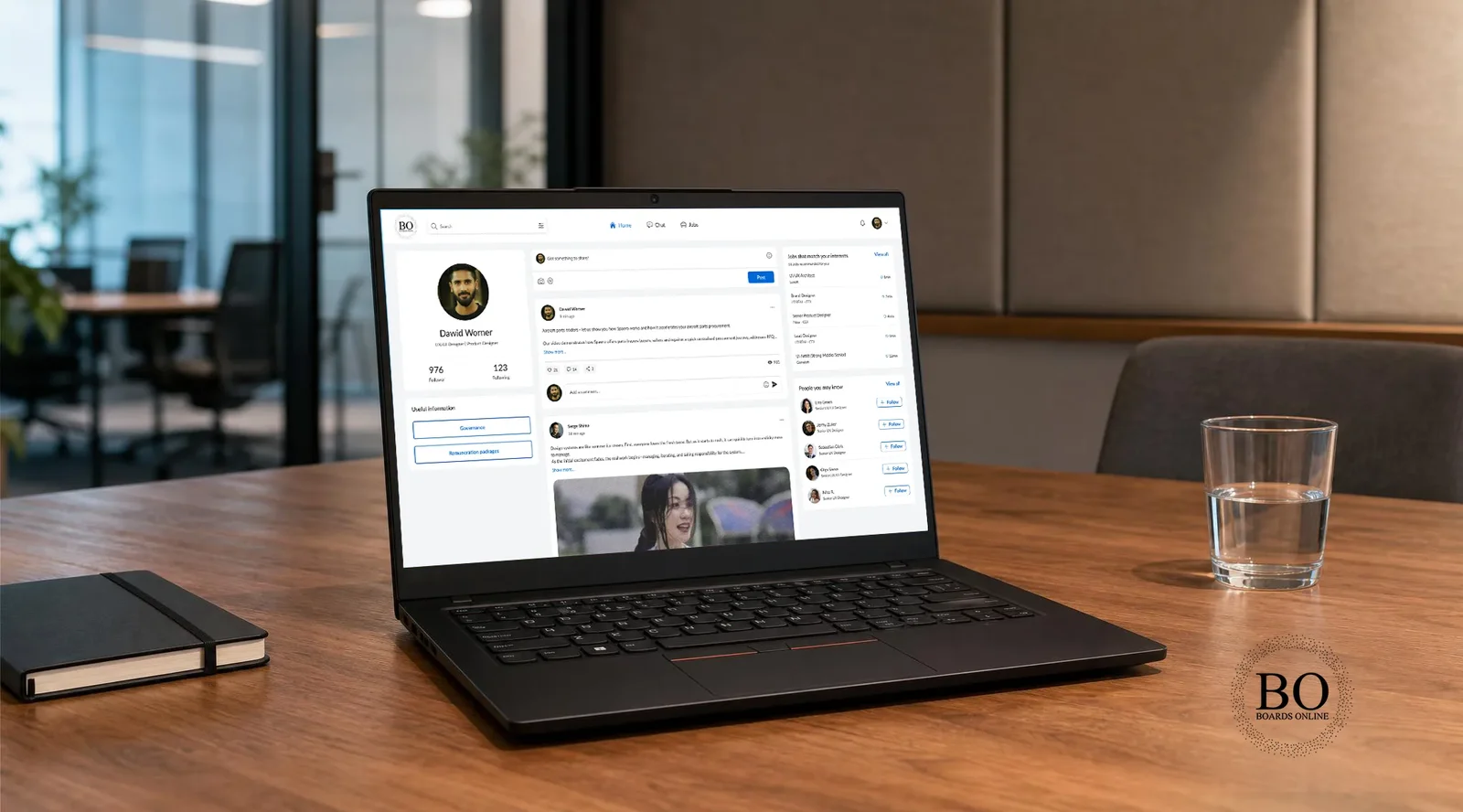
A founder paid for a platform reported as done. Engineers checked every feature, and the rebuild started from what worked.
- 3 verdictsFor every feature reported as done
- 6 monthsFrom the audit to a tested, live platform
- 1+ yearOf support after the contract ended
NOODLZ
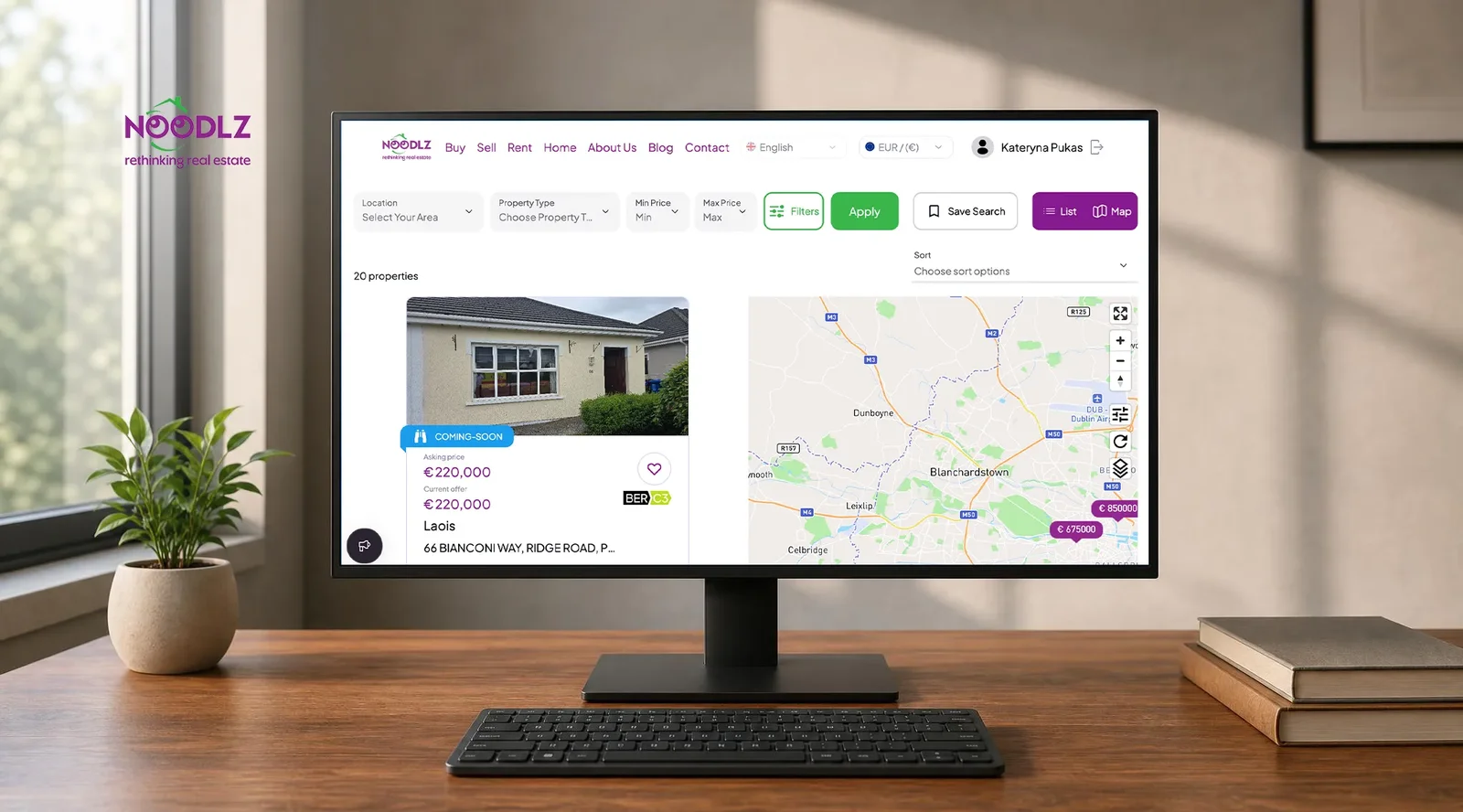
Live auction software for an Irish agency network. Auctions moved off phone calls into one platform with verified bidders and a document vault.
- 1 platformReplaces auctions run outside any system
- 1 vaultReplaces contracts moving between inboxes
- 2+ yearsOf continuous delivery since 2024
LegalTech Software Frequently Asked Questions
Questions partners ask before commissioning legal software: what stays privileged, how documents get extracted without losing the record, what a client security review asks for, and how long a first phase runs. The answers below come from law firm software development already carrying live matters.
 What is legal case management software?
How to choose legal case management software?
How do legal teams manage caseloads efficiently with case management software?
How do legal operations build a business case for practice management software?
Can legal case management software integrate with the tools a firm already runs?
Why fine-tune a model for legal references?
How do you keep a legal assistant from inventing answers?
Can the system run without sending documents to a third party?
What does a first legal AI project usually cover?
What makes legal software development different from a standard business build?
What should a firm ask a legal software development company before signing?
From Scattered Sources to One Reliable Layer
Tell us what systems you run and what question you cannot answer today. You get a source inventory, a scope, and a price.
Tell Us What's Running Unmonitored
Share the models, the stack, and where deployment or monitoring is still manual, whatever's costing your team time right now.

Get a First Consultation
We map your current models and infrastructure for anything that would change scope, cost, or timeline.

Receive a Detailed Proposal
A scoped plan with the approach, timeline, and cost, built around your actual stack.