


Video Analytics Software That Decides at the Camera
Aeye Systems runs custom computer vision on NVIDIA Jetson hardware inside vehicles and fixed installations, matches detections against live watchlists on the spot, and escalates into a command center. Recognition keeps working when the connection does not, which is the whole reason the model sits at the edge.
What Video Analytics Software Solves
Where camera footage stops turning into anything anyone can act on. The cameras record, the storage fills, and a review happens only after something has already gone wrong. The value sits in the minute between the event and somebody noticing it.
Nobody Watches the Footage Until It Is Too Late
Cameras record continuously and the material is reviewed after an incident, so the system documents what happened.
- Detections matched against live watchlists at the moment they occur
- Configurable alert types and severity so attention goes to what warrants it
- Escalation into a command center with the context attached

The Connection Cannot Be Trusted
Vehicles, remote sites and industrial floors lose the network, and a cloud-only pipeline stops recognising anything.
- Models running on hardware at the point of capture
- Local decisions that survive an outage, with results synced when the link returns
- Bandwidth spent on results and clips that matter

Evidence Falls Apart Under Review
A detection with no chain of custody, no timestamp integrity and no export path is worth nothing when it is questioned.
- An evidence review and export layer built for agency scrutiny
- Immutable records of what was detected, when, and by which model version
- Historical search across events with the source material attached
Accuracy Drops After Deployment
The model performed in testing and degrades in the field, where lighting, angles and weather look nothing like the training set.
- Footage you already hold labelled and folded into the training set
- Accuracy measured against a held-out set before a model reaches production
- Drift monitoring that catches degradation before an operator reports it
What Makes Video Analytics Software Hard to Build
Running a model on a clip is a solved problem. Running it on constrained hardware, in weather, on a network that disappears, with an output somebody will challenge in a hearing, is the engineering. Hygge decides where inference runs, what the hardware can carry and how evidence is recorded during the audit, because those three answers set everything built afterwards.
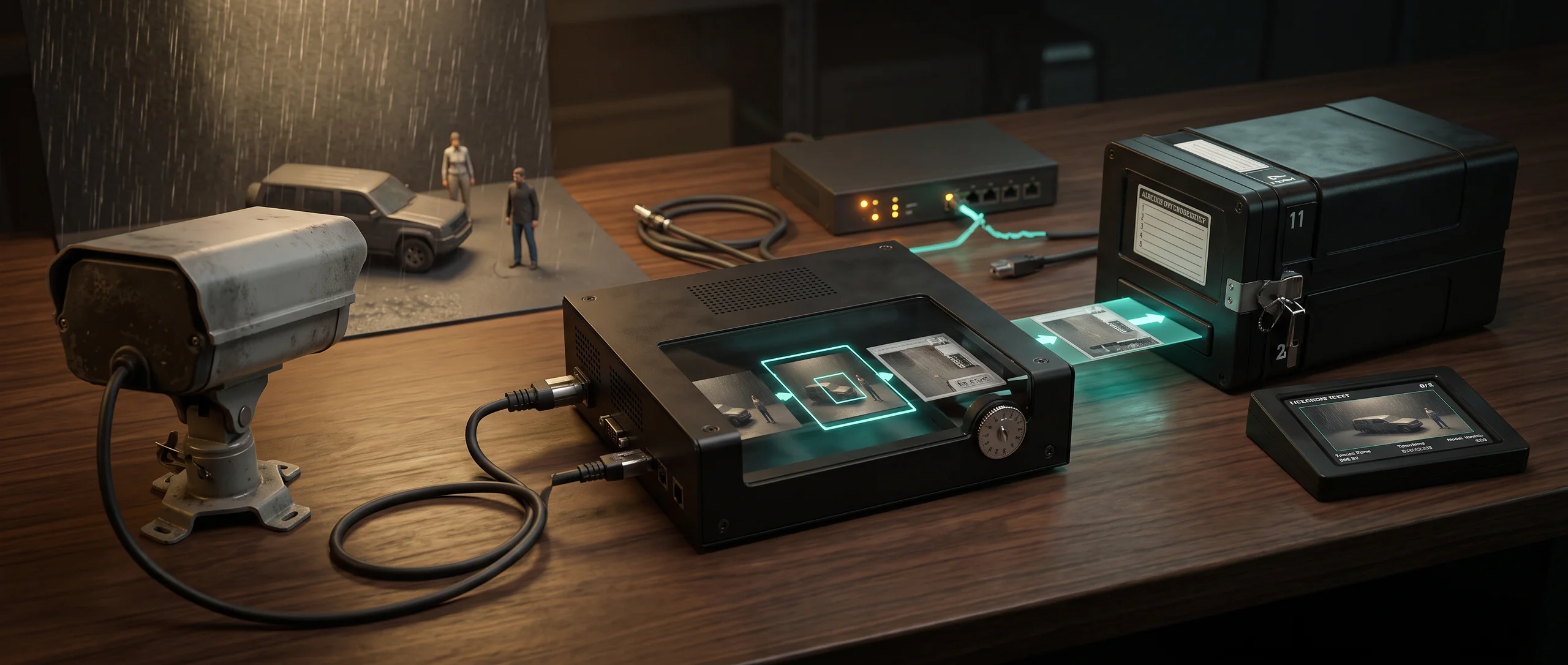
Where AI Video Surveillance Software Runs
Sectors where a camera already exists and nobody is watching it, and where Hygge has shipped it. What changes between them is what has to be spotted: a safety breach, a queue, a plate, an empty shelf. Computer vision development services follow the same spine in all of them, and the detection targets move with the site.
Public Safety & Security
Vehicle and fixed installations matching detections against live watchlists, with evidence built for agency review.

Real Estate & PropTech
Construction and property progress read from site photographs and turned into a score investors can act on.

Logistics & Warehouse Automation
Warehouse and industrial floors where a camera watches a process that cannot stop.

Retail & E-Commerce
Retail environments measuring what happens in front of a shelf or a window.

Aviation
Aviation ground operations where visual checks carry a record.
The Stack Behind Video Analytics Platform Development
Video analysis costs money per frame, so this stack is chosen to run recognition where the camera is and send back only what matters. Storage and retrieval are built for the review that happens weeks later.
Models running on the hardware at the point of capture, sized to its compute and thermal envelope.
 NVIDIA Jetson
 NVIDIA DeepStream
 TensorRT
 ONNX Runtime
 NVIDIA Triton Inference Server
Video Analytics Software Track Record
Company numbers across every project, from the first audit through the years a system stays in service. Computer vision software development is judged on false positives, because an alert nobody trusts gets switched off in week three. The audit at the start is what makes the delivery date and the price hold.
How a Video Analytics Platform Gets Built
Hardware and accuracy first, because both are expensive to change later. A pilot runs against your own footage until the false positive rate is one your team will tolerate. Rollout follows once that number is agreed.
Site and hardware audit
2 weeksHygge checks the cameras and compute already deployed, the network at each site, and what has to be recognised. The output is a hardware plan, a scope and an exact price.
Model and accuracy baseline
3-5 weeksFootage you already hold gets labelled, models trained for the environment, and accuracy measured against a held-out set before anything is deployed.
Edge deployment and alerting
4-6 weeksInference running on device at a pilot site, matching against live lists, with alert types, severity and escalation wired in.
Command interface and evidence
3-5 weeksLive map, historical search and an evidence review and export layer, then rollout across remaining sites.
Related CCTV Analytics Software Work
Projects where a camera feed had to produce a decision somebody acts on. Each started with footage already being recorded and nobody reviewing it in time. What you see is the system that closed that gap and the numbers that moved.
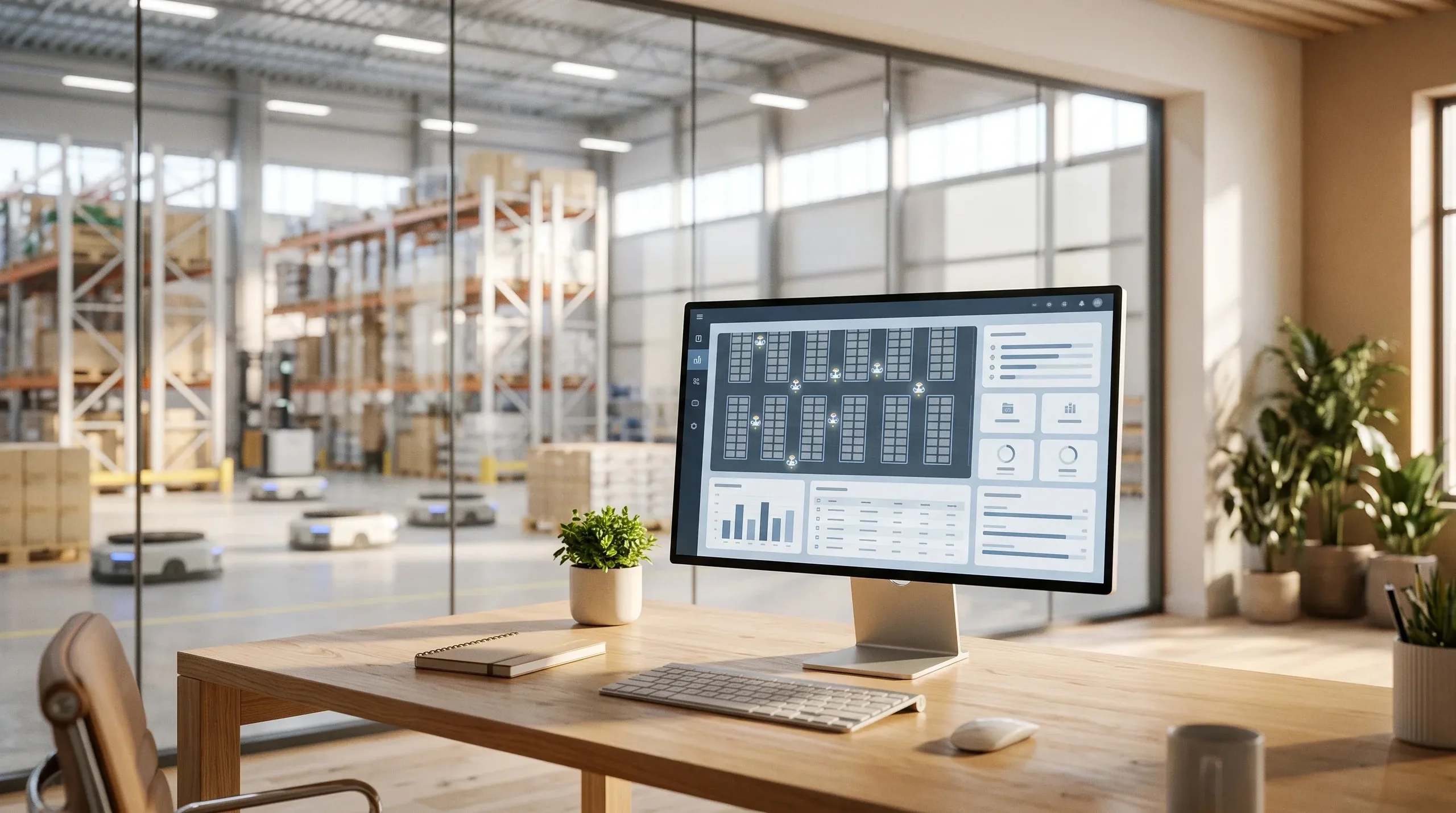
Slapstack
The console for autonomous warehouses, rewritten from Flask to React in pieces. No live warehouse went offline.
- 0Warehouse hours lost to a full rewrite
- 1 libraryReplaces hand-rolled pages, screen by screen
- 1 year onThe same client came back for phase two
Video Analytics: Frequently Asked Questions
Vision projects are judged on accuracy and on evidence that holds up. Start here. AI video surveillance software and cctv analytics software describe the same build in the words of two different buyers. AI video surveillance software and cctv analytics software describe the same build in the words of two different buyers.
 What is intelligent video analytics?
What is video analytics?
How does video analytics work?
How can video analytics help with loss prevention?
Why is video analytics important?
Why does recognition need to run on the device?
Can these systems work with hardware we already have?
How is evidence handled so it holds up later?
What accuracy can we expect?
Why does model accuracy drop after launch?
How much does a video analytics platform cost?
How long does a first phase take?
Start With What the Camera Has to Catch
Tell us what needs recognising, where the cameras are and what the network does there. You get an audit, a hardware plan, a scope and an exact price.

Tell Us What Has to Be Recognised
Share the sites, the cameras already installed, what the system has to catch and what happens when it does.
Get a Site and Hardware Audit
Hygge checks compute, placement and connectivity at each site, and labels footage you already hold to set an accuracy baseline.

Receive a Hardware Plan and an Exact Price
A written scope with the model approach, where inference runs, the evidence layer, the timeline and the cost.