
Software Maintenance Services
A product already in production kept current: dependency updates, incident response, and the small fixes that decide whether users still trust it. Hygge's software maintenance services cover software we built and software someone else did.
What Software Maintenance Services Cover
The work a live product needs between feature releases. Application maintenance services at Hygge scope which parts your system needs after reading the code and the incident history.
Security Patching
Dependencies tracked, advisories reviewed, and patches applied on a schedule. Application maintenance services earn their fee here, because an unpatched library is a scheduled incident.
Incident Response
A named contact, an agreed response time, and someone who knows the system when it breaks at an inconvenient hour.
Small Fixes and Changes
The corrections too small to open a project for and too visible to leave. Application support services handle them inside the monthly scope.
Platform and Dependency Upgrades
Runtime versions, framework upgrades, and end-of-life migrations planned before the deadline arrives, so an upgrade stays routine.
Monitoring and Health
Error rates, performance, and cost watched against a baseline, so a slow degradation surfaces before a user reports it.
Documentation Kept Current
Runbooks and architecture notes updated as the system changes, which is what makes a software maintenance company replaceable and therefore worth keeping.
What a Takeover Audit Settles
Hygge opens with an audit of the codebase, the infrastructure, and the incident history. Managed application services priced without that produce a response time nobody can honour.
The audit produces each of these:
- The state of the codebase, its dependencies, and what is already out of support.
- The incident history, and which failures are likely to repeat.
- What documentation exists, and what has to be written before anyone can respond confidently.
- A response time the team can meet for each severity level, written into the managed application services scope.
- A monthly scope and price, agreed before the handover starts.
What Puts a Live Product at Risk
The situations behind most enquiries Hygge takes on.
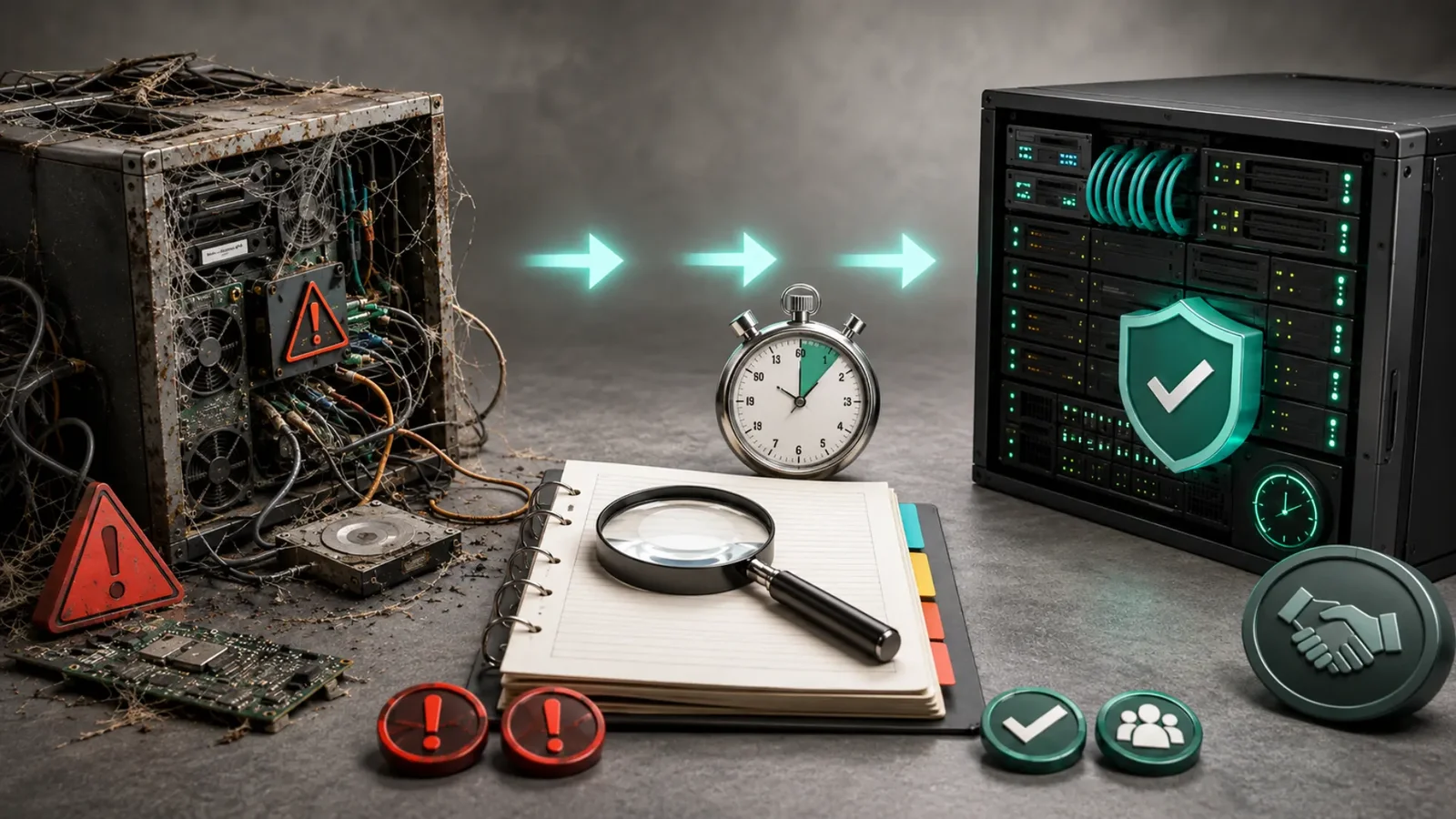
The build shipped and the questions started: who fixes what, how fast, and what happens at 2am. Support and maintenance puts a named response time in the agreement and the on-call path in writing. The audit reads the system before the SLA is signed.
The Team That Built It Has Moved On
The product works and nobody currently employed knows why. Every change is preceded by an archaeology session, and nobody wants to be the one who breaks it.
Dependencies Went Out of Support
A runtime reached end of life, a library has an open advisory, and the upgrade keeps getting deferred because there is no capacity for work that adds no features.
Incidents Land on Whoever Is Nearby
There is no rotation and no agreed response time. An outage becomes whoever noticed first, and the same person keeps noticing.
Small Fixes Wait for a Release Cycle
A typo, a broken export, a rule that changed. Each one is minor and none of them justifies a project, so they queue for months in plain sight.
The Product Is Stable and the Team Is Needed Elsewhere
Keeping engineers on a system that mostly works is expensive, and moving them off it leaves nobody who can answer when it stops working.
How We Take Over a Product
From a takeover audit to a maintained system with an agreed response time, with knowledge captured on the way in. This is how application maintenance and support starts at Hygge.
Takeover Audit
Two to three weeks on the code, the infrastructure, and the incident history, ending in a scope, a response commitment, and a monthly price.
Capture What Is Missing
Runbooks, architecture notes, and access paths written down during handover, because the first incident is a poor moment to discover a gap. Software support and maintenance begins with that record.
Stabilise First
Known advisories, out-of-support dependencies, and monitoring gaps get closed before anything else, so the baseline is defensible.
Run the Rotation
A named contact, an agreed response time per severity, and a monthly report showing what happened and what was fixed. Software support services stand or fall on that rotation.
Plan the Upgrades
End-of-life dates tracked on a calendar you can see, so a platform migration is scheduled work with a budget attached.
What Changes Once Someone Owns It
A problem reaches somebody who knows the codebase, inside a response time you agreed. Dependencies, security patches and small improvements keep moving, so the product stops ageing quietly after launch. Legacy software support is the work most vendors quietly stop doing. Hygge takes on systems built by somebody else, documents what is there, and keeps them running while a replacement is planned at a pace the business can pay for.
The Standards Support & Maintenance Is Held To
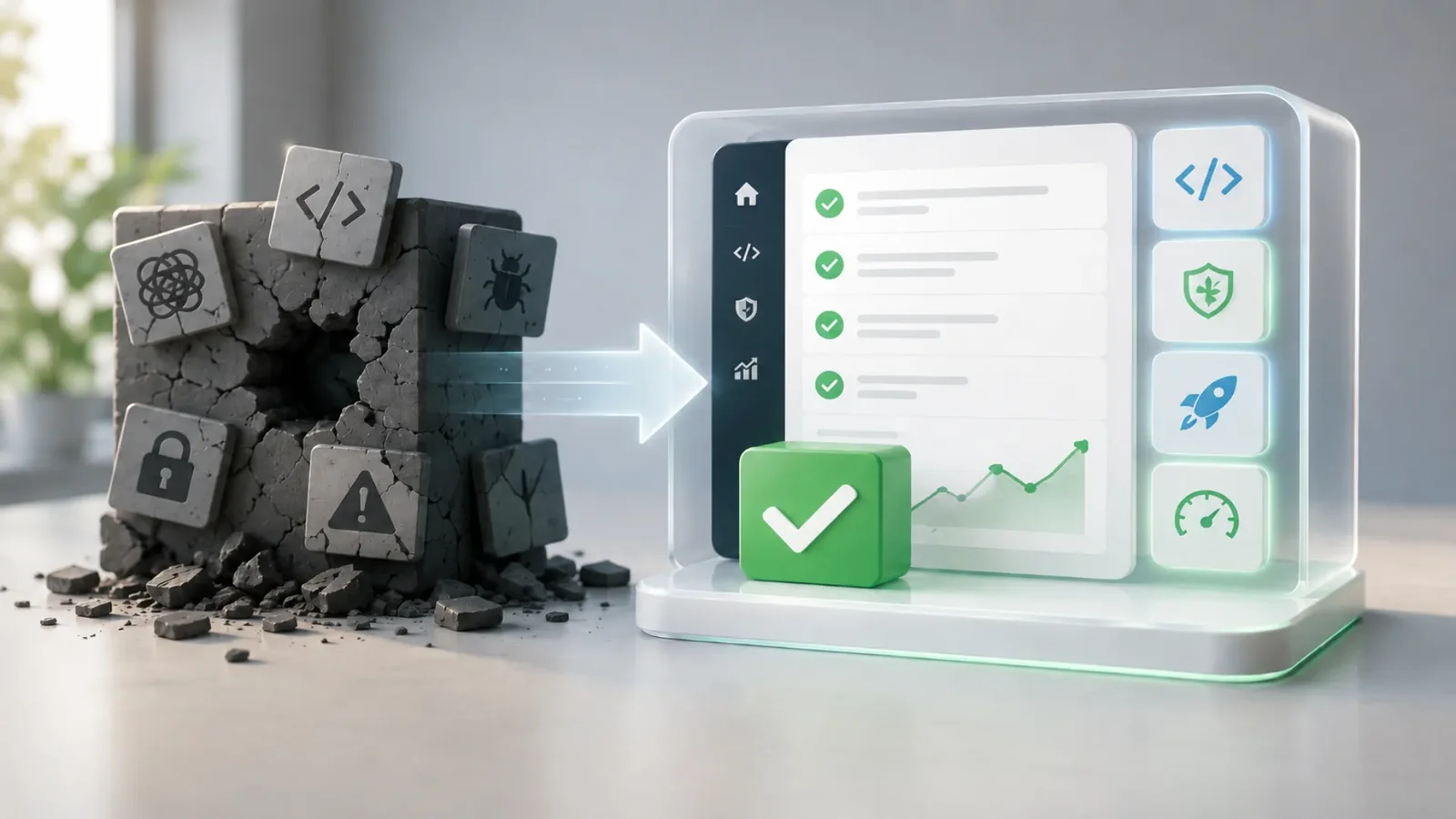
What Hygge commits to on this service, and how each commitment is measured.
Where Software Has to Keep Running Without You
Sectors where an outage is measured in stopped operations.

Logistics & Warehouse Automation
Floor systems supported around the clock, because a warehouse does not wait for business hours.
Retail & E-Commerce
Storefronts kept live through the trading calendar, with the peak season covered by an agreed response time.
Healthcare & Staffing
Clinical and staffing systems maintained under health data rules, with patching on a schedule auditors accept.

Media & Entertainment
Broadcast and delivery pipelines supported against publishing deadlines that do not move.
Real Estate & PropTech
Agency platforms kept current as portal feeds and document formats change underneath them.
Sales & Marketing Technology
Revenue tooling maintained through every CRM release that breaks an integration.

EdTech
Learning platforms supported through the academic year, with the heaviest cover during exams.

Aviation
Operations software maintained against certification records and regulator format changes.
Products Hygge Keeps Running
Application maintenance services on systems built by Hygge and by other teams.
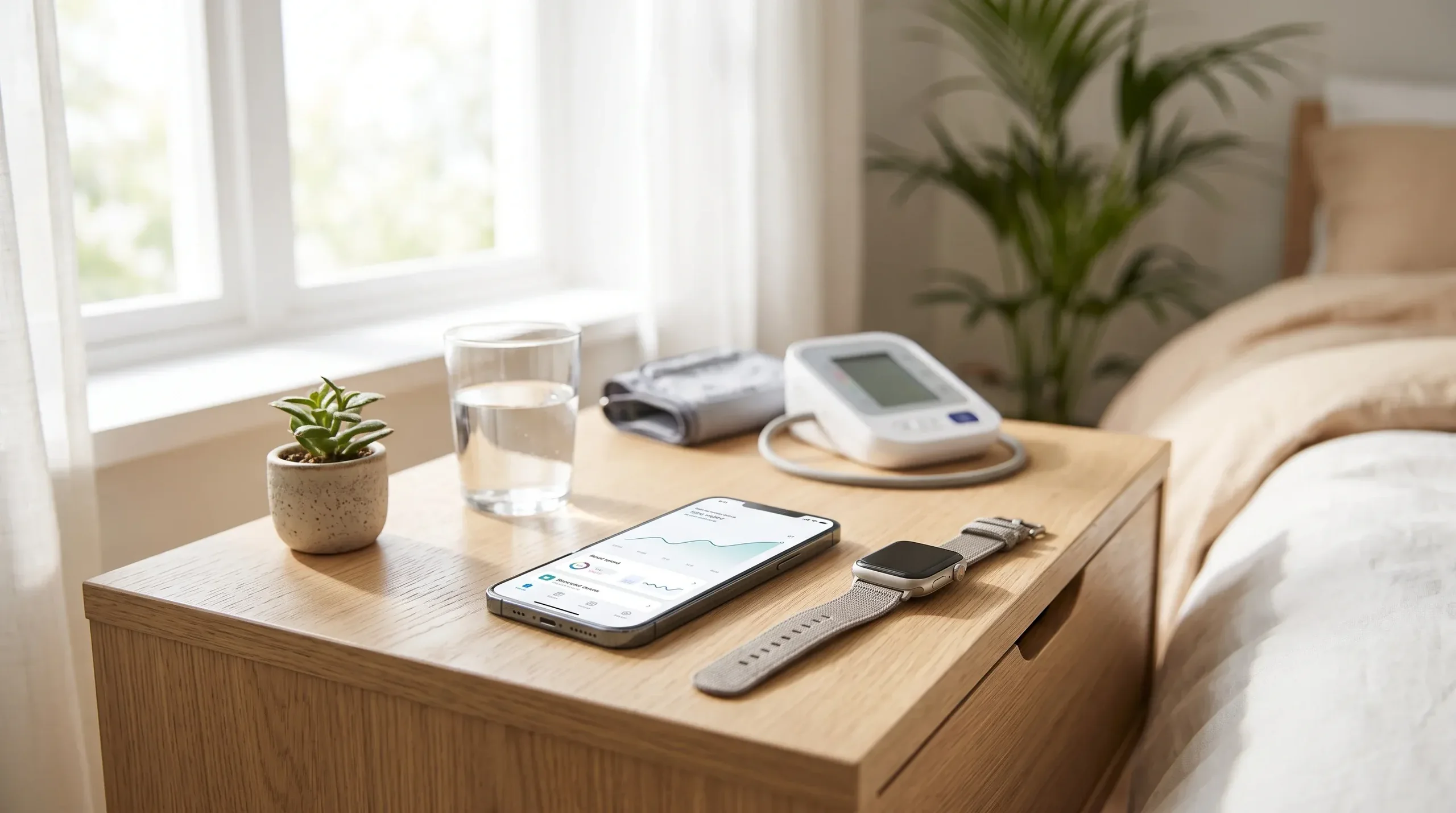
Health Data App Rescue
An app rescue: a health app that would not launch was fixed and put on AWS. It reached both stores in two months, in time for the investor demo.
- 2 monthsFrom Failed Build to Production
- 2 storesApproved and Live
- Original budgetKept Throughout
- OngoingSupport After Handover
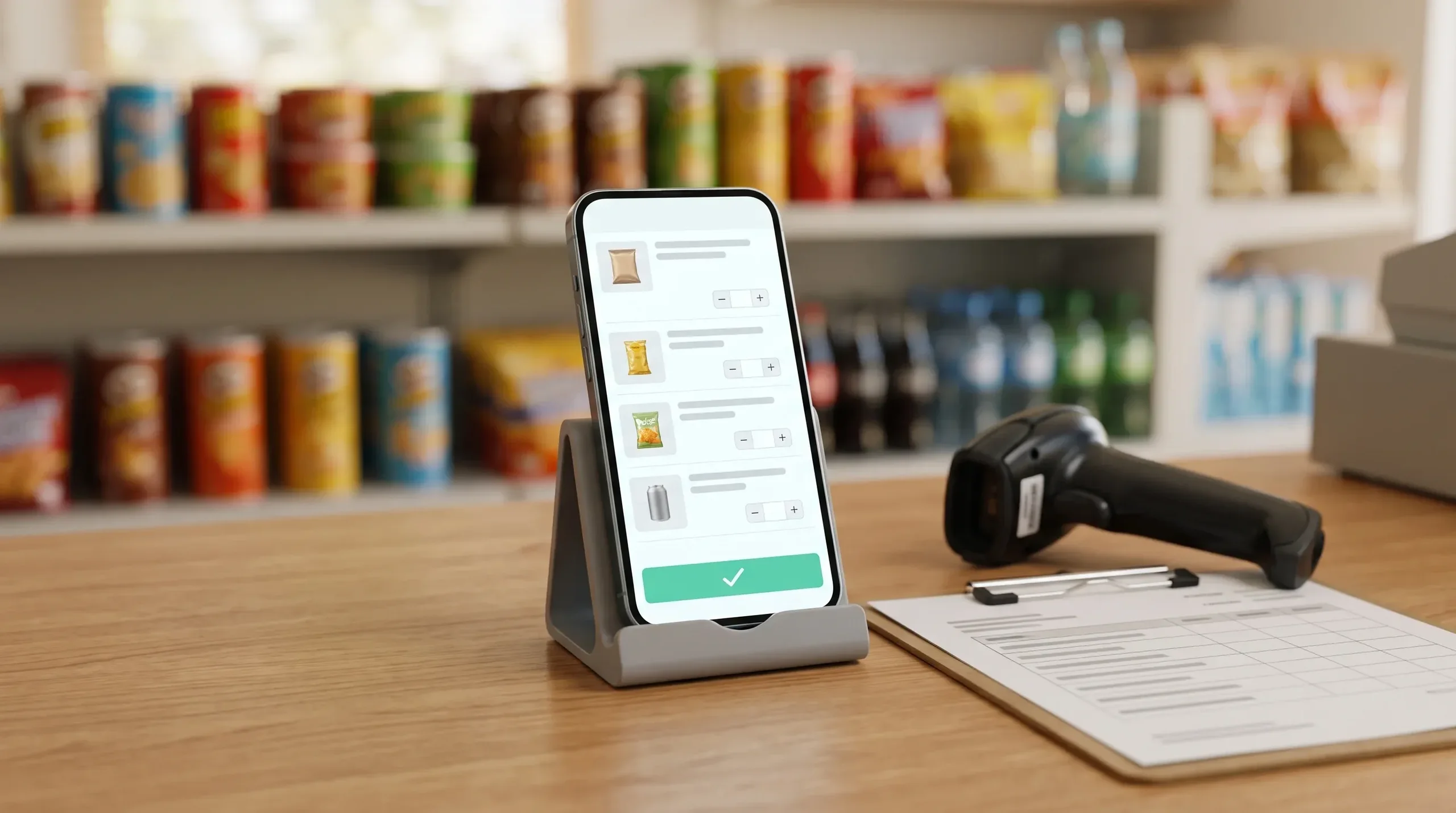
Petrey
A React Native ordering app and Laravel back end for a wholesale firm founded in 1898, built to stay fixable for years.
- YearsIn Production Since Delivery
- < 1 hourTo Fix a Server Crash
- 1 codebaseFor iOS and Android
- PositiveClient Relationship
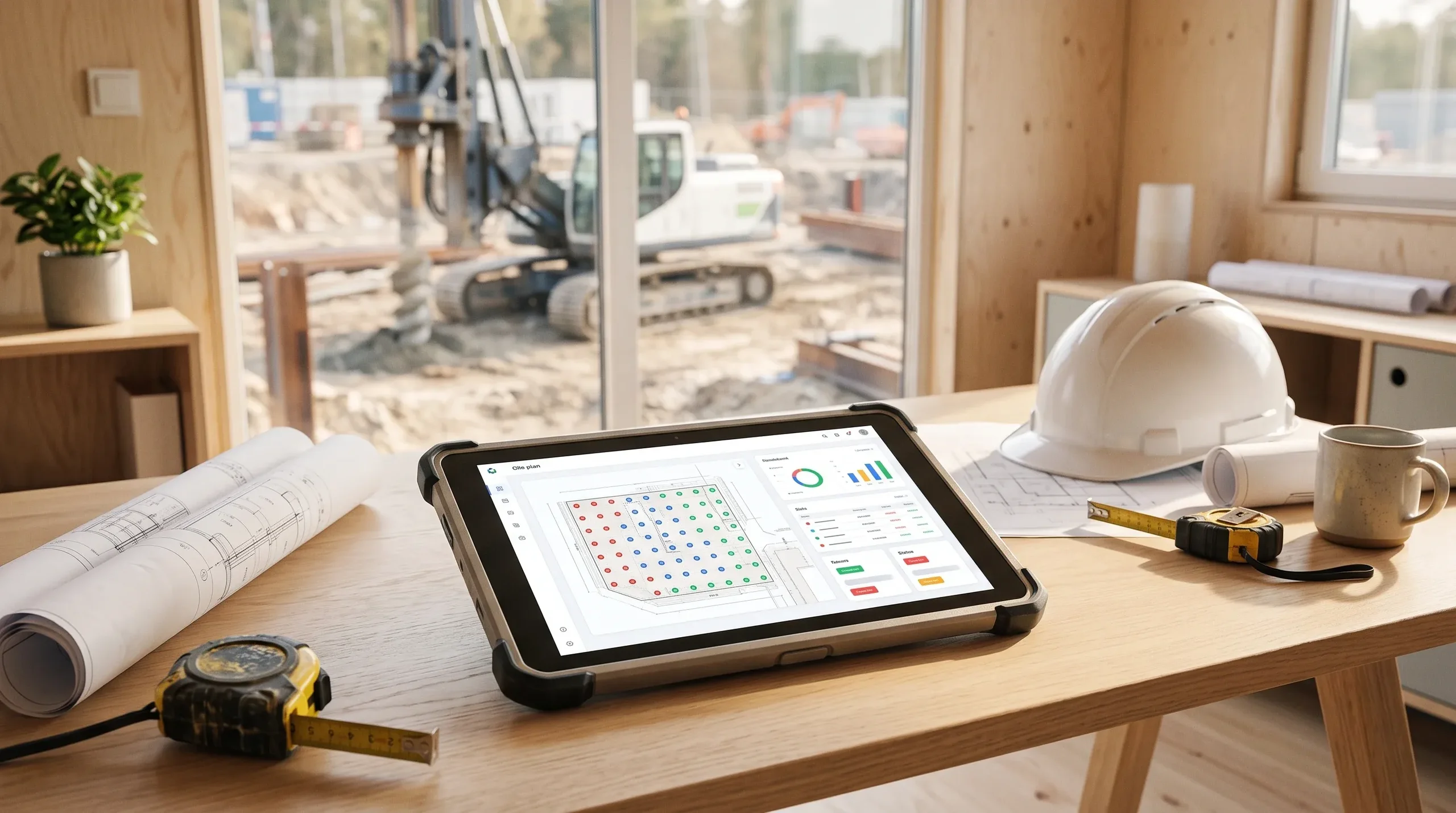
Drilling Management Platform
Drilling management software for a Swedish company: an office web platform and a synced field app that share one record per pile.
- 477Delivery Items Since November 2024
- ~5 peopleOne Team From PM to QA
- 1 recordPer Pile, Shared by Field and Office
- OngoingSupport and New Features
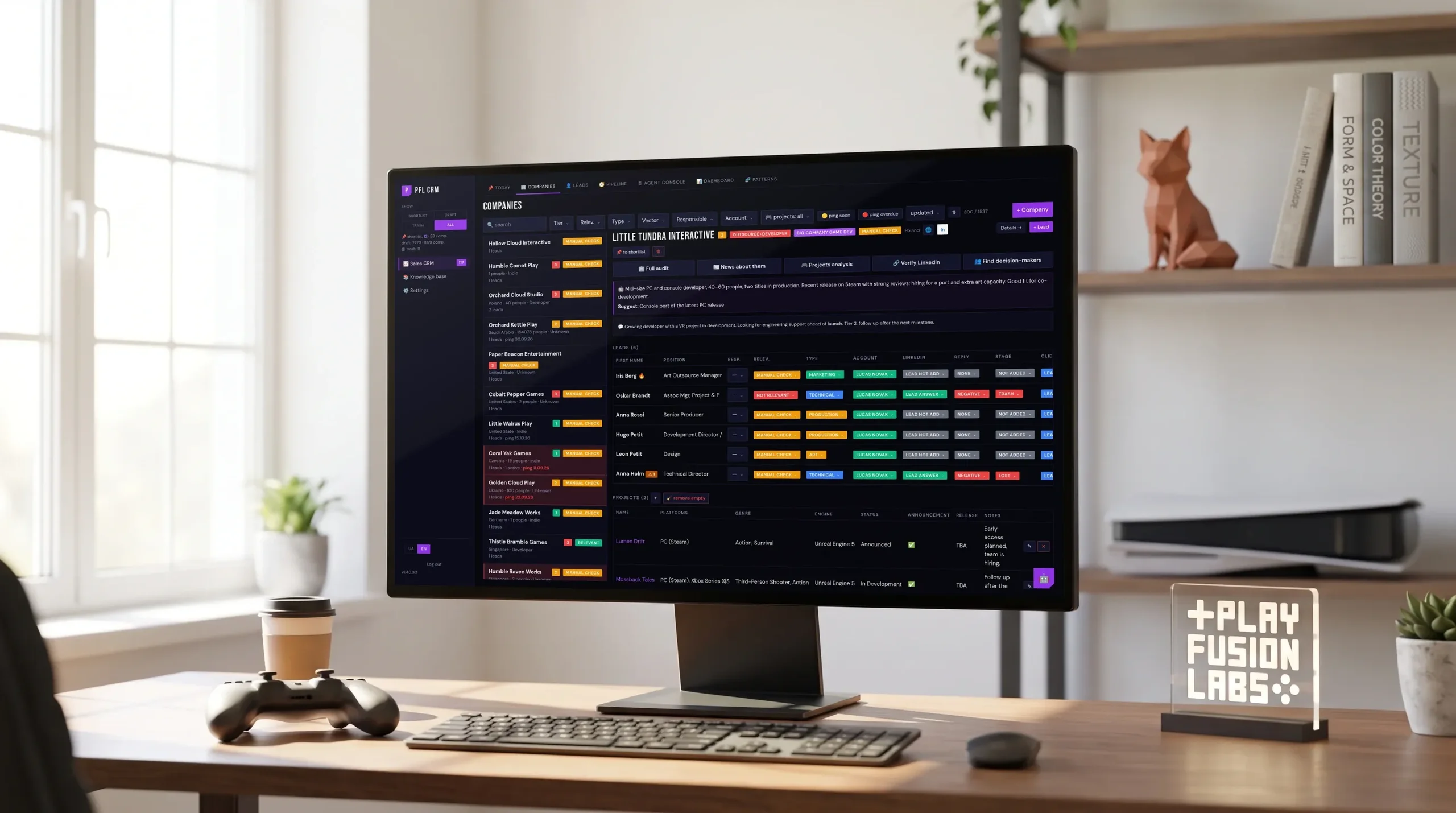
PlayFusionLabs CRM
Custom CRM development for a game studio. An agent researches companies, Today lists who to ping, and finance sits in one database.
- ~2 monthsFrom first call to daily use
- 150+Releases since launch
- 1 databaseFor sales, projects and finance
- $0In per-seat licences
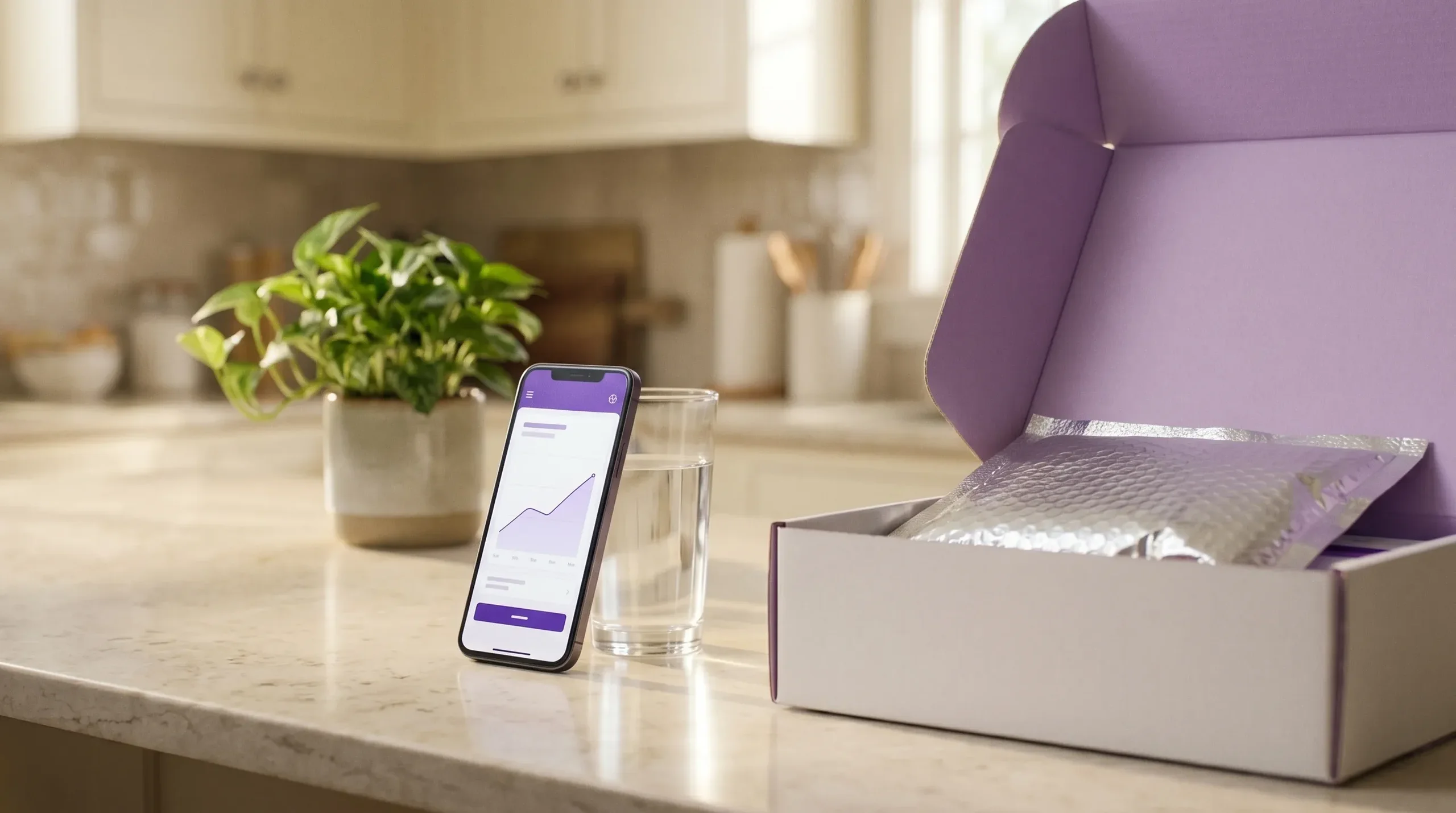
Healthcare Platform
A live telehealth platform where patients meet doctors and get drugs shipped. The team behind it grew with it.
- LiveSupported a product already used by patients
- Two CRMsZoho customized, Salesforce implemented
- One teamFrom a single developer to a full delivery team
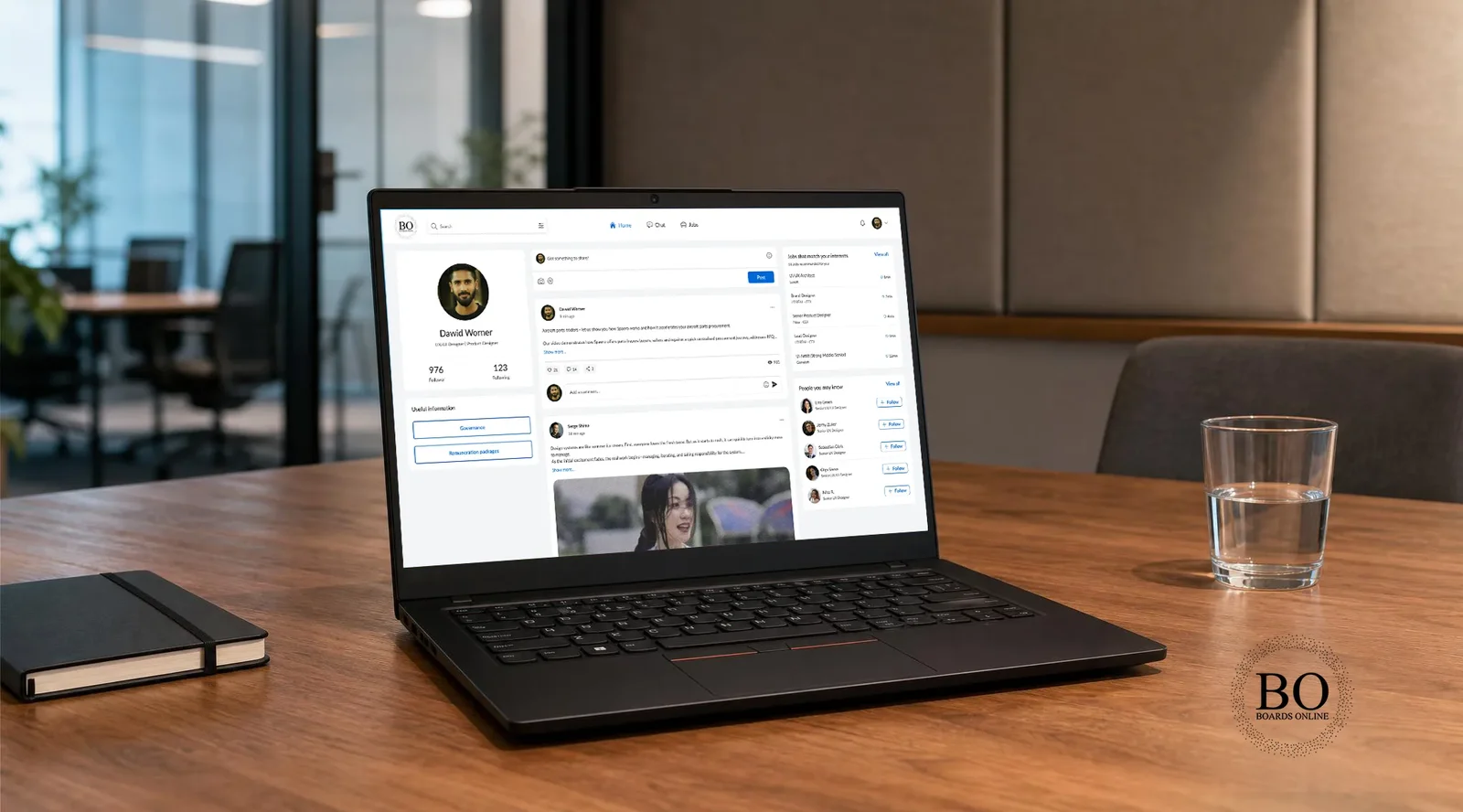
BoardsOnline
A founder paid for a platform reported as done. Engineers checked every feature, and the rebuild started from what worked.
- 3 verdictsFor every feature reported as done
- 6 monthsFrom the audit to a tested, live platform
- 1+ yearOf support after the contract ended
What You Get From the Takeover Audit
The state of the codebase and its dependencies, what is already out of support, the failures likely to repeat, a response time per severity the team can meet, and a monthly price. Software support and maintenance scoped from your own incident history.
What Software Support Services Cover
Systems Hygge built and systems that arrived from somewhere else, covered by the same application maintenance services scope.
The server-side languages Hygge picks up and maintains, including inherited systems with no documentation and no original team left.
 Node.js
 Python
 Java
Java.webp?v=2026-09-29T09%3A19%3A03.736Z) .NET (C#)
.NET (C#).webp?v=2026-09-29T09%3A19%3A00.918Z) PHP (Laravel)
PHP (Laravel) Go
Go
Frequently Asked Questions
What product owners ask before handing over software maintenance services.
 What is software maintenance?
What are the 4 types of software maintenance?
What does software maintenance include?
Why does software need maintenance?
What is maintenance in software engineering?
What does a maintenance project cover?
Can you maintain software you did not build?
How fast do you respond to incidents?
What about security patches?
Is there a minimum commitment?
How is maintenance priced?
How do we hand over?
From a System Nobody Owns to One With a Named Contact
Tell us what the product does and who answers when it breaks today. You get a takeover audit, a response commitment, and a monthly price, the way every application maintenance and support project at Hygge begins.
Tell Us What Nobody Is Maintaining
Share the product, who built it, and what happens today when something breaks at night.
Get a First Consultation
We review your codebase, infrastructure, and response needs for anything that would change scope, cost, or timeline.
Receive a Detailed Proposal
A scoped plan with the approach, timeline, and cost, built around your actual support needs.