
A Marketplace Development Company That Builds the Mechanism
Listings and profiles are the easy half. Whether the market is fair, whether money settles correctly and whether both sides come back is decided by the mechanism in the middle.
What Marketplace App Development Solves
What every marketplace runs into on the way to liquidity. Sellers arrive before buyers or buyers before sellers, listings go stale, trust gets assumed, and payouts turn into manual work. Custom marketplace development starts by picking which side gets solved first.
One Side Has All the Advantage
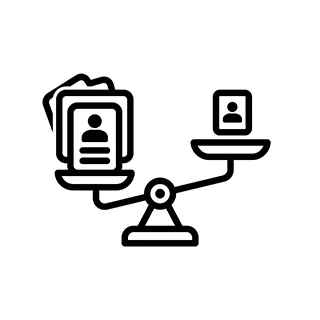
Incumbents win on recognition, and new supply never gets a first chance.
- Sealed or anonymous bidding where fairness is the product
- Ranking on structured attributes
- Transparent rules published to both sides
- Matching that gives new supply measurable visibility
Manual Reconciliation
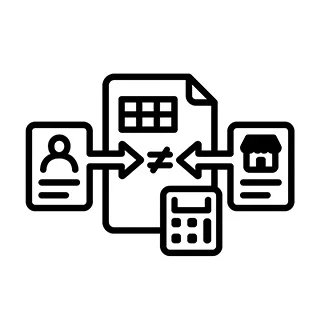
Cross-party transactions get settled by someone with a spreadsheet, which stops working at volume.
- Automated payouts on a fixed cycle
- Platform fees and partner rates calculated server-side
- Corrective handling when historical records are wrong
- Statements both sides can check themselves
Trust Gaps
Neither side knows whether the other is real, and one bad transaction poisons the market.
- Identity verification gated before participation
- Moderation on listings and content
- Dispute paths defined before launch
- Audit trail on every transaction
Rules That Can Be Gamed
Limits enforced in the interface get worked around within a week.
- Rules enforced server-side where they cannot be bypassed
- Anti-abuse checks on usage patterns
- Rate limits and eligibility computed on the backend
- Admin tooling to correct and audit
What Makes Multi Vendor Marketplace Development Hard
Two-sided products fail asymmetrically: supply leaves when demand is thin, demand leaves when quality drops. Everything technical serves keeping both sides in the room, which is why the mechanism gets built before the interface.

Where B2B Marketplace Development Applies
Sectors where this comes up most often, and where Hygge has shipped it. What changes between them is what is being traded: inventory, capacity, services, rights. B2B marketplace development adds contract terms and net payment on top of the same core.

Retail & E-Commerce
Recommendation engines, retail media platforms and the billing accuracy that decides whether store partners stay.

Healthcare & Staffing
Marketplaces and workflow tools for care organizations, where the mechanism in the middle decides whether the market is fair.

Real Estate & PropTech
Listing platforms, live auction bidding and computer vision that scores construction progress from site photos.

Media & Entertainment
Marketplaces, real-time video and collectibles platforms built for audiences who will leave at the first confusing screen.
Fitness & Wellness
Membership marketplaces where the software has to open a real door, using hardware the venue already installed.
The Stack Behind Marketplace App Development
A marketplace has to be worth using for both sides before either one shows up, so this stack is chosen around trust: verified identity, money that arrives, and a record of what was agreed. Capacity is planned for the busy side of the market first.
What both sides of the market work in. A seller lists in minutes and a buyer completes a purchase without an account they have to think about, because a marketplace loses whichever side finds it harder. Both interfaces read from one record, so a change on one side shows on the other immediately.
 Next.js
 React
React React Native
 TypeScript
 Angular
 TailwindCSS
Marketplace App Development Track Record
Company numbers across every project, from the first audit through the years a system stays in service. Marketplace software development is judged on liquidity, which shows up months after launch. The audit at the start is what makes the delivery date and the price hold.
How Marketplace Software Development Runs
Mechanism, then market, then money. Multi vendor marketplace development builds matching and listing quality before onboarding volume, because a thin market shows every flaw. Payouts and disputes land once trades are happening.
Mechanism Design
2-3 weeksTwo to three weeks defining how matching, bidding or allocation works, what the rules are and how they stay fair. Everything downstream depends on this.
Core Marketplace
4-6 weeksRole-specific onboarding, listings, search and the transaction flow, built around the mechanism.
Payments and Payouts
2-3 weeksCollection on one side, automated settlement on the other, with statements and correction tooling.
Trust and Launch
2-3 weeksIdentity verification, moderation, admin tooling, then release with the metrics that show whether both sides are staying.
Related Marketplace App Development Work
Projects where this problem showed up and what got built for it. Each started with two sides that needed a reason to meet in one place. What you see is the mechanism that made them trade and the numbers that moved.
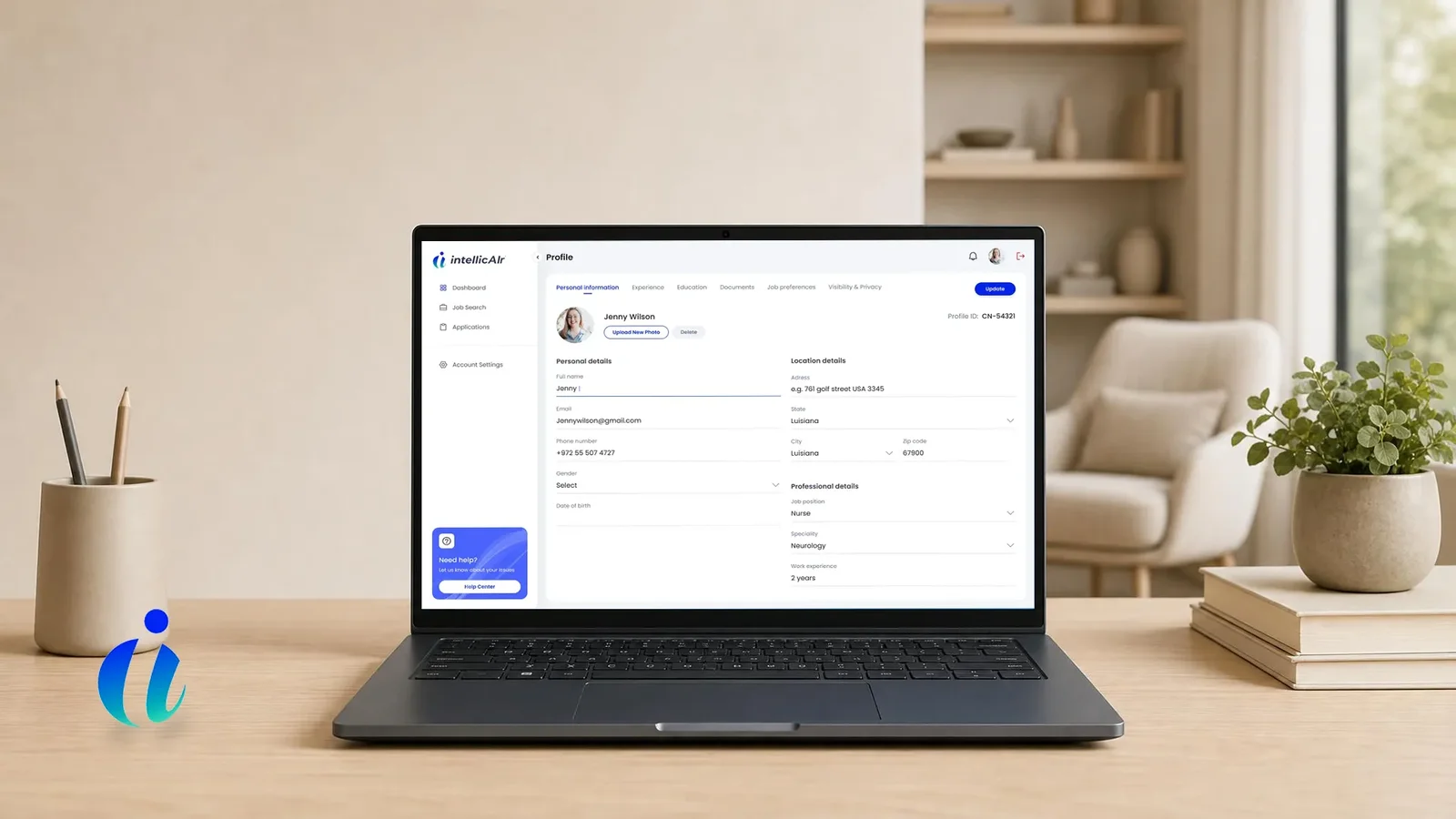
IntellicAIr
A nurse staffing marketplace built around a sealed bidding engine written from scratch. Bids stay hidden until the round closes.
- 1 roundFor a post that waits 78 days to fill
- No nameOn a bid that used to hide a 40 % cut
- 1 inviteBrings a facility's own agencies onboard

Crowdflix
A blockchain marketplace for movie moments, built so a fan who has never touched crypto can buy one without meeting the chain.
- Plain wordsOn every wallet prompt a fan meets
- ~4.5 monthsFrom kickoff to contracts on mainnet
- Pre-launchAn IP risk caught before anything went public
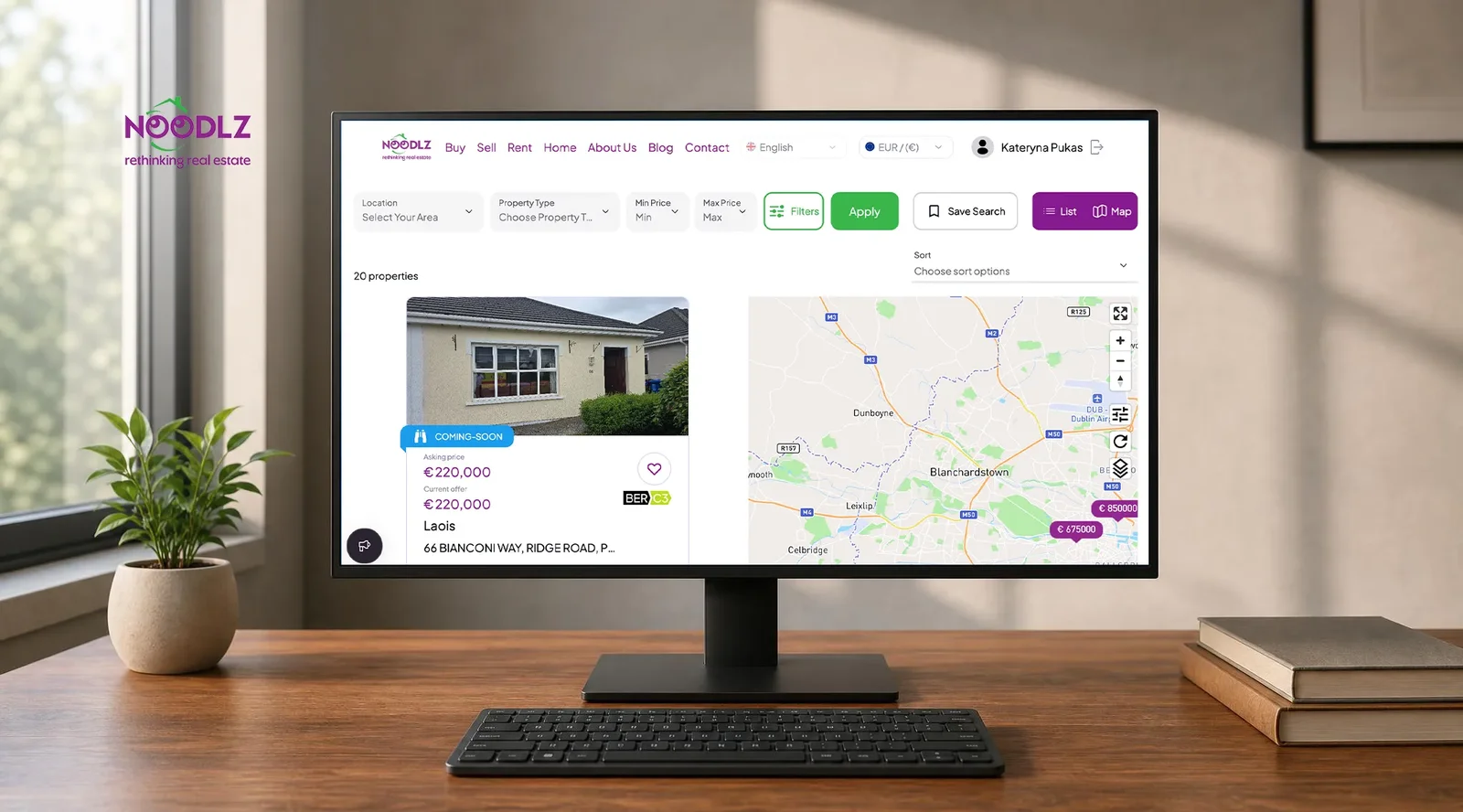
NOODLZ
Live auction software for an Irish agency network. Auctions moved off phone calls into one platform with verified bidders and a document vault.
- 1 platformReplaces auctions run outside any system
- 1 vaultReplaces contracts moving between inboxes
- 2+ yearsOf continuous delivery since 2024
Marketplace Development Company: Frequently Asked Questions
Which side gets built first in custom marketplace development, how a market stays fair to new sellers, how payouts and escrow settle, and how long a first version takes. The answers below come from marketplaces already trading, so the ranges are ones Hygge has hit.
 What is an online marketplace?
How to develop a marketplace website?
How to build a successful marketplace business?
What features should an online marketplace have?
What is a multi-vendor marketplace?
How to launch a marketplace?
What should be built first in a marketplace?
How do you keep a market fair to new participants?
How are payouts handled?
How long does a marketplace MVP take?
From Scattered Sources to One Reliable Layer
Tell us what systems you run and what question you cannot answer today. You get a source inventory, a scope, and a price.

Tell Us What's Running Unmonitored
Share the models, the stack, and where deployment or monitoring is still manual, whatever's costing your team time right now.

Get a First Consultation
We map your current models and infrastructure for anything that would change scope, cost, or timeline.

Receive a Detailed Proposal
A scoped plan with the approach, timeline, and cost, built around your actual stack.