
Web Application Development
Hygge provides web application development services for products your business runs on daily, built against real user roles and data volume before a screen gets designed. Every project moves through an audit, a build with a working demo every week, deployment into your infrastructure, and monitoring once it's live.
What Web Application Development Services Cover
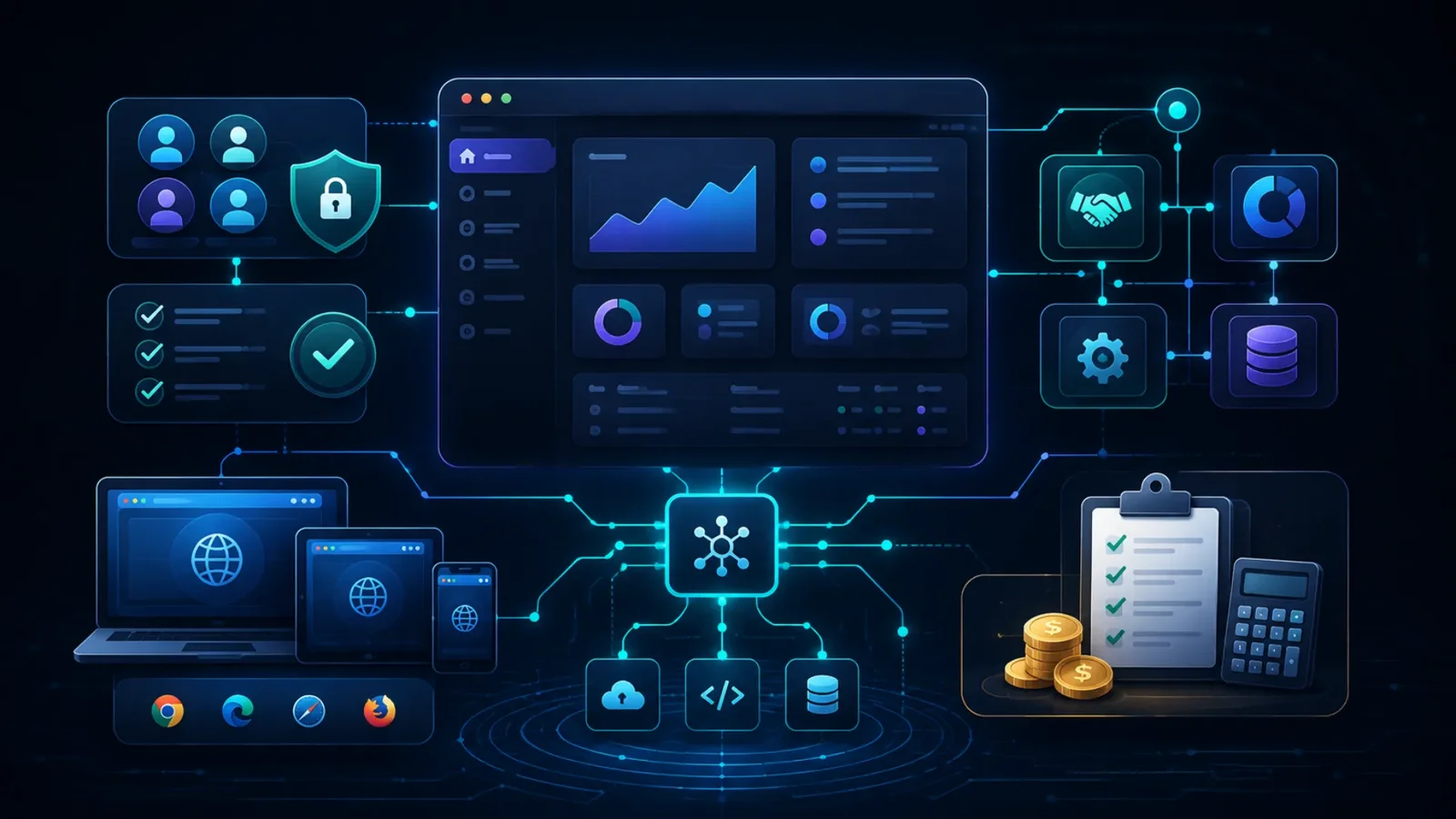
Here's what each layer of a custom web application development project covers, and how we decide which pieces your app needs after reviewing your users, data, and existing systems.
User Roles & Access Design
Who uses the application and what each role can see or do, mapped in the audit so permissions don't get bolted onto the interface later.
Frontend Interface
The screens and interactions your users work in every day, built responsive across desktop and mobile browsers from the first component.
Backend & Business Logic
The server-side layer that enforces the rules your business runs on, from approval workflows to calculations that have to match your existing numbers exactly.
Database & Data Architecture
The schema and storage layer sized for your real data volume, designed so queries stay fast as records and users grow well past launch scale.
Integrations With Your Existing Systems
Connections into the CRM, ERP, or internal tools your team already runs, built through the APIs those systems expose so data stays in sync.
Deployment & Monitoring
The application goes live on infrastructure sized for your user base, with performance and error monitoring in place so an issue gets caught before it reaches a user.
What Gets Decided Before Web Application Development Starts
The concrete choices behind the build, settled with you during the audit, before Hygge commits to scope or price.
Settled During the Audit:
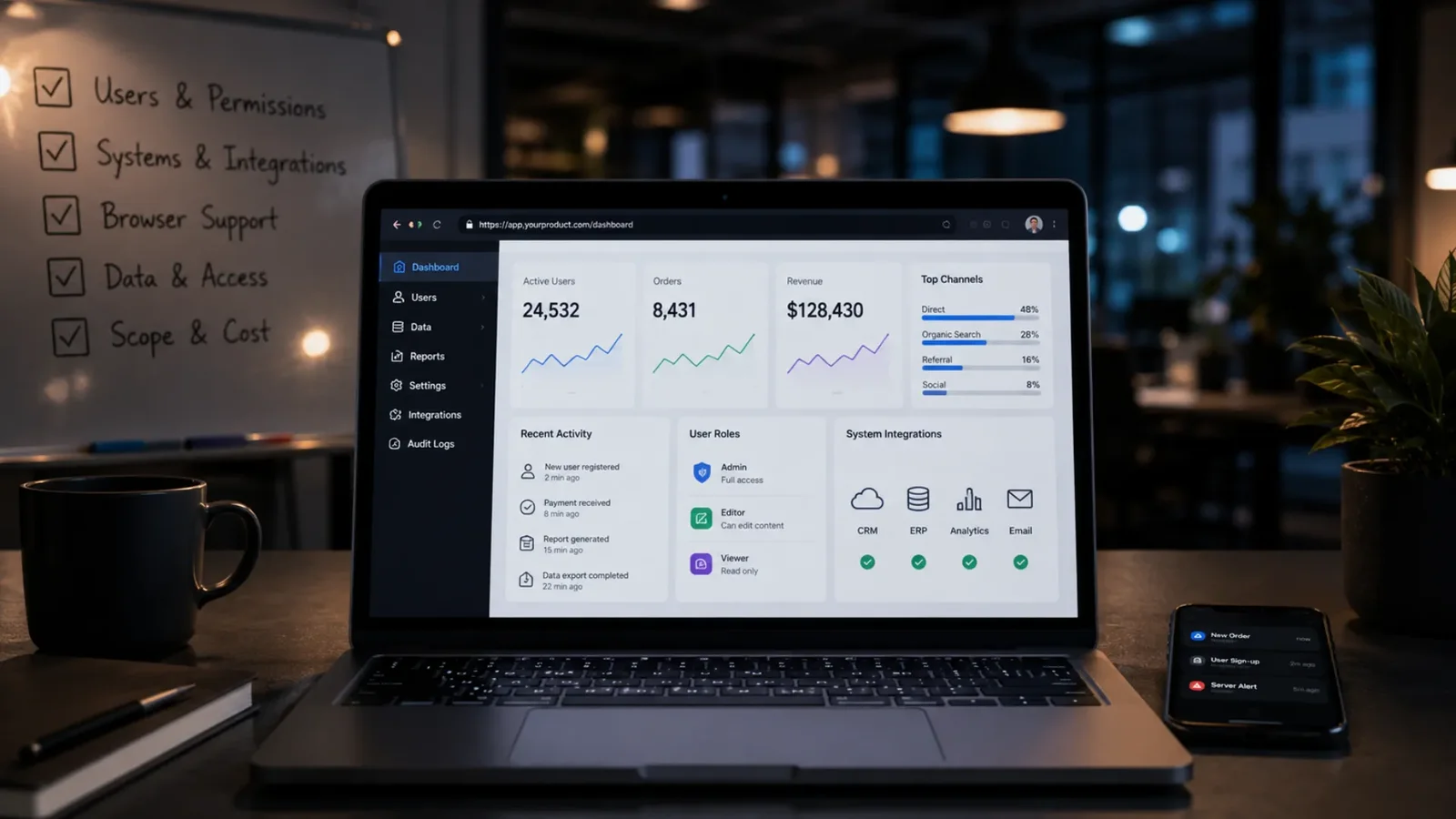
- User roles and permissions, who can see, edit, or approve each piece of data in the application
- The systems it has to connect to, your CRM, ERP, and internal tools, mapped in the audit
- Browser and device support, which environments the interface has to work correctly in
- Integration scope, which existing systems the application connects to and how
- Cost and scope agreed, a fixed number for the build, set after the audit defines your users and data
What Pushes a Team to Build a Web Application
A process spread across spreadsheets and email threads, a browser-based tool customers or employees need to reach from any device without an install, the costs a web app development company audit puts a number on before we recommend a build.
A process outgrows spreadsheets, and everyone needs it from any device. Web application development gives it one place to live, reachable from a browser with no install. The audit checks the traffic it has to hold and the systems it has to talk to.
A Process That Outgrew Spreadsheets and Email
Data lives across files and inboxes, so nobody has one accurate view of it, and every handoff between people introduces a version somebody has to reconcile by hand.
Users Need Access From Any Device, Without an Install
A desktop tool or internal script can't reach the people who need it from a browser on any device, and a native app is more than the use case calls for.
A Prototype That Buckles Under Real Traffic
An internal build handles a walkthrough with a handful of test accounts cleanly, and everyone assumes it'll hold at real usage too. Then concurrent users slow the database down or a role's permissions weren't tested past the obvious case, and that gap between a clean demo and an application real users depend on is where most internal builds stall.
Unclear Return on Investment
The budget for a web application gets approved without a number attached to the hours saved or the errors it should eliminate, and the project stalls at the first budget review with no baseline to point to.
How Web Application Development Services Run
From your users and data to an application running in production. Every web application development company project at Hygge follows the same path, with a working demo at the end of each step.
Audit
We review your users, data volume, and the systems the application has to connect to. That review sets the architecture the build has to support before design starts.
Architecture
We lock in the data model, user roles, and integration points chosen during the audit, and map how the application scales past launch traffic.
Build
The application gets built against your actual data and user roles from week one, so every weekly demo is something your team could log into.
Deploy
The application goes live on infrastructure sized for your user base, rolled out in stages so it holds up under real traffic.
Support
Hygge stays on after launch to monitor performance and handle fixes and new features as usage grows.
What a Web Application Changes in How Your Team Works
The spreadsheet and the email thread become one system, with a history of who changed what and when. People open it from any device with nothing to install, and releases go out with no downtime from the first one. Enterprise web application development brings its own constraints: single sign-on against a directory the company already runs, an audit trail that survives a review, and a release process that never takes the tool offline in working hours. Progressive web app development covers the other end, where the product has to work on a phone, offline, without a store submission.
The Standards Web Application Development Is Held To
These are the targets the work is built to hit, measured on your own numbers.
Where Enterprise Web Application Development Runs the Business
Sectors where the browser is the operating surface, and downtime stops the work.
Logistics & Warehouse Automation
Operator consoles for warehouse floors, where a screen refresh that lags by seconds stalls a picking line.

Real Estate & PropTech
Listing management, auction bidding and document vaults that agencies run in the browser all day.

Retail & E-Commerce
Catalog, order and fulfillment tooling behind a storefront, sized for the week that carries the yearly peak.

LegalTech
Matter management and document review, with permission models that hold up to a client confidentiality audit.

EdTech
Learning platforms serving cohorts, with assessment and reporting that hold under an exam-week spike.

Sales & Marketing Technology
Campaign, lead and reporting interfaces sitting on top of the CRM, built for the team that lives in them.

Healthcare & Staffing
Scheduling, credentialing and compliance workflows shared between clinical staff and back-office coordinators.

Media & Entertainment
Content, rights and distribution tooling for teams pushing a catalog to many platforms at once.
Web Applications Carrying Real Load
Web application development Hygge has shipped and kept running under production traffic.

Budget Van Lines
Moving company software for a US interstate mover: each move is sized from the customer's answers, matched to a truck, assigned to a carrier and tracked.
- 2Backend Engineers Full Time
- In the platformVolume and Truck for Every Move
- Per orderCarrier Assignment
- Booking to deliveryOrder Tracking

Humanitarian Cargo Tracking Platform
Humanitarian cargo tracking for a UK carrier. Every load is on one map, and each handover lands in a ledger funders can check.
- QRCargo Acceptance on the Recipient's Phone
- LivePosition for Every Load
- 3 appsIn One Platform
- 1 ledgerFor Every Movement

Gym and Studio Management Platform
Gym management software where the member's phone carries the membership, opens the door and pays. Owners and trainers get their own sides.
- 3 rolesOn One System
- 3 jobsFor the Member's Phone
- Any venueGyms, Studios, Schools and Pools
- MVPDelivered and Handed Over

Sickstadium
An AI video clipping MVP: bring in a long video, describe the moments you want, and review ranked clips to title, score and export.
- ~2 monthsFrom First Call to Working MVP
- Multiple promptsPer Pass Over the Footage
- 60 hoursOf Independent QA on a Second Product

Idletechs
Staff augmentation for an industrial AI company. Hygge placed frontend engineers in the team behind an AI that watches inside furnaces.
- 15 monthsOf Embedded Frontend Work
- 2 product linesCovered by Hygge Engineers
- 5.0Client Rating on Clutch
- On timeWork Completed to Specification
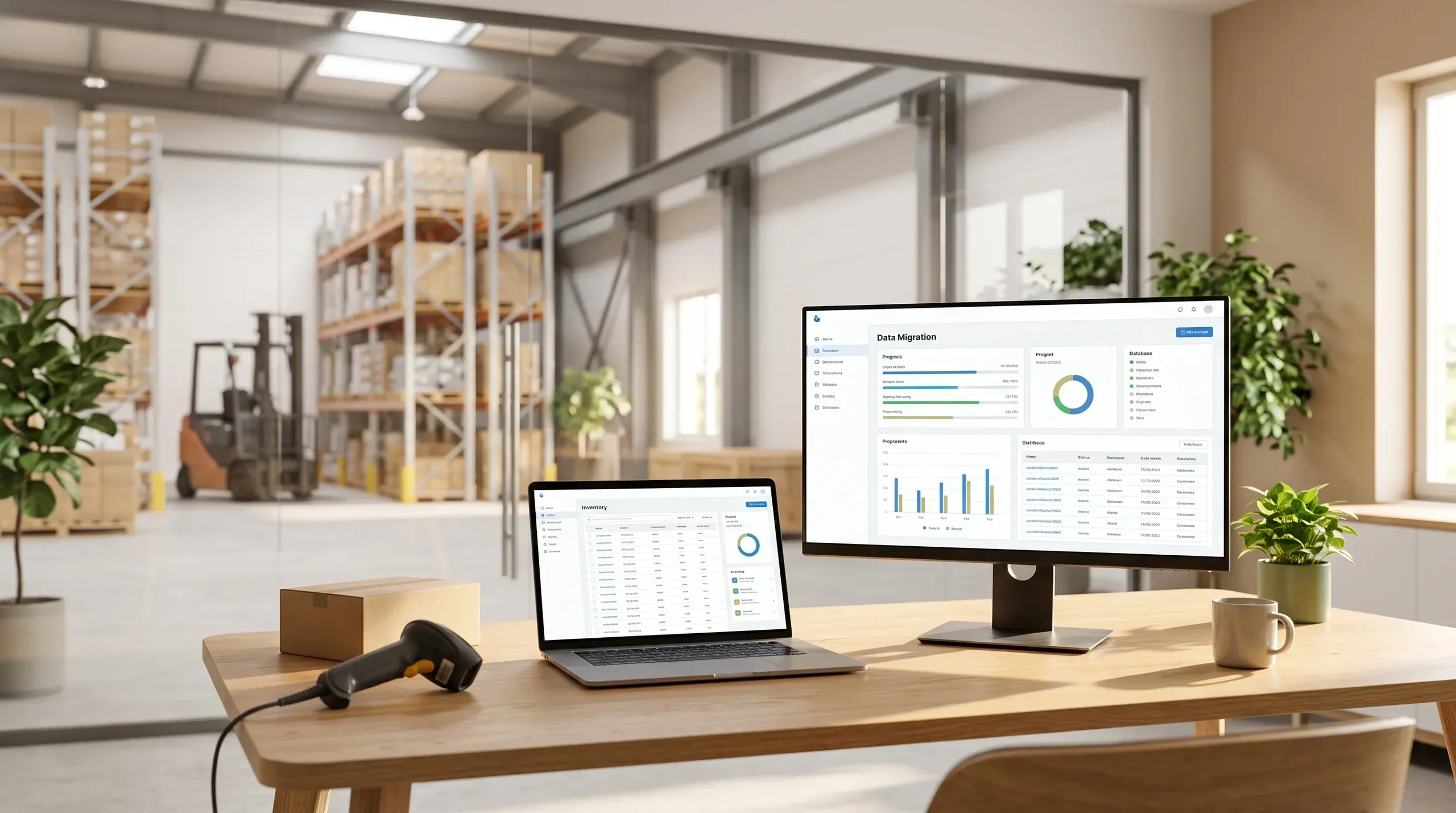
WMS Migration
This WMS migration moves a seven-year-old system off Oracle to Java and PostgreSQL in stages, so the warehouse keeps shipping.
- ≤300 msAPI Response Time
- ≤1 sPage Load on the Floor
- 3 languagesOn Handheld Scanners
- 10 rolesWith Role-Based Access
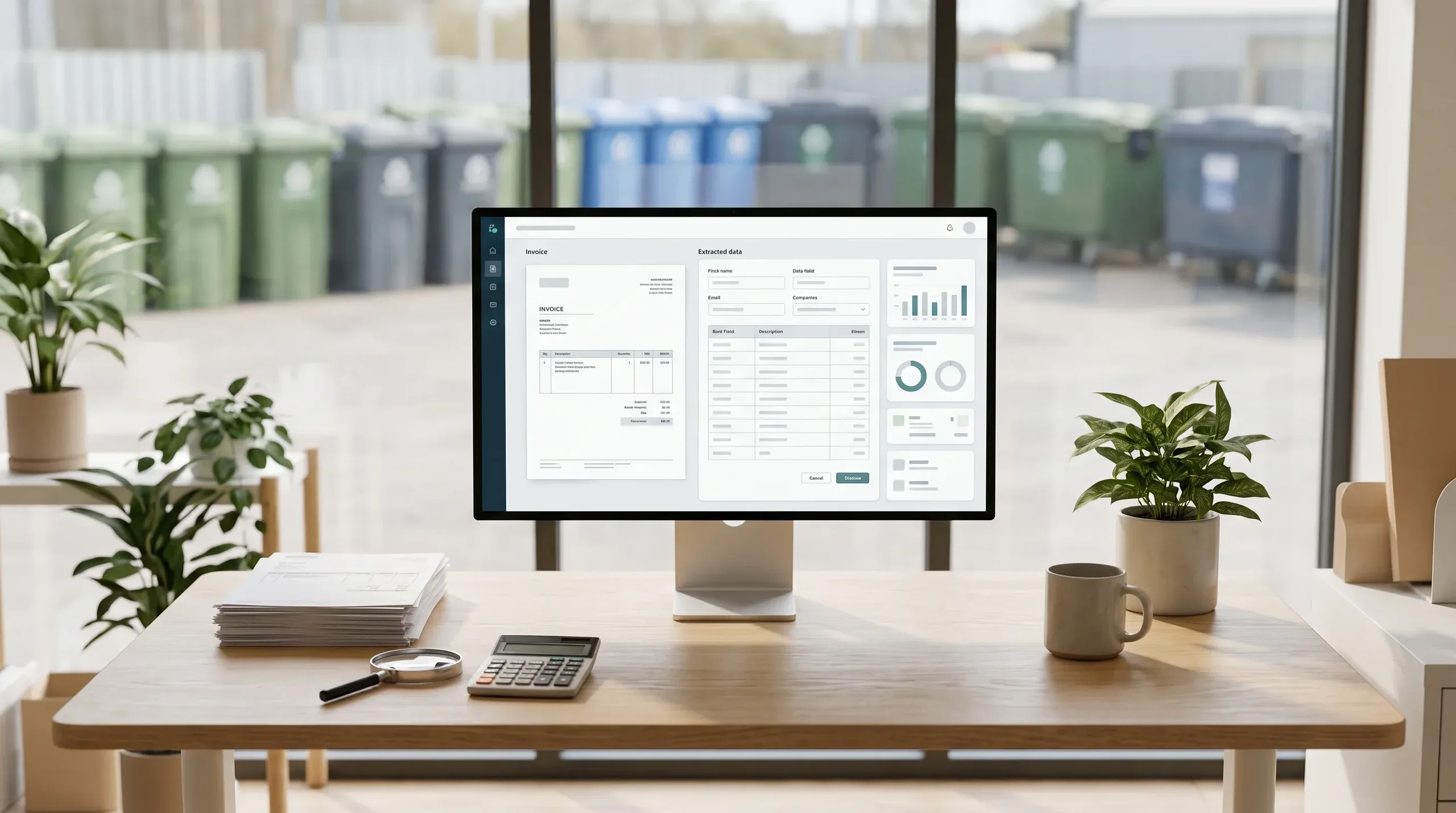
Invoice Data Extraction
Invoice data extraction for a US waste broker: hauler prices from 500 PDF invoices a month feed a price history, quick quotes and a marketplace for regular services.
- On the callWhen Sales Can Name a Price
- ExceptionsWhat People Still Review
- 12 monthsOf Invoices Read in One Run
- To the centOn the Client's Sample Invoices
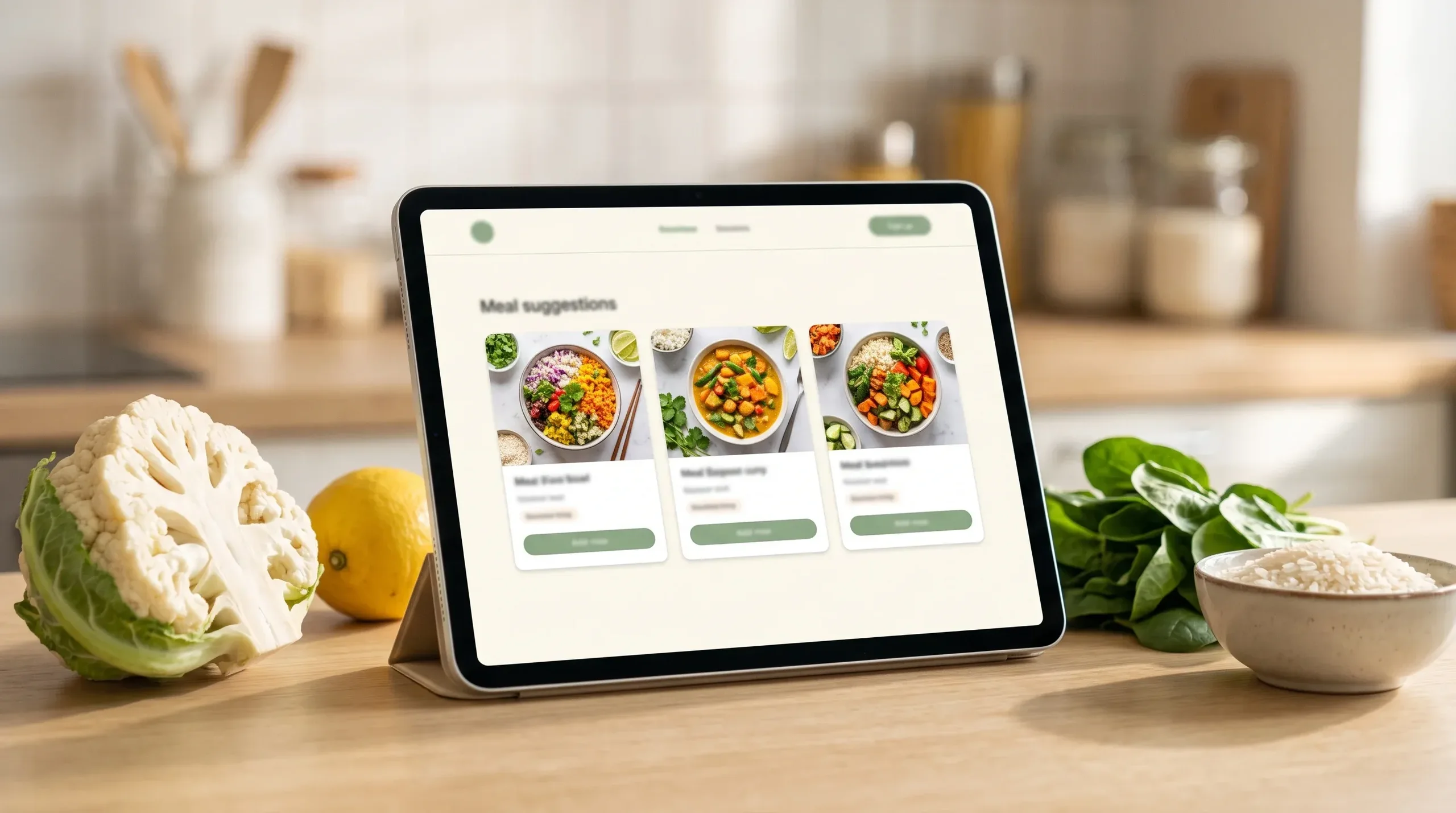
AI Meal Planning Platform
An AI meal planning platform built from scratch. It turns the ingredients someone already has into personal, ready-to-cook meals in seconds.
- SecondsFrom Ingredient List to Meal Ideas
- From scratchBuilt End to End by Hygge
- Less wasteThe Goal the Product Is Built On
Data Vizioner
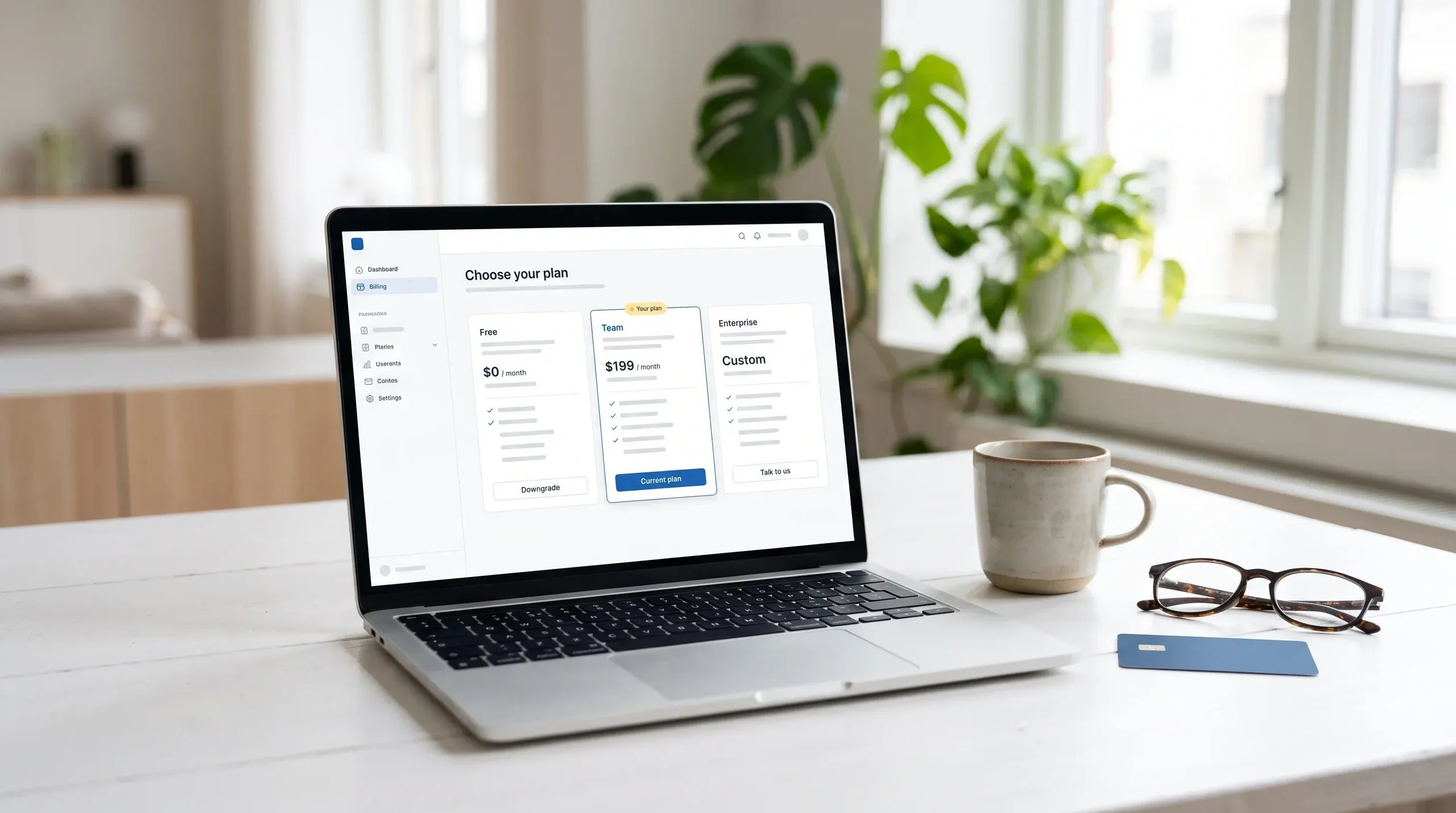
Stripe subscription management and user management for Data Vizioner, a Power BI platform. Access follows each customer's plan.
- 1 flowFor Selling, Granting and Taking Back Access
- 2 modulesSubscriptions and User Management
- Power BIStatistics Shaped for Customers
Drilling Management Platform
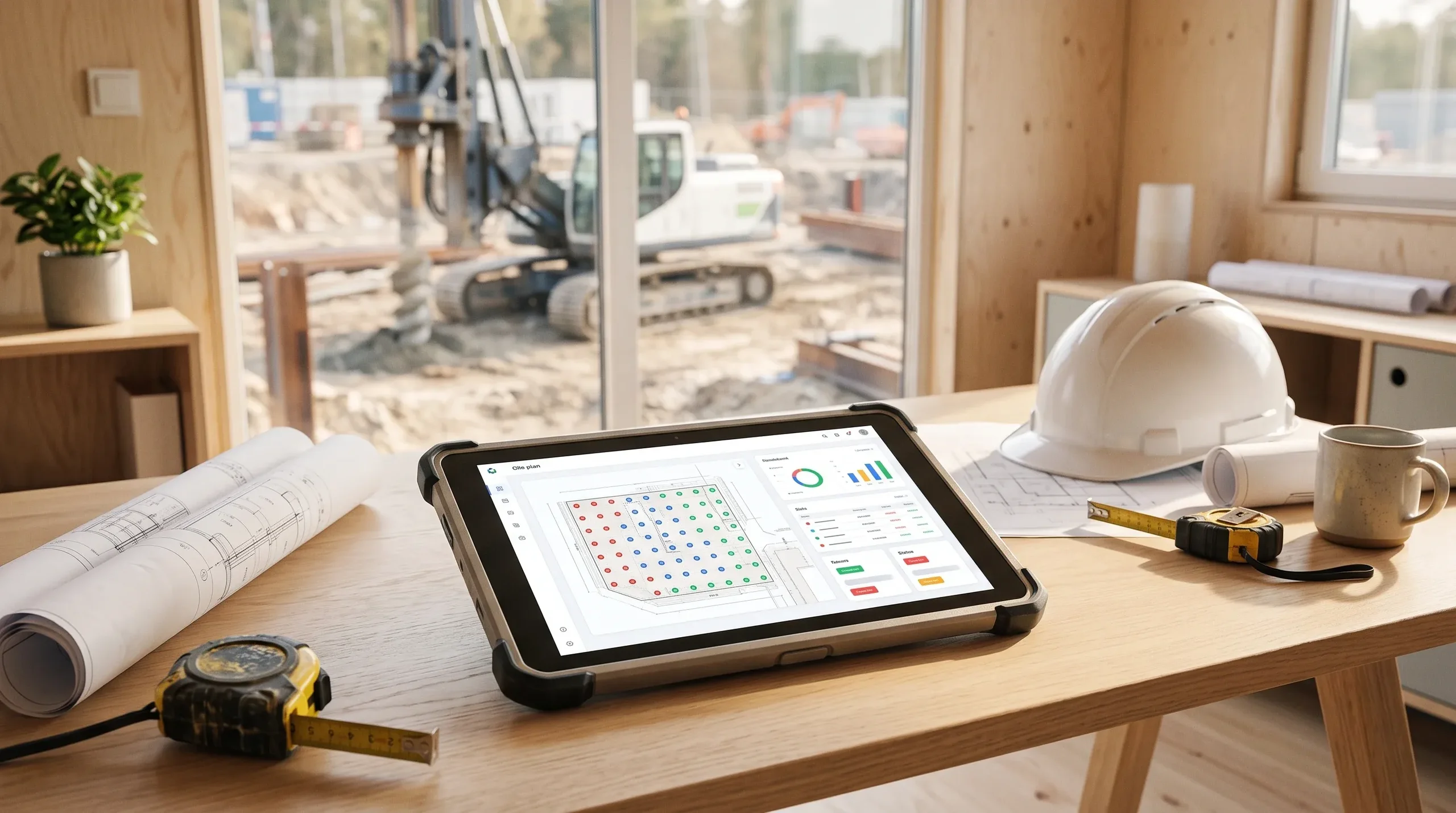
Drilling management software for a Swedish company: an office web platform and a synced field app that share one record per pile.
- 477Delivery Items Since November 2024
- ~5 peopleOne Team From PM to QA
- 1 recordPer Pile, Shared by Field and Office
- OngoingSupport and New Features

Observe
A four-month MVP for a social learning platform, built after a short paid trial. It has profiles, group spaces, payments and live browser video.
- Talent and supportBrought On Board With the MVP
- End to endA Working Product to Demonstrate
- 4 monthsFrom First Trial to a Finished MVP
- 20 hoursPaid Trial That Led to the Build
Hygge Lead Generation
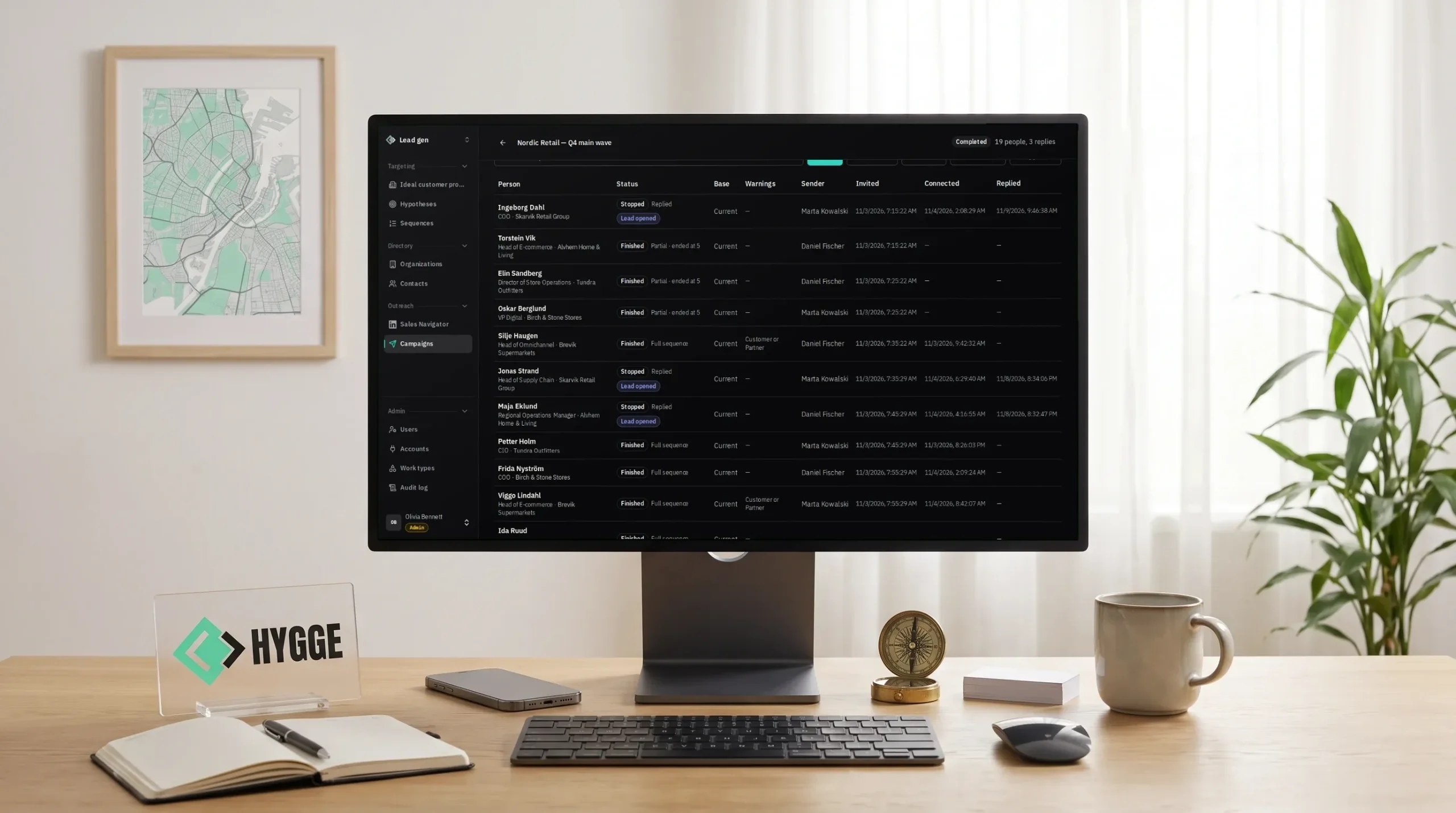
Hygge's own outbound platform, where only approved hypotheses run campaigns. Every reply traces back to the targeting behind it.
- 5 toolsReplaced by one platform
- 0Scripted messages sent after a reply
- Every leadTraced to its hypothesis
- Per accountDaily and weekly sending limits
Hygge Presale
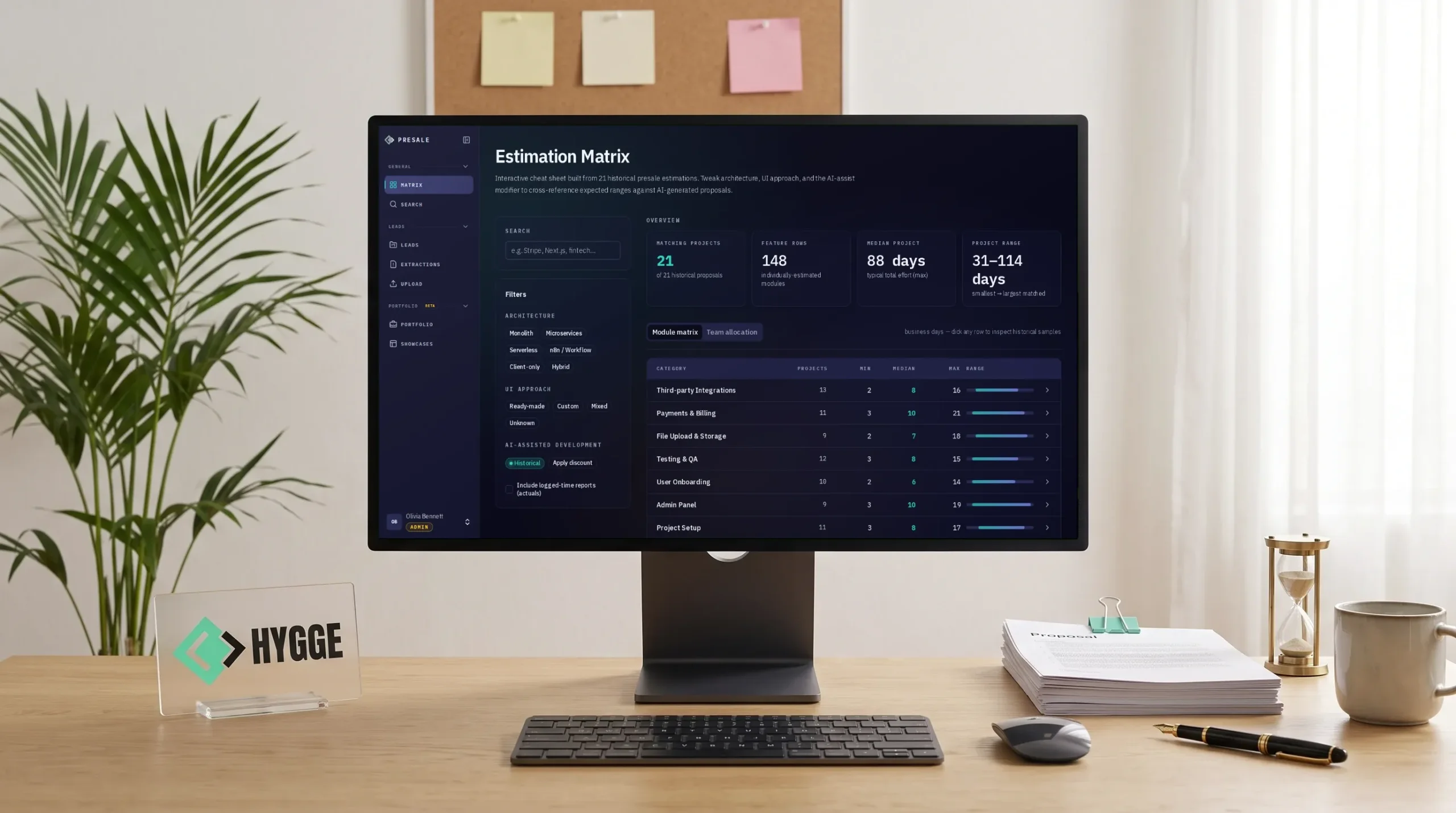
Hygge's own presale workspace, where an AI agent drafts estimates from past deals. People approve them, and every proposal feeds the next.
- 6 sub-statusesDrive each pipeline stage
- Every moduleAnchored to evidence
- 5 formatsFrom one approved deck version
- 3 modesOf case disclosure, enforced
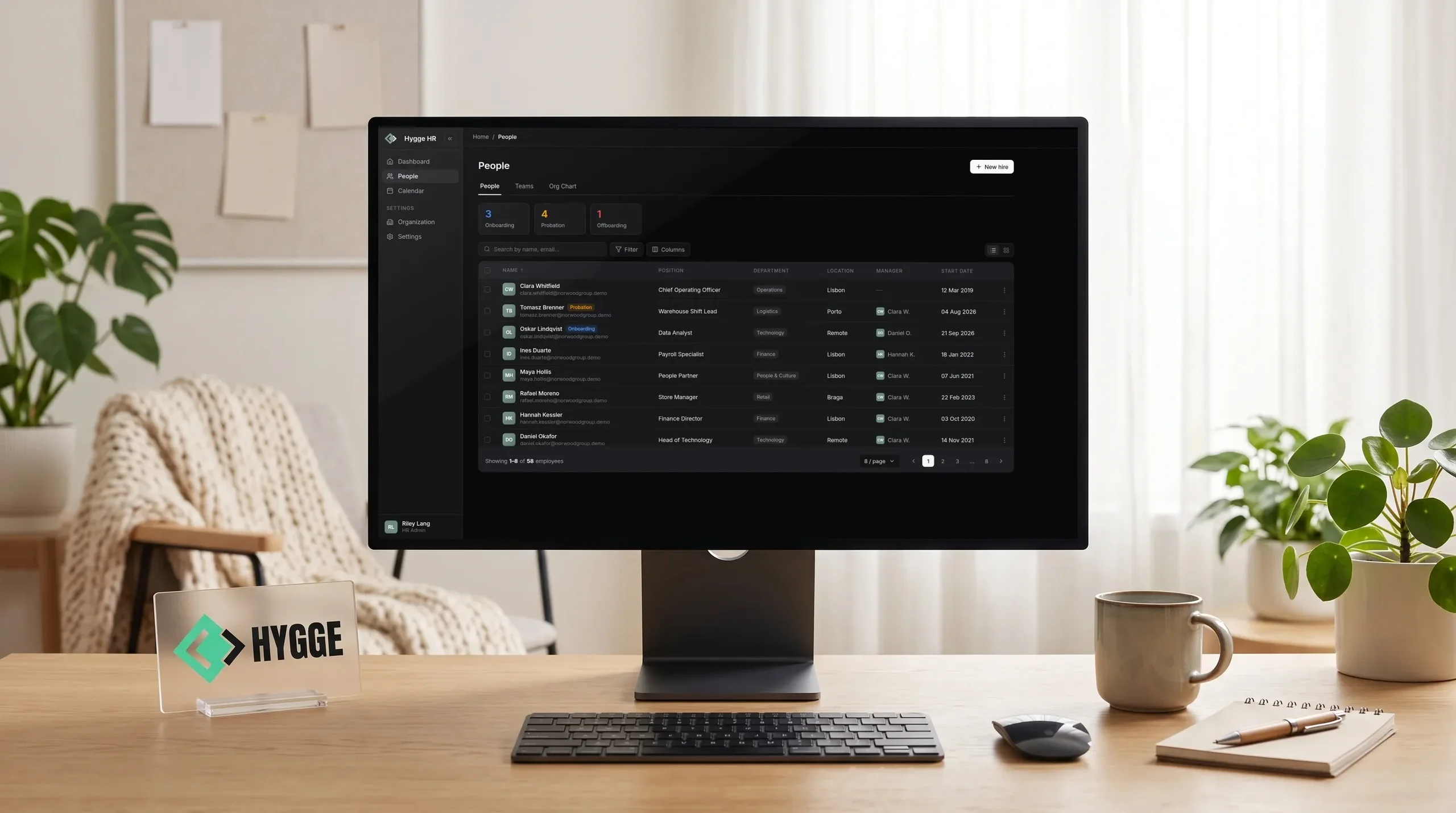
Hygge HR
Hygge's own HR platform: people, time off, hiring and projects in one system. Balances, reminders and pay history update every night.
- 0Manual balance recalculations
- 3+ yearsTenure days added on their own
- 1 platformFor people, time off, hiring and projects
- Any dateRole and pay history on record
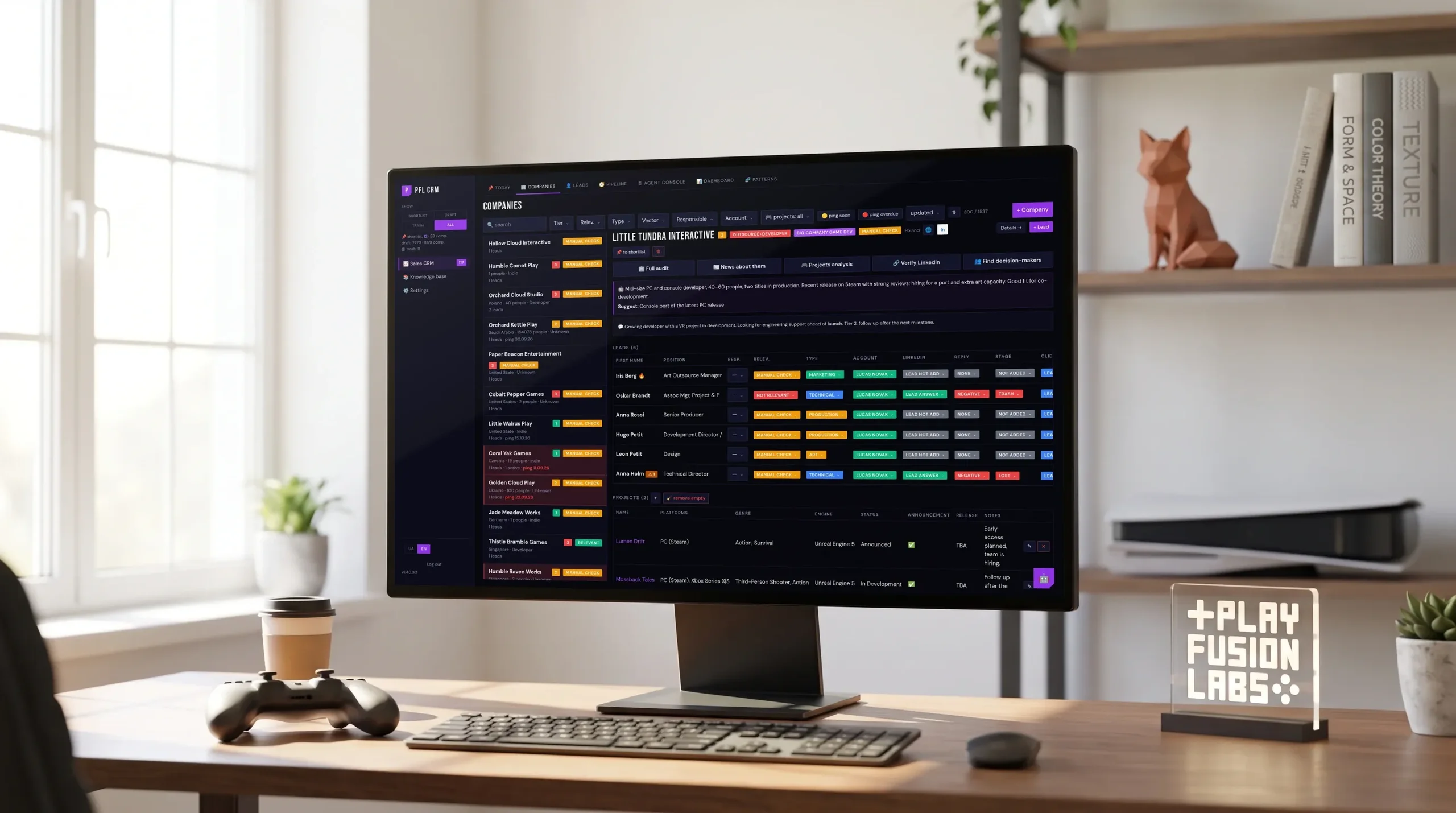
PlayFusionLabs CRM
Custom CRM development for a game studio. An agent researches companies, Today lists who to ping, and finance sits in one database.
- ~2 monthsFrom first call to daily use
- 150+Releases since launch
- 1 databaseFor sales, projects and finance
- $0In per-seat licences
What You Get From the Web Application Audit
We review your users, data, and the systems you already run, flag where a custom web application development build pays off first, and hand you a clear next step, what to build, how long it takes, and what it costs.
The Stack Behind a Web Application Build
The languages, frameworks, and infrastructure behind every web app development company project Hygge runs, chosen to match your existing systems and expected scale.
The server-side layer holding business logic, permissions, and data access for the web application, sized to the concurrency the product sees at peak hours.
 Node.js
 NestJS
 Python
 Django
 FastAPI
 Java
Java Spring Boot
.webp?v=2026-09-29T09%3A19%3A03.736Z) .NET (C#)
.NET (C#) Ruby on Rails

Frequently Asked Questions
Common questions about scope, cost, and timeline before starting a project with Hygge Software.
 What is a web application?
What is a web app?
What is a web based application?
What are web applications?
What is a website application?
What's the difference between a website and a web application?
Do you build web applications for internal use or customer-facing products?
Will the application work across different browsers and devices?
How do you take over a web application with a large existing codebase?
Can the web application connect to my existing systems?
What happens after the web application launches?
What breaks first when a web app scales past its first users?
What do web app development services cover?
From Your Users and Data to a Scoped Plan
Tell us who the application is for and what it needs to do. Hygge scopes the web application development services around a measurable outcome.
Tell Us Who the Application Serves
Share your users, the data involved, and what's costing your team hours right now.
Get a First Consultation
We review your users and systems for anything that would change scope, cost, or timeline.
Receive a Detailed Proposal
A scoped plan with the approach, timeline, and cost, built around your actual users and data.