

Logistics Software Development for Warehouses, Fleets and 3PL Operations
Warehouse projects stall on the same thing: the count in the system disagrees with the count on the shelf. Hygge starts by fixing that, then builds the rest on top of it.
Where the Cost Is Hiding
What operations owners describe when they call us. A scan is missed on the floor, the count in the system drifts from the shelf, and a customer is told a delivery date the warehouse cannot meet. The gap grows quietly until a peak week exposes it.
None of this looks like a software problem on the day. It looks like a bad season. The cost shows up in seats you pay for, stock you cannot trust and orders that ship late. Logistics software development removes the repetition and puts the rest on one system.
Stock on Paper and Stock on the Shelf Disagree
You sell what you do not have, or you sit on what was already written off. Nobody lied. The number stopped being checked at some point, and every plan built on it since is a guess.
Managers Repeat the Same Routine by Hand, and Miss Steps
The same order re-keyed between systems, labels printed by hand, pickups confirmed by phone, customers updated one message at a time. Every repetition is a chance to skip a step, and a skipped step becomes a late delivery or a wrong invoice.
The Packaged System Was Built for Somebody Else’s Warehouse
It ships with modules you will never open and stops at the rules your floor runs on: your customer’s label format, your pallet serial ranges, your split-case flow. You pay per seat for all of it and still do that part by hand.
Nobody Has Mapped What the Warehouse Systems Expose
Terminals on the floor, a controller from a decade ago and an integration built for a carrier you no longer use all sit on the same network. What is reachable from where was never mapped, and a customer security questionnaire is where it gets found out.
Systems a Logistics Software Development Company Builds
Each card is a system a warehouse moves to once a spreadsheet stops holding. On the right is what changes and by how much.
Warehouse Management System Development
The system the floor runs on, covering receiving, putaway, picking and replenishment, counted by location and by licence plate.
- 99.5 %Inventory accuracy by location and licence plate
- 100 %Every stock movement traceable to an operator and a timestamp
- 2 weeksTo the first zone live with real stock behind it
Inventory & Fleet Management Software
One record per asset from the moment it arrives to the vehicle carrying it out. Stock and fleet on the same data model.
- 1 recordPer asset, from receipt through to the vehicle carrying it
- 30 %Less unplanned vehicle downtime once maintenance runs on usage
- 100 %Fleet position and load state visible without calling the driver
Video Analytics Platform
Cameras reading what happens on the floor and at the gate: which vehicle arrived, which pallet moved, and where a run stopped, turned into events the operations system can act on.
- 1 eventEach dock, gate and aisle observation written in one shared format
- On siteRecognition running on local hardware, keeping video off the network
- 1 clockCamera events and system records read against the same timeline
Remote Monitoring Platform
Conveyors, robots, scanners and sensors reporting health to one screen before an operator has to call it in.
- 24 / 7Equipment health watched without an operator on the floor
- 30 %Less unplanned downtime once maintenance runs on condition
- 1 screenEvery machine with its last known state and the alert that raised it
ERP Development
Orders, stock, purchasing and invoicing on one data model, so finance and the floor stop arguing about which number is right.
- 1 systemOrders, stock, purchasing and invoicing on one data model
- 100 %Stock levels shared with sales and finance as they change
- 2 weeksTo the first module live alongside the system you run today
Vendor Management Software
Suppliers and carriers confirming, updating and invoicing in one portal, with lead times and on-time rates tracked per order.
- 1 portalSuppliers confirm, update and invoice in one place
- 100 %Lead times and on-time rates tracked per purchase order
- 30 %Fewer chase emails leaving your team each week
Business Process Automation
Order exceptions, short picks and address failures handled on rules, with the ones that need a human routed to a named owner.
- 80 %Of order exceptions handled without a person
- 100 %Every exception logged with a reason and an owner
- 10 xPeak order volume handled by the same team
Business Intelligence & Reporting
Throughput, pick accuracy and cost per order in one place, traceable to the transaction that produced them.
- 1 screenThroughput, pick accuracy and cost per order together
- 100 %Every figure traceable to the source transaction
- 15 minClient report produced, down from a day of assembly
API & Payment Integration
Carrier rates, labels, tracking and EDI through one layer, so adding a carrier is a config change.
- 1 layerEvery carrier, ERP and marketplace behind one contract
- 100 %Carrier rates, labels and tracking pulled automatically
- 5 minFailed messages retried and raised as an alert
Customer & Partner Portal Development
A door for each 3PL client. Their stock, their orders, their billing, separated at the data layer.
- 100 %Each client sees only their own stock, orders and billing
- 24 / 7Clients check status without calling your operations team
- 40 %Fewer status calls reaching your desk
What Custom Logistics Software Development Draws On
Why each of these gets used on a logistics build, in the order it usually gets needed. This work touches a warehouse floor, a carrier feed, a customer promise and a supplier invoice in the same shift. These are the services that hold those together.
System Integration
The warehouse system, the carrier feeds, the ERP and the customer portal were bought at different times. Making one order the same record across all of them is what stops a customer being told two different things by two systems. Nothing has to be re-keyed at a shift handover.
See the serviceBackend, API & Database
Scans, carrier events and invoices arrive constantly, including in bursts from sites that were offline, and they have to reconcile into one shipment history. This layer decides whether the stock number and the shelf agree. It is also what keeps a lookup fast during a peak shift.
See the serviceLegacy Modernization
A system that has run the warehouse for fifteen years usually still holds the logic nobody wrote down. Modernization keeps what still earns its place and moves the rest onto something your team can change. The floor keeps running through it, one zone at a time.
See the serviceIoT Development
Scanners, sensors and yard hardware are already installed and were chosen by somebody else. Each model gets a defined integration, and scans are validated locally so a picker keeps working when the wifi drops in the racking. The hardware you already paid for keeps earning.
See the servicePerformance Testing
A logistics system is judged on the busiest day of the year, and that is a poor time to discover a limit. Load testing runs against your real peak volumes before the season, so the ceiling is known in advance. Fixing a bottleneck in September costs a fraction of finding it in November.
See the serviceSecurity Consulting
Carrier connections, customer data and warehouse systems were wired up over many years by different people, and some of those links outlived the vendor. Reviewing what is exposed, and closing what should not be, is what a retail customer audits before they hand you volume.
See the serviceWhat Logistics App Development Is Measured On
Agreed before custom logistics software development starts, then measured against how the floor runs today. Every number here comes out of the audit, so it describes your own order volume and your own peak season. That is what makes the delivery date and the price hold.
The Stack Behind Logistics Software Development
Choices here are made against the floor, where a scanner drops signal mid-aisle and a shift keeps moving while a page loads. Hygge picks technology that runs on the hardware already in your building and that another team can take over later. Nothing in this stack needs a specialist you have to keep on retainer.
What the operator works in for a full shift. It has to respond on the handheld terminals you already own, stay readable in a cold store with gloves on, and keep working in the aisles where signal drops. Screens are built around the scan, and the keyboard stays a fallback. Work done offline queues on the device and reconciles when the terminal is back on the network.
 React
React TypeScript
 D3.js
D3.js Next.js
 SCSS
SCSS3PL Software Development That Solved the Same Problem
A warehouse platform alongside projects that failed the same way in other markets. The failure repeats across industries, so the fix does too.
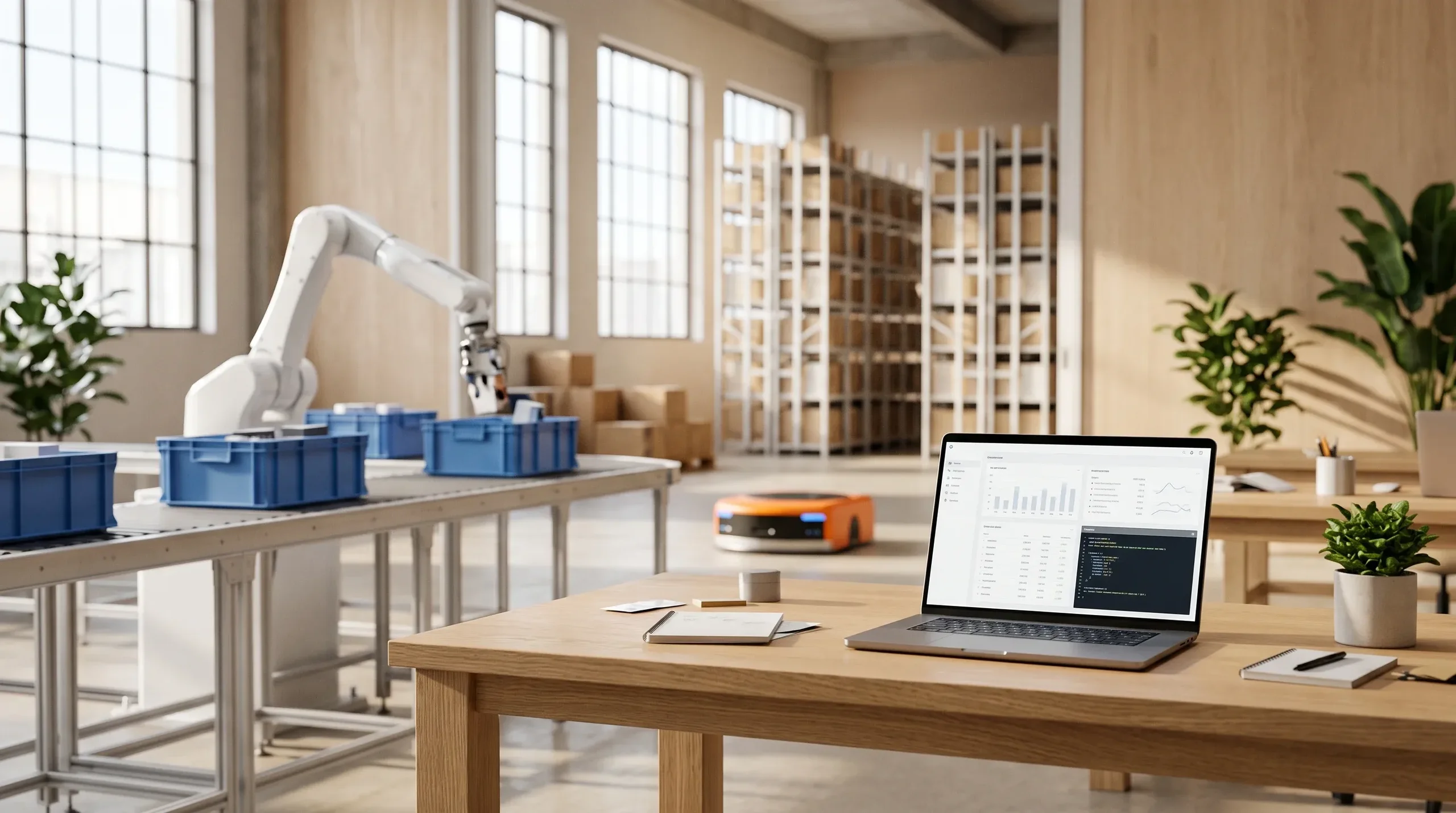
Arlog ApS
Python staff augmentation for a Danish warehouse robotics company: an engineer matched to the stack joins the product team.
- 1Python Engineer in the Product Team
- In-house toolsWhere the Work Happens
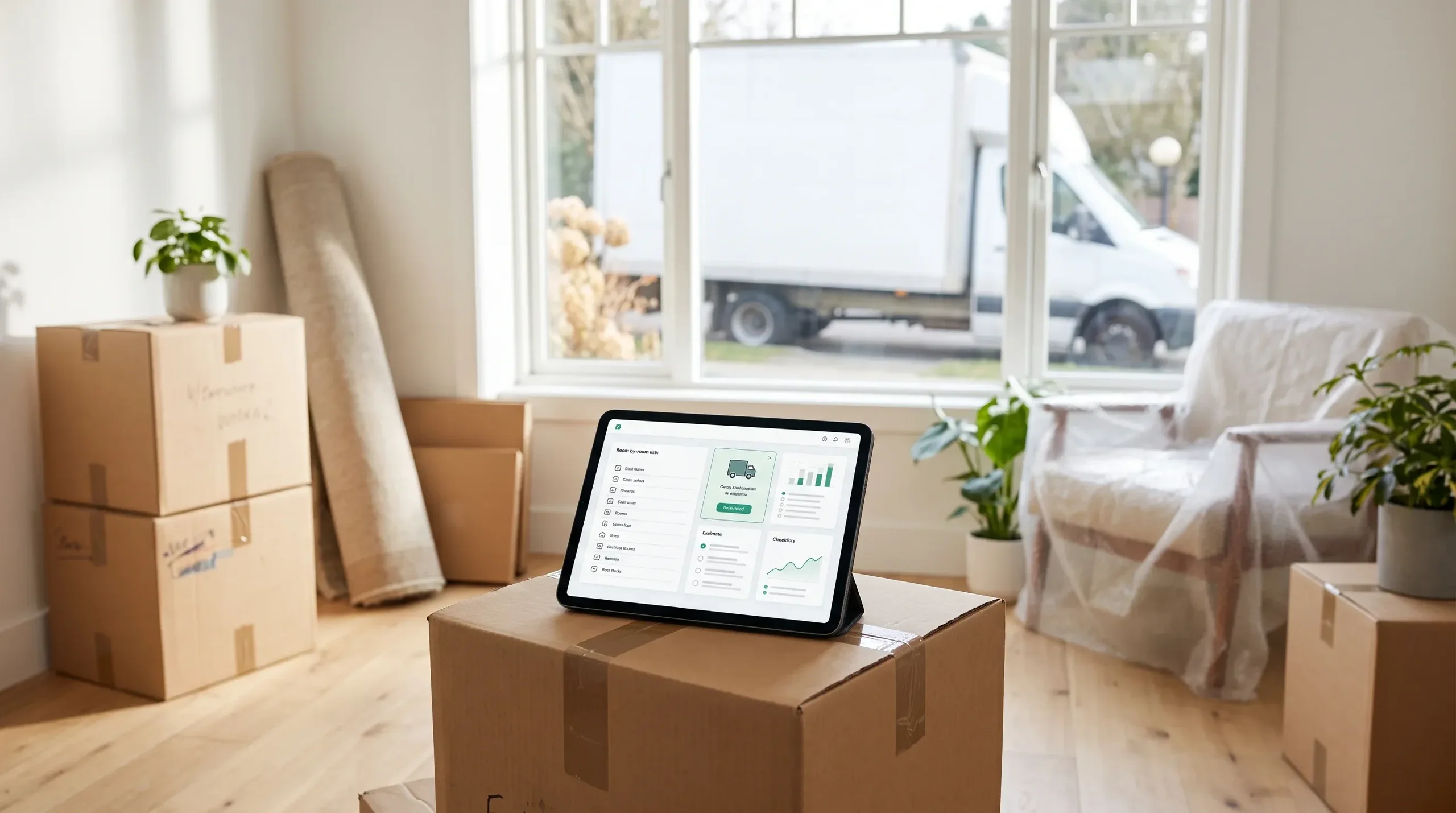
Budget Van Lines
Moving company software for a US interstate mover: each move is sized from the customer's answers, matched to a truck, assigned to a carrier and tracked.
- 2Backend Engineers Full Time
- In the platformVolume and Truck for Every Move
- Per orderCarrier Assignment
- Booking to deliveryOrder Tracking

Humanitarian Cargo Tracking Platform
Humanitarian cargo tracking for a UK carrier. Every load is on one map, and each handover lands in a ledger funders can check.
- QRCargo Acceptance on the Recipient's Phone
- LivePosition for Every Load
- 3 appsIn One Platform
- 1 ledgerFor Every Movement
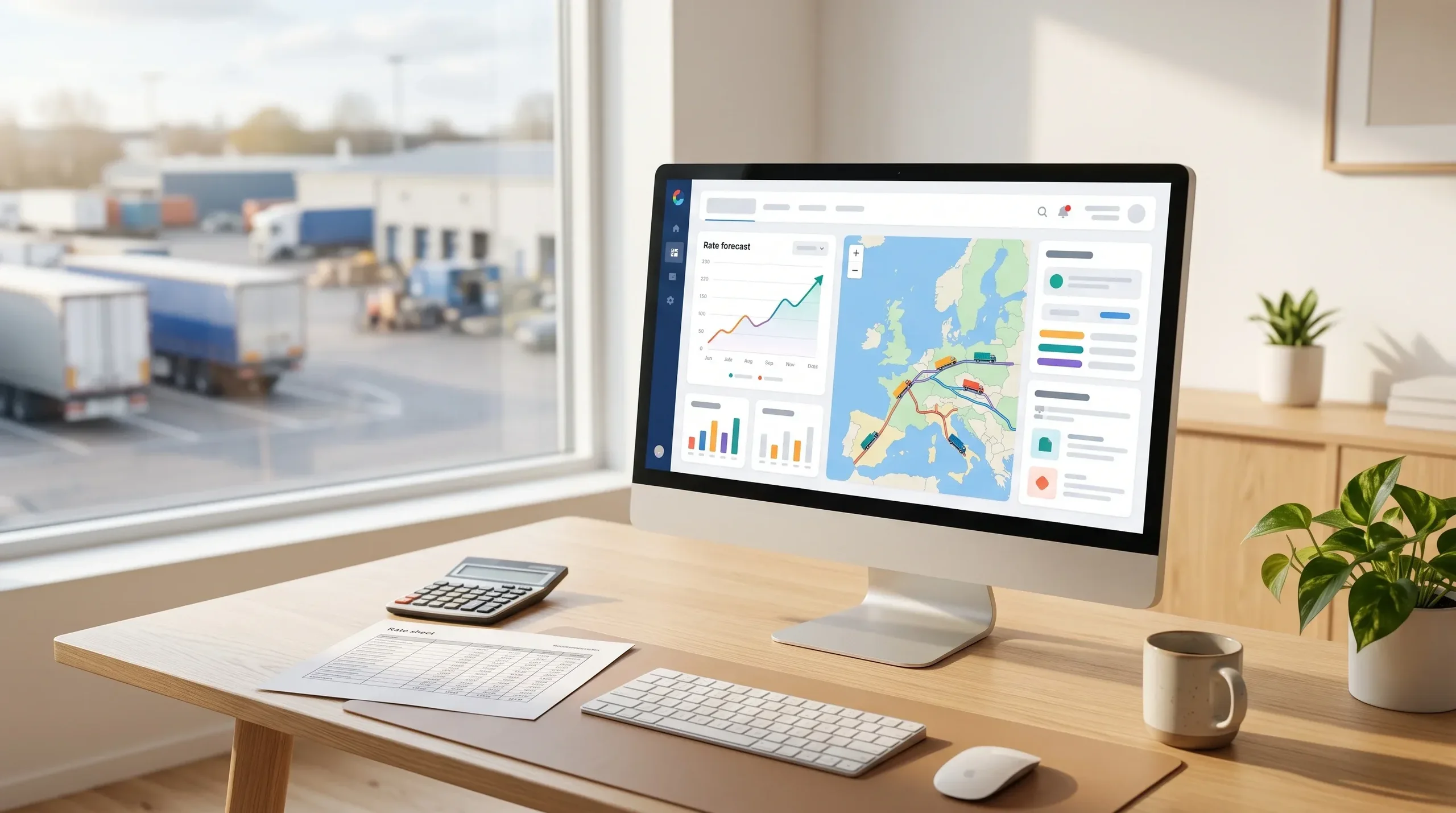
Freight Rate Forecasting for a Forwarder
Freight rate forecasting for a forwarder in Lithuania. It flags truck shortages and rate jumps by lane before the trip is quoted.
- By laneSpot Rate and Shortage Forecast
- 1 storeFor ERP, Exchange and Public Data
- TestedOn the Forwarder's Own Trips
- 1 tapFor the Driver's Route
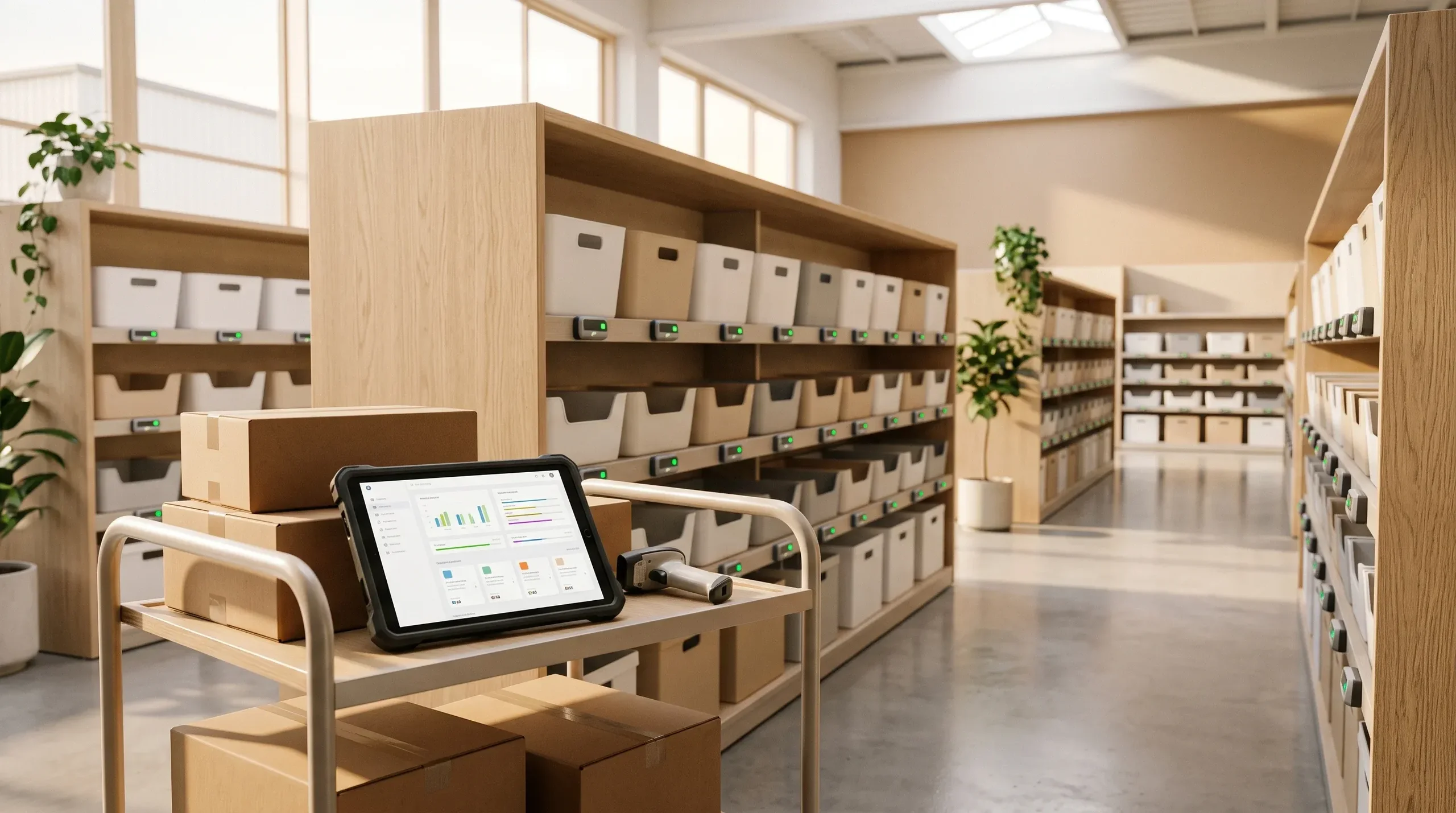
Pick-to-Light System Integration
Pick to light system integration for an equipment integrator. One layer ties lights, sorters and loaders to the WMS at every site.
- 3Equipment Types on One WMS
- Every pickConfirmed Back to the WMS
- LiveEquipment Faults on Screen
- 1 layerFor Lights, Loaders and Conveyors

Boxerloads
Product discovery and design for a freight load board for small US carriers. The client is an owner-operator with his first software idea.
- 109User Stories in a Ready Backlog
- 8 modulesSpecified End to End
- On scheduleDesigns and Wireframes Delivered
- CostedBefore Any Build Budget
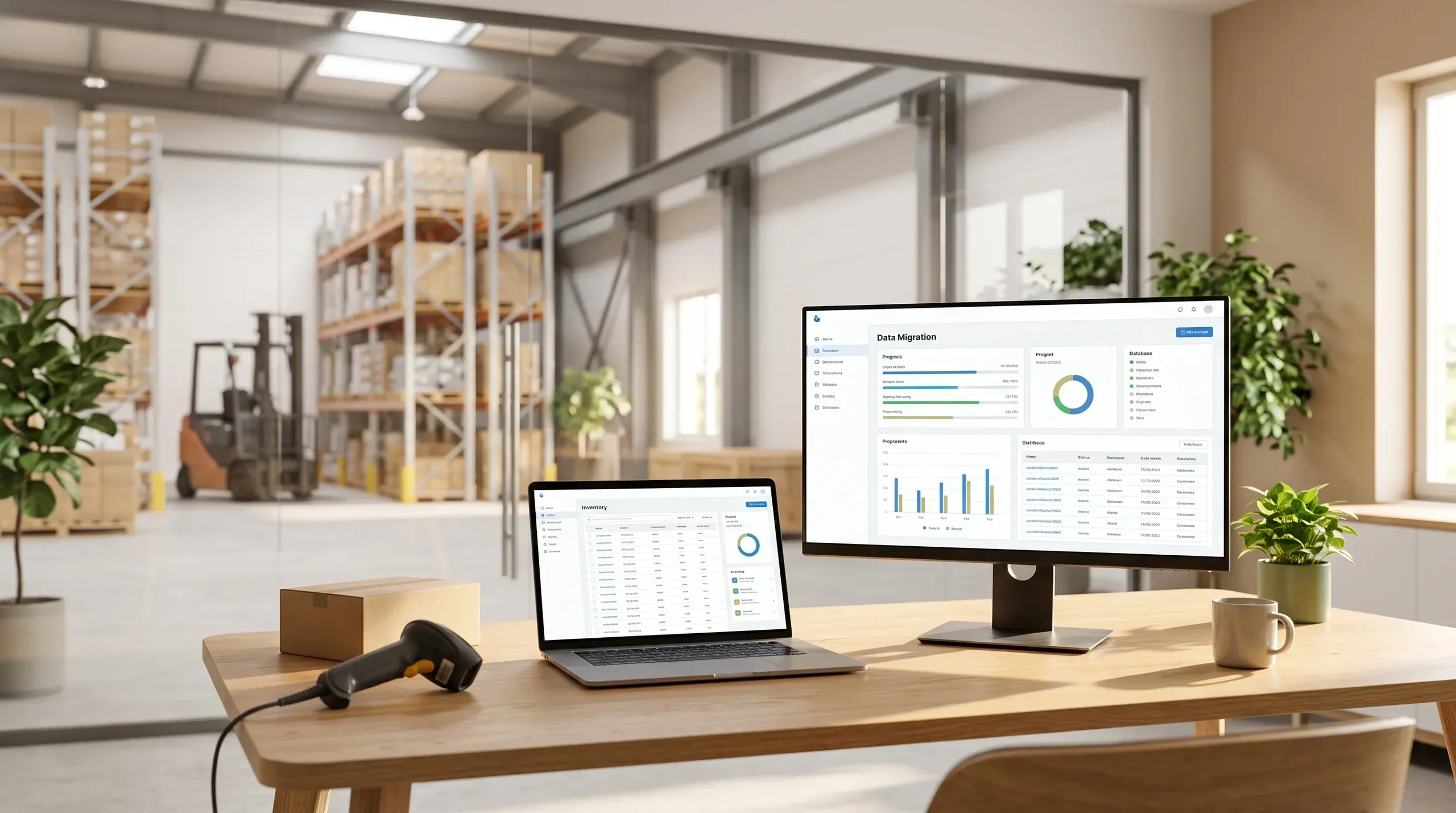
WMS Migration
This WMS migration moves a seven-year-old system off Oracle to Java and PostgreSQL in stages, so the warehouse keeps shipping.
- ≤300 msAPI Response Time
- ≤1 sPage Load on the Floor
- 3 languagesOn Handheld Scanners
- 10 rolesWith Role-Based Access
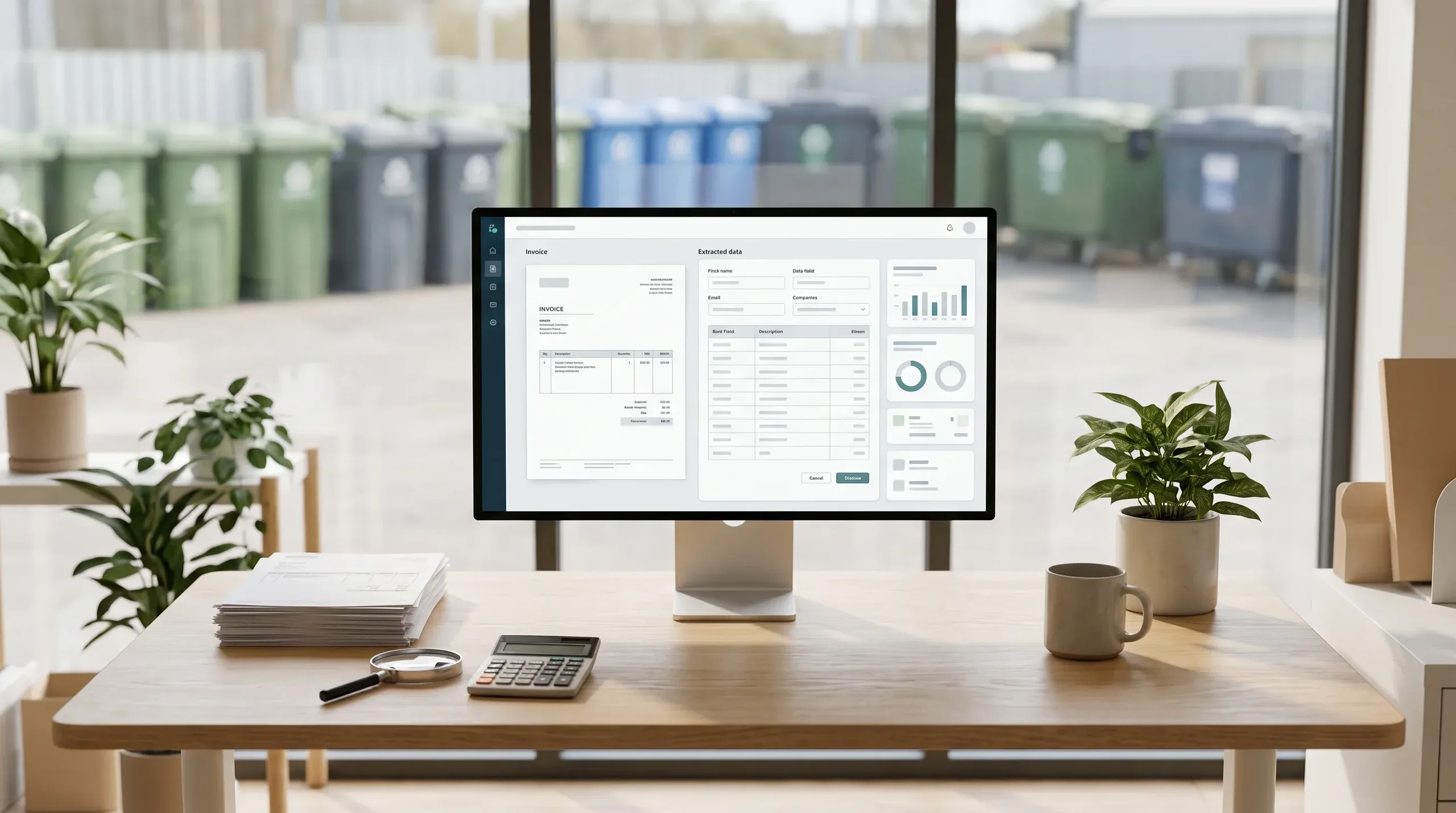
Invoice Data Extraction
Invoice data extraction for a US waste broker: hauler prices from 500 PDF invoices a month feed a price history, quick quotes and a marketplace for regular services.
- On the callWhen Sales Can Name a Price
- ExceptionsWhat People Still Review
- 12 monthsOf Invoices Read in One Run
- To the centOn the Client's Sample Invoices
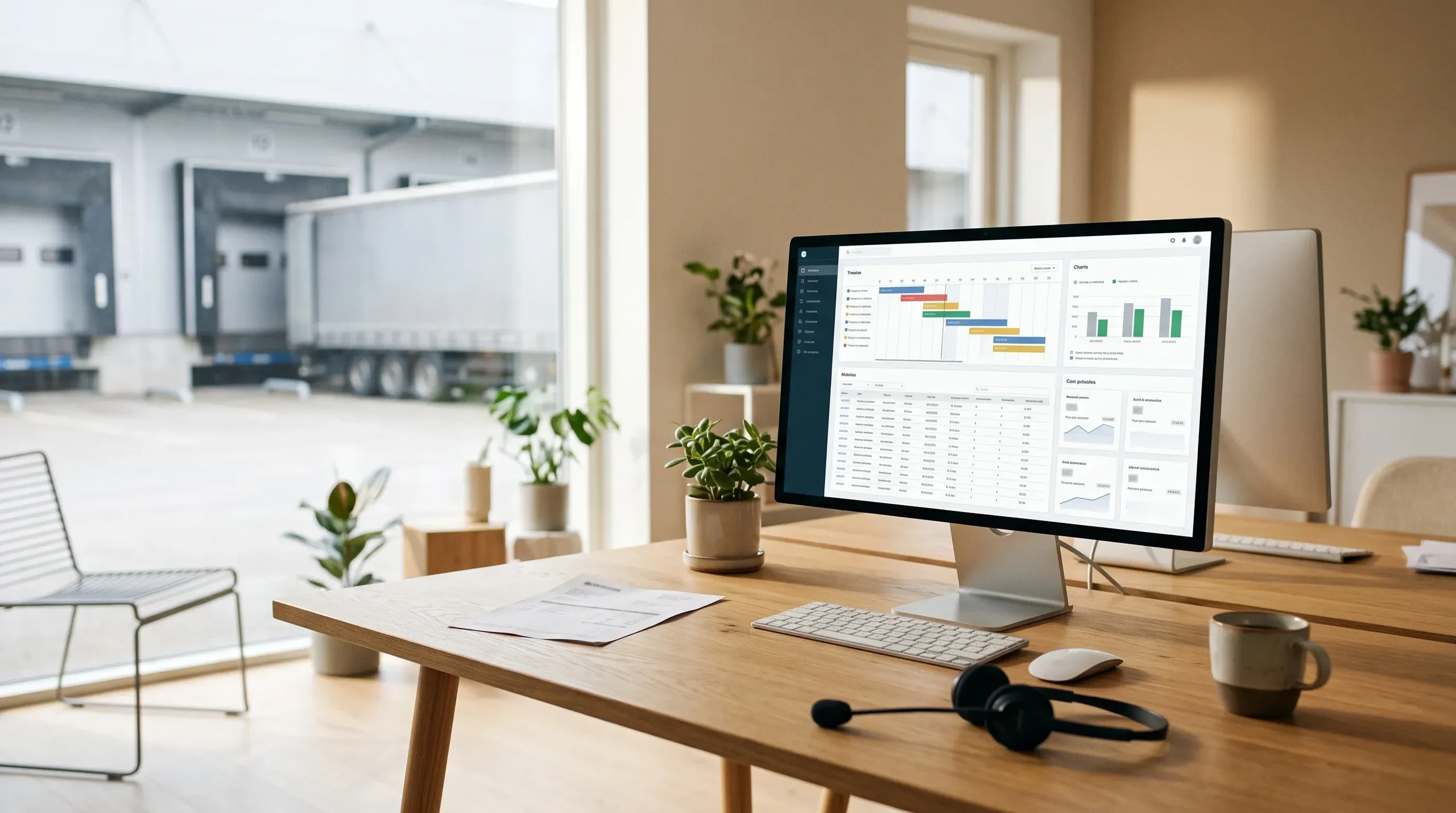
Logistics Data Exchange Platform
A logistics data exchange platform that puts shipment data from emails, PDFs and calls in one record and moves dock slots for late trucks.
- On the roadWhen a Delay Is Caught
- 1 actionTo Confirm a New Dock Slot
- EUServers for Shipment and eFTI Data
- 1 recordFor Shipper, Warehouse and Carrier
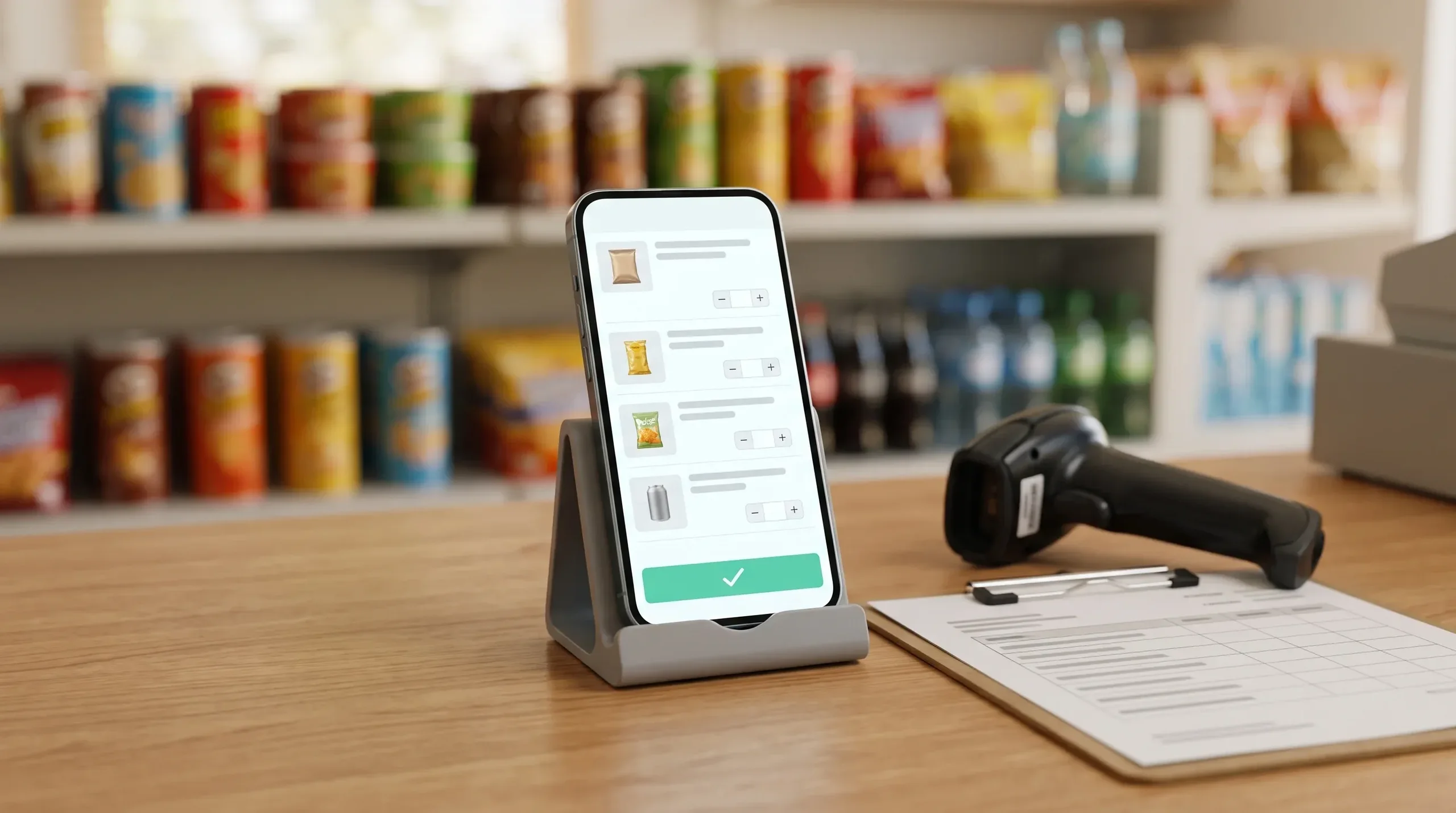
Petrey
A React Native ordering app and Laravel back end for a wholesale firm founded in 1898, built to stay fixable for years.
- YearsIn Production Since Delivery
- < 1 hourTo Fix a Server Crash
- 1 codebaseFor iOS and Android
- PositiveClient Relationship
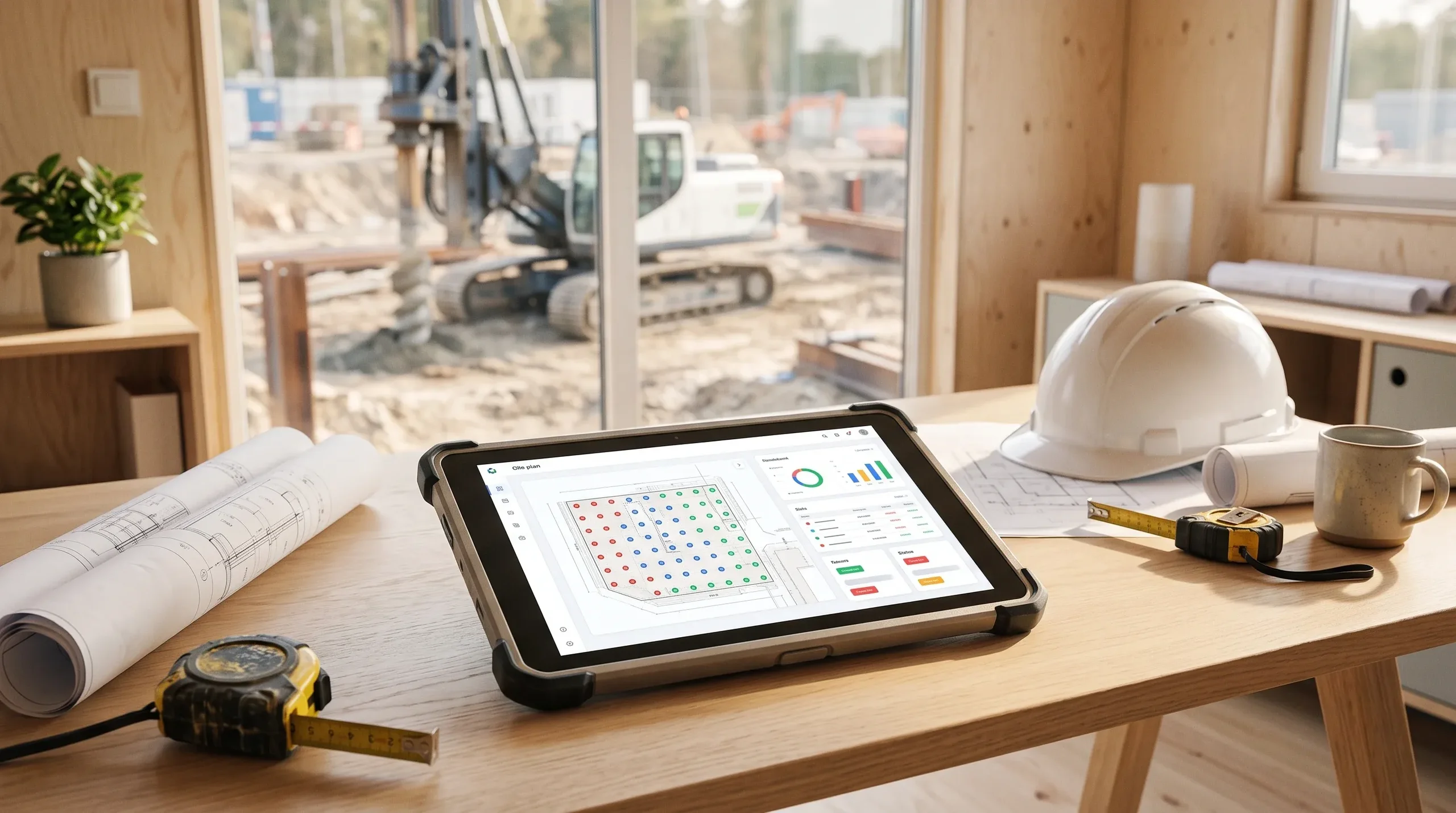
Drilling Management Platform
Drilling management software for a Swedish company: an office web platform and a synced field app that share one record per pile.
- 477Delivery Items Since November 2024
- ~5 peopleOne Team From PM to QA
- 1 recordPer Pile, Shared by Field and Office
- OngoingSupport and New Features
Slapstack
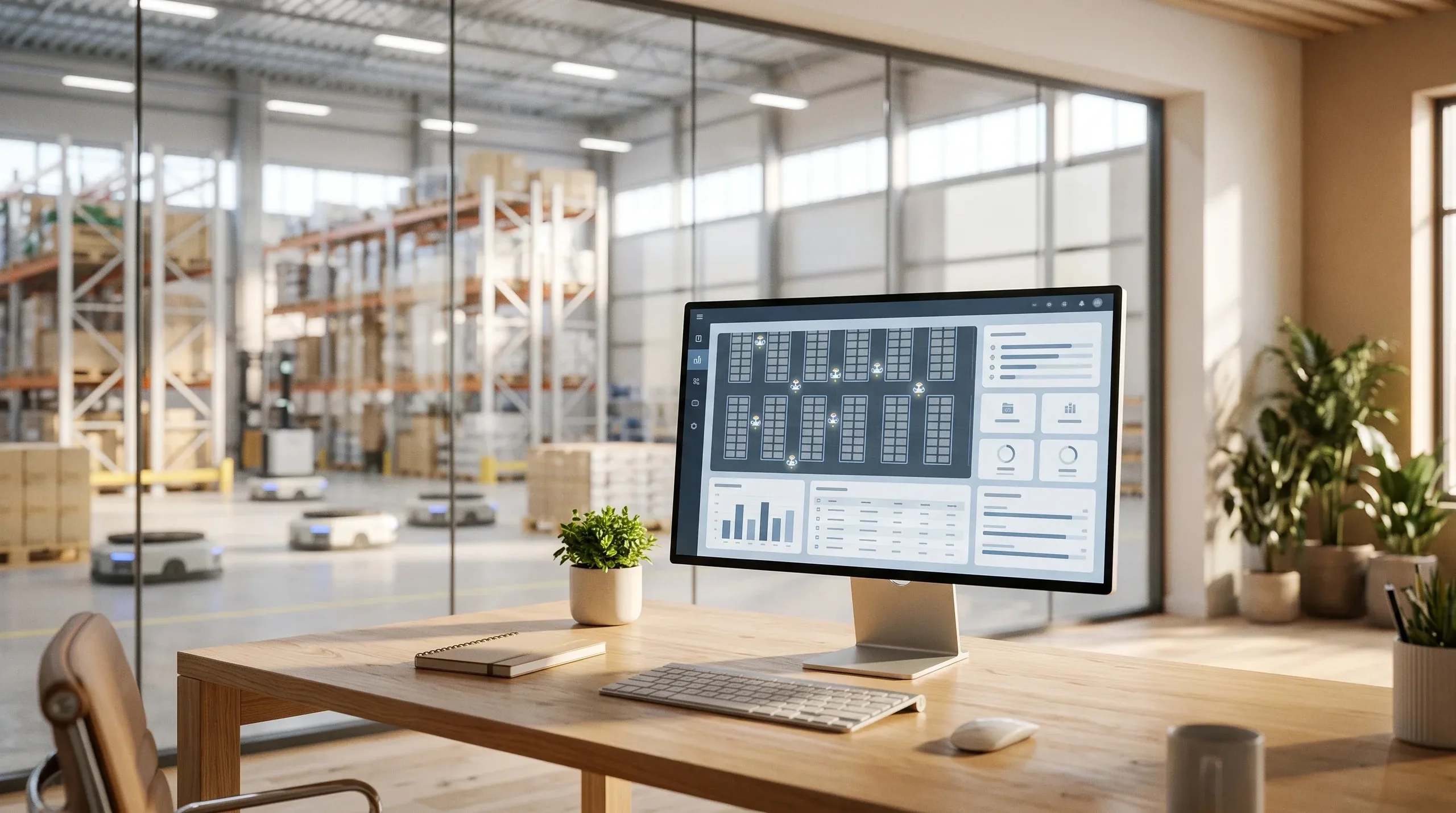
The console for autonomous warehouses, rewritten from Flask to React in pieces. No live warehouse went offline.
- 0Warehouse hours lost to a full rewrite
- 1 libraryReplaces hand-rolled pages, screen by screen
- 1 year onThe same client came back for phase two
Expert Insights on Last Mile Delivery Software
Write-ups on measuring what an automation saved, where a human approval belongs in a receiving or picking flow, and how to design the exception path before the happy path. In logistics the exception path is the short shipment, the damaged pallet and the carrier that missed a pickup. Reading these early is cheaper than meeting them in November.

Questions for a Supply Chain Software Development Company
What comes up when a warehouse or last mile delivery software project has a season attached to it. The answers below cover scanners you already own, dead zones inside the building, cutting over while orders keep shipping, and how long a first zone takes to go live. They come from systems already running live floors.
 What is logistics software?
What software do logistics companies use?
How to choose a warehouse management system?
How much does a warehouse management system cost?
How do companies connect scanners to logistics software?
How much does logistics software development cost?
What is a 3PL warehouse management system?
Can you replace our system without stopping the warehouse?
Do you integrate with our ERP and carriers?
Do you build supply chain software as well as warehouse software?
What about last mile delivery software and fleet tracking?
Do you work with 3PLs and freight forwarders?
Tell Us What Breaks on the Floor
Say what the warehouse runs on today, which process the software cannot handle, and when your peak starts. You get a scope, an exact price and a delivery order the same week.

Tell Us What's Running Unmonitored
Share the models, the stack, and where deployment or monitoring is still manual, whatever's costing your team time right now.

Get a First Consultation
We map your current models and infrastructure for anything that would change scope, cost, or timeline.

Receive a Detailed Proposal
A scoped plan with the approach, timeline, and cost, built around your actual stack.