


Retail Software Development for Stores, E-Commerce and Point of Sale
A recommendation that ignores the budget goes unbought. A partner billed on the wrong rate leaves. In retail the arithmetic is the product as much as the interface is.
Where POS Software Development Protects the Margin
What retail owners describe when they call us. The store system says one number, the online catalog says another, and somebody rebuilds the truth in a spreadsheet each night. Every hour of that is an hour nobody spends on the range.
None of this reads as a software problem on the day. It reads as a busy season. The cost turns up somewhere else: in an order you cannot fill, in stock bought because the count said you needed it, and in a month that takes a week to close. Retail software development removes the repetition and puts the numbers in one place.
The Stock Number Is Right in One System and Wrong in Two
The shop floor, the online store and the marketplace each hold their own count, and they drift the moment a return comes back or a delivery is signed for late. You find out when a customer buys something that left the shelf yesterday.
Your Team Retypes the Same Price Change Into Every Channel
A price update goes into the till system, then the website, then the marketplace listing, by hand each time. Every repetition is a chance to miss one, and the one that gets missed is usually the promotion a customer screenshots at the counter.
The Platform Was Built for Somebody Else’s Shop
It carries modules nobody opens and stops at the rules your business runs on: your trade pricing, your click-and-collect flow, your supplier terms. You pay per seat across four tools and still reconcile the month in a spreadsheet.
Card and Customer Data Moves Through Tools Nobody Reviewed
Orders, addresses and payment references pass through a checkout, a marketplace connector and three plugins installed by whoever needed them at the time. What each one keeps and who at the vendor can see it was never asked, and it matters the day something leaks.
Retail App Development Hygge Builds for Stores and E-Commerce
Each card is a system a retailer moves to once a manual process stops holding. On the right is what changes and by how much.
E-Commerce Platform Development
The storefront, the checkout and the rules behind them, built so price, stock and payment agree at the moment a customer commits. Trade pricing, click and collect and your own delivery promises live as configuration a merchandiser edits.
- 99 %Of orders placed against stock that exists
- 1 rule setTrade and retail pricing applied from one place
- 10 xPeak order rate proven before your season starts
Marketplace Development
A storefront where the inventory belongs to other sellers: onboarding, listings, order splitting across vendors, and the payout run that closes each period.
- 1 basketAn order split across several sellers, paid once by the shopper
- 1 payoutEach seller settled on a schedule they can plan against
- 1 catalogSeller listings held to one structure the site can search
Retail Media & AdTech Platforms
Booking, scheduling and reporting for the space you sell to brands, whether that is screens in store, placements on site or sponsored slots. Booked, delivered and invoiced are compared in one place.
- 100 %Of bookings reconciled against what was delivered
- 1 dayTo close a month across advertisers
- 3 xMore campaigns handled by the same team
Video Analytics Platform
Store cameras turned into counts and patterns: how many people came in, where they stopped, and which displays held them, kept separate from anything that identifies a person.
- 1 countFootfall, dwell and conversion derived from one measured source
- On siteFrames processed locally, with only the numbers leaving the store
- 1 viewEvery location compared on the same measure
Inventory & Fleet Management Software
One count behind every channel you sell on. Each movement is recorded once and read everywhere, so a sale on the shop floor removes the item from the website and the marketplace within seconds.
- 99 %Stock accuracy across shop floor, web and marketplaces
- < 30 sFrom a sale in one channel to the count updating in the rest
- 40 %Less capital tied up in stock bought against a wrong number
CRM Development
Customer history, loyalty and the campaigns built on it, held against one record. A repeat buyer is recognised at the till and online, and what you offer them follows what they have bought before.
- 1 recordThe same customer across shop floor, web and support
- 3 xMore repeat purchases from offers built on real history
- 100 %Of loyalty balances consistent across every channel
Business Process Automation
The routine around an order: returns, exchanges, supplier claims and the approvals each one needs. Steps that depended on somebody remembering become part of the record, so a case moves without anyone chasing it.
- 70 %Of returns processed without a manual step
- 3 xFaster from a customer request to a resolution
- 1 entryA return is recorded once and read by stock, finance and the customer
Business Intelligence & Reporting
What sold, at what margin, in which channel, and what it cost to get there. The report answers whether a promotion made money, which is the question that decides the next one.
- 1 dayTo close a month across channels and partners
- 100 %Of margin traceable to the orders behind it
- 5 xMore questions answered without an analyst building an export
API & Payment Integration
The connections between your till system, your store, your marketplaces, your carriers and your accounting. Each one is versioned and monitored, so a platform changing its format raises an alert before a day of orders is lost.
- 100 %Of orders and payments logged end to end
- 1 hFrom a failed sync to somebody knowing about it
- 1 uploadA product is created once and listed everywhere it sells
Customer & Partner Portal Development
A portal where trade customers and suppliers place orders, check their own terms and see what shipped, without an email to your team. Your staff approve, and the assembly happens behind it.
- 80 %Of trade orders placed without a person on your side
- 100 %Of pricing shown limited to that account terms
- 48 hTypical turnaround on a supplier claim
What Retail App Development Draws On
Why each of these gets used on a retail build, in the order it usually gets needed. A retail build touches a storefront, a stock count, a payment provider and a supplier invoice in the same day. These are the services that hold those together.
System Integration
The store system, the ecommerce platform, the payment provider and the accounting ledger were bought separately. Making one order the same record across all of them is what stops stock being sold that the shelf no longer holds. It also ends the nightly export somebody rebuilds by hand.
Open the serviceBackend, API & Database
Traffic and payment volume arrive together on a peak trading day, and every order has to reconcile into one customer history. This layer carries that load and keeps the catalog fast while it happens. It is also where stock, pricing and payment agree with each other.
Open the serviceData Engineering
Sales, stock, campaign spend and supplier invoices sit in different tools. Joining them shows margin per order, and it shows which lines are quietly losing money. A buying decision then rests on a number.
Open the serviceMachine Learning Development
Demand forecasting, recommendations and markdown timing all run on the same history you are already collecting. A model trained on your own sales data beats a generic rule, because your seasonality is yours. It gets benchmarked against what you do today before anything replaces it.
Open the serviceMobile App Development
Shoppers browse and buy from a phone, and store staff check stock from the floor on the same device class. The app carries both, and it keeps working when the in-store signal is poor. A basket that survives a weak connection is revenue that would otherwise be lost.
Open the serviceSecurity Consulting
Payment details, customer data and supplier connections sit across systems set up at different times, often with former staff still holding access. Reviewing that, and being able to show it, is what a card processor or a marketplace partner asks for before they extend terms.
Open the serviceWhat POS Software Development Is Measured On
Agreed with you before retail software development starts, then measured against how the business runs today. Every number here comes out of the audit, so it describes your own order volume and your own peak days. That is what makes the delivery date and the price hold.
The Stack Behind Ecommerce Software Development and Retail Media
In retail the arithmetic is the product: a recommendation that ignores stock or budget costs more than it earns. This stack is chosen so price, availability and payout are calculated once and read everywhere, and so a promotion peak leaves the storefront standing.
Turning a shopper profile into products that exist and are in stock. Ranking runs against live inventory and margin, so the top result is one you can sell and want to sell. Search understands a misspelt brand name the way a shopper types it, and a product going out of stock leaves the results within seconds.
 OpenAI API
 LangChain
 Pgvector
 Elasticsearch
 Python
 Weaviate
Loyalty Program Software Development With the Same Shape
Each of these solved a problem a retail build runs into: ranking against what is available, a marketplace where money and delivery have to agree, a stock interface people work in all shift, and a platform where a transaction closes live. Every one started with systems that disagreed about the same order. What you see is the build that made them agree.

Shopspray AB
.NET staff augmentation for a Swedish B2B commerce company: a senior engineer builds the plugins and gateways between procurement systems and supplier storefronts.
- 1Senior .NET Engineer on the Team
- Plugins + gatewaysIntegration Work Covered
- Back on the productWhere the Tech Lead's Time Goes
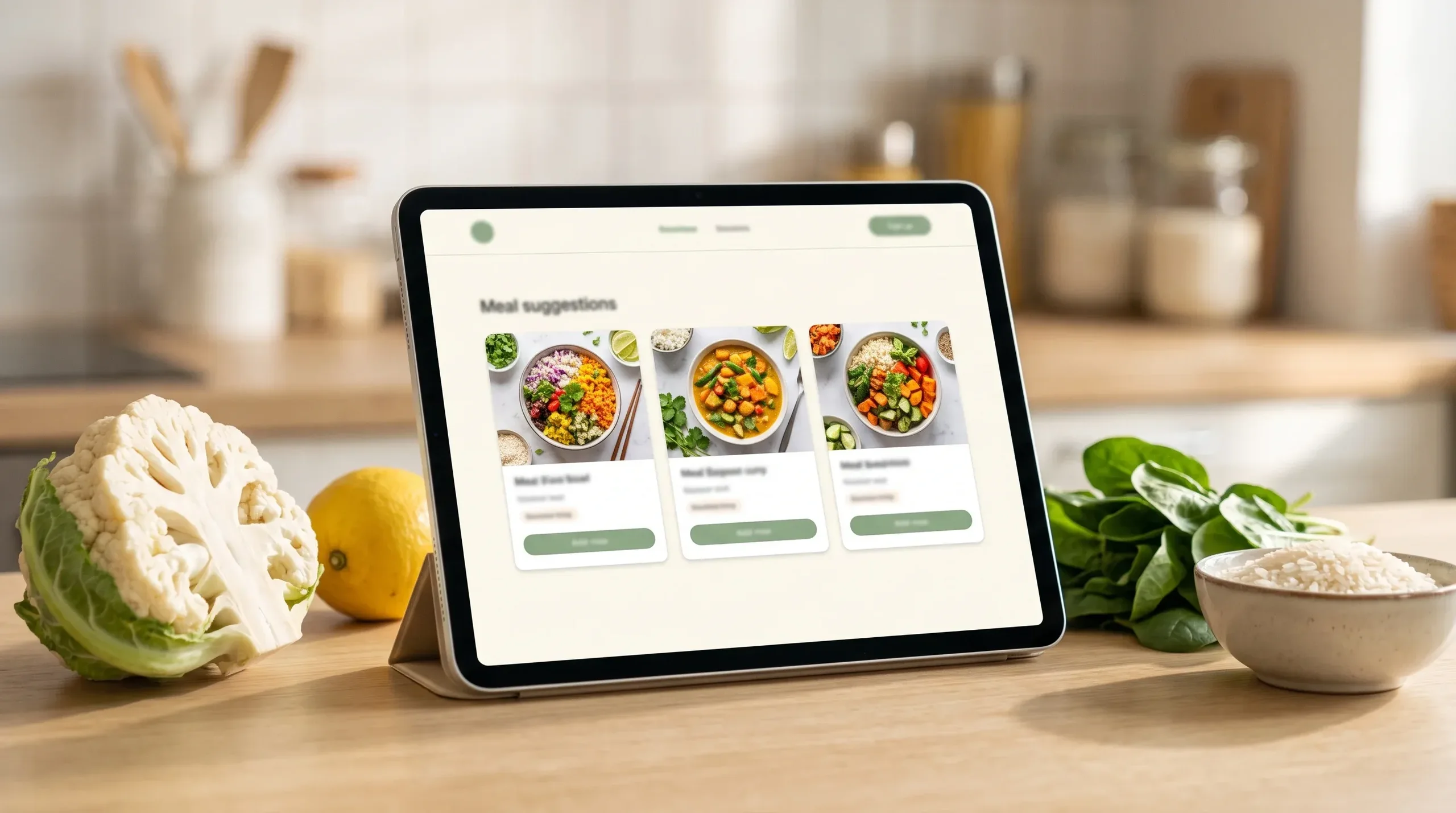
AI Meal Planning Platform
An AI meal planning platform built from scratch. It turns the ingredients someone already has into personal, ready-to-cook meals in seconds.
- SecondsFrom Ingredient List to Meal Ideas
- From scratchBuilt End to End by Hygge
- Less wasteThe Goal the Product Is Built On
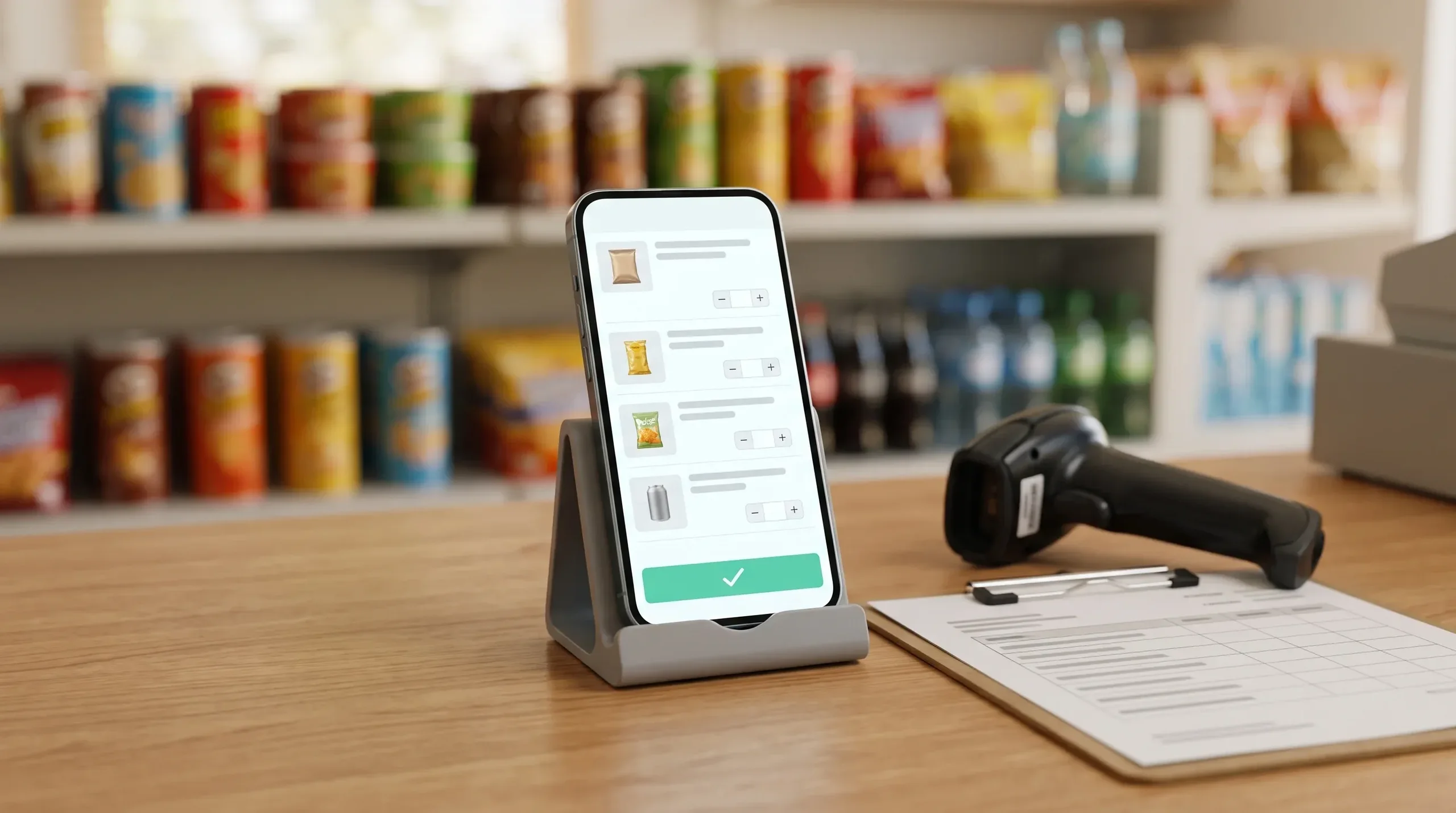
Petrey
A React Native ordering app and Laravel back end for a wholesale firm founded in 1898, built to stay fixable for years.
- YearsIn Production Since Delivery
- < 1 hourTo Fix a Server Crash
- 1 codebaseFor iOS and Android
- PositiveClient Relationship

Slapstack
The console for autonomous warehouses, rewritten from Flask to React in pieces. No live warehouse went offline.
- 0Warehouse hours lost to a full rewrite
- 1 libraryReplaces hand-rolled pages, screen by screen
- 1 year onThe same client came back for phase two

Offra
An AI gift finder built in about a month for a startup whose marketing was booked against a Black Friday date.
- 3 milestonesDelivered before the holiday launch window
- 100 %Of results are products a buyer can order
- ~1 monthAgainst a Black Friday date that could not move

Crowdflix
A blockchain marketplace for movie moments, built so a fan who has never touched crypto can buy one without meeting the chain.
- Plain wordsOn every wallet prompt a fan meets
- ~4.5 monthsFrom kickoff to contracts on mainnet
- Pre-launchAn IP risk caught before anything went public
Expert Insights on Loyalty Program Software Development
Write-ups on measuring what an automation saved, where a human approval belongs in a pricing or fulfilment flow, and how to design the exception path before the happy path. In retail the exception path is the refund, the split shipment and the item that went out of stock mid-checkout. Reading these early is cheaper than meeting them on a peak day.

Retail Software Frequently Asked Questions
Retail teams ask how recommendation works once keyword search runs out, what breaks in retail media platforms at scale, how far back billing can be corrected, and what guards an AI recommender at the edges. The answers below come from stores and networks already trading. They also cover peak days, loyalty program software development, and what happens when a payment provider times out.
 What is retail media?
What is retail media?
What are retail media networks used for?
How do brands grow sales using retail media advertising?
What is retail software development?
Why does keyword search fail for recommendation?
What breaks most often in retail media platforms?
Can historical billing errors be corrected?
How do you handle inappropriate results in an AI recommender?
What should you ask a retail software development company before starting?
When is custom retail software development worth the cost?
From Scattered Sources to One Reliable Layer
Tell us what systems you run and what question you cannot answer today. You get a source inventory, a scope, and a price.

Tell Us What's Running Unmonitored
Share the models, the stack, and where deployment or monitoring is still manual, whatever's costing your team time right now.

Get a First Consultation
We map your current models and infrastructure for anything that would change scope, cost, or timeline.

Receive a Detailed Proposal
A scoped plan with the approach, timeline, and cost, built around your actual stack.