
Software Project Rescue Services
The previous team stopped replying, the build does not run, and the deadline did not move. Hygge's software project rescue starts with a one-week assessment that tells you what is salvageable, what it costs to finish, and whether finishing is the right call at all.
What Software Project Rescue Services Cover
What a software project rescue has to do before delivery can restart, usually in this order.
Recovering Access and Ownership
Repositories, cloud accounts, domains, app store listings, and third-party services, moved into your name. Founders regularly discover the production database sits in a contractor's personal account, and this comes first because nothing else is safe until it is done.
Getting It Running
Building and deploying the existing code from scratch on clean infrastructure. If nobody can run it, nobody can assess it, and this step alone surfaces most of the undocumented dependencies.
Assessment and Verdict
What works, what is broken, what is missing, and what it costs to finish. This is where the honest answer about a rewrite comes out, with the numbers behind both options.
Stabilising the Live Product
If users are on it, the bleeding stops first: the crashes, the security holes, the data at risk. Feature work waits until the product stops losing people.
Documentation From Nothing
Architecture, deployment, and the decisions that have to be understood before anyone can safely change the code, written as the team reads through it.
Restarting Delivery
A scoped plan to finish, with weekly releases so you can see progress after months of not seeing any.
What Code Audit Services Answer in the First Week
Hygge charges for one week of assessment before quoting anything, because quoting a rescue without reading the code is guesswork, and you have had enough of that.
At the end of the week you have:
- A verdict on what is salvageable, by component, with reasoning.
- Finish or rebuild, costed both ways, so the choice is yours on evidence.
- An inventory of access you hold and access you are missing.
- Security and data risks that need attention this month.
- A fixed scope and price to complete, if completing is the recommendation.

How Projects End Up Here
The situations behind most enquiries Hygge takes on.
Delivery stopped, the vendor left, or the deadline passed twice. Software project rescue starts with an assessment week that separates what works, what is salvageable and what has to go. The audit produces that picture before anyone touches the code.
The Developers Disappeared
Freelancers or a small agency stopped responding mid-build. No handover, no documentation, and often no access to the accounts the product runs on.
The Budget Ran Out Before the Product Worked
Money spent, deadline passed, and what exists does not do the job. The question now is what the remaining budget can still buy.
The Build Runs on One Person's Machine
It works in a demo and nobody else can deploy it. That is a failed software project waiting for the day that person is unavailable.
Quality Collapsed Under Deadline Pressure
Shortcuts taken to hit a date compounded, and now every fix breaks something else. This is how a failed software project looks from the inside: the team is working hard and going backwards.
The In-House Team Left
The engineers who built it moved on and took the context with them. The code is yours, and nobody remaining can safely change it.
How We Take Over
A software project rescue runs from the first call to delivery running again.
Call, Same Week
What happened, what exists, what deadline still stands. No charge, and it takes thirty minutes.
Assessment Week
Access recovery, getting the build running, reading the code, and the costed verdict.
Stabilise
If the product is live, security and crash fixes go out first, before any feature work.
Finish or Rebuild
Delivery restarts on the agreed plan, with a weekly release you can open and check.
Handover or Continue
Documented and handed to your own team, or Hygge stays on. Both are fine, and it is your call once the fire is out.
What Changes Once Someone Takes It Over
You get an honest read on the codebase in a week, with the evidence behind every call. Delivery restarts on a plan with dates you can hold, and the environment, deployment and architecture decisions get written down as the work goes. Code audit services are the first step on a rescue, because the estimate depends on what is salvageable. Hygge works as a software audit company on both sides of that: reading a codebase somebody else left behind, and telling you plainly which parts are worth keeping.
What the First Week Settles
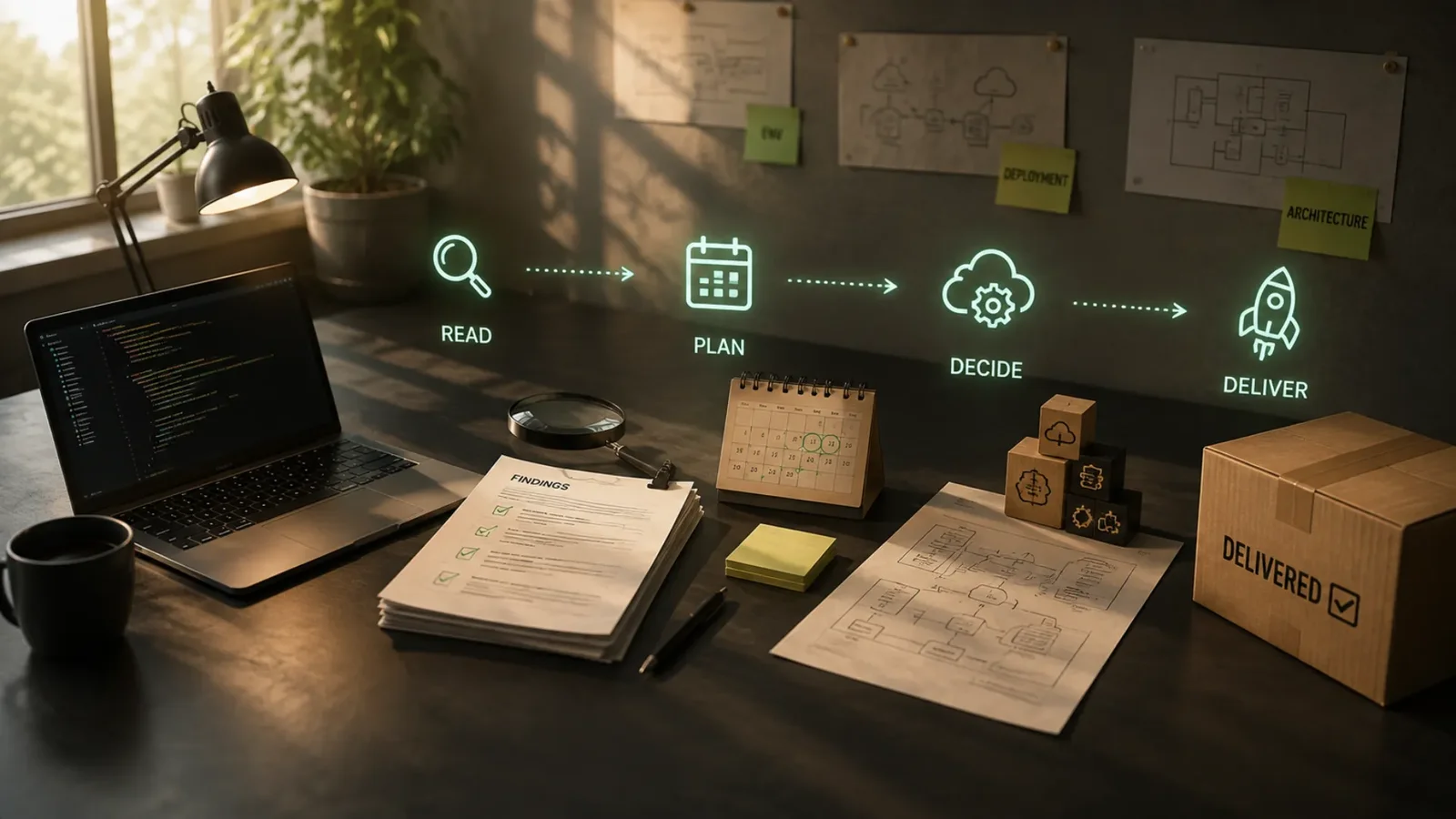
The assessment stands on its own. Where the honest answer is that the code can be finished, that is what the report says.
Where a Stalled Build Costs the Most to Leave
Sectors where the business already changed its plans around software that never shipped.

Real Estate & PropTech
An agency platform half-built by a departed vendor, with listings and auctions still running on the old process.

Retail & E-Commerce
A storefront rebuild abandoned before peak season, where the deadline moves for nobody.

Healthcare & Staffing
A staffing platform stalled mid-compliance, with facilities already told to expect it.

Sales & Marketing Technology
A revenue tool that shipped broken, and a sales team that has stopped trusting the data in it.

EdTech
A learning platform that missed the academic calendar and now has one window a year to land.
Fitness & Wellness
A member app stuck in store review with an expired signing setup and no original developer.

Media & Entertainment
A publishing pipeline that fails silently, with content deadlines being met by hand.

Logistics & Warehouse Automation
Floor software that works on one site and breaks on the next, blocking the rollout.
Products Hygge Took Over and Shipped
Codebases Hygge inherited and carried to production.

Health Data App Rescue
An app rescue: a health app that would not launch was fixed and put on AWS. It reached both stores in two months, in time for the investor demo.
- 2 monthsFrom Failed Build to Production
- 2 storesApproved and Live
- Original budgetKept Throughout
- OngoingSupport After Handover
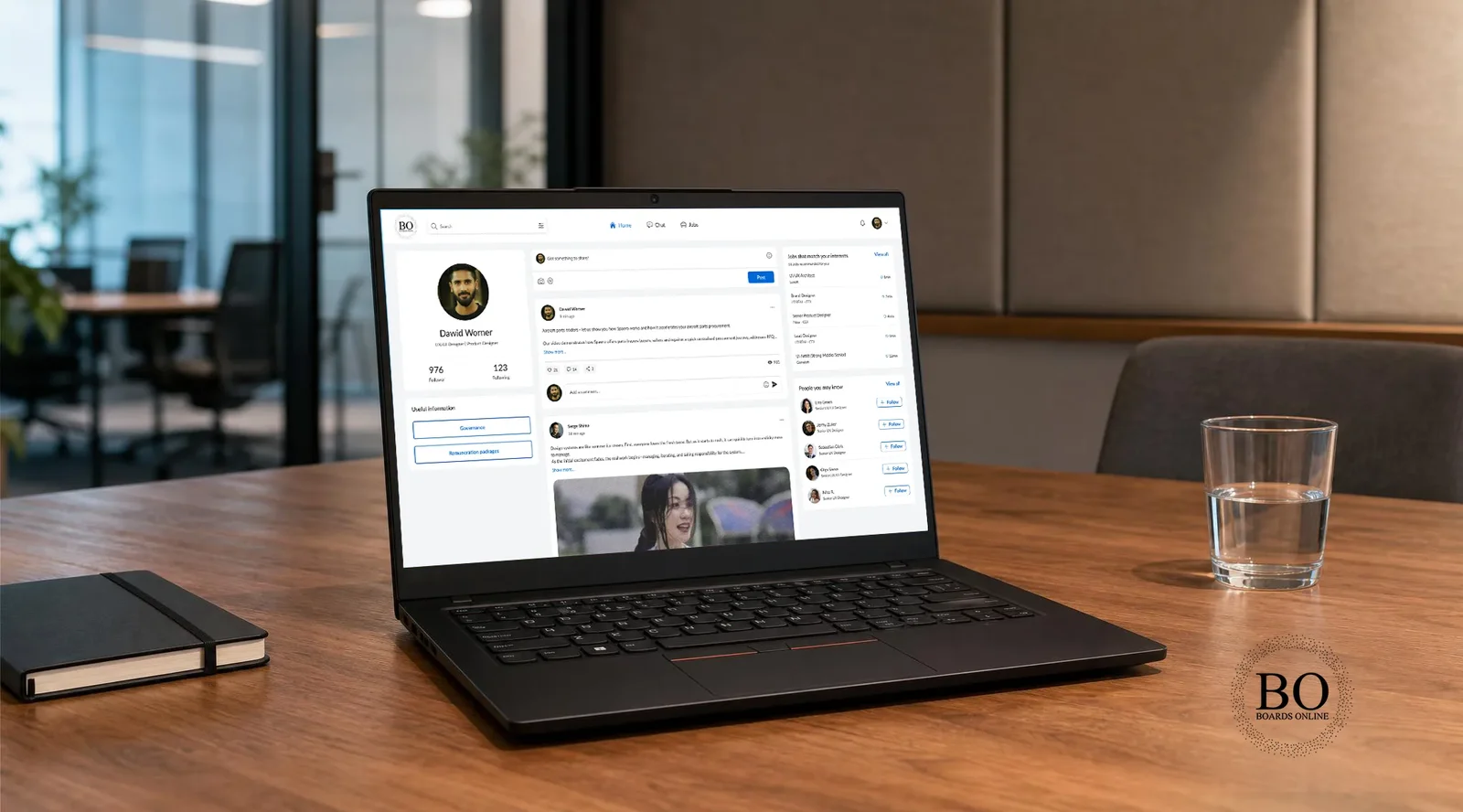
BoardsOnline
A founder paid for a platform reported as done. Engineers checked every feature, and the rebuild started from what worked.
- 3 verdictsFor every feature reported as done
- 6 monthsFrom the audit to a tested, live platform
- 1+ yearOf support after the contract ended
What You Get From the Assessment Week
A component-by-component verdict on what survives, finish and rebuild costed side by side, an access inventory, the security risks that need attention now, and an exact price to complete.
What We Can Take Over
Stacks Hygge has inherited before. When you need to take over software project code, the stack decides how long the first week runs.
The stacks a stalled web product usually arrives on, picked up as they are and brought back to a state where a release ships.
 React
React Angular
 Vue
Vue Next.js
 Node.js
 NestJS
 Python
 Django
 FastAPI
.webp?v=2026-09-29T09%3A19%3A03.736Z) .NET (C#)
.NET (C#).webp?v=2026-09-29T09%3A19%3A00.918Z) PHP (Laravel)
PHP (Laravel)Frequently Asked Questions
What founders ask a software audit company when a project has stalled.
 What is technical debt?
What causes technical debt?
How to identify technical debt?
Is technical debt bad?
What is tech debt in software development?
My developers disappeared. What do I do with the code?
Can another team take over an unfinished software project?
How do I know if my software project can be saved?
How much does it cost to rescue a failed software project?
What happens if there is no documentation for my code?
How long does it take to take over someone else's codebase?
Should I rewrite from scratch or fix the existing code?
When is a software rescue the right call?
From a Stalled Build to a Costed Plan
Tell us what happened and what still needs to ship. You get a call this week and a costed verdict after one week of work.

Tell Us What Stopped Working
Share who built it, when it stalled, and what has to run again before anything else matters.

Get a First Consultation
We review the codebase, access, and delivery state for anything that would change scope, cost, or timeline.
Receive a Detailed Proposal
A scoped plan with the approach, timeline, and cost, built around what the audit finds.