
Monitoring That Reaches a Person in Time
Collecting data is the easy part. Remote monitoring software earns its cost through what happens in the seconds after a threshold is crossed, and through whether anyone can reconstruct the event a month later.
What Remote Monitoring Software Solves
Why monitoring projects stall even when the data is already there. Readings arrive, a threshold fires, and the alert lands in a channel nobody is watching at two in the morning. A remote monitoring system earns its keep at the moment it reaches a person who can act.
Nobody Sees It in Time
The signal was in the data and the first person to notice was a customer.
- Streaming detection
- Thresholds and anomaly rules per signal
- Alerts within seconds of the condition
- Detection latency measured as a metric
Alert Fatigue
So many alerts fire that people stop reading them, which is worse than having none.
- Severity tiers with different routing
- Deduplication and grouping of related alerts
- Escalation when nothing is acknowledged
- Alert volume tracked and tuned down deliberately
History You Cannot Query
Something happened last month and the data to explain it is gone or unusable.
- Time-series storage sized for the retention you need
- Queries over billions of rows in seconds
- Raw data kept alongside aggregates
- Replay of an incident window
Volume That Outgrows the Database
Ingest was fine at a hundred devices and falls over at ten thousand.
- Streaming ingest with backpressure handling
- Storage chosen for write volume and query shape
- Aggregation at write time where it helps
- Load tested against projected growth
What Makes a Remote Monitoring System Work
Detection speed, how quickly the right person hears about it, and how long history stays queryable. Everything in the architecture serves one of those.
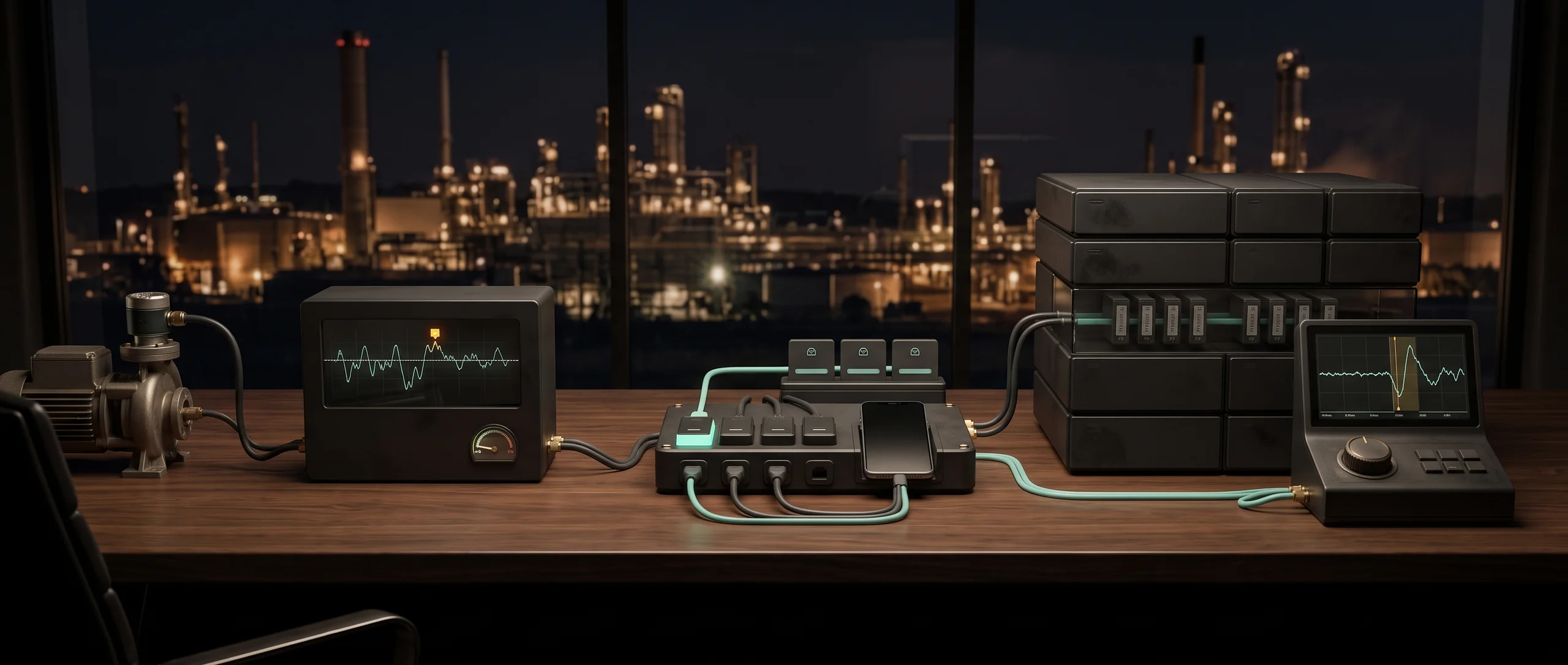
Where Condition Monitoring Software Runs
Sectors where this comes up most often, and where Hygge has shipped it. What changes between them is the thing being watched: a chiller, a production line, a fleet vehicle, a patient at home. IoT application development follows the same spine in all of them, and the thresholds and escalation rules move with the industry.
Retail & E-Commerce
Recommendation engines, retail media platforms and the billing accuracy that decides whether store partners stay.
Logistics & Warehouse Automation
Operator interfaces for autonomous fleets, industrial integration and systems rebuilt without taking a working site offline.
Public Safety & Security
Recognition and alerting systems for agencies working in the field, built to keep running when the network does not and to survive the audit that follows.
Healthcare & Staffing
Marketplaces and workflow tools for care organizations, where the mechanism in the middle decides whether the market is fair.

Aviation
Operations, maintenance and training software for an industry where every system carries a regulatory shadow.
The Stack Behind a Remote Monitoring System
Monitoring earns its place when an alert means something, so this stack is chosen around data arriving reliably at volume and rules that decide when to interrupt a person. A condition monitoring system adds the vibration, temperature and current readings that show a machine drifting before it stops. History stays queryable long after the incident, because that is when the questions arrive.
Getting data in reliably at volume. Readings arrive from thousands of devices at once, and the pipeline holds them when a downstream service is slow, so nothing is lost during a spike. A device that was offline sends its backlog and it lands in the right order.
 NATS
NATSRemote Monitoring Platform Track Record
Company numbers across every project, from the first audit through the years a system stays in service. On remote monitoring platforms Hygge is judged on the years a fleet of devices keeps reporting. The audit at the start is what makes the delivery date and the price hold.
How Remote Monitoring Software Gets Built
Detection targets first, then the architecture that meets them. Agreeing what has to be caught, and how fast, is what decides the hardware, the network and the cost. Predictive maintenance software is scoped in the same pass, since the models behind it need the history the platform is about to start collecting. IoT platform development starts once those targets are written down.
Signals and Targets
2 weeksTwo weeks defining what has to be detected, how fast, who needs to know and how long history must stay queryable. Those four answers set the architecture.
Ingest and Storage
3-5 weeksStreaming ingest with validation and backpressure, and storage chosen for the write volume and the query shape.
Detection and Alerting
3-4 weeksRules and anomaly detection on the stream, severity tiers, grouping, routing and escalation.
Dashboards and Tuning
2-3 weeksOperator views, incident replay, and a deliberate pass to reduce alert volume to what people will read.
Related Predictive Maintenance Software Work
Projects where this problem showed up and what got built for it. Each started with data already being collected and nobody acting on it in time. What you see is the system that closed that gap and the numbers that moved.
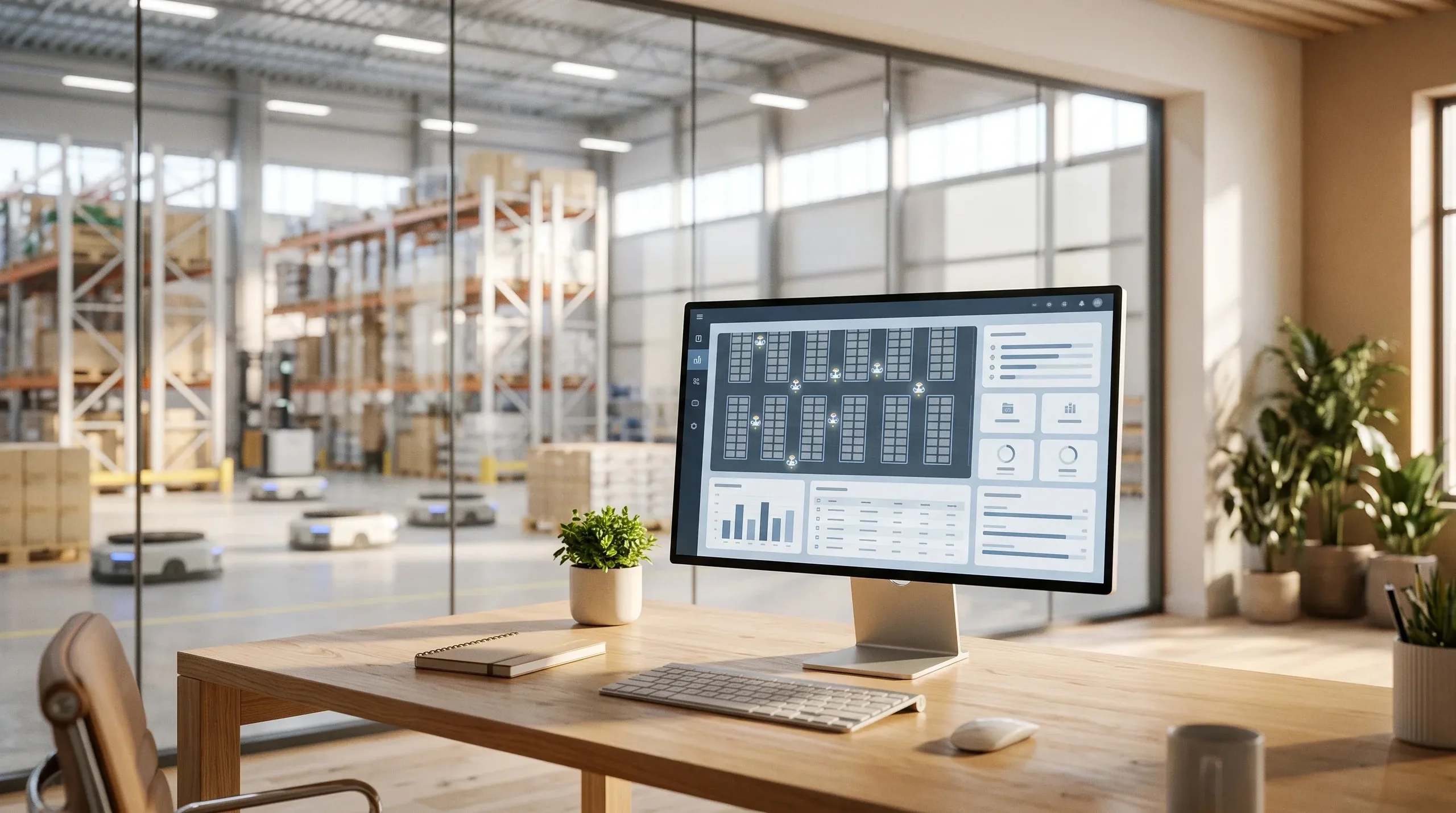
Slapstack
The console for autonomous warehouses, rewritten from Flask to React in pieces. No live warehouse went offline.
- 0Warehouse hours lost to a full rewrite
- 1 libraryReplaces hand-rolled pages, screen by screen
- 1 year onThe same client came back for phase two
Real-Time Monitoring Frequently Asked Questions
Teams ask about hardware, connectivity and what happens when the network drops. Remote patient monitoring software development adds a second layer of questions about consent and clinical responsibility. The answers below cover both.
 What are remote monitoring tools?
What is remote device management and remote monitoring?
How to use a remote system monitor?
What is remote monitoring?
What is remote monitoring and management?
How does remote monitoring work?
What is a remote monitoring system?
What is remote maintenance?
How fast is real time?
How do you avoid alert fatigue?
How much history should we keep?
Can it handle our growth?
From Scattered Sources to One Reliable Layer
Tell us what systems you run and what question you cannot answer today. You get a source inventory, a scope, and a price.
Tell Us What's Running Unmonitored
Share the models, the stack, and where deployment or monitoring is still manual, whatever's costing your team time right now.
Get a First Consultation
We map your current models and infrastructure for anything that would change scope, cost, or timeline.
Receive a Detailed Proposal
A scoped plan with the approach, timeline, and cost, built around your actual stack.