
Industrial IoT Development
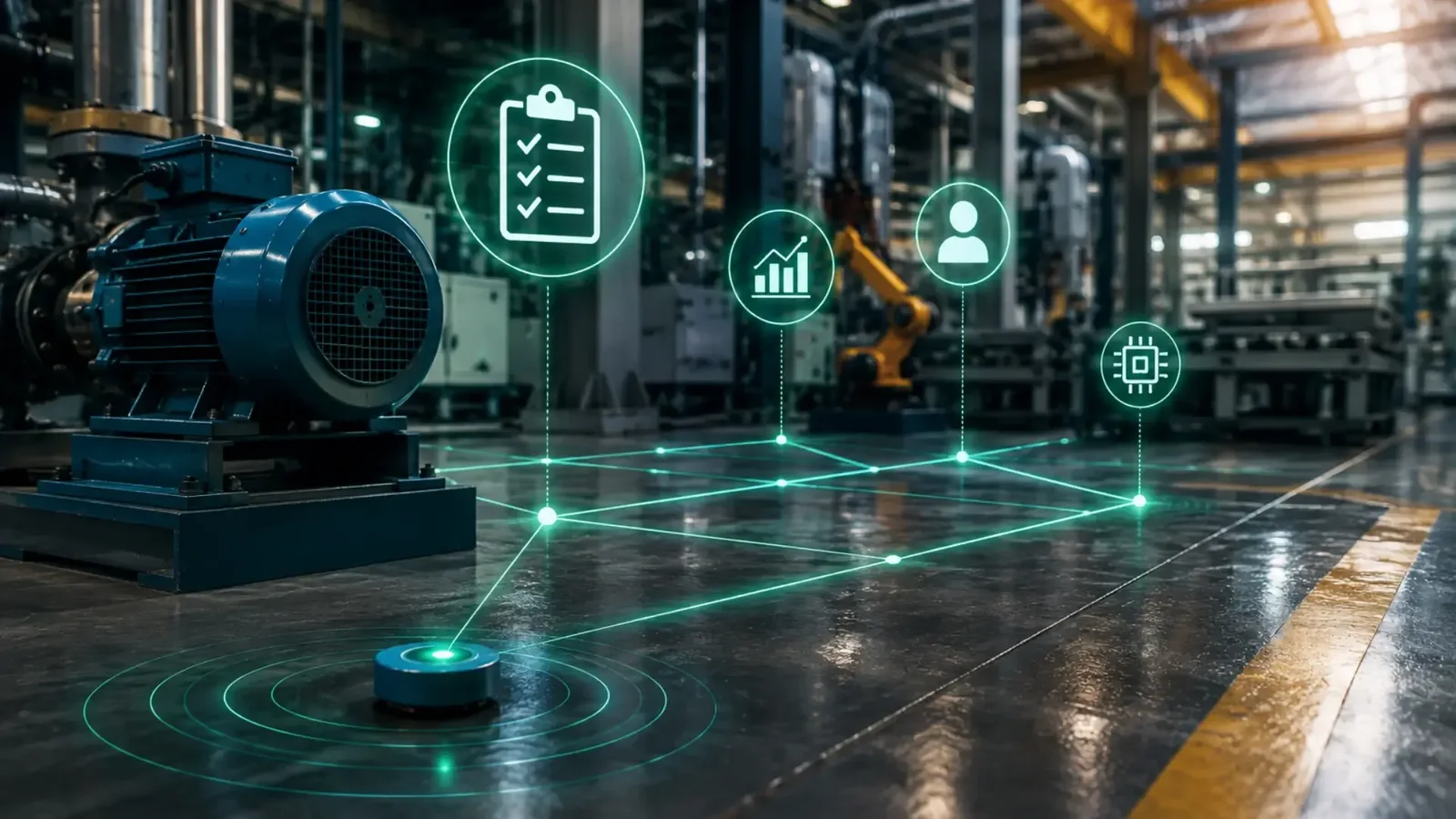
Machine data taken off the floor through the protocols the equipment already speaks, processed at the edge so the line keeps running when the link drops. Hygge's industrial IoT solutions are built around plant reality: equipment older than the network, and an OT boundary that stays where it is.
What IIoT Development Services Cover on the Plant Floor
The layers between a machine that already produces signals and an operations team that acts on them. Industrial IoT solutions at Hygge scope which of these your site needs after a walk of the floor.
Reading What the Equipment Already Speaks
Modbus, OPC UA, Profinet, EtherNet/IP, and serial links into PLCs and controllers installed decades apart, plus retrofit sensors where a machine exposes nothing at all.
Edge Processing on Site
Aggregation, filtering, and rules running on a gateway in the cabinet, so a threshold still fires when the uplink is down. IIoT solutions that keep the site useful on its own.
Condition Monitoring With Real Thresholds
Vibration, temperature, current, and cycle counts tracked against limits set by the people who run the machines, since they know which reading matters at three in the morning.
Failure Prediction Where Data Supports It
Models trained on your recorded failures once enough of them exist, with the accuracy benchmarked before anyone acts on an alert. Predictive maintenance solutions start as monitoring and earn the prediction later.
OT and IT Boundaries Kept Intact
One-way data flow out of the control network, a segmented gateway, and no path from the corporate side back into a PLC, agreed with whoever owns plant safety.
Screens a Shift Supervisor Reads
Dashboards and alerts built for the person on the floor and the planner in the office, each showing the decision they make. Industrial IoT services delivered to the people who use them.
What Industrial IoT Consulting Settles
Hygge opens with an assessment of the equipment, the network on the floor, and the decisions the data is meant to change. Industrial IoT development quoted from a real machine list, with the price agreed before anything is installed.
The assessment produces each of these:
- An equipment inventory with what each machine exposes today and what needs a retrofit sensor.
- The network as it is on the floor, including the segments nobody documented and the ones that must stay isolated.
- The decisions the data should change, named with the person who makes each one.
- A pilot line or cell chosen so the result transfers to the rest of the site.
- Fixed scope and price for the pilot, agreed before installation.
What Sends a Plant Looking for This
The situations that start most software development for manufacturing projects.
Four vendors, four protocols, and every integration quote assumes replacing the equipment. Industrial IoT reads the machines already on the floor through a gateway. The audit inventories protocols and network conditions on site.
Downtime Gets Diagnosed After the Fact
A machine stops, someone walks over, and the cause is diagnosed afterwards. Nobody has the readings from the hour before the failure, so the same event repeats.
The Data Exists on Paper
Operators log readings on a clipboard and someone types them into a spreadsheet weekly. By the time a trend is visible, the part has already been replaced twice.
Each Machine Speaks Its Own Language
Four vendors, four protocols, three of them proprietary, and every integration quote so far has assumed replacing the equipment.
The Pilot Never Left One Cell
A proof of concept ran on one line and stayed there, because rolling it out means touching a network nobody wants to disturb during production.
IT and OT Cannot Agree
Operations will not open the control network, IT will not support an unmanaged gateway, and the project waits while both positions hold.
How an Industrial Rollout Runs
From a walk of the floor to a pilot cell reporting, then a rollout that repeats without a new integration each time. This is how industrial IoT solutions get built at Hygge.
Walk the Floor
The machines, the controllers, the network segments, and the maintenance log, with the people who operate the equipment in the room.
Prove One Cell
A single line or machine instrumented end to end, chosen so what works there transfers to the rest of the plant. Industrial IoT development that produces the template every later machine is commissioned from.
Settle the Boundary Early
The OT and IT split agreed with both sides in writing before hardware goes into a cabinet, since that conversation stops rollouts more often than any technical problem.
Give the Floor Something Useful
An alert or a screen that changes a decision within the first weeks, so operators see the value before they are asked to trust it.
Roll Out by Repetition
The pilot becomes a documented pattern: the same gateway build, the same protocol adapters, the same commissioning checklist per machine.
What Changes When the Floor Reports Itself
Data leaves the equipment you already own, with no purchase order to start the project. The line keeps running through the rollout, because the gateway sits alongside what is there. IIoT development services are shaped by the equipment already on the floor. Industrial automation software development connects to conveyors, sorters, scales and the controllers behind them through defined contracts, so replacing one piece of hardware later leaves the rest of the system alone.
What Industrial IoT Gives Back
The standards this work is held to, set against your current baseline and checked after delivery.
Where the Floor Already Knows More Than the Report
Sectors where machines produce data that never reaches anyone who could act on it.
Logistics & Warehouse Automation
Conveyors, scanners, and autonomous units reporting throughput and stoppage in real time.
Retail & E-Commerce
Distribution centers reporting pick rates and stock accuracy back to merchandising.

Aviation
Ground equipment reporting usage and maintenance need into compliance records.
Fitness & Wellness
Equipment across sites reporting usage so servicing follows actual wear.

Media & Entertainment
Production and playout equipment reporting uptime against contractual obligations.
Healthcare & Staffing
Facility equipment reporting condition into clinical operations and maintenance schedules.
Public Safety & Security
Fixed installations reporting status into a command view that stays usable on a bad link.
Real Estate & PropTech
Building systems reporting energy, occupancy, and fault data across a portfolio.
Data Pulled Off Real Operations
Work where the input came off equipment and live sites.
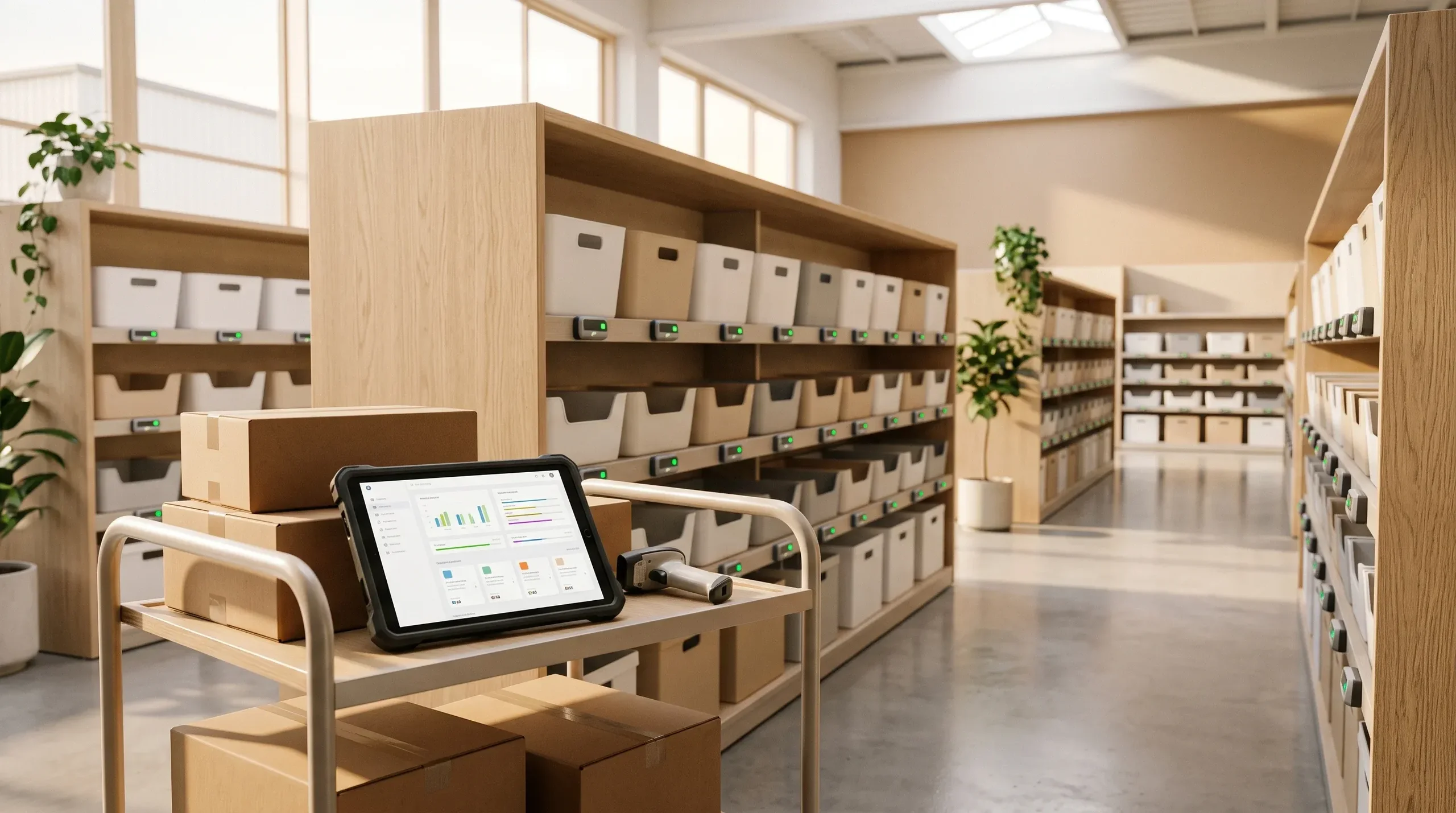
Pick-to-Light System Integration
Pick to light system integration for an equipment integrator. One layer ties lights, sorters and loaders to the WMS at every site.
- 3Equipment Types on One WMS
- Every pickConfirmed Back to the WMS
- LiveEquipment Faults on Screen
- 1 layerFor Lights, Loaders and Conveyors
What You Get From the Plant Assessment
An equipment inventory with what each machine exposes, the floor network as it is including the segments nobody documented, the decisions the data should change with an owner against each, a pilot cell chosen so the result transfers, and an exact price. Industrial IoT solutions scoped from a real machine list.
What We Read and Run On
Chosen against the equipment you have, the network you are allowed to touch, and what your own maintenance team can support, so industrial IoT services stay serviceable after handover.
Reading the equipment that already runs the line, through the protocols it was built to speak, with no change to the PLC programme the plant depends on.
 MQTT
MQTT CoAP
CoAP C
C Go
GoFrequently Asked Questions
What operations and engineering leads ask about industrial automation software development.
 What is IIoT technology?
What is IoT in Industry 4.0?
What is an application of industrial IoT?
How does IIoT enable smart factory solutions?
What is industrial IoT?
Can you read from existing PLCs and sensors?
How do you handle sites without reliable network?
What about predictive maintenance?
How do you secure an industrial network?
How long does a pilot take?
What does it cost?
What do industrial IoT development services cover?
From a Clipboard on the Floor to a Reading That Raises a Job
Tell us what the machines are, what they expose, and which decision you want the data to change. You get an equipment inventory, a pilot scope, and an exact price, the way every industrial IoT solutions project at Hygge starts.
Tell Us What the Machines Already Produce
Share the equipment on the floor, the protocols it speaks, and the numbers you want out of it.
Get a First Consultation
We review your equipment, protocols, and plant network for anything that would change scope, cost, or timeline.
Receive a Detailed Proposal
A scoped plan with the approach, timeline, and cost, built around your actual plant setup.