
Software Architecture Consulting
Your architecture decides two things: how fast your team ships a feature, and how much you pay to run the product every month. Hygge reads the system you already have and gives you a target design, an order of work, and a price against each step.
Inside an IT Architecture Consulting Project
Hygge picks the parts your system needs during the first read, and the quote covers those.
Read of Your Current System
Hygge reads your code, your infrastructure setup and your outage history together. You get a straight answer on what the system handles today and where it gives way first.
The Target Design
A solution architecture your team can build against: where the system should end up, with each part doing one job. Split the parts along the lines your business already splits on and a new feature touches one of them.
Architecture Decision Records
Every choice written down with what it costs and what it rules out. Six months later a new engineer reads why the queue is there, so nobody reopens a decision that was already settled.
Who Owns What
Each part of the system gets a team name against it. Work stops queueing behind one person, and a release stops needing four teams in the same meeting.
What It Costs to Run
A monthly figure for each design at today's traffic and at three times it, so cloud architecture choices arrive with the bill attached.
The Order of Work
The riskiest part goes first, and every step ships on its own with a way back. Your product keeps earning while the system changes underneath it.
What the Review Puts on Your Desk
Hygge starts by reading the system, the limits it runs under, and the roadmap it has to carry. The price for software architecture consulting services is quoted from that read and agreed before design work starts.
You finish the review holding:
- A map of your system as it runs today, including the points that give way first under load.
- A target design with every boundary named and the trade-off behind it in plain words.
- The options Hygge turned down, with the reason, so the choice holds up when somebody questions it a year later.
- An order of work where each step ships on its own and pays off even if the next one waits.
- A monthly run cost per component, at today's traffic and at the traffic you are planning for.

What Brings a System to a Review
These show up again and again. Any one of them is a reason to look at the architecture before spending another quarter on features.
Each of these costs real money in a way nobody puts on a line item: engineers waiting on each other, a cloud bill nobody can explain, and features that took a week now taking a month. Software architecture consulting turns that into a list you can price and fix in order.
Every Change Touches Five Services
A one-line feature turns into four pull requests and a release meeting. The split was drawn around the code that existed back then, and your product has moved since.
The Design Lives in One Head
One engineer knows why each piece sits where it does. Planning stalls when that person is on leave, and a new hire takes three months to become useful.
The Cloud Bill Outgrows the Traffic
Spend climbs faster than users and nobody can name the component doing it. Finance asks the same question every month and gets a different answer.
A Rewrite Was Proposed With No Price
The team wants to start over, leadership wants a number, and the estimate swings by three times depending on who gives it.
The Same Job, Built Twice
Two services do the same thing with different data, and the glue holding them together has become a third system nobody planned or owns.
How the Review Runs
Two weeks from reading your code to a plan with a price on every step.
Read the System As Built
Week 1Your repository, your infrastructure, your dashboards and your outage history. Nothing gets proposed until Hygge knows how the system behaves on a bad day.
Talk to the People Who Run It
Week 1The engineers on call know which component wakes them at night. That list sets the order of everything after it.
Model the Options
Week 2Two or three designs that would work, each put through the same traffic, the same failures and the same monthly bill. You see the workings for all of them.
Write the Decisions Down
Week 2Each choice recorded with its reason, its cost, and the thing that would make it wrong later. Your team gets a document they can argue with.
Sequence the Work
Week 2The order of delivery with a price and a result against each step, so your team can start on Monday and stop at the point where the value runs out.
What Changes After the Review
A feature stops rippling through the whole system. The parts get split along the lines your business already splits on, so a change lands in one place and goes out the same week. The cloud bill becomes something you can steer. Every component carries a cost, so when spend moves you know which part moved it and what it takes to bring it back down. The design stops living in one person's head. Every decision sits in writing with the reason behind it, so a new engineer is useful in their first week and planning keeps moving when somebody is away. Enterprise architecture services cover the whole estate: what talks to what, what gets replaced first, and what a decision made this quarter costs in three years. Cloud architecture consulting narrows that to the platform, and microservices architecture consulting to the question most teams ask too early, which is whether to split at all.

What Enterprise Architecture Services Give Back
The standards a Hygge architecture project is built to hit, measured against how your system runs today.
Where the Next Order of Magnitude Is Already Visible
Sectors where growth is planned and the current design will not carry it.

Retail & E-Commerce
Order and catalog systems sized for a peak that doubles year over year.

Logistics & Warehouse Automation
Event ingestion from a growing device estate, where volume rises with every new site.

Media & Entertainment
Streaming and delivery designed for audience spikes that arrive without warning.

Sales & Marketing Technology
Multi-tenant revenue platforms where one large account can affect everyone else.

Healthcare & Staffing
Health systems where data volume grows and retention rules never let anything go.

EdTech
Learning platforms scaling from one institution to a hundred without a rewrite.

Real Estate & PropTech
Property platforms adding portals, regions, and document types on the same core.
Fitness & Wellness
Member platforms scaling from one location to a franchise network.
Systems Reviewed and Rebuilt
Projects Hygge has delivered on systems already carrying production traffic.
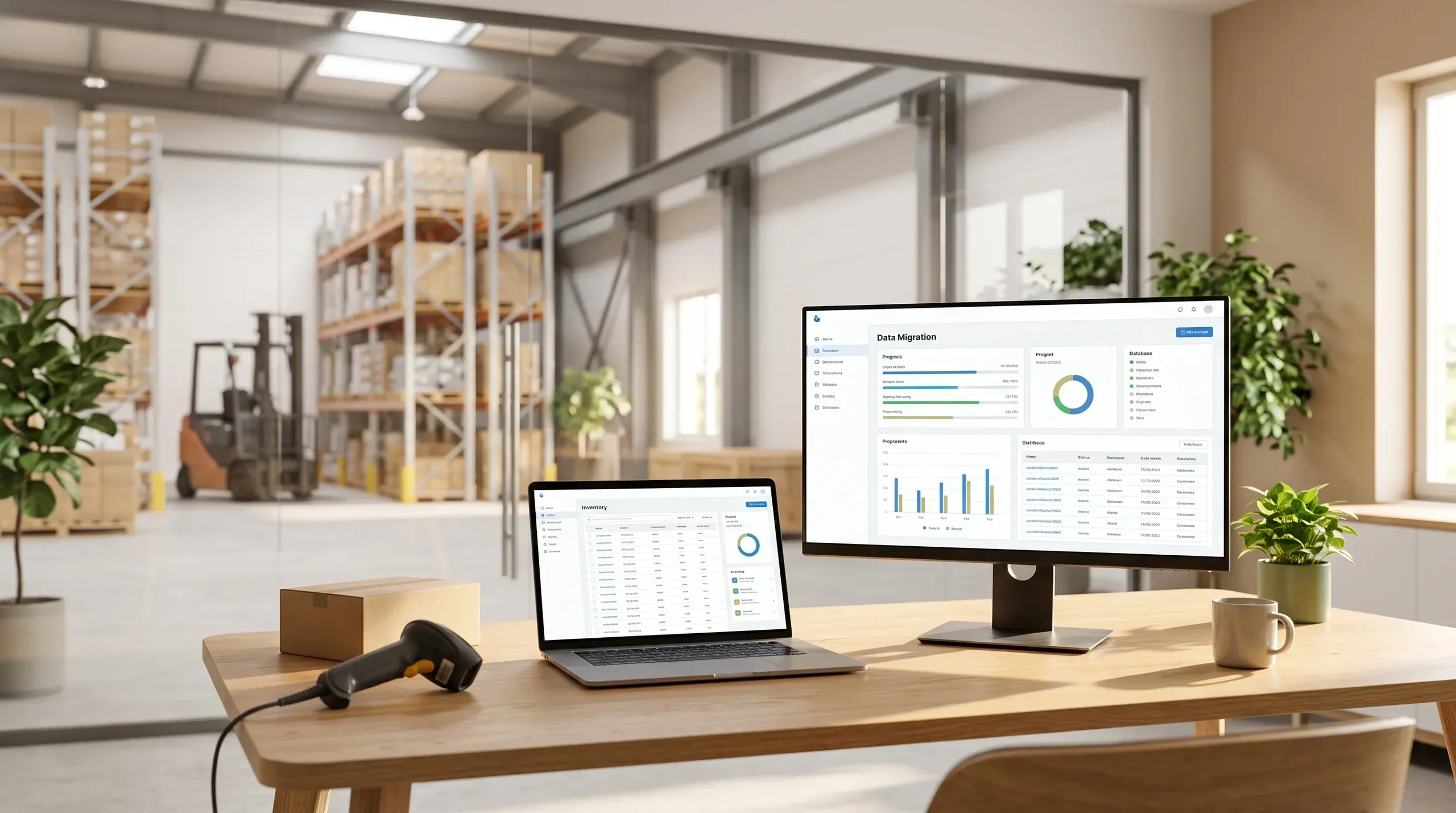
WMS Migration
This WMS migration moves a seven-year-old system off Oracle to Java and PostgreSQL in stages, so the warehouse keeps shipping.
- ≤300 msAPI Response Time
- ≤1 sPage Load on the Floor
- 3 languagesOn Handheld Scanners
- 10 rolesWith Role-Based Access
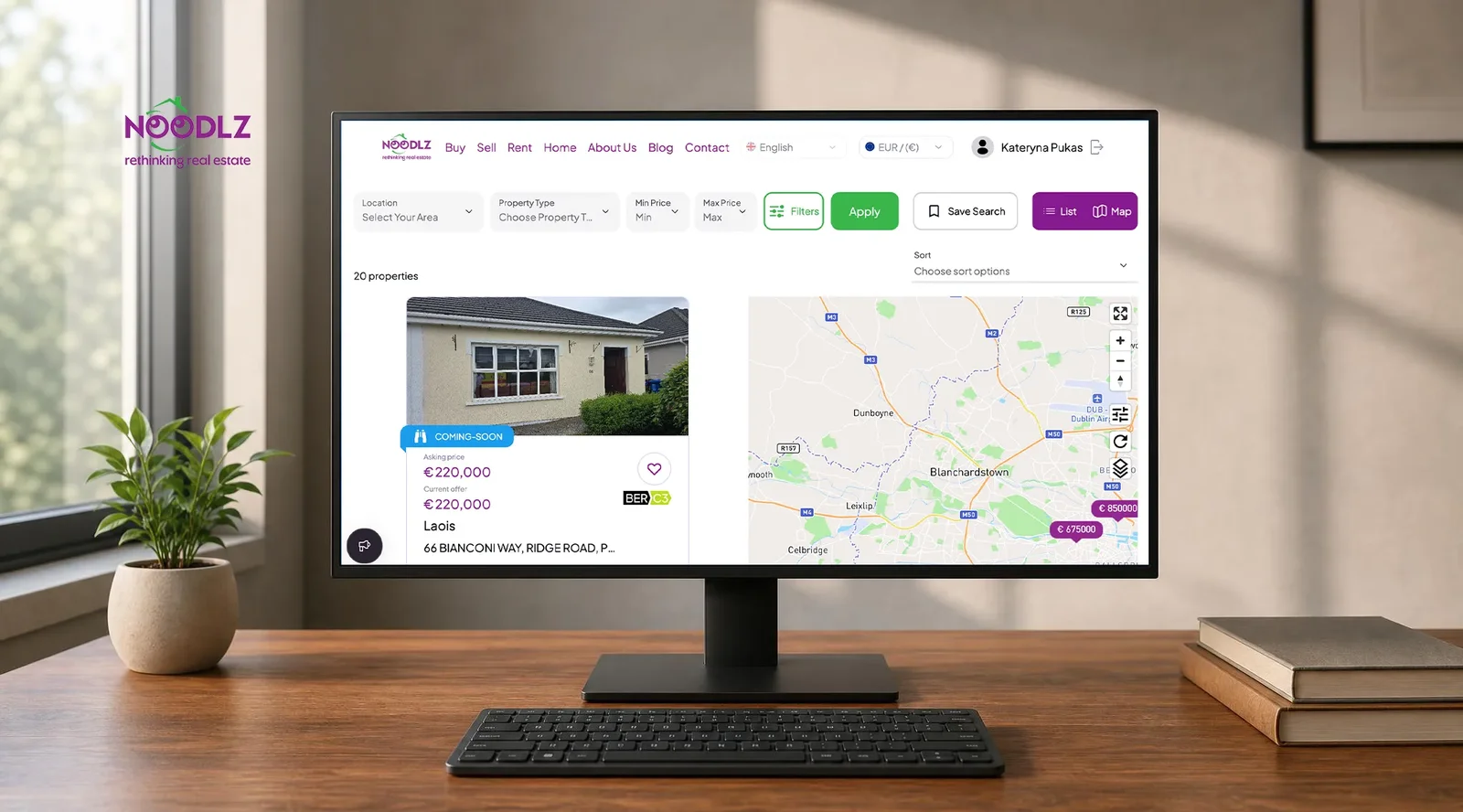
NOODLZ
Live auction software for an Irish agency network. Auctions moved off phone calls into one platform with verified bidders and a document vault.
- 1 platformReplaces auctions run outside any system
- 1 vaultReplaces contracts moving between inboxes
- 2+ yearsOf continuous delivery since 2024
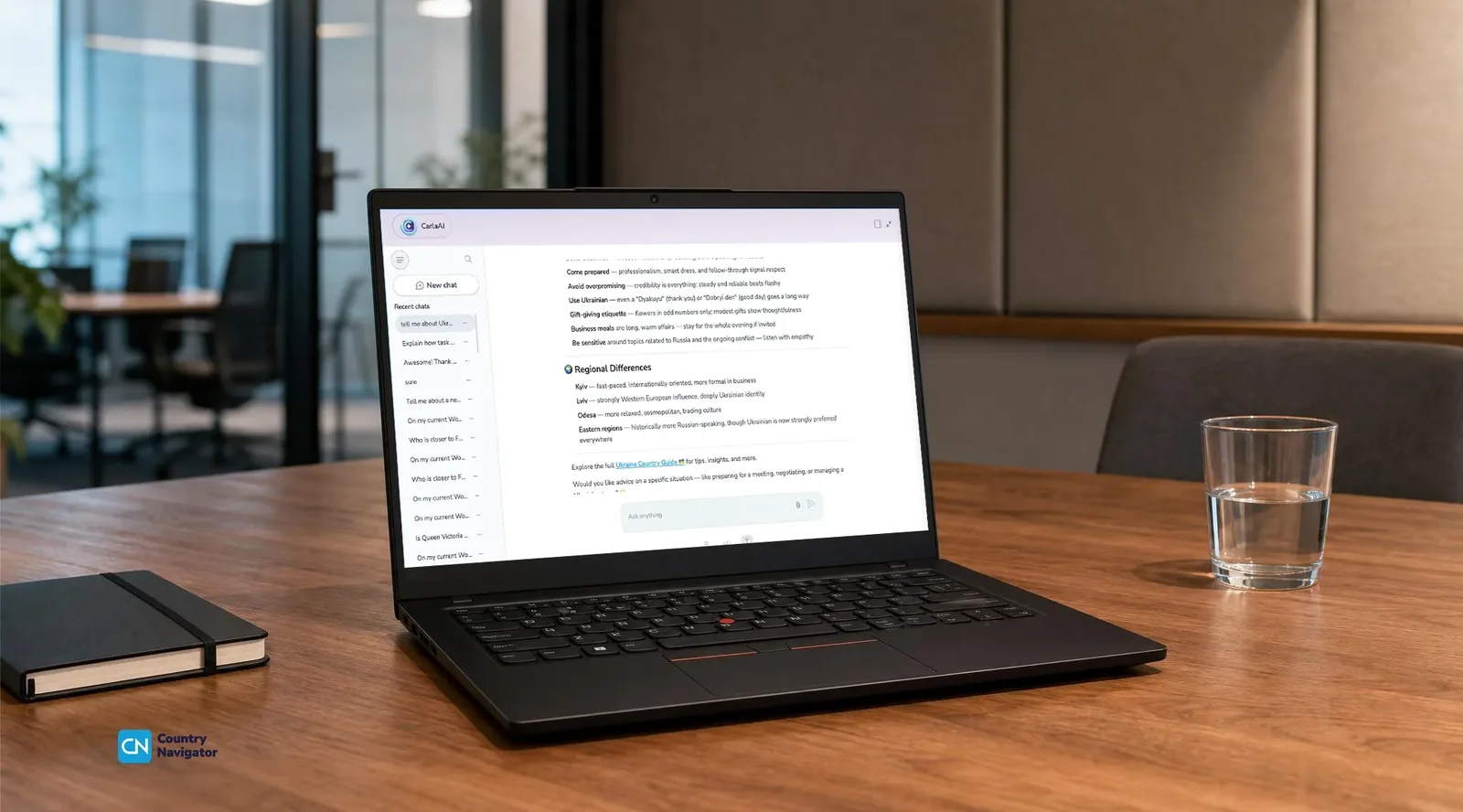
Country Navigator
A ten-year-old cultural intelligence training platform rebuilt into services. Enterprise customers kept working through a zero downtime migration.
- 0Downtime moving a ten-year-old platform
- 1 configReplaces the SSO setup only one person knew
- 10 yearsOf monolith rebuilt into services
See What Your System Costs You Every Month
A map of the system you run today, a target design, a decision record per choice, a run cost per component, and an order of work with a price on every step. Software architecture consulting delivered as documents your team keeps and can act on without Hygge.
What Cloud Architecture Consulting Designs Against
Chosen against your load profile, your compliance boundary, and what your own team will operate afterwards. Software architecture services at Hygge stay inside the stack your engineers can hire for.
How the system is divided into parts, and how those parts talk. The decision made here sets the cost of every feature added over the next three years.
 TypeScript
 NestJS
 Go
Go Java
Java Spring Boot
 gRPC
gRPC

Frequently Asked Questions
What technical leads ask about microservices architecture consulting before booking a review.
 What is software architecture?
What is software architecture design?
What are the different types of software architecture?
How to design software architecture?
How to create a software architecture diagram?
What does an architecture review cover?
How long does a review take?
What do we get at the end?
Can you review a system you did not build?
Do you also implement the recommendations?
How do you handle disagreement with our team?
What does a review cost?
What are custom solution architecture services?
From a Diagram Nobody Trusts to a Plan With Prices
Tell Hygge what the system does today and which change keeps getting pushed to next quarter. You get a review scope, a timeline and an exact price, the way every software architecture consulting project here starts.

Tell Us Where the Architecture Is Straining
Share your current load, the growth you expect, and the change that keeps getting postponed.
Get a First Consultation
We review your architecture, data model, and growth targets for anything that would change scope, cost, or timeline.
Receive a Detailed Proposal
A scoped plan with the approach, timeline, and cost, built around your actual growth targets.