
DevOps Services
Pipelines, infrastructure as code, and release automation your own engineers run after handover. Hygge's devops services start from how your team ships today, then remove the steps that need one specific person to be awake.
What DevOps Engineering Services Put in Place
The layers that decide whether a release is routine or an event. Hygge scopes which of them your team needs after watching a real deploy.
CI/CD Pipelines
Build, test, and deploy running on every commit, with the gates that block a bad merge before it reaches an environment anyone depends on. DevOps automation services start at this layer because everything after it inherits the same discipline.
Infrastructure as Code
Every environment defined in a repository and reproducible from scratch. DevOps consulting earns its fee here, because undocumented infrastructure is where a migration stalls.
Environments and Release Strategy
Staging that resembles production closely enough to be worth having, plus feature flags, staged rollouts, and a rollback that takes one action.
Monitoring and Alerting
Dashboards tied to what users experience, and alerts tuned so the ones that fire are the ones worth waking someone for. Site reliability engineering services begin with cutting the noise.
Security in the Pipeline
Dependency scanning, secret management, and image checks running inside the build. DevSecOps consulting puts those gates where a failure is cheap to fix.
Cost and Capacity
Right-sized instances, autoscaling with a ceiling, and a cloud bill broken down by service, so spend moves with usage and someone owns the number.
What a Delivery Audit Settles First
Hygge opens with an audit that watches a real release go out. DevOps consulting services quoted from a questionnaire miss the manual step everyone stopped noticing.
The audit produces each of these:
- Lead time from commit to production, measured on your last thirty releases.
- Every manual step in the path, and which person is the single point of failure for each.
- What exists as code and what exists only in someone's console history, including where devsecops services gates are missing from the build.
- The cloud spend baseline, with the waste named and priced.
- Fixed scope and price for phase one, agreed after the audit.
What Sends a Team Looking for DevOps Help
The situations behind most enquiries for DevOps engineering services.
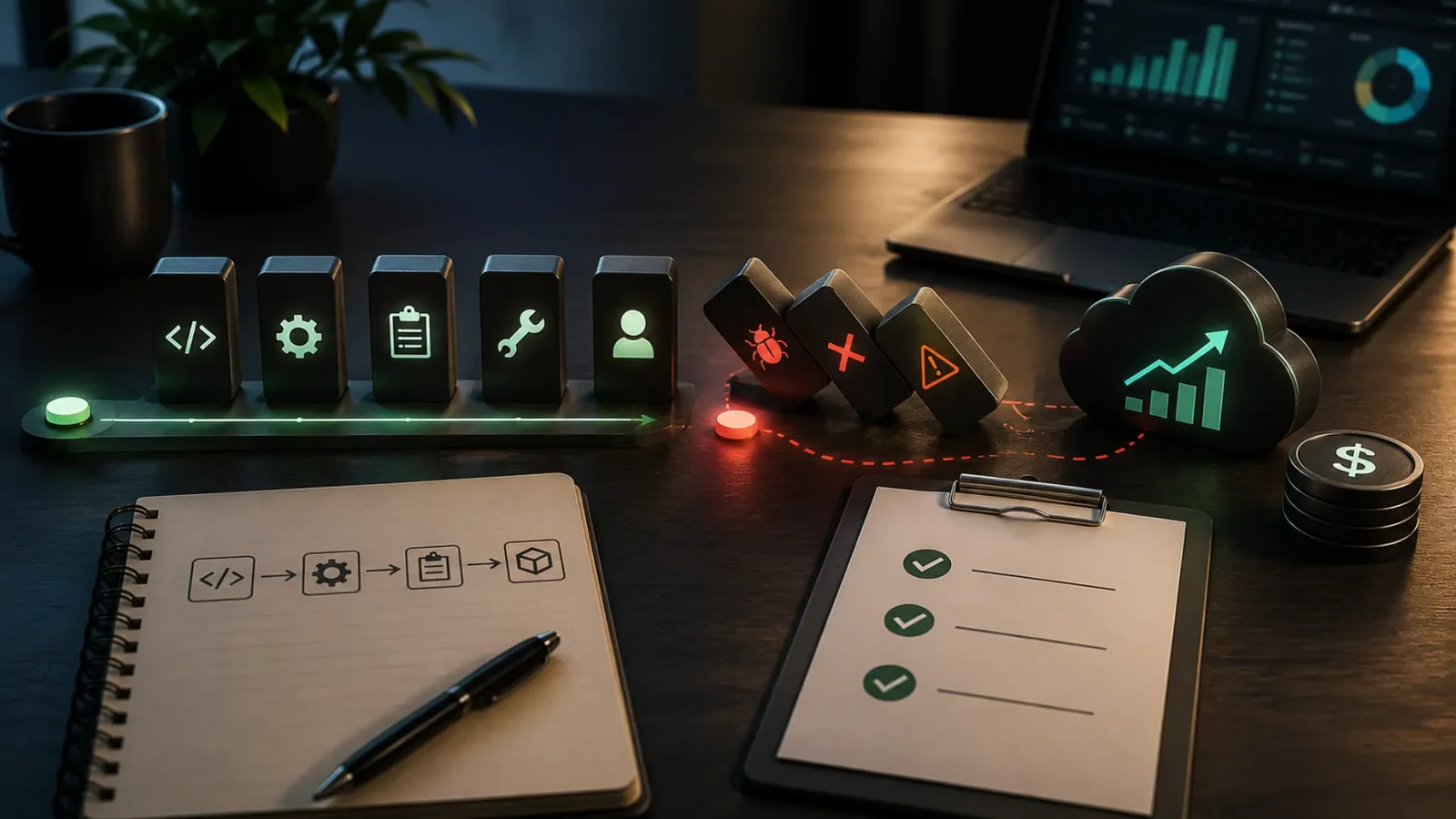
Deploys need one specific person, staging proves nothing, and rollback is a rumour. DevOps work turns that into one pipeline every team uses, with rollback on the same path. The audit maps how a change reaches production today.
Deploys Need One Specific Person
Releases happen when a particular engineer is available, because parts of the process live in their terminal history. Their holiday becomes a release freeze.
Staging Proves Nothing
The staging environment drifted from production months ago. Everything passes there and breaks after deploy, so the team stopped trusting the signal.
Rollback Is a Rumour
There is a plan for going back, and it has never been tested. When a release goes wrong the team fixes forward under pressure, at the worst possible hour.
Alert Fatigue
Everything alerts, so nothing does. The channel scrolls past unread and the one incident that mattered arrives as a customer email. Teams adopting site reliability practice start by deleting alerts.
The Cloud Bill Grows Faster Than Traffic
Instances sized for a load test two years ago, storage nobody cleaned up, and cross-zone transfer nobody measured. Finance asks and engineering guesses.
How We Improve Delivery
From watching one release to a pipeline your own team runs, with lead time measured at every stage. Hygge delivers this as a capability transfer, so the knowledge lands inside your team.
Delivery Audit
Two to three weeks on your pipeline, your environments, and your cloud account, ending in a measured baseline and an exact price.
Codify What Exists
Current infrastructure captured as code before anything changes, so the first improvement has a known state to build on.
Automate the Path
Manual steps removed one at a time, each with the rollback tested before the next one starts.
Instrument and Tune
Monitoring tied to user experience, alerts cut down to the ones worth acting on, and cloud spend brought in line with usage. This is where site reliability engineering services overlap with delivery work.
Handover
Runbooks, an on-call rotation your team can staff, and working sessions with your engineers, so the capability stays after we leave.
What Changes Once Delivery Is Automated
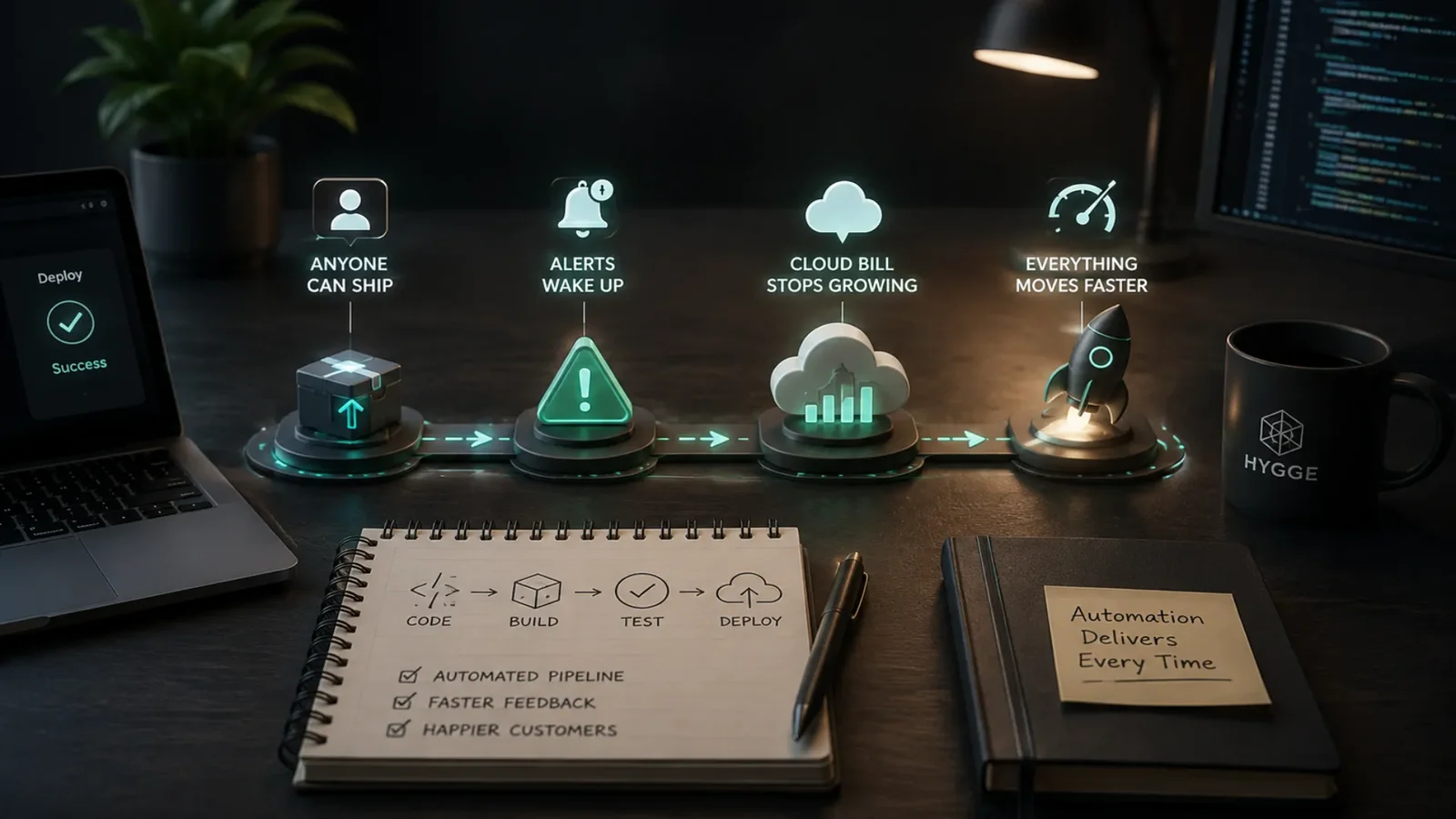
Anyone on the team can ship, and a bad release goes back on the same route it came out on. Alerts point at something worth waking up for, and the cloud bill stops growing faster than traffic. Infrastructure as code services are the part that pays off twice: once when a new environment is stood up in an afternoon, and again when a review asks how the production one was built. Container orchestration usually starts with whether you need it at all, and Kubernetes services follow once the answer is yes.
What DevOps Gives Back
These are the targets the work is built to hit, measured on your own numbers.
Where a Release Has to Be Boring
Sectors where a deploy that goes wrong is visible to customers within minutes.

Retail & E-Commerce
Release windows sized around trading hours, with rollback that finishes before a checkout queue forms.

Logistics & Warehouse Automation
Floor systems updated between shifts, where a failed deploy stops picking on every site at once.

Healthcare & Staffing
Clinical systems patched under change control, with an audit trail for every production change.

Media & Entertainment
Streaming platforms shipping during live events, where capacity and deploys collide.

Sales & Marketing Technology
Revenue tooling released without breaking a CRM sync the whole sales team depends on.

EdTech
Learning platforms deploying around exam weeks, when downtime has no acceptable window.

Real Estate & PropTech
Portal feeds and auction services released without dropping a live bidding session.

Aviation
Operations software deployed into environments where change approval is a regulated process.
DevOps Consulting Services Running in Production
Pipelines Hygge has handed over to teams who run them now.

Health Data App Rescue
An app rescue: a health app that would not launch was fixed and put on AWS. It reached both stores in two months, in time for the investor demo.
- 2 monthsFrom Failed Build to Production
- 2 storesApproved and Live
- Original budgetKept Throughout
- OngoingSupport After Handover
Petrey
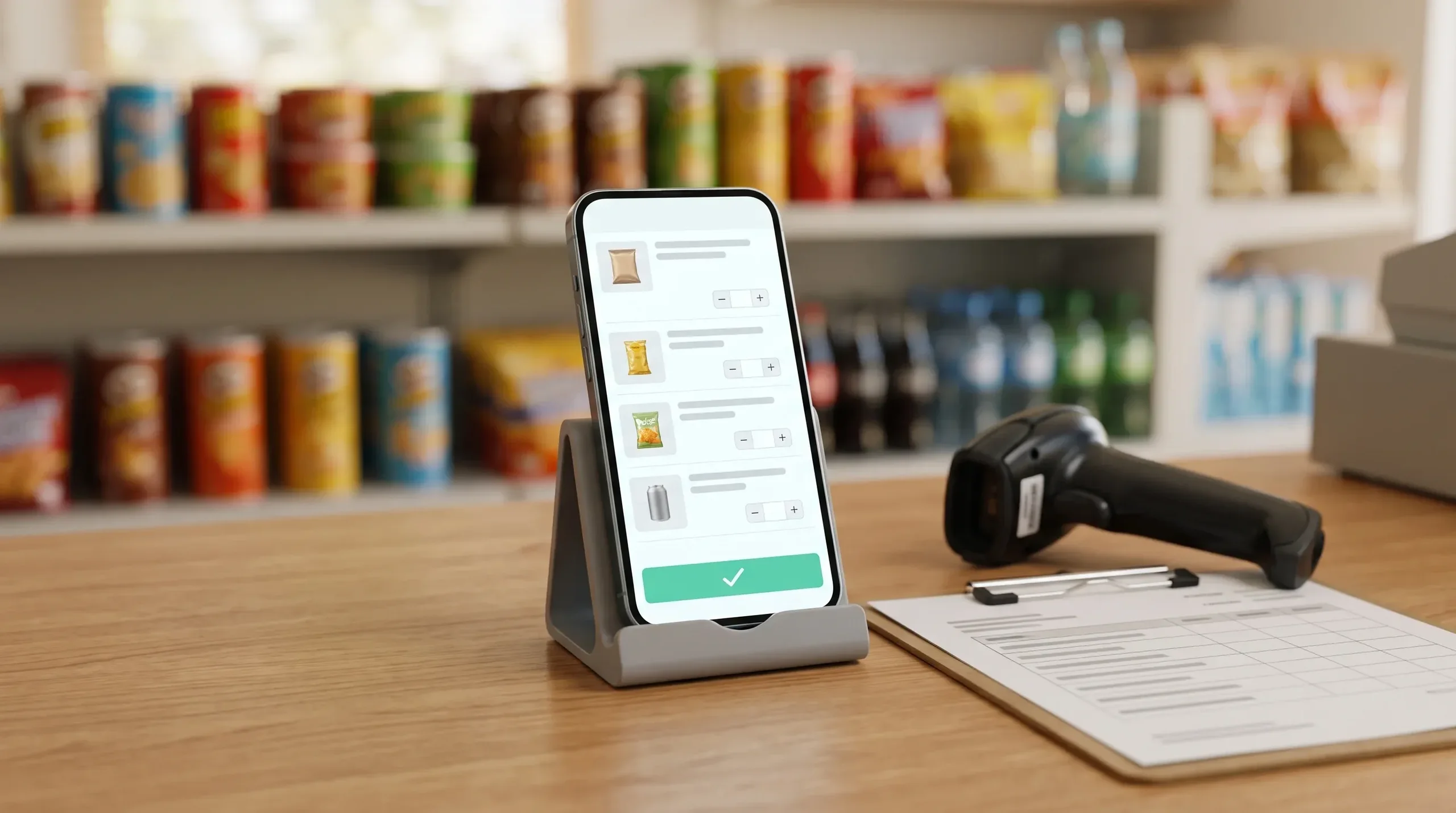
A React Native ordering app and Laravel back end for a wholesale firm founded in 1898, built to stay fixable for years.
- YearsIn Production Since Delivery
- < 1 hourTo Fix a Server Crash
- 1 codebaseFor iOS and Android
- PositiveClient Relationship

Drilling Management Platform
Drilling management software for a Swedish company: an office web platform and a synced field app that share one record per pile.
- 477Delivery Items Since November 2024
- ~5 peopleOne Team From PM to QA
- 1 recordPer Pile, Shared by Field and Office
- OngoingSupport and New Features
CreAItivity
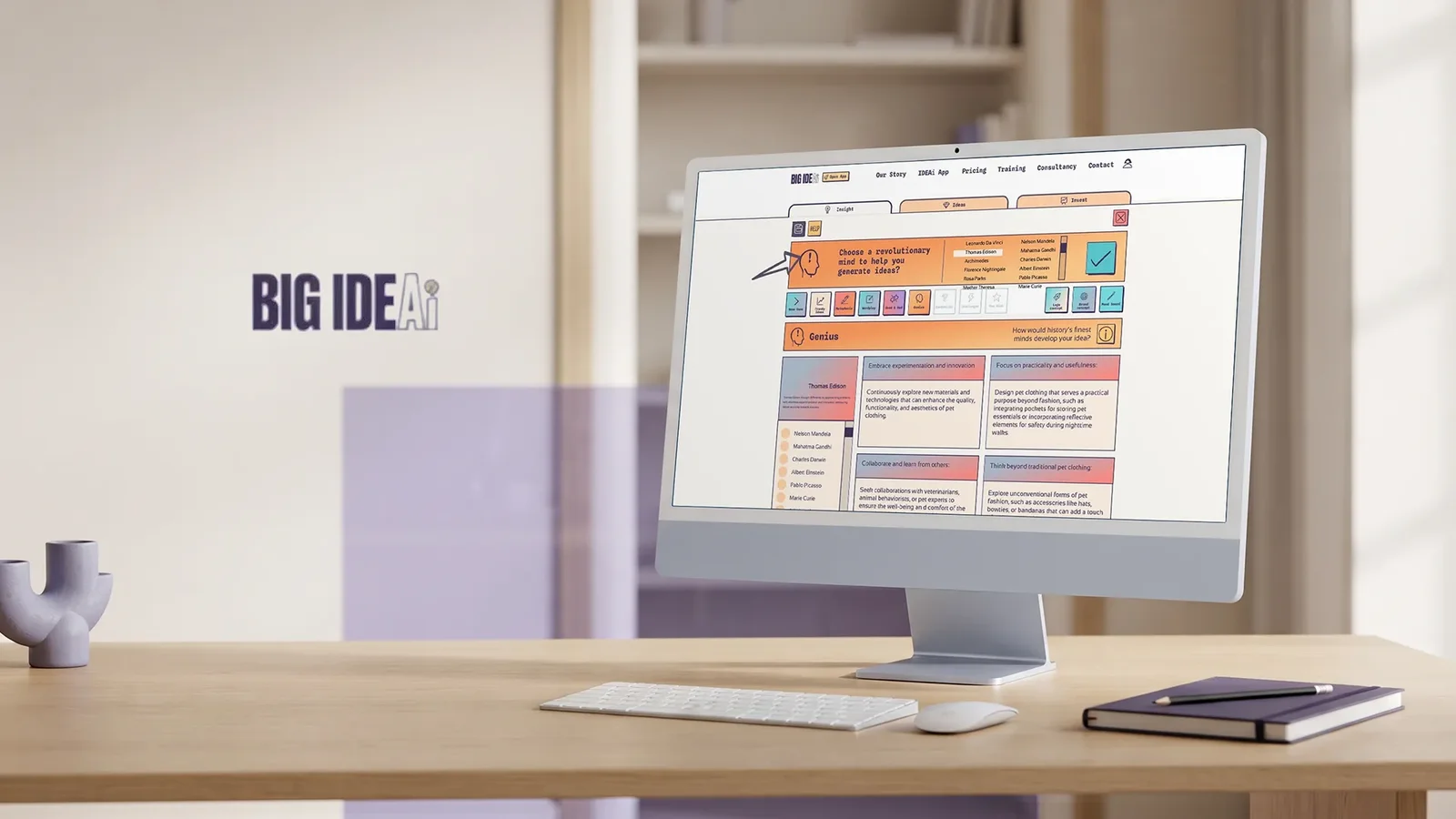
Creative agency software that runs a UK agency's ideation method without a facilitator, now in its third year.
- 36 widgetsCarry a method that needed a facilitator
- 20+ yearsOf agency practice turned into software
- 3rd yearOn the architecture chosen at the start
What You Get From the Delivery Audit
A measured lead time from your last thirty releases, every manual step named with its owner, an inventory of what exists as code, a cloud spend baseline with the waste priced, and a fixed scope for phase one. The same audit prices devops as a service for teams that want ongoing cover.
The Stack Behind the Pipeline
Chosen against what your team already runs and can operate without a new hire.
Build, test, and deploy pipelines that turn a merge into a release without someone running commands by hand.
 GitHub Actions
 GitLab CI/CD
 ArgoCD
 Docker
 Jenkins
 GitLab CI
Frequently Asked Questions
What engineering leads ask.
 What are DevOps services?
What is DevOps?
What does DevOps do?
What is DevOps in software development?
What does DevOps mean?
What does a DevOps project include?
How long before releases get faster?
Do we need Kubernetes?
What is DevSecOps and do we need it?
Can you work inside our existing cloud account?
Who owns the infrastructure code afterwards?
What happens when the project ends?
What do DevOps services cover?
From a Release Everyone Dreads to a Routine Deploy
Tell us how your team ships today and what breaks when it goes wrong. You get a measured lead time, a named list of manual steps, and a price, the way every devops services project at Hygge begins.

Tell Us How a Release Reaches Production Today
Share the steps between a merge and a live deploy, and who has to be awake for it.

Get a First Consultation
We review your pipelines, environments, and monitoring for anything that would change scope, cost, or timeline.

Receive a Detailed Proposal
A scoped plan with the approach, timeline, and cost, built around your actual delivery setup.