
Software Product Development Company for Healthcare, Logistics, Retail and Fintech
Field connectivity in public safety, exact citations in legal work, doors that open on a phone in fitness, warehouse sites that keep shipping through a cutover. The sector decides which constraint the architecture has to hold.
Sectors We Work In
Each card carries the projects shipped in that sector, the systems the build had to connect to, and what regulation demanded of it. Industry software solutions are judged on that third one.

Public Safety & Security
Recognition and alerting systems for agencies working in the field, built to keep running when the network does not and to survive the audit that follows.
EdTech
Learning platforms that have to work for years, carry real enterprise customers, and add AI without teaching anyone something false.

LegalTech
Document-heavy products where a reference has to be exactly right, and an approximately correct citation is a wrong one.

Real Estate & PropTech
Listing platforms, live auction bidding and computer vision that scores construction progress from site photos.

Healthcare & Staffing
Marketplaces and workflow tools for care organizations, where the mechanism in the middle decides whether the market is fair.

Retail & E-Commerce
Recommendation engines, retail media platforms and the billing accuracy that decides whether store partners stay.

Media & Entertainment
Marketplaces, real-time video and collectibles platforms built for audiences who will leave at the first confusing screen.

Logistics & Warehouse Automation
Operator interfaces for autonomous fleets, industrial integration and systems rebuilt without taking a working site offline.

HR & Recruitment
Hiring platforms, professional networks and staffing marketplaces where matching runs on structured data.

Marketing & Creative
Turning agency method into software, with generative tools that sharpen a person's thinking.

Sales & Marketing Technology
Prospecting and outreach platforms where automation has to look human enough that the platform it runs on does not object.
Fitness & Wellness
Membership marketplaces where the software has to open a real door, using hardware the venue already installed.

Aviation
Operations, maintenance and training software for an industry where every system carries a regulatory shadow.
What Stays the Same Across Sectors
The sector changes what gets built. What Hygge owes you stays the same: priced in the audit, in production inside a quarter, reviewable from week one.
What Carries Across Every Industry
What every industry build runs into, whatever the sector.
One Constraint Decides the Architecture
Every industry has one thing that decides the architecture. Finding it before the estimate is what separates a scope that holds from one that grows.
Existing Systems Get Connected
Existing systems get connected, because replacing them is rarely the fastest route to the outcome the client is buying.
The Interface Is Built for Where the Work Happens
Gloves, glare, dead zones, shift changes and audits. The interface gets designed for the place the work happens in.
The Record Gets Read Back by Somebody Who Was Not There
In regulated sectors the output gets read back later by somebody who was not there, which changes what gets logged and how it is stored.
Work Across These Industries
Projects grouped by the sector they shipped into, with the technical problem, the decisions the build turned on, and what changed in the business after handover.
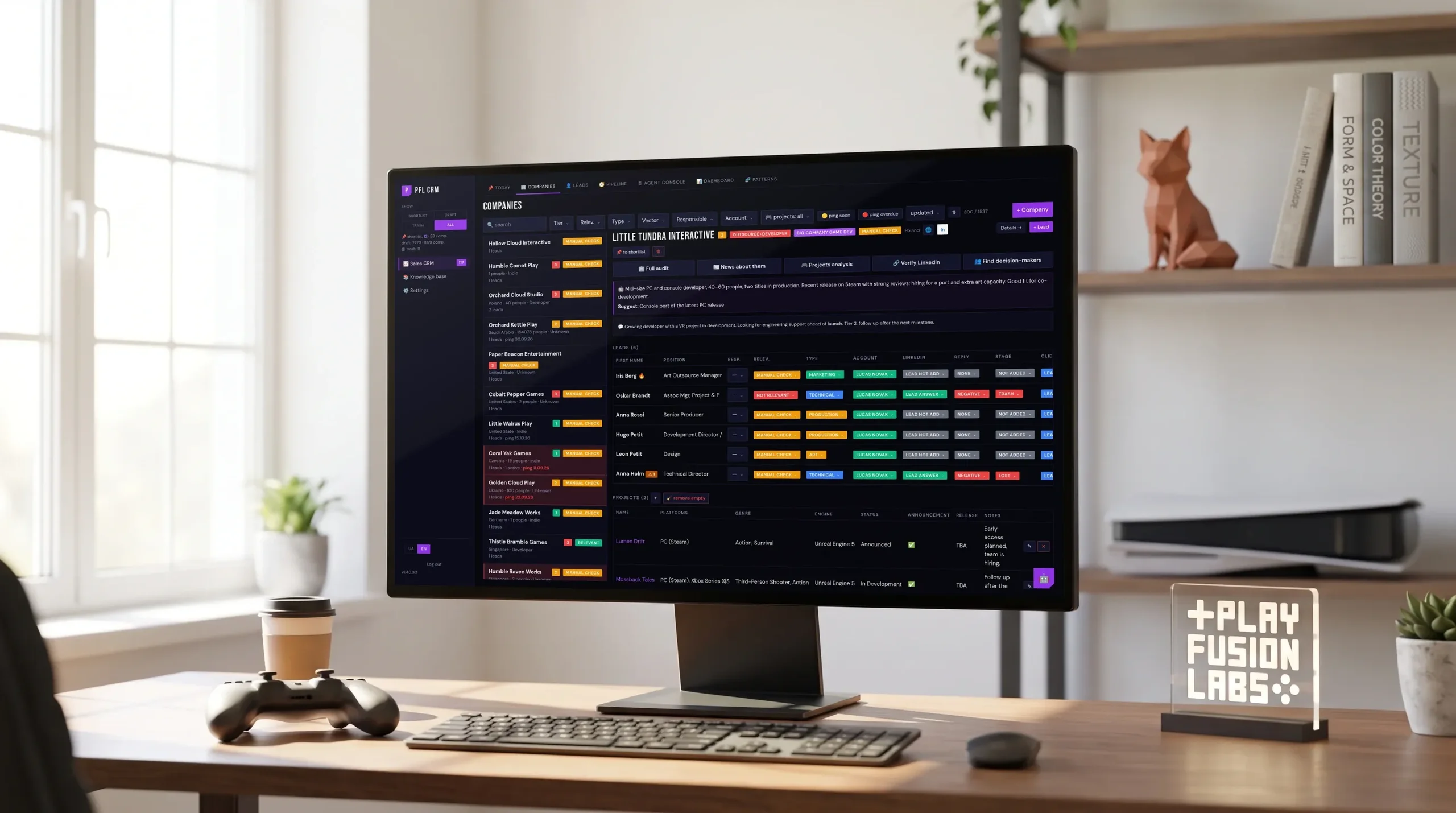
PlayFusionLabs CRM
Custom CRM development for a game studio. An agent researches companies, Today lists who to ping, and finance sits in one database.
- ~2 monthsFrom first call to daily use
- 150+Releases since launch
- 1 databaseFor sales, projects and finance
- $0In per-seat licences
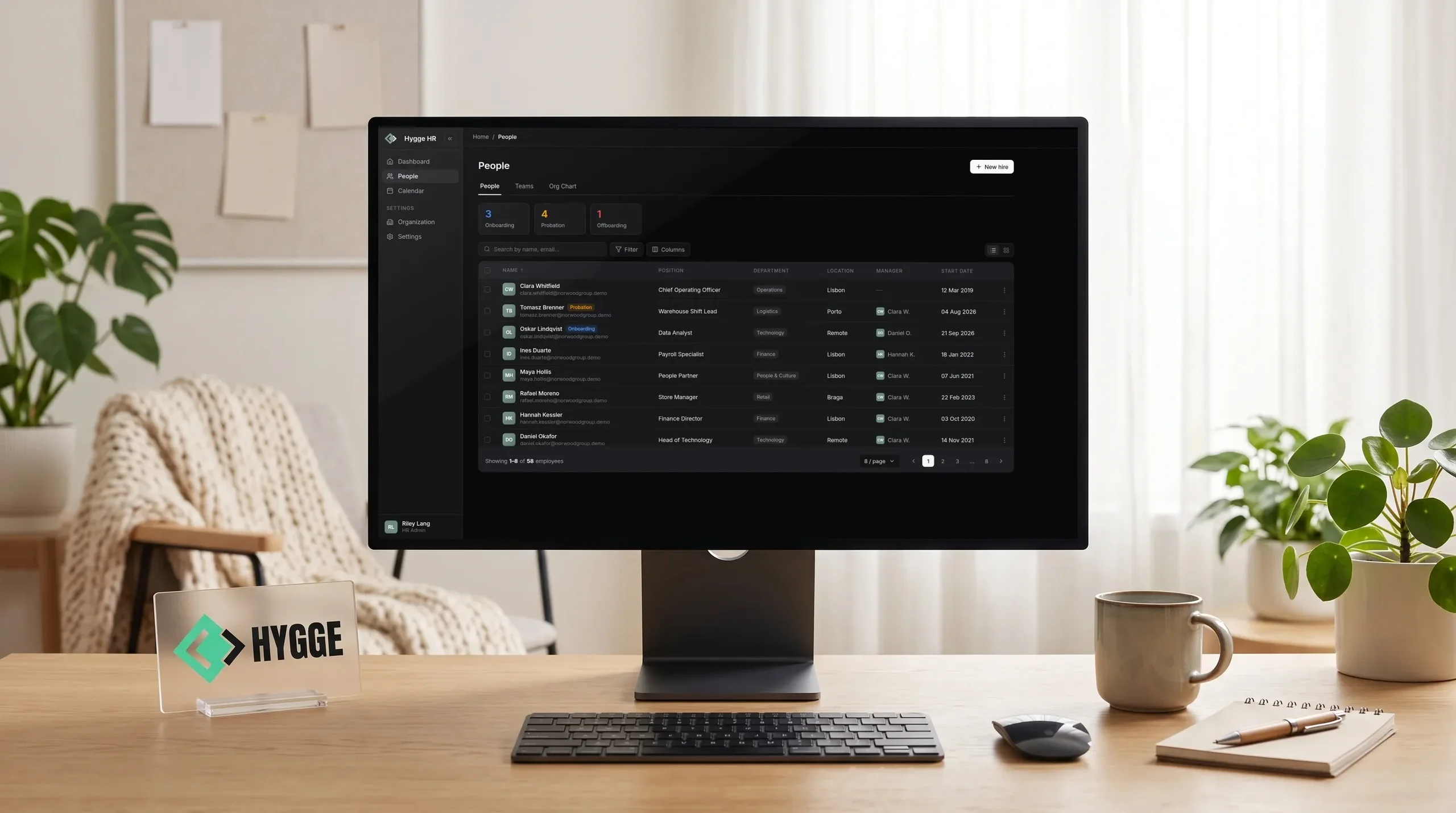
Hygge HR
Hygge's own HR platform: people, time off, hiring and projects in one system. Balances, reminders and pay history update every night.
- 0Manual balance recalculations
- 3+ yearsTenure days added on their own
- 1 platformFor people, time off, hiring and projects
- Any dateRole and pay history on record
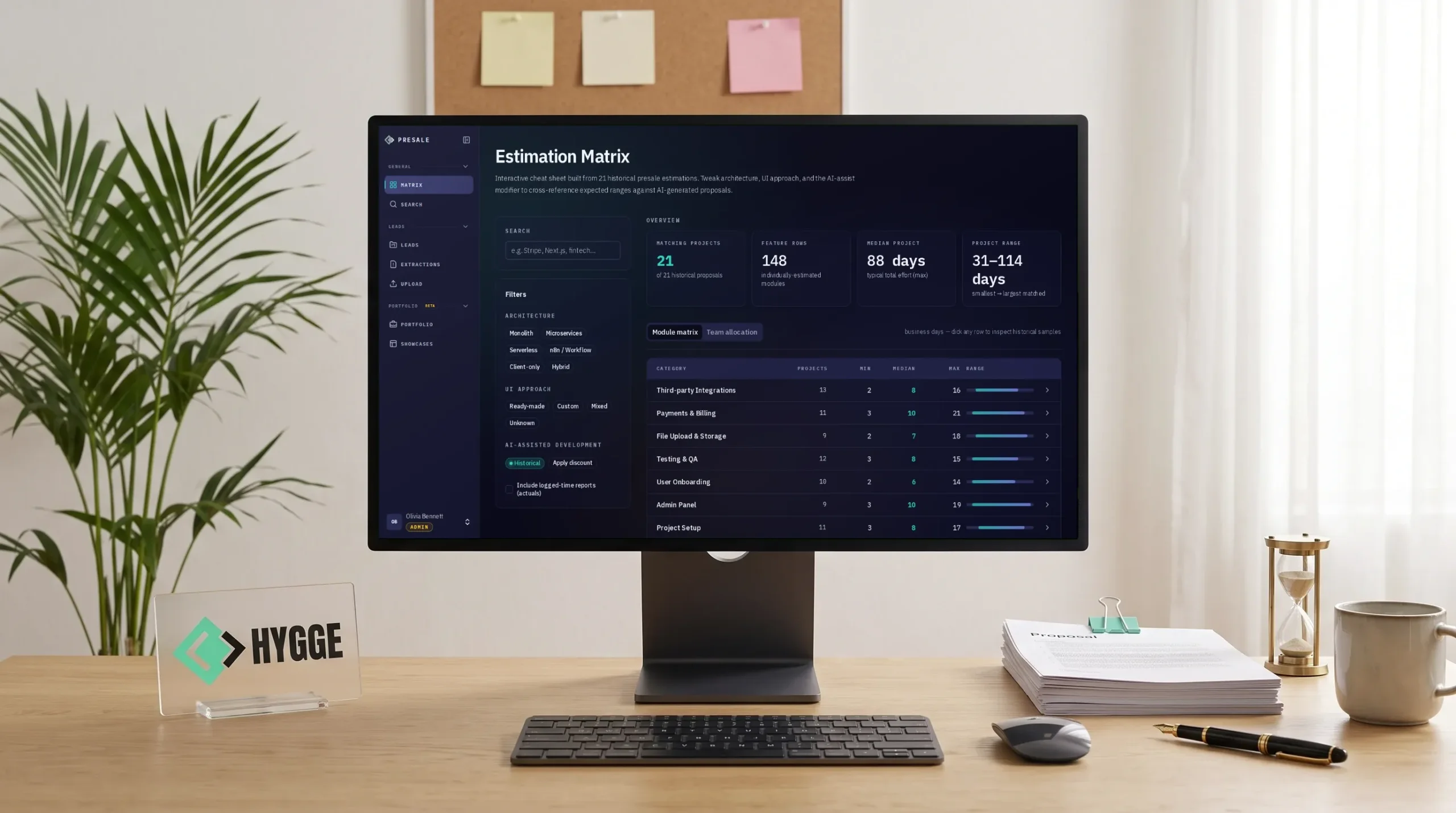
Hygge Presale
Hygge's own presale workspace, where an AI agent drafts estimates from past deals. People approve them, and every proposal feeds the next.
- 6 sub-statusesDrive each pipeline stage
- Every moduleAnchored to evidence
- 5 formatsFrom one approved deck version
- 3 modesOf case disclosure, enforced
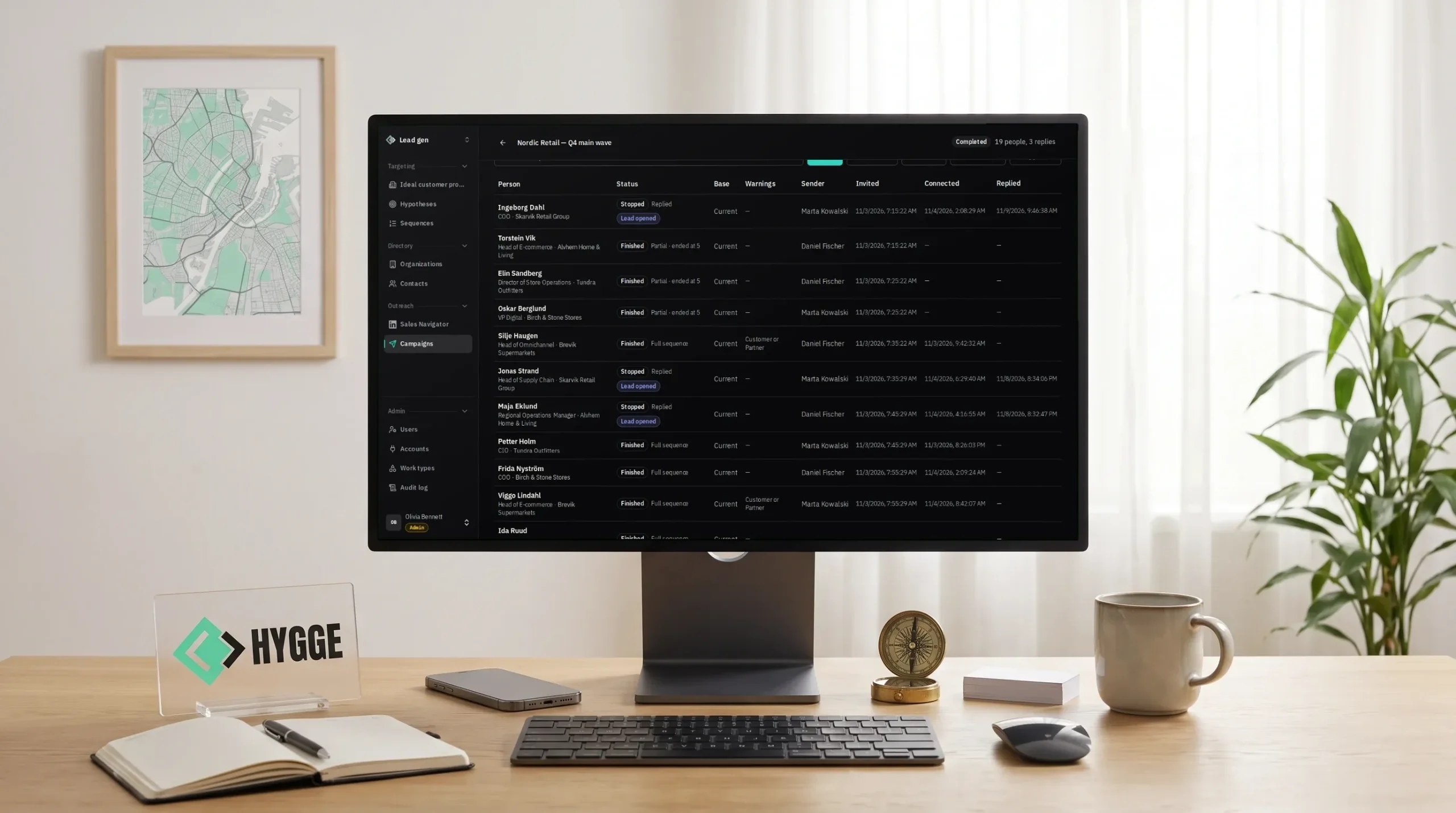
Hygge Lead Generation
Hygge's own outbound platform, where only approved hypotheses run campaigns. Every reply traces back to the targeting behind it.
- 5 toolsReplaced by one platform
- 0Scripted messages sent after a reply
- Every leadTraced to its hypothesis
- Per accountDaily and weekly sending limits
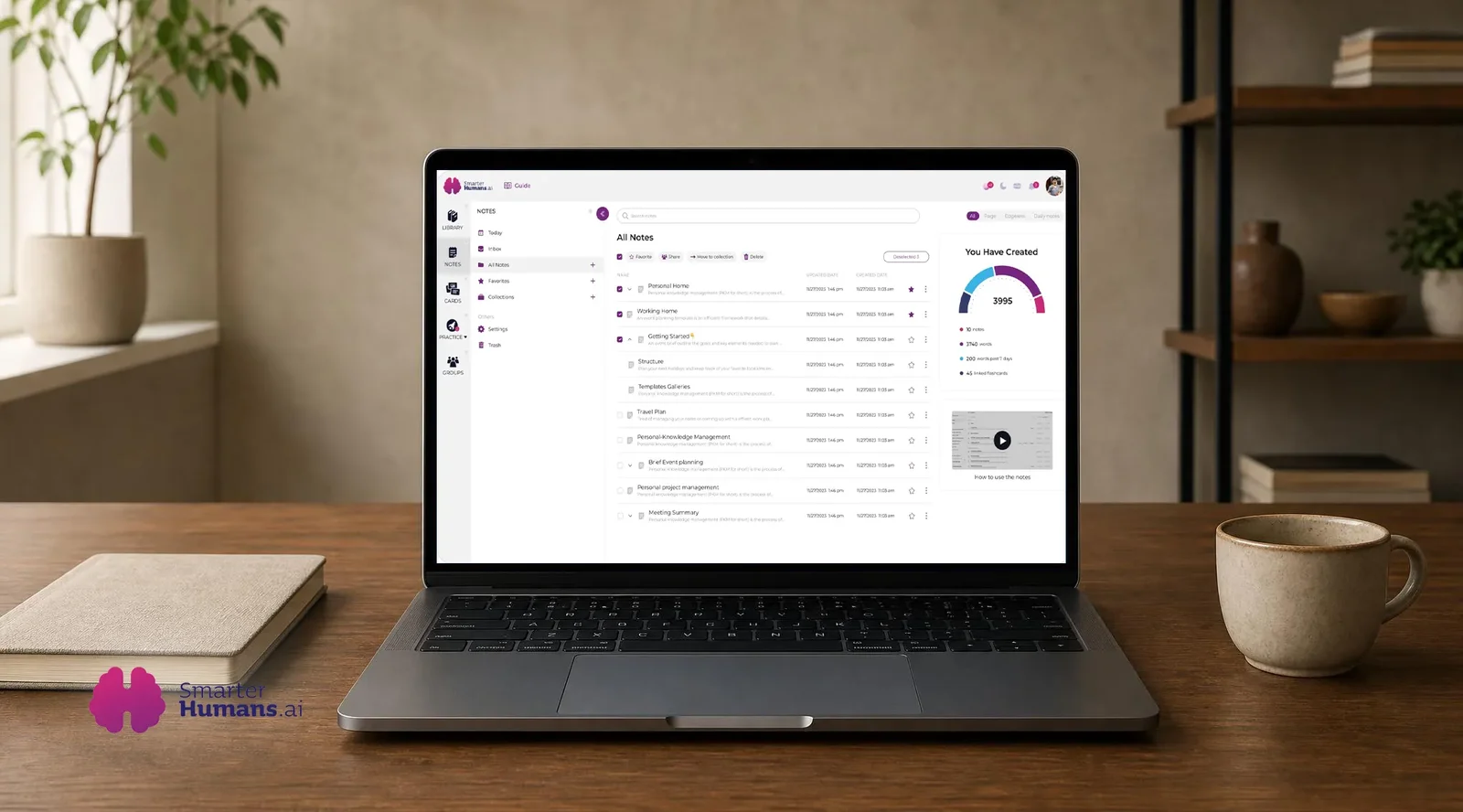
Smarter Humans
A spaced repetition app built by the same team since 2019. About a million users moved to the rebuilt system with zero downtime.
- 93 %Cut off a 20-second document load
- 1 uploadReplaces the card writing people quit over
- 7 yearsOn one product with the same team

Country Navigator
A ten-year-old cultural intelligence training platform rebuilt into services. Enterprise customers kept working through a zero downtime migration.
- 0Downtime moving a ten-year-old platform
- 1 configReplaces the SSO setup only one person knew
- 10 yearsOf monolith rebuilt into services
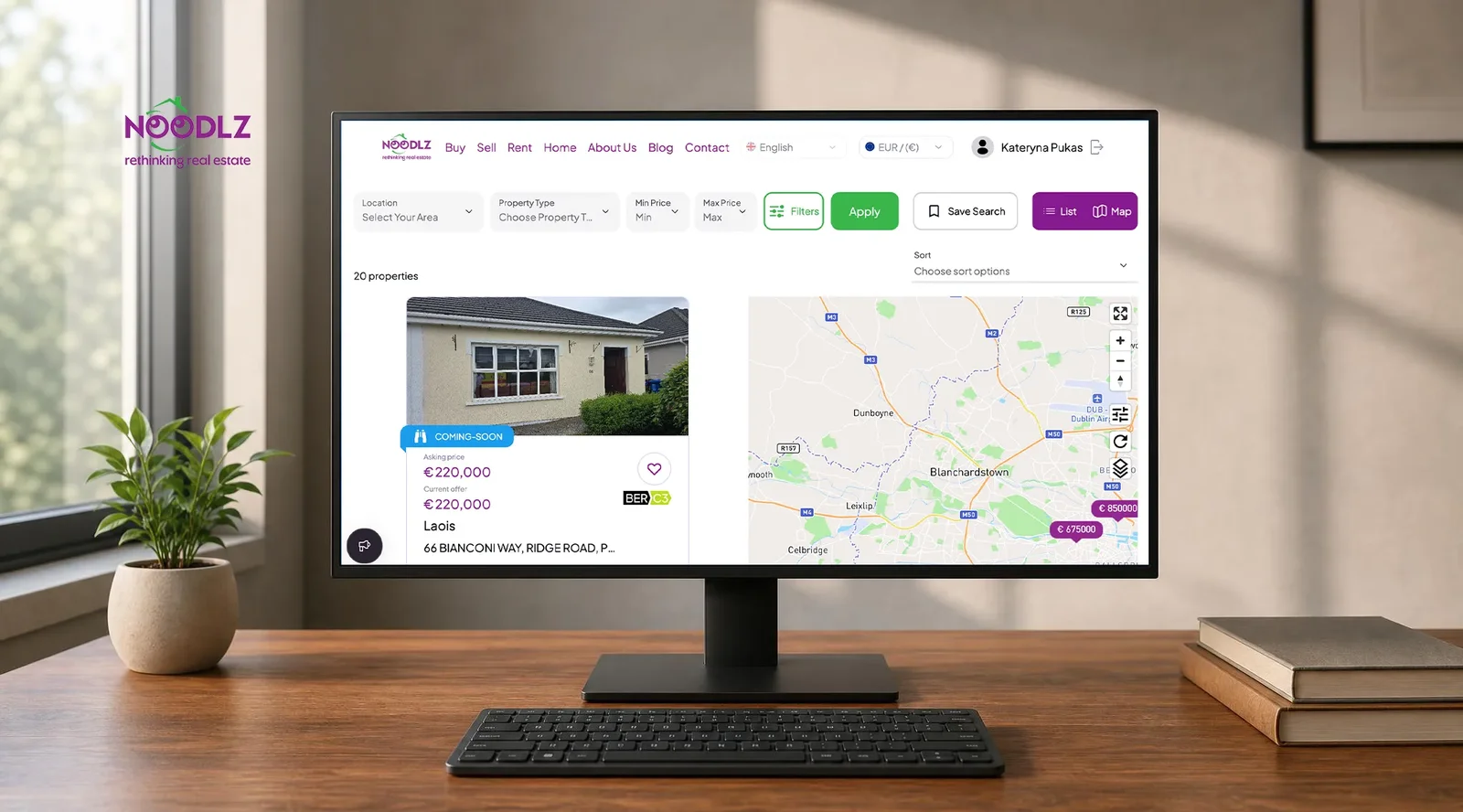
NOODLZ
Live auction software for an Irish agency network. Auctions moved off phone calls into one platform with verified bidders and a document vault.
- 1 platformReplaces auctions run outside any system
- 1 vaultReplaces contracts moving between inboxes
- 2+ yearsOf continuous delivery since 2024
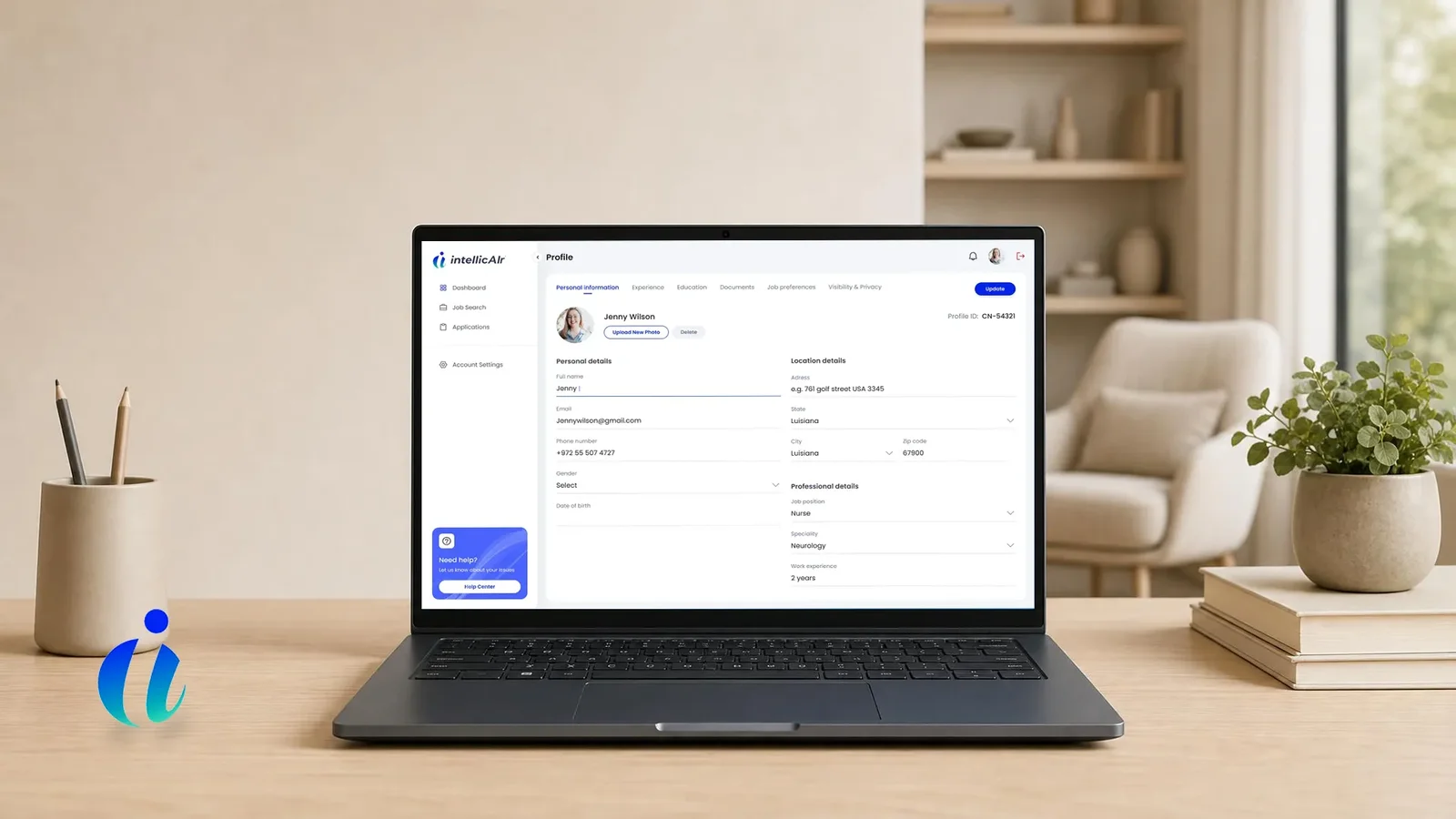
IntellicAIr
A nurse staffing marketplace built around a sealed bidding engine written from scratch. Bids stay hidden until the round closes.
- 1 roundFor a post that waits 78 days to fill
- No nameOn a bid that used to hide a 40 % cut
- 1 inviteBrings a facility's own agencies onboard
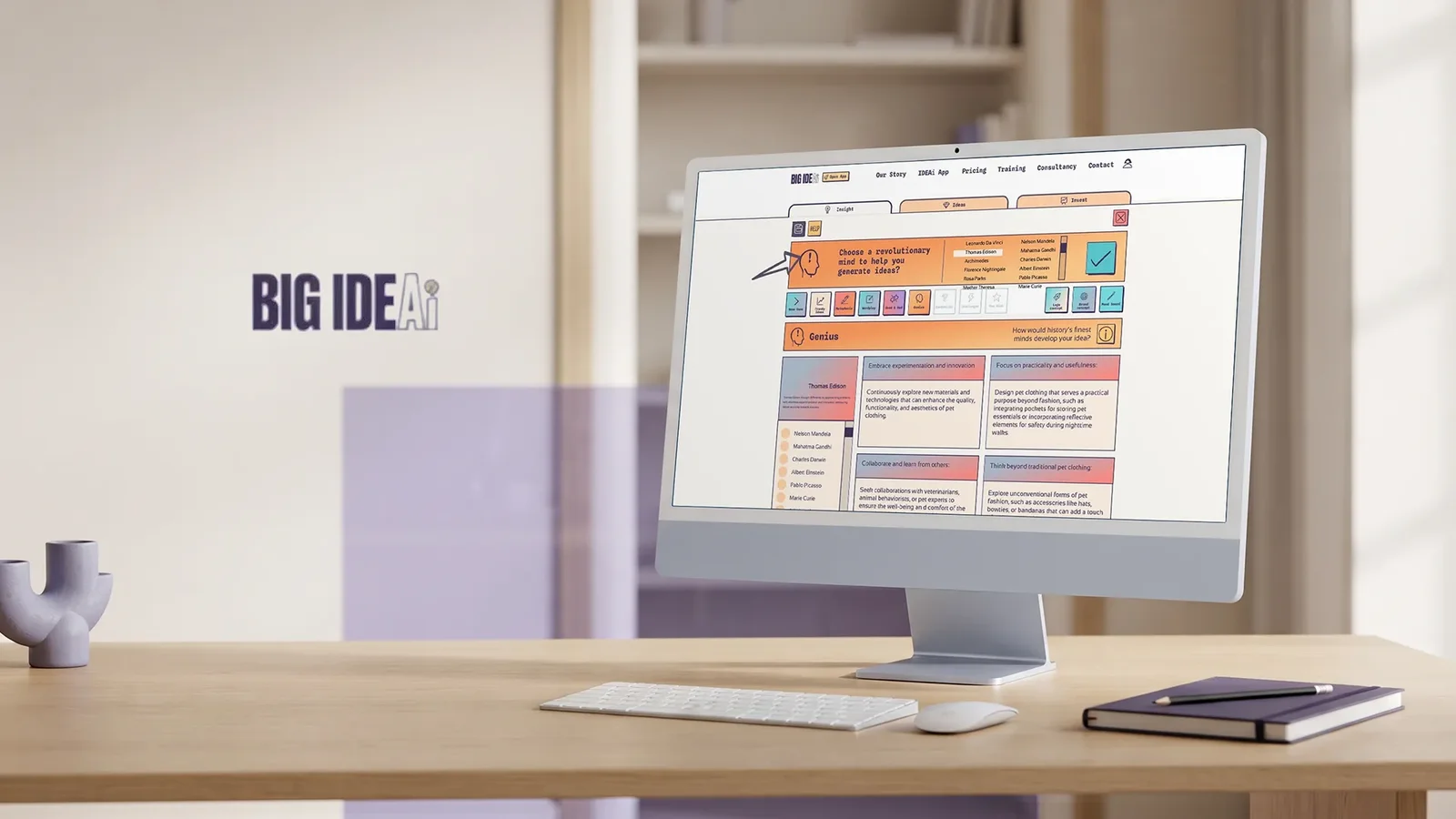
CreAItivity
Creative agency software that runs a UK agency's ideation method without a facilitator, now in its third year.
- 36 widgetsCarry a method that needed a facilitator
- 20+ yearsOf agency practice turned into software
- 3rd yearOn the architecture chosen at the start
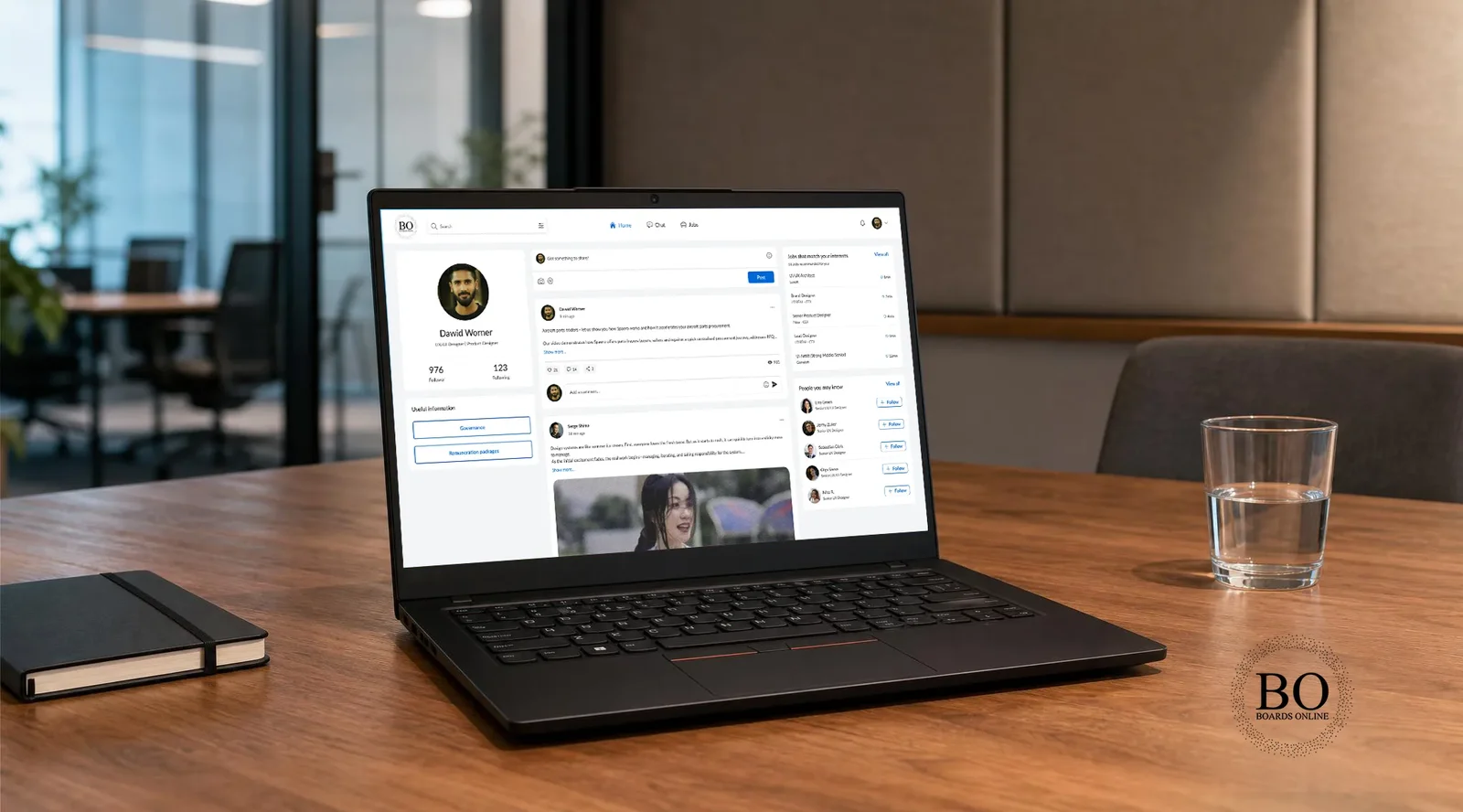
BoardsOnline
A founder paid for a platform reported as done. Engineers checked every feature, and the rebuild started from what worked.
- 3 verdictsFor every feature reported as done
- 6 monthsFrom the audit to a tested, live platform
- 1+ yearOf support after the contract ended
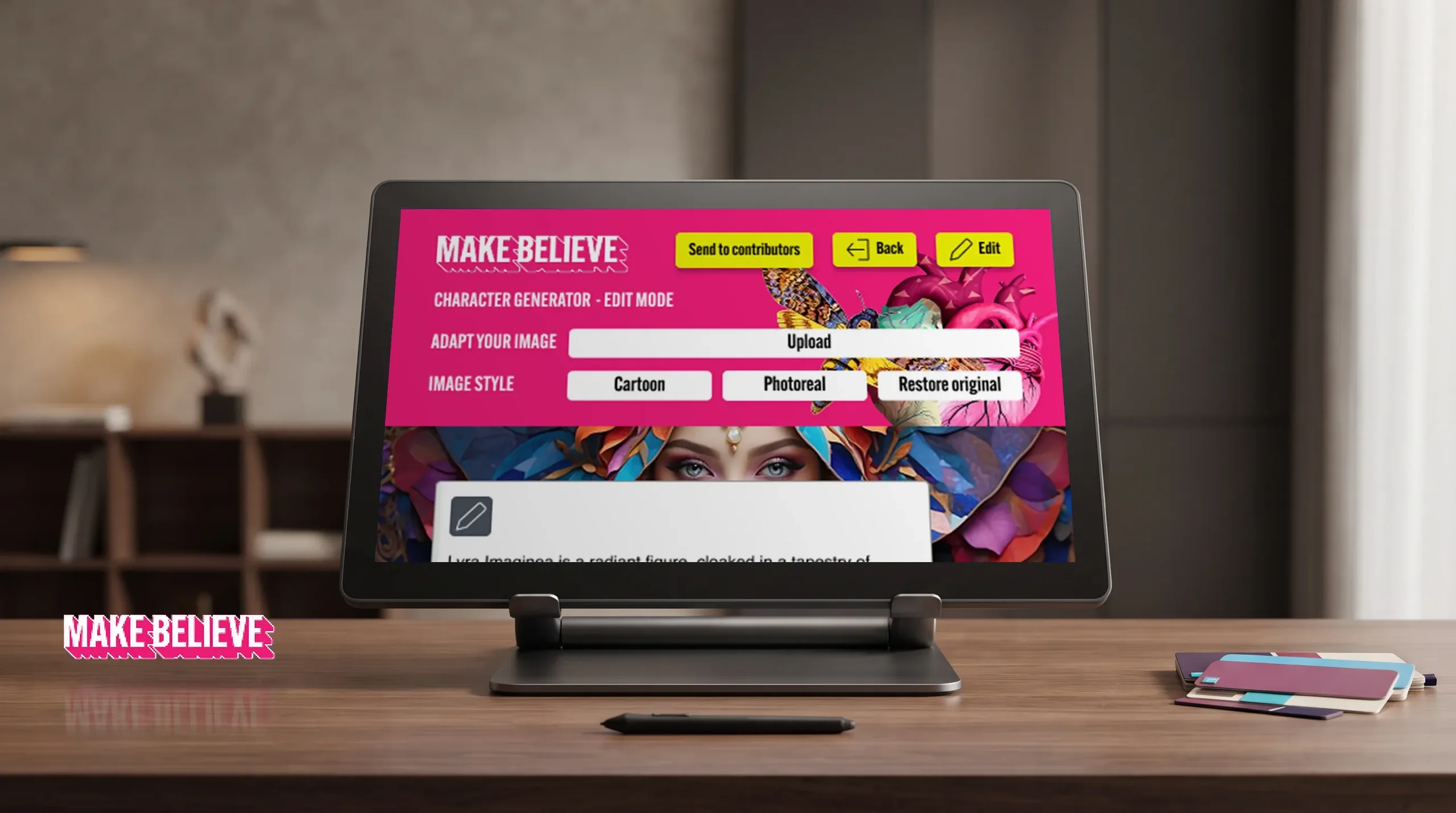
MB Character Tool
An embeddable AI character generator living inside an agency marketing site, built in eight weekly milestones.
- 1 promptFrom landing on the site to a result
- 1 iframePuts the tool inside the existing site
- 8 weeksFrom an empty repository to live on the site

Slapstack
The console for autonomous warehouses, rewritten from Flask to React in pieces. No live warehouse went offline.
- 0Warehouse hours lost to a full rewrite
- 1 libraryReplaces hand-rolled pages, screen by screen
- 1 year onThe same client came back for phase two

Clia
Two AI apps for consultants on one core, with a trained model that turns legal references into links.
- Auto-linkedCitations a consultant used to look up by hand
- 1 passA document read once, every reference resolved
- 2 appsOn one platform, shipping apart
Industry Software Development: Frequently Asked Questions
What changes when industry software solutions are built for a specific sector.
 How do custom software development needs vary across industries?
What should you look for in a software development company for your industry?
How do you evaluate a partner for a healthcare build?
Why do US companies outsource software development?
Is software development a regulated industry?
What is software development for the healthcare industry?
Which industries rely most on custom product development software?
How do you de-risk a software development project in a regulated industry?
What does a healthcare build involve that other sectors do not?
How is a fintech build different from a standard one?
What changes between manufacturing and real estate software?
Start With the Constraint in Your Sector
Tell us the sector you operate in and what the software has to survive there. You get an audit, a scope, and an exact price.
Tell Us What Your Sector Demands
Share the systems you run, the regulation the build has to satisfy, and the point where your current software gives out.

Get an Audit of What Exists Today
Hygge reviews your stack, your data and your integrations for anything that would change scope, cost or timeline.
Receive a Scope and an Exact Price
A written plan with the approach, the timeline and the cost, built on what the audit found in your environment.