
Mobile App Development
Hygge is a mobile app development company that builds against your real user base and device mix before a screen gets designed, so the app performs on the phones your users carry. Every project moves through an audit, a build with a working demo every week, app store submission, and monitoring once it's live.
What Goes Into Mobile App Development Services
Here's what each layer of a custom mobile app development project covers, and how we decide which pieces your app needs after reviewing your users, platforms, and existing systems.
Platform & Framework Strategy
The choice between native iOS, native Android, and a cross-platform codebase, decided against your user split, performance needs, and budget, case by case for each project.
UI & Interaction Design
Screens and flows built to each platform's conventions, so the app feels native to iOS users and native to Android users alike.
Core App Features
The functionality your users open the app for, built against real usage patterns and device constraints like connectivity and battery from week one.
Backend & API
The server-side layer that powers the app, handling data, business logic, and sync across devices, built to support the load your user base generates.
Device & OS Integrations
Camera, push notifications, location, and other device-level features, integrated against the current iOS and Android APIs and the permissions each requires.
App Store Submission & Monitoring
Submission through Apple's and Google's review processes, with crash reporting and usage monitoring in place once the app is live so an issue gets caught before reviews start mentioning it.
What Gets Decided Before Mobile App Development Starts
The concrete choices behind a custom mobile application development build, settled with you during the audit, before Hygge commits to scope or price.
Settled During the Audit:
- Platform strategy, native iOS, native Android, or cross-platform, decided against your user base and budget
- Offline and connectivity behavior, what the app has to do when a user loses signal
- Integration through your existing channels and APIs, so nothing in your current stack gets rebuilt to fit the app
- Backend and sync architecture, how data moves between the app and your systems
- Cost and scope agreed, a fixed number for the build, set after the audit defines your platforms and features
What Pushes a Team Toward Custom App Development
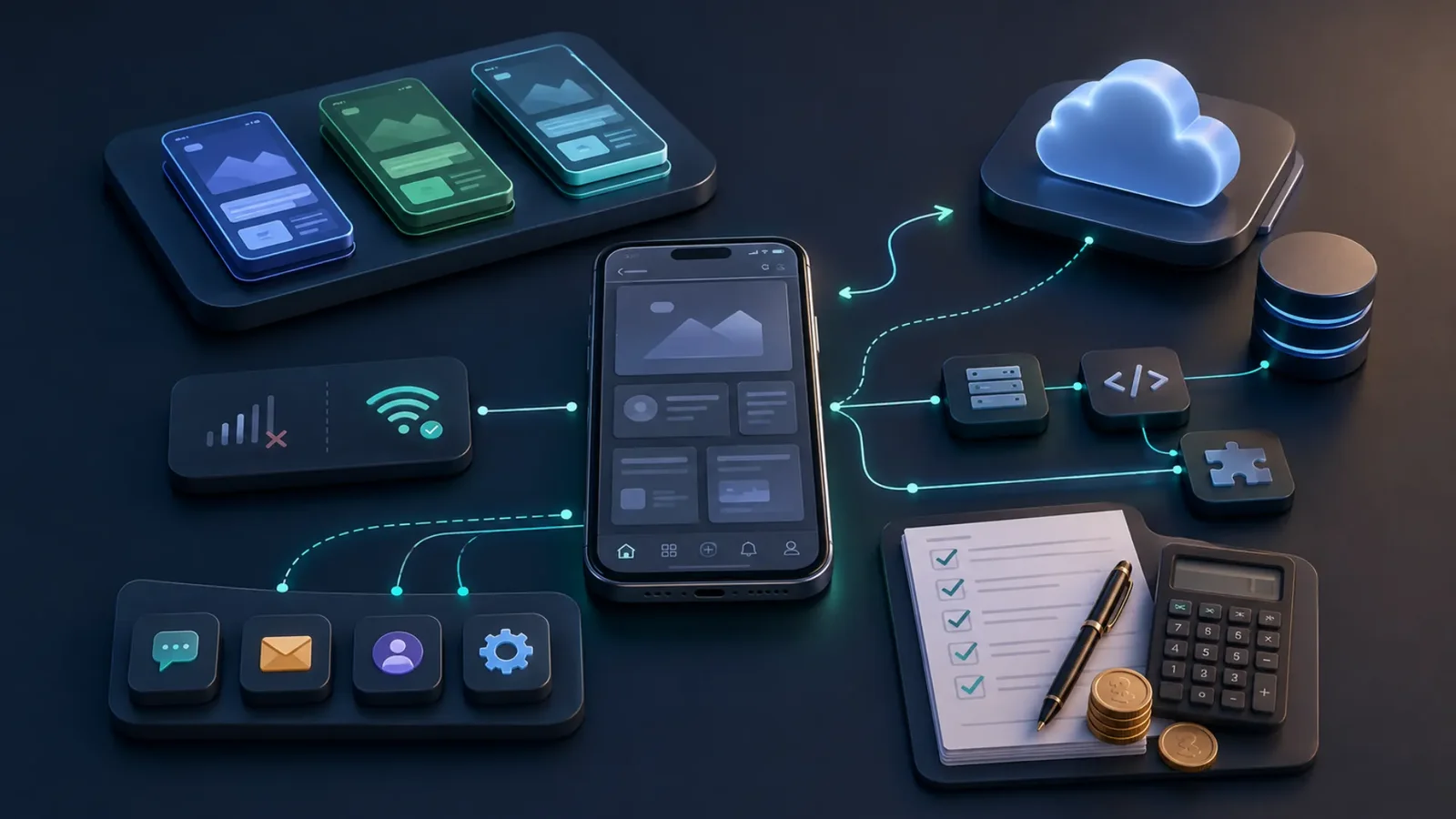
A customer base spending most of its time in mobile apps, a field team that needs to work without a reliable connection, the costs a mobile application development agency audit puts a number on before we recommend a build.
Customers moved to mobile, and field teams work where the signal drops. Mobile app development here means one codebase across iOS and Android, built offline first, with native modules where the hardware needs them. The audit says which parts have to work with no connection.
Customers Live on Mobile, and the Product Doesn't
Users spend most of their time on a phone, and a browser-based experience squeezed onto a small screen loses the speed and convenience a native app delivers.
Field and Offline Work Need an App That Keeps Working
A team working without a reliable connection, in a warehouse, a job site, or on the road, needs an app that keeps working offline and syncs once a connection comes back.
A Prototype That Impresses in a Demo but Fails on Real Devices
An app tested on one device and a fast office connection handles a walkthrough cleanly, and everyone assumes it holds up everywhere else. Then it lags on an older phone, drains the battery, or crashes on a weak connection nobody tested against, and that gap between a smooth demo and an app real users keep on their phone is where most mobile builds stall.
Unclear Return on Investment
The budget for a mobile app gets approved without a number attached to downloads, retention, or the revenue it should generate, and the project stalls at the first budget review with no baseline to point to.
How We Build a Mobile App
From your users and platforms to an app live in the store. Every mobile application development company project at Hygge follows the same path, with a working demo at the end of each step.
Audit
We review your users, device mix, and the systems the app has to connect to. That review sets the platform strategy the build has to work inside before design starts.
Architecture
We lock in the platform choice, offline behavior, and backend structure chosen during the audit, and map how the app connects to your existing systems.
Build
The app gets built against your actual devices and usage patterns from week one, so every weekly demo runs on a real phone.
Deploy
The app goes through app store submission and review, rolled out to a limited group before a full public release.
Support
Hygge stays on after launch to monitor crashes and performance and handle updates as OS versions change.
What a Mobile App Changes for Your Users
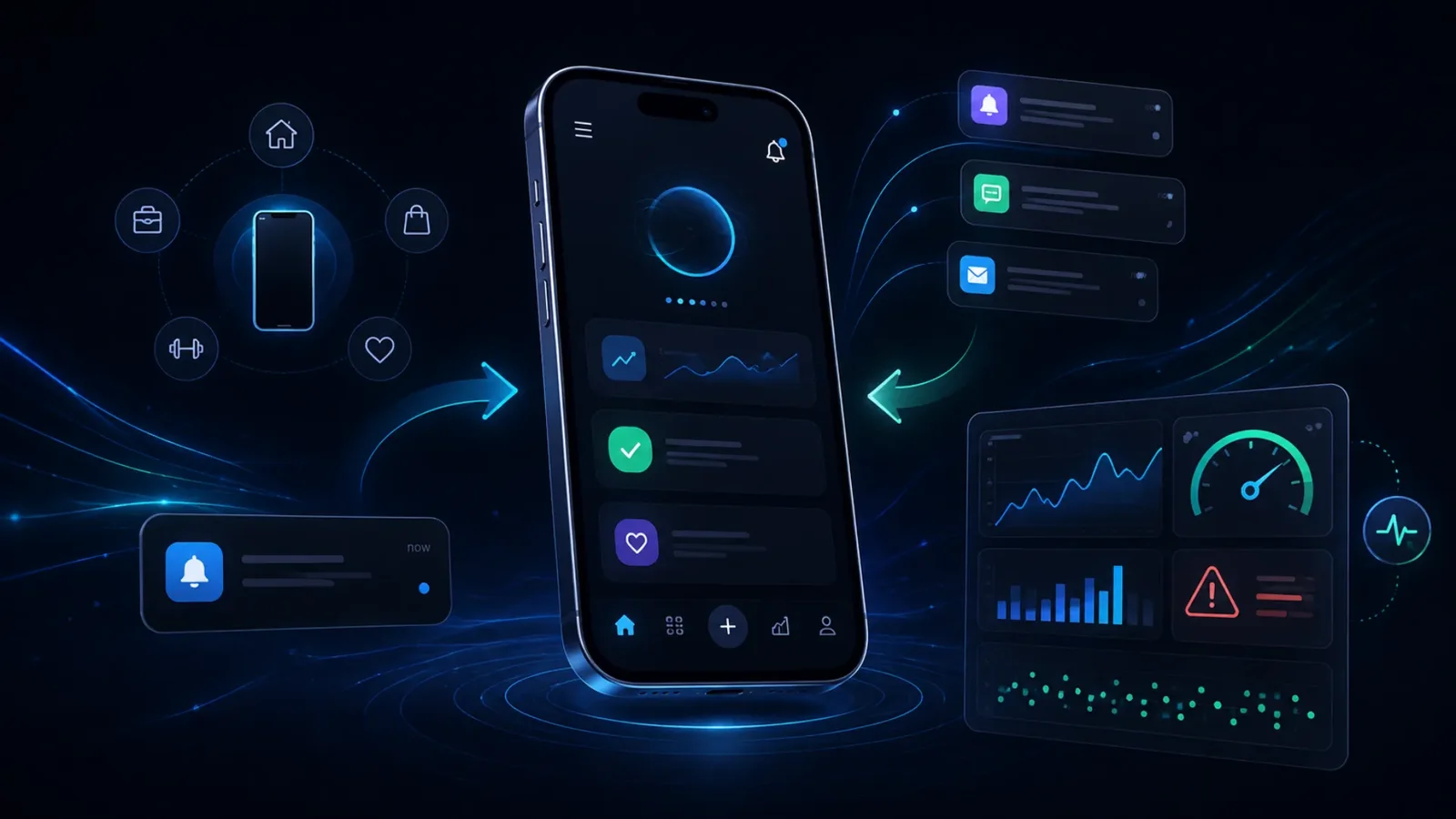
People do the job on the device in their hand, and the work records even where there is no signal. One codebase covers both stores, so a change ships once. Builds, crash reporting and store submission run on the same pipeline. Cross platform mobile app development covers most of this work, because one codebase on both stores is what keeps a small team shipping. Enterprise mobile app development adds what a larger organisation needs around it: single sign-on, device policy and a release process that survives an audit. Custom app development and mobile software development services here mean the same project: discovery, build, store submission and the support that follows once real users arrive.
What a Mobile App Development Company Is Measured On
The standards this work is held to, set against your current baseline and checked after delivery.
Where Enterprise Mobile App Development Earns Its Place
Sectors where the phone is where the work happens, and a weak app costs usage.
Fitness & Wellness
Workout tracking, coaching plans and progress history that stay usable offline in a gym with no signal, then sync when the phone reconnects.
Healthcare & Staffing
Shift claiming, credential upload and messaging that clinical staff handle between rounds, with push notifications that respect quiet hours.
Real Estate & PropTech
Property browsing, viewing bookings and document signing from the phone, with photo-heavy listings that load on a cellular connection.

Retail & E-Commerce
Storefront, checkout and loyalty in one app, with payment sheets and wallet integration that keep the purchase to a few taps.

Media & Entertainment
Streaming, downloads and playback that continue on a subway ride, with digital rights handling that satisfies the content owners.
Logistics & Warehouse Automation
Scanning, route handling and proof of delivery on rugged devices, built for drivers wearing gloves in bad light.

EdTech
Course content, assessments and progress that follow a learner across phone and tablet, with offline access for commutes.
HR & Recruitment
Job search, application status and interview scheduling in the pocket of a candidate who never opens a laptop.
Mobile Products Live in Both Stores
Mobile app development work Hygge has taken through store review and into daily use.

Humanitarian Cargo Tracking Platform
Humanitarian cargo tracking for a UK carrier. Every load is on one map, and each handover lands in a ledger funders can check.
- QRCargo Acceptance on the Recipient's Phone
- LivePosition for Every Load
- 3 appsIn One Platform
- 1 ledgerFor Every Movement
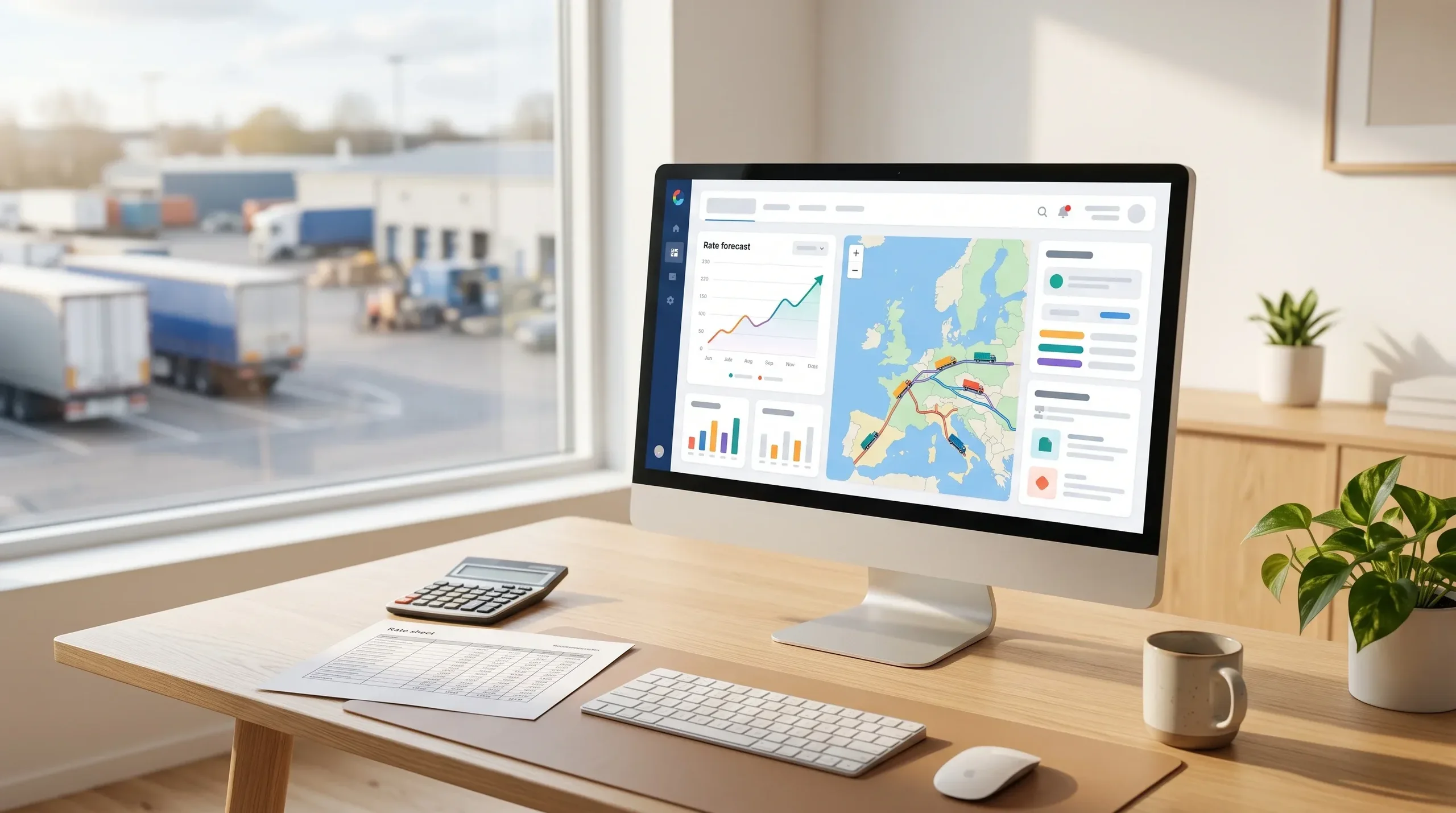
Freight Rate Forecasting for a Forwarder
Freight rate forecasting for a forwarder in Lithuania. It flags truck shortages and rate jumps by lane before the trip is quoted.
- By laneSpot Rate and Shortage Forecast
- 1 storeFor ERP, Exchange and Public Data
- TestedOn the Forwarder's Own Trips
- 1 tapFor the Driver's Route

Gym and Studio Management Platform
Gym management software where the member's phone carries the membership, opens the door and pays. Owners and trainers get their own sides.
- 3 rolesOn One System
- 3 jobsFor the Member's Phone
- Any venueGyms, Studios, Schools and Pools
- MVPDelivered and Handed Over
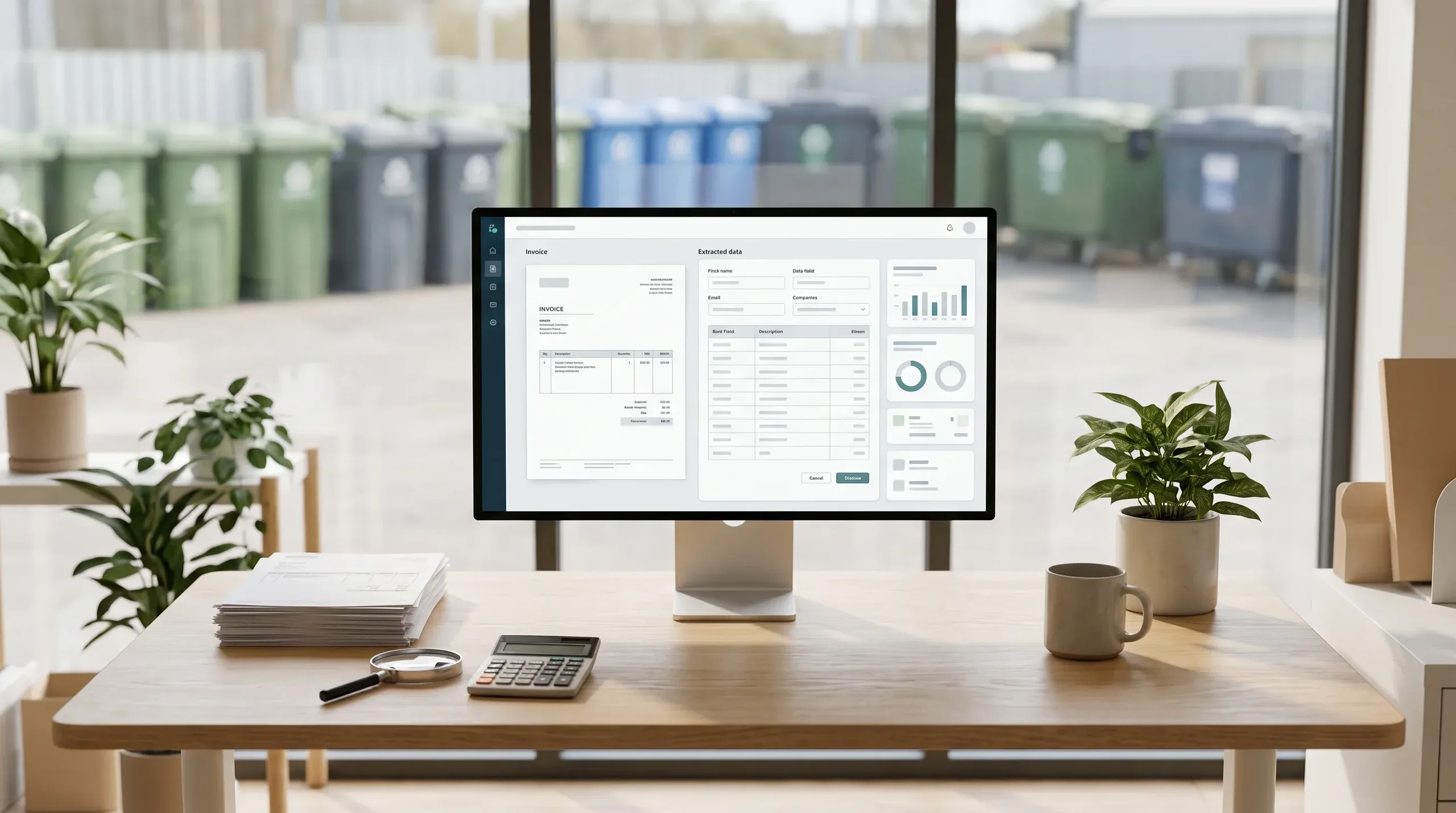
Invoice Data Extraction
Invoice data extraction for a US waste broker: hauler prices from 500 PDF invoices a month feed a price history, quick quotes and a marketplace for regular services.
- On the callWhen Sales Can Name a Price
- ExceptionsWhat People Still Review
- 12 monthsOf Invoices Read in One Run
- To the centOn the Client's Sample Invoices
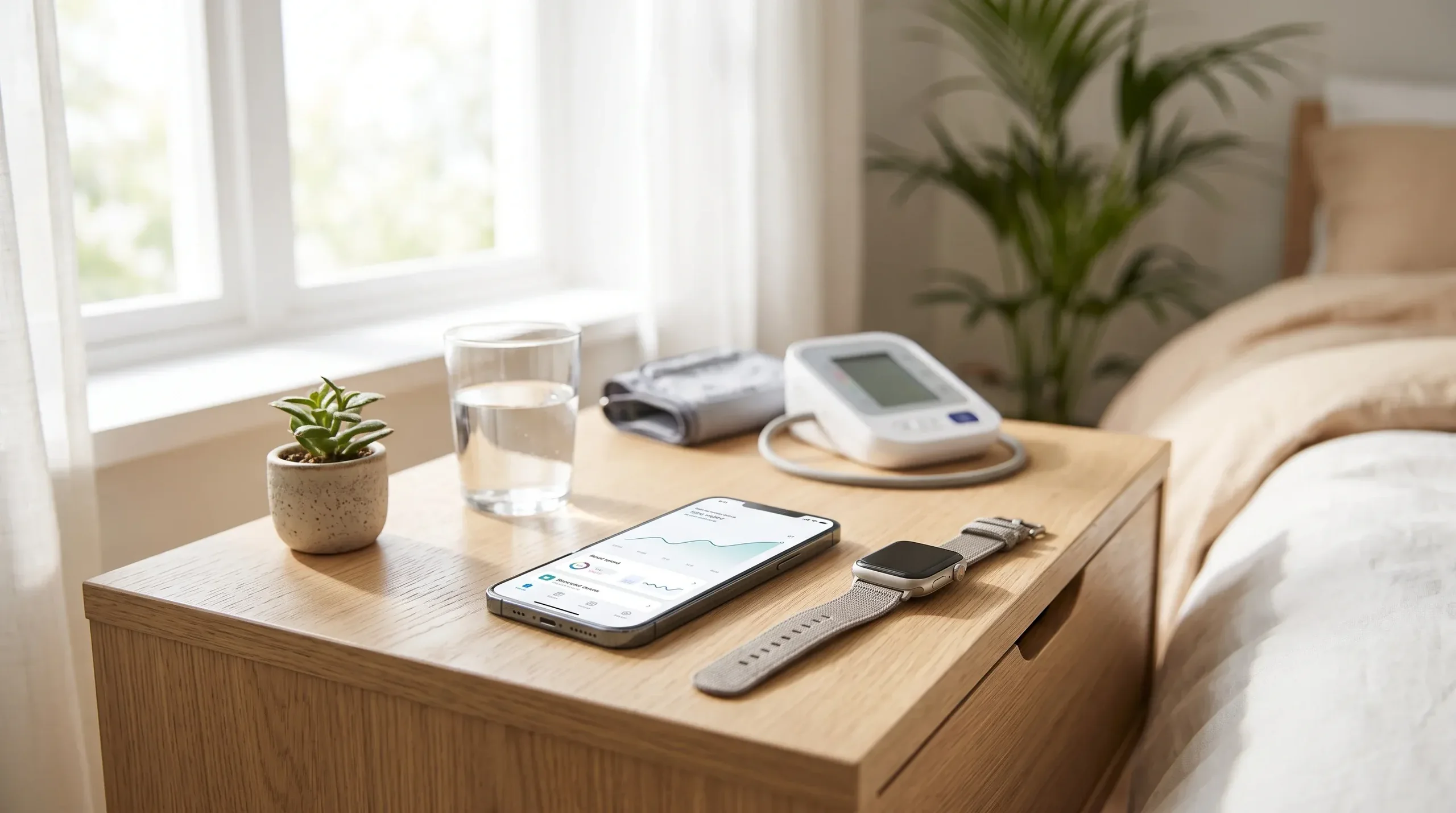
Health Data App Rescue
An app rescue: a health app that would not launch was fixed and put on AWS. It reached both stores in two months, in time for the investor demo.
- 2 monthsFrom Failed Build to Production
- 2 storesApproved and Live
- Original budgetKept Throughout
- OngoingSupport After Handover
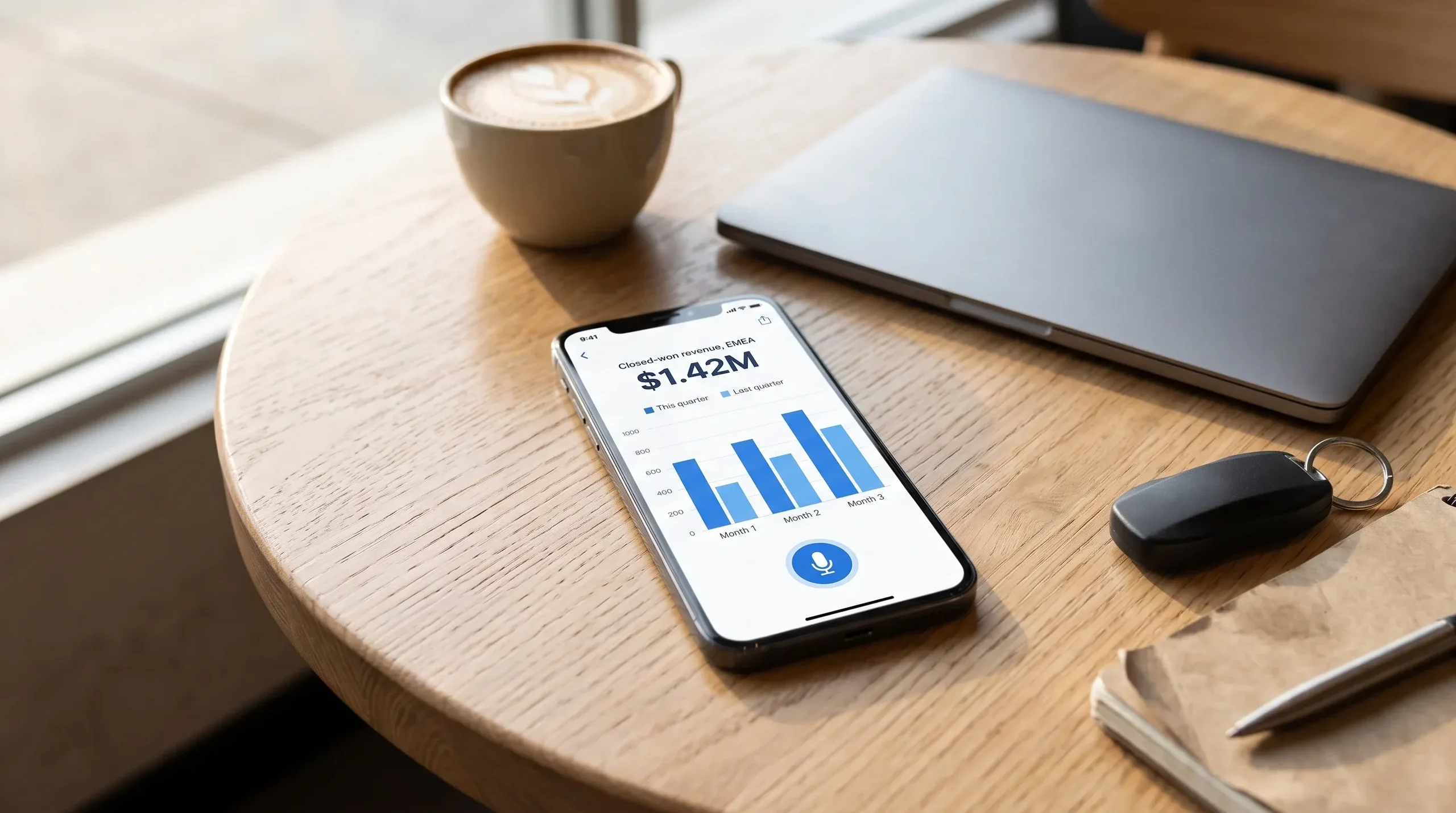
Revvy
CRM analytics by voice: a salesperson speaks a question into a mobile app and gets back the chart that answers it.
- 1 phraseFrom Question to Chart
- 3 stepsSpeech, Query, Chart
- Any managerCan Ask the CRM
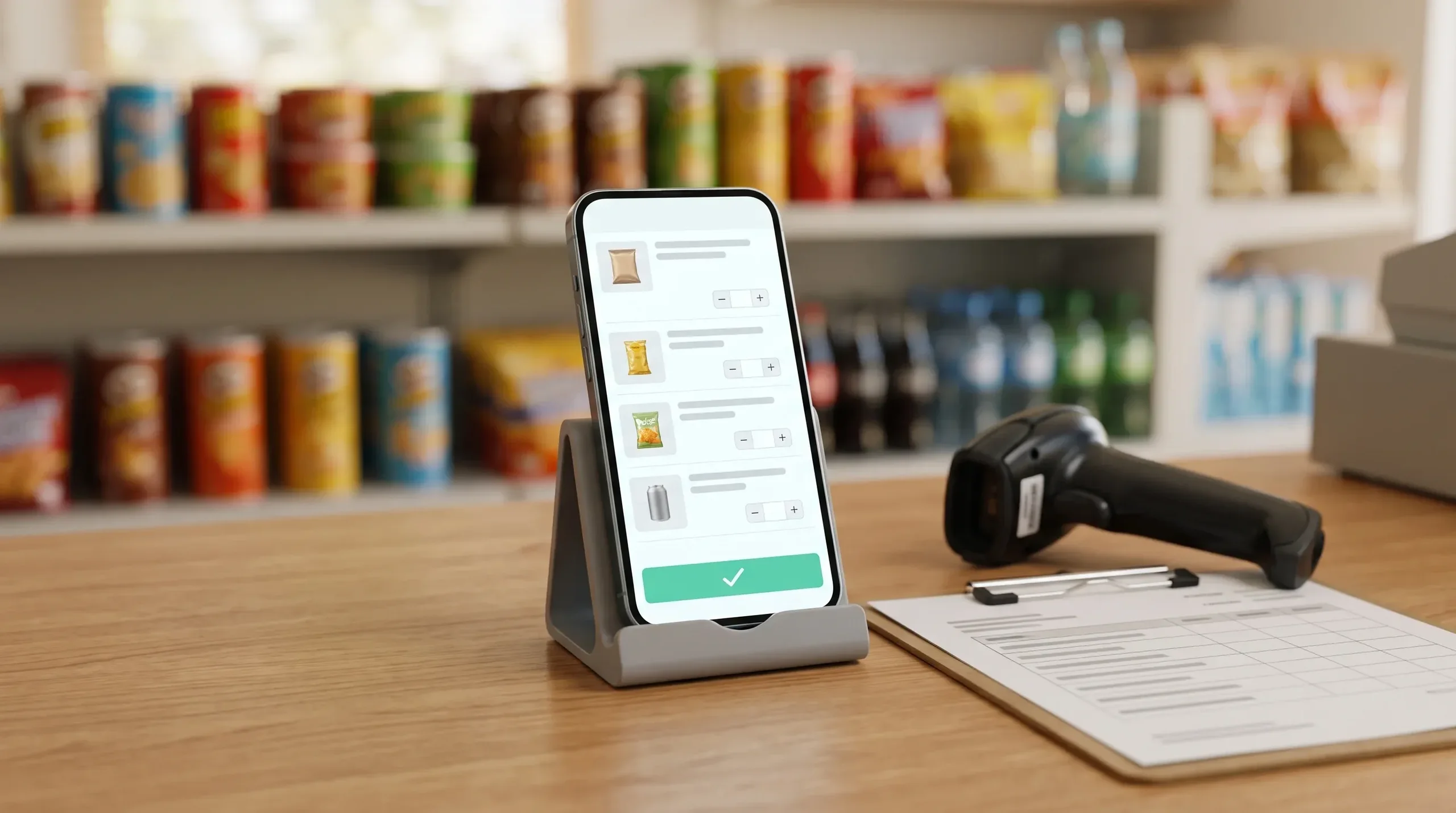
Petrey
A React Native ordering app and Laravel back end for a wholesale firm founded in 1898, built to stay fixable for years.
- YearsIn Production Since Delivery
- < 1 hourTo Fix a Server Crash
- 1 codebaseFor iOS and Android
- PositiveClient Relationship
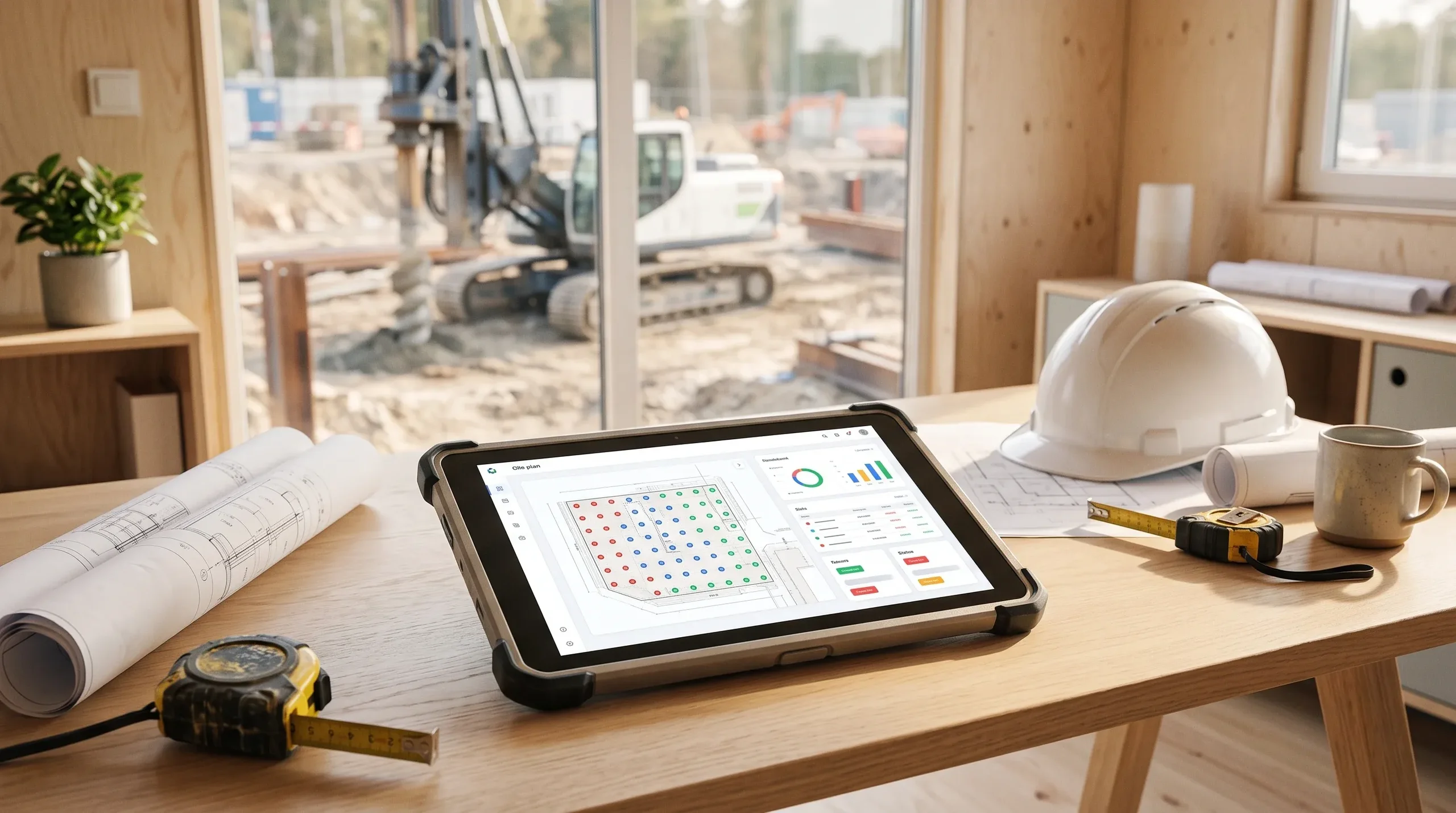
Drilling Management Platform
Drilling management software for a Swedish company: an office web platform and a synced field app that share one record per pile.
- 477Delivery Items Since November 2024
- ~5 peopleOne Team From PM to QA
- 1 recordPer Pile, Shared by Field and Office
- OngoingSupport and New Features
What You Get From a Mobile App Development Company Audit
We review your users, devices, and the systems you already run, flag where a custom mobile app development build carries the most risk, and hand you a clear next step, what to build, how long it takes, and what it costs.
The Stack Behind Mobile Software Development Services
The languages, frameworks, and infrastructure behind every mobile build Hygge runs, including cross platform app development where one codebase serves both stores, chosen to match your platform strategy.
A build that follows Apple's platform conventions, with direct access to device hardware and support for new OS features from the day they ship.
 Swift
Swift SwiftUI
 Xcode
XcodeFrequently Asked Questions
Common questions about scope, cost, and timeline before starting a project with Hygge Software.
 What is mobile app development?
How to build a mobile app?
How to develop a mobile application?
What is mobile development?
How are mobile apps developed?
Should I build a native app or go cross-platform?
How long does mobile app development take?
Do you handle App Store and Google Play submission?
What happens if Apple or Google rejects the app during review?
Do you build apps that work offline?
What happens after the mobile app launches?
How much does mobile app development cost?
From Your Users to a Scoped Plan
Tell us who the app is for and what device they carry. Hygge scopes the mobile app development services around a measurable outcome.
Tell Us Who the App Is For
Share your users, their devices, and what's driving the need for a mobile app right now.
Get a First Consultation
We review your users and platforms for anything that would change scope, cost, or timeline.
Receive a Detailed Proposal
A scoped plan with the approach, timeline, and cost, built around your actual users and devices.