
Blockchain Development Services for Products People Outside Crypto Will Use
Deployed contract code is permanent and every wallet prompt is a place a buyer leaves. Those two facts decide the build. Crowdflix put Flow smart contracts under a film marketplace and wrapped every chain step in plain language, because the audience were film fans making their first crypto transaction.
What Blockchain Development Services Solve
Where a Web3 product loses the person it was built for. A wallet prompt appears before any value is shown, gas fees arrive as a surprise, and a first-time buyer closes the tab. A blockchain development company earns its fee by keeping the chain out of the way until it is needed.
Users Leave at the Wallet Prompt
Onboarding assumes a wallet, a seed phrase and a token for gas. The audience has none of the three and closes the tab.
- Wallet connection wrapped in plain-language steps at each stage
- Chain selection driven by what the audience can complete
- A path through purchase that works for someone whose first crypto transaction is this one
Contract Bugs Are Permanent
Deployed code cannot be edited. A mistake found after launch is a migration, a pause switch or a loss.
- Static analysis on every commit before a human audit starts
- Fuzz testing against inputs nobody wrote a test for
- Forked-mainnet rehearsal of every deployment and upgrade path

Chain State Is Unusable as a Product Backend
Showing holdings, history or a feed by scanning blocks is slow and breaks under any real traffic.
- An indexing layer that makes chain history queryable
- Off-chain state for everything that does not need to settle on chain
- A reconciliation job that catches drift between the index and the chain

The Chain Shows Through the Interface
The interface exposes chain concepts, and the value the customer came for is buried under them.
- Marketplace or application first, with the chain as an implementation detail
- Chain vocabulary kept out of the interface where the audience does not use it
- Fees and confirmations explained in the terms of the product
What Makes a Blockchain Development Company Different
Two constraints separate this from ordinary product work. Contract code is immutable once deployed, so review carries the weight that a hotfix carries elsewhere. And every chain interaction is a place a non-crypto user can leave, so the wallet flow is a conversion problem before it is a technical one. Hygge settles the chain, the contract surface and the onboarding path in the audit, before anything is written.

Where Web3 Development Services Apply
Sectors where ownership has to settle publicly, and where Hygge has shipped it. What changes between them is what the token stands for: a ticket, a share of revenue, a game item, a receipt. Web3 development services carry the same core in all of them, and the custody rules move with the asset.

Media & Entertainment
Media marketplaces where fans buy and trade rights-bearing moments without touching crypto.

Real Estate & PropTech
Tokenized property where an investor needs the asset priced between formal valuations.

Retail & E-Commerce
Retail and collectible marketplaces where provenance is part of what is being sold.

LegalTech
Legal workflows where a signed record has to be verifiable by a party who trusts neither side.

Sales & Marketing Technology
Loyalty and rewards products where balances move between businesses.
The Stack Behind Smart Contract Development
On-chain code cannot be patched after the fact, so this stack is built around testing, review and a deployment path that assumes no second chance. Everything that can live off-chain does, which keeps gas cost and risk down.
Selected against what the audience can complete and what the asset has to settle.
 Flow
Flow Ethereum
 Polygon
DeFi Development Company Track Record
Company numbers across every project, from the first audit through the years a system stays in service. Chain products are judged after the launch window closes, when the contract is holding real value. The audit at the start is what makes the delivery date and the price hold.
How Smart Contract Development Runs
Chain and custody first, contracts reviewed, product around them. Smart contract audit services run before anything holds value, because a contract in production cannot be patched like an API. Each stage ends with something you can open and try.
Chain and custody audit
2 weeksHygge settles which chain the audience can complete a transaction on, who holds keys, and what has to settle publicly. The output is an architecture document, a scope and an exact price.
Contracts and review
3-5 weeksThe ownership rules written, put through static analysis and fuzzing, and rehearsed against forked mainnet state before any deployment.
Product and wallet flow
5-7 weeksThe marketplace or application built first, with wallet connection and confirmation wrapped in plain language at each step.
Indexing and production deployment
3-4 weeksChain history indexed so the product serves fast, reconciliation running against the chain, and deployment into your own accounts.
Related Smart Contract Development Work
Products Hygge shipped where the chain settles ownership and the buyer never had to learn it. Each started with a team that needed on-chain settlement and an audience with no crypto experience. What you see is how both got served at once.

Crowdflix
A blockchain marketplace for movie moments, built so a fan who has never touched crypto can buy one without meeting the chain.
- Plain wordsOn every wallet prompt a fan meets
- ~4.5 monthsFrom kickoff to contracts on mainnet
- Pre-launchAn IP risk caught before anything went public
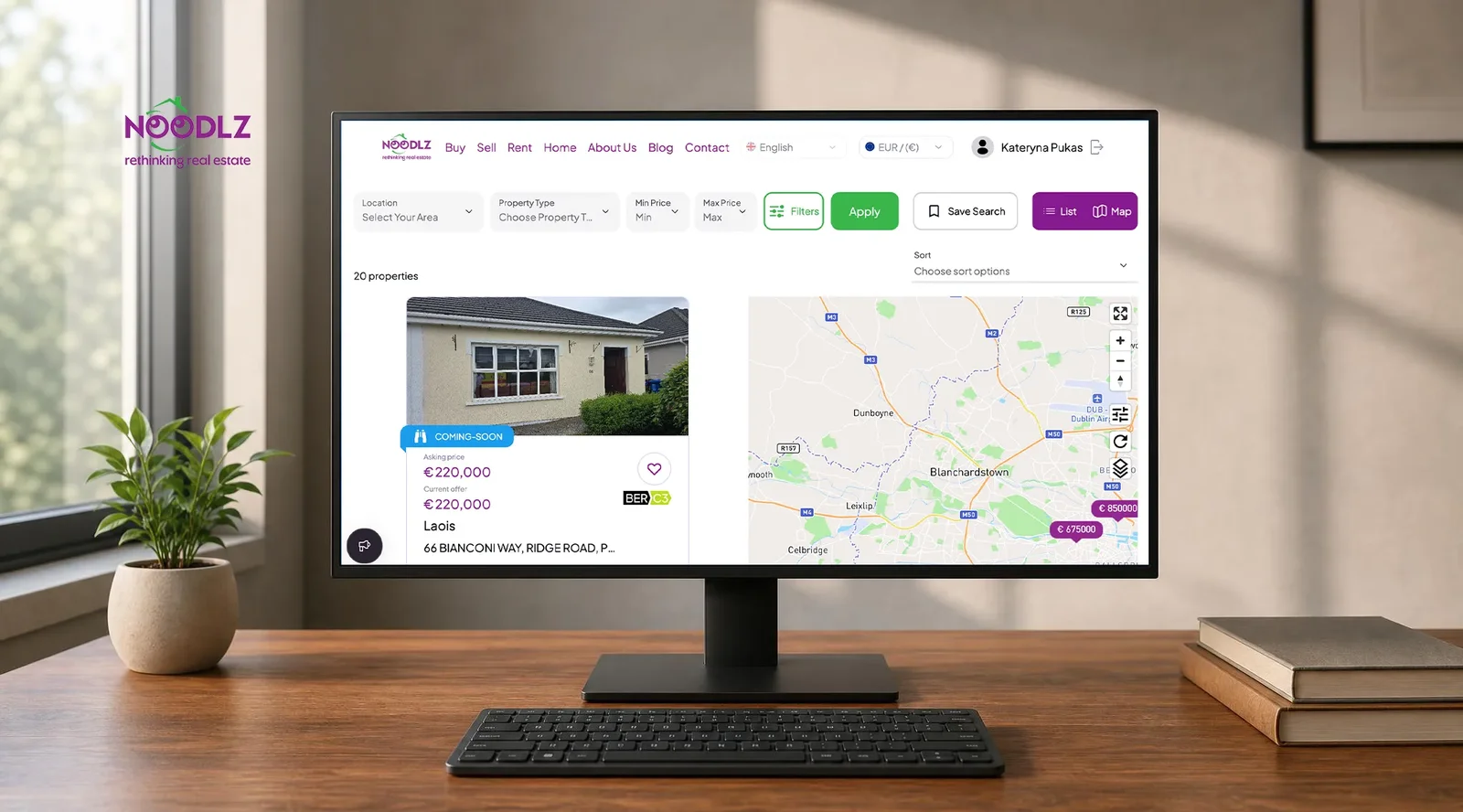
NOODLZ
Live auction software for an Irish agency network. Auctions moved off phone calls into one platform with verified bidders and a document vault.
- 1 platformReplaces auctions run outside any system
- 1 vaultReplaces contracts moving between inboxes
- 2+ yearsOf continuous delivery since 2024
Blockchain Development: Frequently Asked Questions
Chains, keys and audits, answered the way a product owner needs them. The answers below cover which chain fits, who holds custody, what an audit costs, and what happens when a contract needs to change after launch. A defi development company meets these questions earlier than most, because money moves the moment the contract does. A defi development company meets these questions earlier than most, because money moves the moment the contract does.
 What is a smart contract?
How does a smart contract work?
How are smart contracts created?
Are smart contracts public?
Are smart contracts legally binding?
How do you build blockchain products for non-crypto users?
Which chain should we build on?
How do you handle the fact that contracts cannot be edited?
Do you do smart contract development and audit?
Who holds the keys, us or the user?
How much does blockchain development cost?
Can the chain part be added to a product we already have?
Start With Who Has to Complete the Transaction
Tell us what has to settle on chain and who your buyer is. You get an audit, an architecture document, a scope and an exact price.

Tell Us What Has to Settle On Chain
Share what is being owned or traded, who buys it, and how much crypto experience they have.

Get a Chain and Custody Audit
Hygge settles the chain, the key-holding model and the contract surface before anything is written.

Receive an Architecture and an Exact Price
A scope with the contracts, the wallet flow, the indexing layer, the timeline and the cost.