
IoT Development Services
A device that reports is hardware. A device that bills is a product. Hygge builds the platform, the apps and the integrations between the two, scoped against the board you already have and the cost per device you have to hit.
What Internet of Things Software Development Adds to a Device
Hygge scopes the layers a custom IoT development build needs after reading the hardware constraints and the cost per device you have to live with.
Telemetry Ingestion and Storage
Every message from every device landing in one place that stays cheap as the fleet grows. This layer decides whether ten thousand devices cost you hundreds a month or thousands.
Provisioning and Device Identity
Each unit gets its own identity at manufacturing, so onboarding takes a scan on site. Your installer adds fifty devices in a morning without calling anybody.
Apps for the People Operating It
The dashboard your customer logs into and the tools your own support team works in. This is the part customers see, and the part they pay a subscription for.
Integration With Systems Already in Use
Readings pushed into the ERP, the maintenance system or the billing platform your business already runs on. Data that lands where people already look gets acted on.
Platform Built or Assembled
AWS IoT, Azure or your own stack, chosen against your message rate and your margin. Hygge shows the monthly bill for each option before you pick one.
Cost Per Device, Modelled
What one device costs to run per month at today’s fleet and at ten times it. This number sets your pricing, so it gets settled before anything is built.
What the Assessment Tells You
Hygge reads your board, your message rate and the price you need to sell at. IoT development services are quoted from that, with a fixed number.
The audit puts each of these on paper:
- What one device costs to run per month, at today’s fleet size and at ten times it.
- Which platform fits your message rate, with the monthly bill for each option side by side.
- How a unit gets its identity at manufacturing, so installers onboard devices without an engineer on the phone.
- Where telemetry has to land in the systems your business already runs on.
- An exact price and a delivery order, sized so the first devices go live before the full scope is committed.
What Sends a Team Looking for an IoT Development Company
Each of these carries a number, and the number grows with every device you ship.
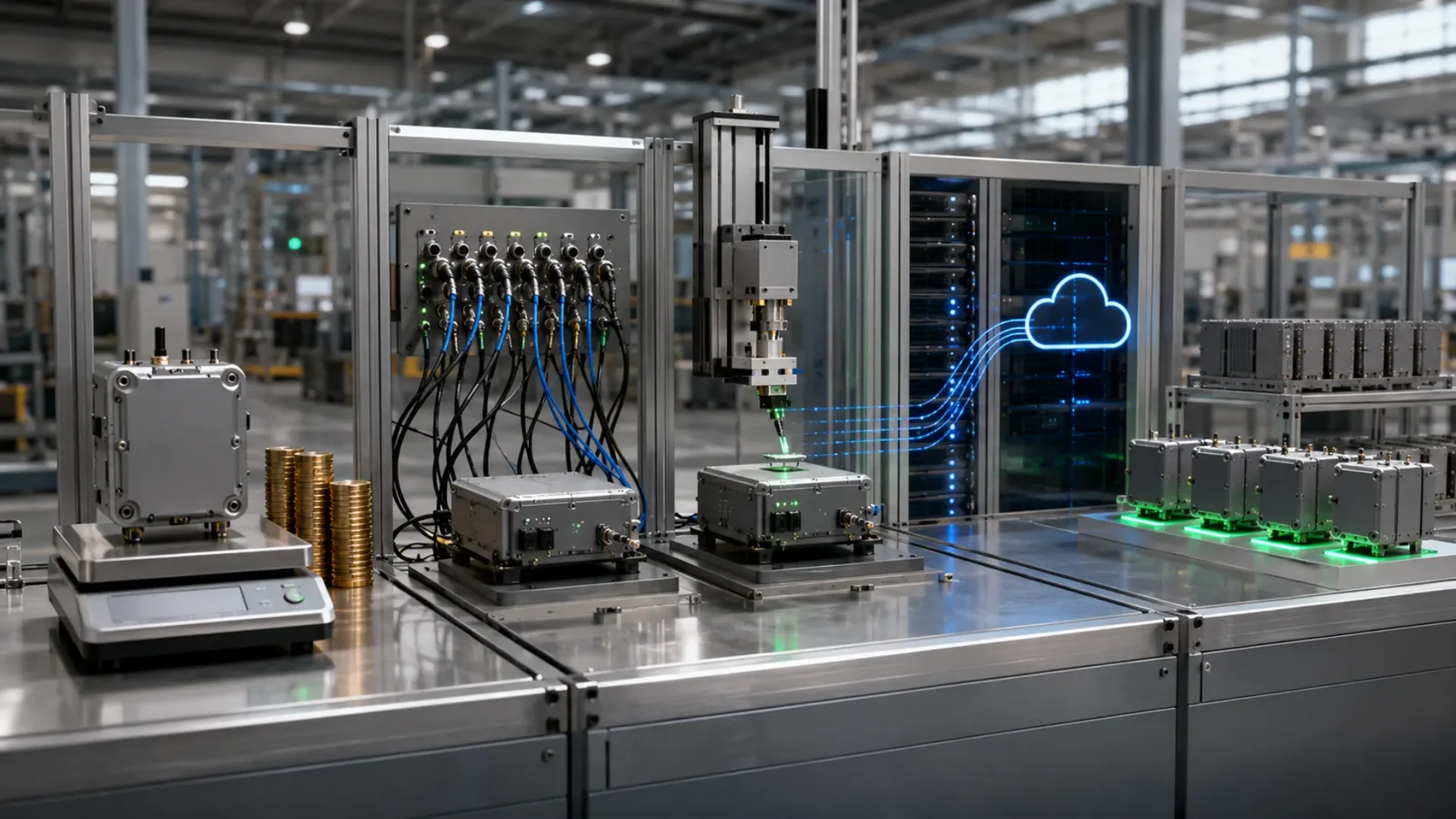
Hardware ships and the software behind it stays a prototype. Then the fleet grows, the cloud bill grows faster, and every device that misbehaves costs a site visit. IoT development is what turns that into a product with a margin you can plan.
The Device Reports to a Laptop
The prototype talks to a script on somebody’s machine. It works, it demos well, and it cannot go to a customer who expects uptime.
Every Reading Gets Retyped
Somebody exports a CSV and types the numbers into the system that runs the business. That person is your integration layer, and they take holidays.
The Bill Grows With the Fleet
Cloud cost rises in step with device count, and the margin on each unit shrinks the more you sell. Growth is making the business worse.
The Pilot Scaled Badly
Ten devices worked. Five hundred queue up, drop messages and time out, and the customer who signed off on the rollout is watching.
Data Arrives, Nobody Acts On It
Readings land in a database and stay there. The hardware sits in the field earning nothing, because nothing on top of it turns a reading into a decision.
How IoT Platform Development Runs
Two weeks to a device sending live telemetry into a screen you can open.
Read the Hardware and the Numbers
Week 1Your board, your message rate, your power budget and the price you sell at. The cost per device comes out of this before anything gets built.
One Device, End to End
Week 2A single unit provisioned, reporting, and showing up on a screen. The whole path proven on one device before the fleet is committed.
Apps and Integrations
Weeks 3 to 6The dashboard your customer uses, the tools your support team needs, and the push into the systems your business already runs on.
Fleet and Updates
Weeks 7 to 8Provisioning at manufacturing scale, over-the-air updates, and monitoring that tells you which devices went quiet.
Handover
Week 8Accounts, code, dashboards and runbooks in your own environment, with the running cost tracked against the model from week one.
What Changes Once the Platform Is Yours
The hardware starts earning on its own. A dashboard and a support tool sit on top of the fleet, which is what a customer signs a monthly contract for. The cost per device stops moving against you. Every unit carries a known monthly figure, so each new device you sell adds margin. Site visits stop being the fix. Firmware ships over the air and monitoring shows which devices went quiet, so a software problem stays a software problem. An IoT solutions company is judged on what happens when a device is offline, which is most of the interesting cases. IoT platform development covers the part that holds it together: ingest that survives a spike, device state you can query, and updates pushed per device group so a fleet is never half upgraded.
What an IoT App Development Company Is Measured On
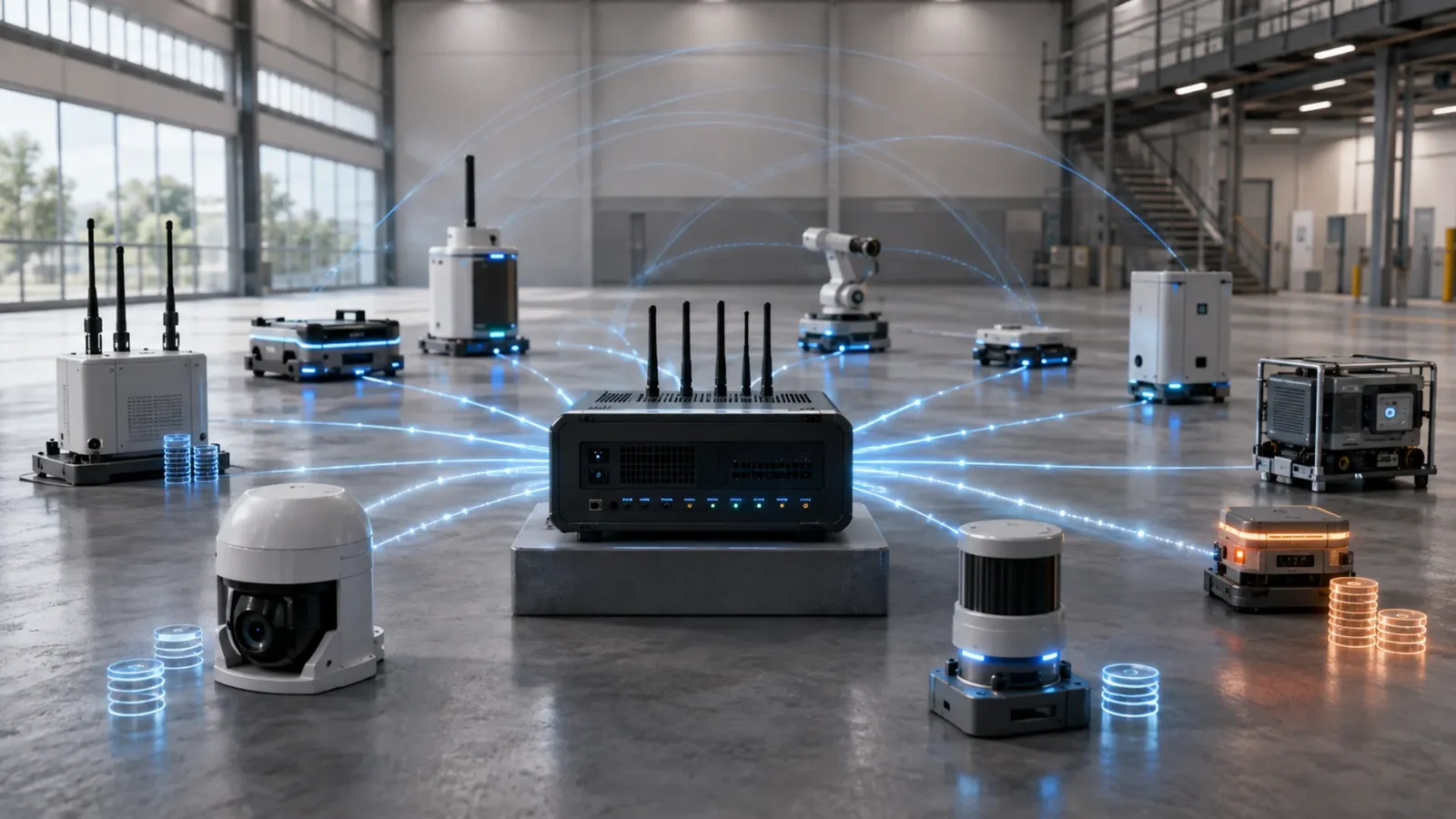
The standards this work is held to, set against your current baseline and checked after delivery.
Where Devices Already Send More Than Anyone Reads
Sectors where hardware is in the field and the software around it decides its value.
Logistics & Warehouse Automation
Scanners, sensors, and vehicles reporting into one view of what the site is doing right now.
Public Safety & Security
Field units streaming into a command center, with data buffered when the connection drops.
Retail & E-Commerce
Store sensors, screens, and shelf devices reporting stock and project per location.
Fitness & Wellness
Connected equipment reporting usage and maintenance needs across a network of sites.
Healthcare & Staffing
Clinical devices reporting into systems that hold protected health information.

Media & Entertainment
Displays and playback devices reporting which asset played and at what time.

Aviation
Ground equipment and aircraft systems reporting into maintenance and compliance records.
Real Estate & PropTech
Building sensors reporting occupancy, access, and energy use across a property portfolio.
Software Behind Hardware in the Field
Work where the product depended on devices reporting from outside the office.

Humanitarian Cargo Tracking Platform
Humanitarian cargo tracking for a UK carrier. Every load is on one map, and each handover lands in a ledger funders can check.
- QRCargo Acceptance on the Recipient's Phone
- LivePosition for Every Load
- 3 appsIn One Platform
- 1 ledgerFor Every Movement
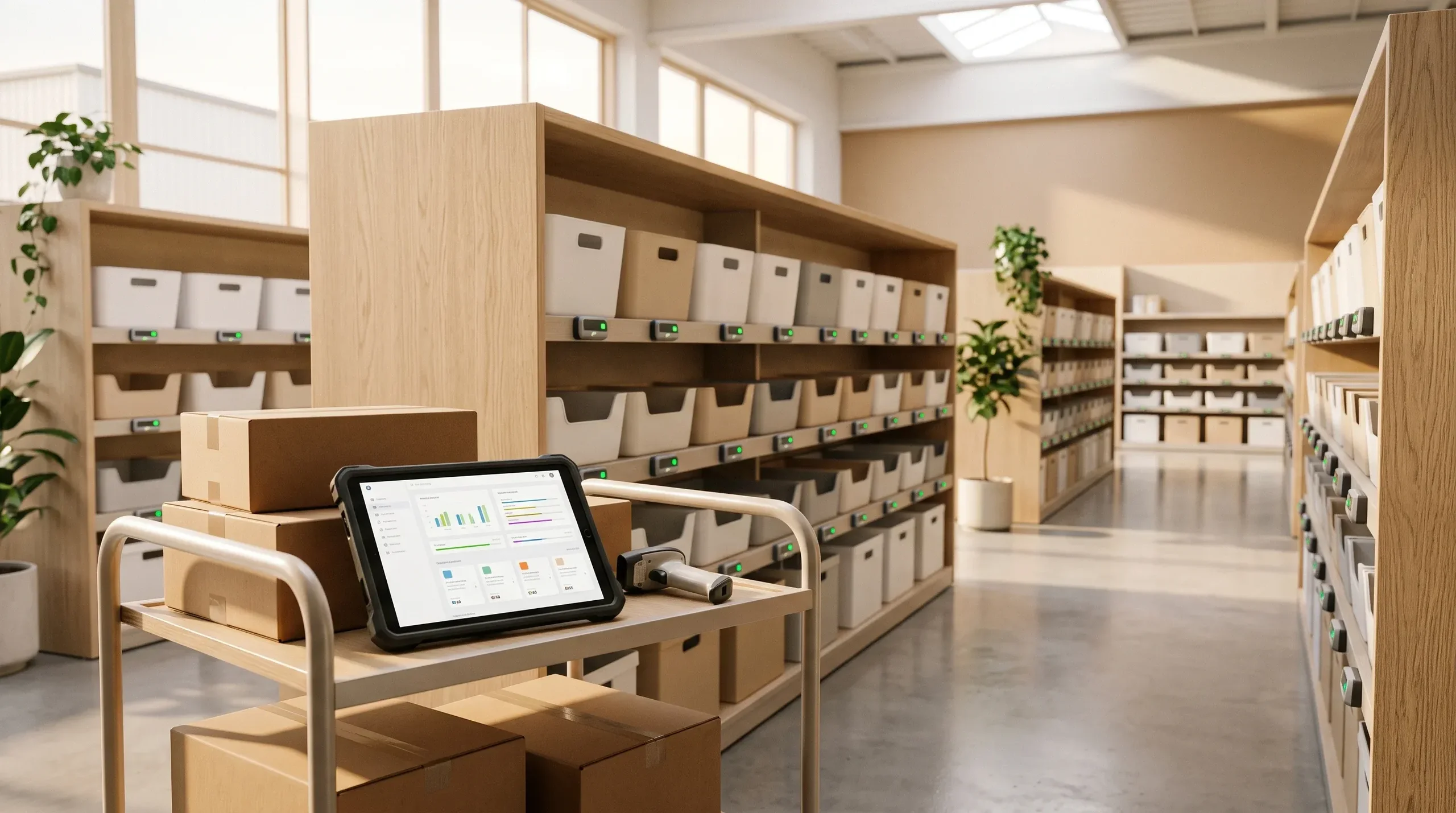
Pick-to-Light System Integration
Pick to light system integration for an equipment integrator. One layer ties lights, sorters and loaders to the WMS at every site.
- 3Equipment Types on One WMS
- Every pickConfirmed Back to the WMS
- LiveEquipment Faults on Screen
- 1 layerFor Lights, Loaders and Conveyors
What the Assessment Settles
The audit gives you a running cost per device at today’s fleet and at ten times it, the platform options with a monthly bill against each, a provisioning plan your installers can follow, and a build order sized so the first devices go live early. All of it in writing, and yours whoever builds next.
The Stack Behind an IoT Platform
Chosen against your message rate, your fleet size, and what your own team will operate afterwards, so an IoT software development company handover leaves something maintainable behind.
Device traffic accepted at the rate a full fleet produces, with backpressure that keeps the platform up when every unit reconnects at once.
 MQTT
MQTT CoAP
CoAP RabbitMQ
 NATS
NATS WebSockets
 Thread
What to Ask an IoT App Development Company
Hardware, power and connectivity questions an IoT solutions company settles before a build starts.
 What is IoT?
What is the internet of things?
What does internet of things mean?
What is internet of things technology?
What is IoT used for?
What does IoT development include?
Do you build the device or the software?
How much data can the platform handle?
What happens when a device goes offline?
Can you connect devices we already deployed?
How do updates reach the field?
What does an IoT build cost?
What is IoT application development?
From a Device That Reports to a Product That Bills
Tell Hygge what the board is, how often it reports and how many units you plan to ship. You get a cost per device, a platform recommendation and an exact price for the build.
Tell Us What the Devices Report
Share the hardware, how many units you expect in the field, and how often each one sends data.
Get a First Consultation
We review your hardware, connectivity, and data volumes for anything that would change scope, cost, or timeline.
Receive a Detailed Proposal
A scoped plan with the approach, timeline, and cost, built around your actual fleet.