

Property Management Software Development Through to the Signature
A property platform is judged at two moments: when several bidders press the button at the same second, and when the paperwork has to close with every party verified. Everything between listing and completion is straightforward. Those two are where the engineering goes.
What Auction Platform Development Solves
Where a property business runs on inboxes and trust. An offer arrives by email, a viewing is confirmed by phone, and the version of the contract everyone works from lives in a downloads folder on one laptop. When a deal is disputed, no record settles it.

Offers Arrive by Email
Bids come in through three channels, timestamps are disputed, and the agent becomes the record of what was offered when.
- A single offer record with a server-side timestamp on every action
- Live auction bidding with a mechanism buyers can see is fair
- Bid history retained per lot, readable by every party afterwards

Live Bidding Breaks Under Load
Interest spikes at the close, several bidders act in the same second, and the system has to decide an order it can defend.
- Ordering settled server-side with a single authority per lot
- Anti-sniping rules applied consistently
- Load tested at the concurrency the close will produce

Identity Slows Every Private Sale
Verification happens by email attachment, and a deal waits days for someone to check a document by eye.
- Identity and funds verification built into the bidding flow
- Status visible to the agent before the lot opens
- A record of what was checked and when, retained with the transaction
Documents Live in Three Inboxes
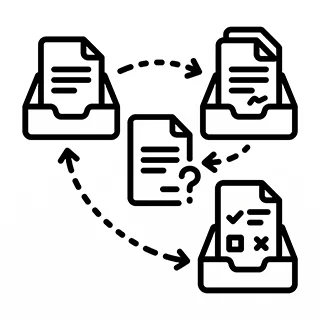
Contracts, searches and signatures route through several parties, and nobody can say which version is current.
- A document vault with versioning and party-level access
- Routing that shows who has signed and who is holding the deal up
- Completion packs assembled from the same records the deal ran on
What Makes Auction Software Development Hard
Fairness is the product. If a bidder believes the ordering was arbitrary, or that a lot closed early, the platform loses the participant and the vendor together. Hygge settles the auction mechanism, the tie-breaking rule and the anti-sniping behaviour in the audit, then builds the interface around a mechanism that has already been agreed.

Industries This Applies In
Sectors where a transaction has to be provably fair, and where Hygge has built it. What changes between them is what changes hands: a lease, a freehold, a lot at auction, a managed unit. A real estate software development company builds the same record for all of them, and the compliance steps move with the deal.

Real Estate & PropTech
Estate agency platforms carrying listing, viewing, live auction bidding and a document vault end to end.

Retail & E-Commerce
Retail and wholesale marketplaces where lots close on a timer and money follows automatically.

LegalTech
Legal workflows where a document version and who signed it carries weight.

Logistics & Warehouse Automation
Asset and equipment disposal where valuations, lots and logistics meet.
The Stack Behind Property Management Software Development
A property transaction has a moment where money and a legal position change hands, so this stack is chosen for state everyone can agree on and a record nobody can quietly edit. Live auctions run on the same record the listing does.
Ordering, timers and state for lots where several people act in the same second.
 Node.js
 NestJS
 Redis
Redis PostgreSQL
 WebSockets
 Socket.IO
Property Management Software Development Track Record
Company numbers across every project, from the first audit through the years a system stays in service. Real estate app development is judged on the day a deal closes, when the document trail has to hold up. The audit at the start is what makes the delivery date and the price hold.
How Property Management Software Development Runs
Mechanism first, then the lifecycle around it, then the paperwork that closes it. Auction platform development proves the bidding under load before anything else ships, because that is the part everyone watches. The document vault and the signature flow land last.
Mechanism and lifecycle audit
2 weeksHygge settles the auction rules, the tie-breaking behaviour and the stages a deal passes through today. The output is a written mechanism, a scope and an exact price.
Listings and viewings
4-5 weeksListing management, media, scheduling and the agent workflow, deployed for your team to run real stock from week one.
Live bidding
4-6 weeksThe auction with server-side ordering, anti-sniping rules and verification gating entry, load tested at your expected concurrency before it opens.
Documents and completion
3-4 weeksA versioned document vault with party-level access and routing, and completion packs assembled from the deal record.
Related Work
Property platforms Hygge has built, from listings through live bidding to the document vault. Each one started as an online auction platform where the transaction had to be provably fair to both sides. What you see is the system that made it so and the numbers that moved.
NOODLZ
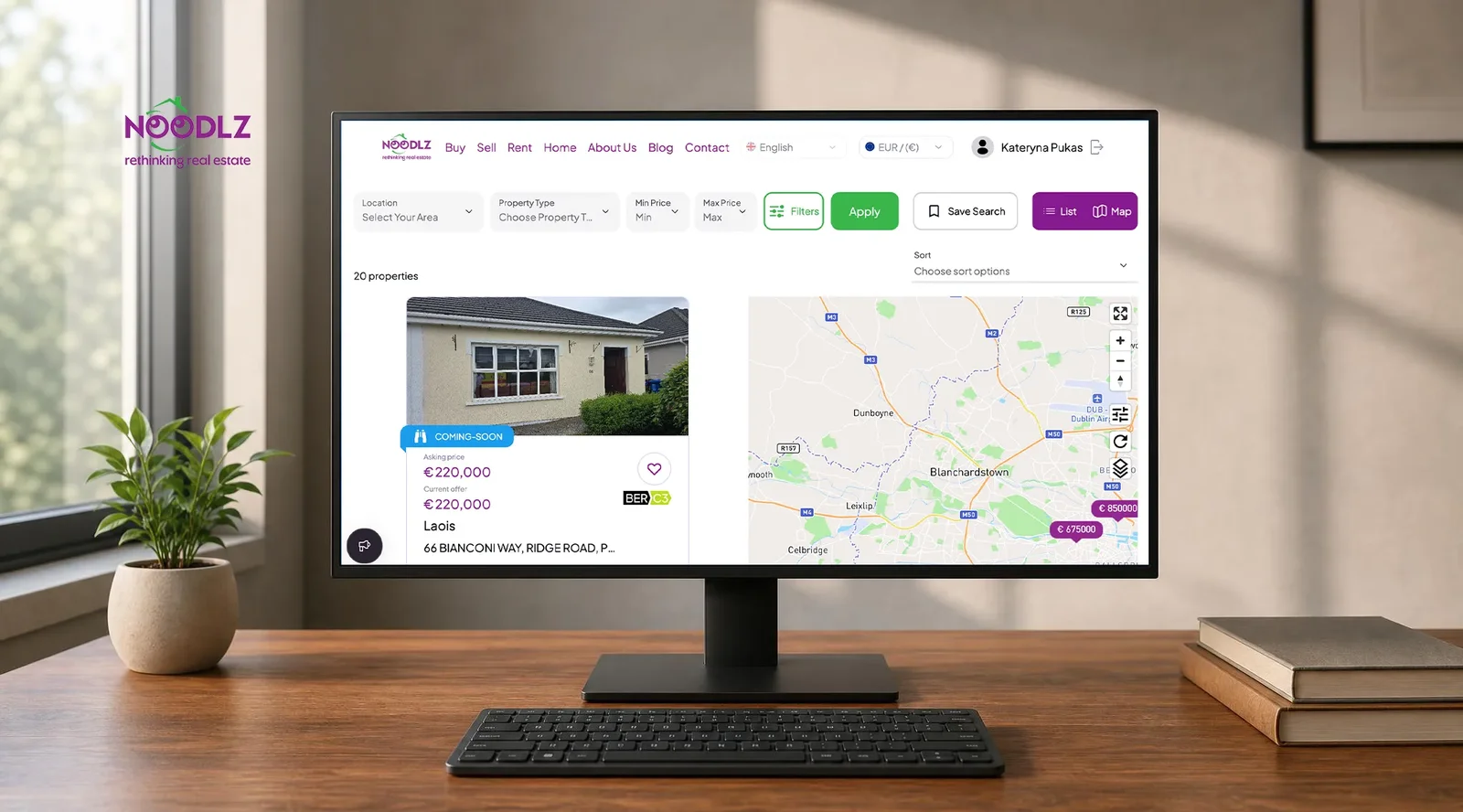
Live auction software for an Irish agency network. Auctions moved off phone calls into one platform with verified bidders and a document vault.
- 1 platformReplaces auctions run outside any system
- 1 vaultReplaces contracts moving between inboxes
- 2+ yearsOf continuous delivery since 2024

Crowdflix
A blockchain marketplace for movie moments, built so a fan who has never touched crypto can buy one without meeting the chain.
- Plain wordsOn every wallet prompt a fan meets
- ~4.5 monthsFrom kickoff to contracts on mainnet
- Pre-launchAn IP risk caught before anything went public
Tenant Management Software and Auctions: Frequently Asked Questions
What comes up when listings, tenant management software and an online auction platform have to live in one system. The answers below cover bidding under load, document trails that survive a dispute, and what a first working version costs.
 How do online property auctions work?
How do online auctions work?
Can I run my own auction?
Are online auctions worth it?
What makes real-time bidding hard to build?
How does identity verification fit into private sales?
How do multi-party documents get handled?
Can computer vision assess a property?
How much does auction software development cost?
How long does a property platform take?
Can it work alongside the CRM and portals we already use?
Start With How a Lot Closes
Tell us how offers arrive today and what your auction rules have to be. You get an audit, a written mechanism, a scope and an exact price.

Tell Us How Offers Arrive Today
Share the channels bids come through, the rules you apply at a close, and where the paperwork stalls.

Get a Mechanism and Lifecycle Audit
Hygge settles the auction rules, tie-breaking and verification gates before any interface is designed.

Receive a Written Mechanism and an Exact Price
A scope with the bidding model, the verification flow, the document handling, the timeline and the cost.