
Education Software Development for Schools, Universities and Training Providers
Learning platforms get extended for years before anyone considers replacing them. Hygge has built one that has run for seven years and rescued others that stalled halfway.
Where the Term Goes
What school and training-provider leaders describe when they call us. A term starts with rostering done by hand and ends with a completion report nobody fully trusts. In between, staff spend hours moving the same student between systems.
None of this reads as a software problem on the day. It reads as a busy term. The cost turns up somewhere else: in staff hours spent on lists, in a report that takes a week to assemble, and in a learner who dropped out before anyone saw it coming. Education software development removes the repetition and puts the learner record in one place.
Student Data Lives in Two Systems That Disagree
Enrolment sits in one place, coursework and grades in another, and the two are kept in step by somebody typing. When a student joins mid-term or leaves, one system knows and the other does not, and the person who finds out is usually a parent.
Staff Retype Rosters, Grades and Attendance Every Term
The same list is entered again for a new intake, a new cohort, a new reporting round. Every repetition is a chance to skip a step, and the skipped one is usually the record a funding return or an accreditation review asks for.
The Platform Was Built for a Different Kind of Institution
It carries modules nobody opens and stops at the rules you run on: your enrolment terms, your assessment structure, your funding reporting. You pay per learner for the full package and still keep the important part in a spreadsheet.
Student Records Are Open Wider Than Anyone Realises
Accounts belonging to staff who left, shared logins on a shared machine, and a directory nobody reconciles. Learner data carries obligations that outlive the term, and the gap usually surfaces during an accreditation or funding review.
eLearning Software Development Hygge Builds for Schools
Each card is a system an institution moves to once a manual process stops holding. On the right is what changes and by how much.
LMS & eLearning Platform Development
The platform learners and staff work in: courses, assessment, progress and the reporting on top. Built to be extended for years, because a learning platform is rarely replaced and usually inherited by the next team.
- 1 recordA learner, their enrolment and their progress in one place
- 99.9 %Availability through exam periods and the first week of term
- 3 xMore cohorts run by the same administrative team
Business Process Automation
The routine a term generates: enrolment, cohort setup, attendance chasing, certificate issue and the approvals each one needs. Steps that depended on somebody remembering become part of the record.
- 70 %Of enrolment steps completed without a manual chase
- 3 xFaster from application to a learner on a course
- 1 entryA learner is entered once and read by every list that needs them
Customer & Partner Portal Development
A portal where parents, employers and funding bodies see progress, invoices and attendance without calling the office. Your staff approve, and the assembly happens behind it.
- 80 %Of routine enquiries answered without a staff member
- 48 hTypical turnaround on a progress or funding request
- 100 %Of shared records limited to what that party may see
CRM Development
Enquiries, applications and the follow-up behind them held by the institution, so an admissions season survives somebody leaving. Where learners come from becomes a number you can act on.
- 3 xMore converted enquiries from following up on time
- 100 %Of applications traced to the source that produced them
- 1 recordEvery enquiry and applicant held by the institution
Business Intelligence & Reporting
Retention, completion, attendance and cost per learner built from records staff already keep. A learner drifting off a course shows up while the term is still running.
- 1 dayFrom term end to a retention and outcomes report
- 2 weeksEarlier warning on a learner heading for a drop-out
- 100 %Of funding returns traceable to the records behind them
API & Payment Integration
The connections between your platform, your student information system, your single sign-on and the bodies you report to. Roster and grade sync run against the directory the institution already uses.
- 1 entryA learner is created once and read by every connected system
- 100 %Of transfers logged with what was sent and what came back
- 1 hFrom a failed sync to somebody knowing about it
Fintech & Payment Products
Fees, instalment plans, funding drawdowns and refunds built on a ledger nobody can edit. Every movement is derived from a recorded event, so a reconciliation is produced from the record.
- 1 dayTo reconcile fees and funding across a term
- 100 %Of movements derived from a recorded, traceable event
- 30 %Faster from invoice issued to payment received
What EdTech Software Development Draws On
Why each of these gets used on an education build, in the order it usually gets needed. An education build touches a learner record, a school system, a teacher on a phone and a district procurement review in the same term. These are the services that hold those together.
System Integration
The student information system, the learning platform, the payment provider and the reporting tools were bought at different times. Making one learner the same record across all of them is what ends the rostering spreadsheet passed around each term. Enrolment changes then reach every system on the same day.
Open the serviceUI/UX & Product Design
A learner who cannot find the next step stops, and a teacher who needs three clicks to mark attendance goes back to paper. The interface decides completion rates more than the content does. Design work here shows up directly in the numbers you report to a buyer.
Open the serviceBackend, API & Database
Enrolment arrives in waves at the start of a term and grading arrives in waves at the end. This layer carries those peaks and keeps one learner history that grades, attendance and payments all agree on. It is also where the rules about who can see a student record are enforced.
Open the serviceRAG Development
Learners ask questions your course material already answers, at hours when nobody is available. Retrieval over your own content returns the answer with the lesson it came from, so a tutor response stays inside the curriculum. Support scales without adding staff to every cohort.
Open the serviceData Engineering
Attendance, assessment scores, logins and support tickets sit in different tools. Joining them shows which learners are drifting while there is still time in the term to reach them. It also turns an outcomes claim to a buyer into a number you can show.
Open the serviceSecurity Consulting
Student records, guardian contacts and payment details sit across systems set up at different times, often with former staff still holding access. Reviewing that, and being able to show it, is what a district or a university procurement review asks for first.
Open the serviceWhat an Education Build Is Measured On
Agreed with you before education software development starts, then measured against how the institution runs today. Every number here comes out of the audit, so it describes your own enrolment and your own term. That is what makes the delivery date and the price hold.
The Stack Behind LMS Development and Assessment Tools
Learning platforms are extended for years before anyone considers replacing them, so this stack favours well-supported technology with a long life ahead of it. Hygge picks what a school's own team, or the next vendor, can pick up without a rewrite.
The application learners and administrators live in. It has to work on a school laptop several years old and on a phone at home, and stay usable for a student on a screen reader. Accessibility is built at this layer, where a procurement audit checks it, and pages are kept light enough to load on a shared connection at the start of a lesson.
 Angular
 React
React Next.js
 TypeScript
 NestJS
 Node.js
EdTech Software Development With the Same Shape
Each of these solved a problem a learning platform runs into: a product that has to keep running for years, a decade of records carried into a new system, an inherited platform audited and rebuilt, and expert judgement turned into something a tool can apply. Every one started with content that already existed and a buyer who needed proof of outcomes. What you see is the platform that gave them that.

Observe
A four-month MVP for a social learning platform, built after a short paid trial. It has profiles, group spaces, payments and live browser video.
- Talent and supportBrought On Board With the MVP
- End to endA Working Product to Demonstrate
- 4 monthsFrom First Trial to a Finished MVP
- 20 hoursPaid Trial That Led to the Build
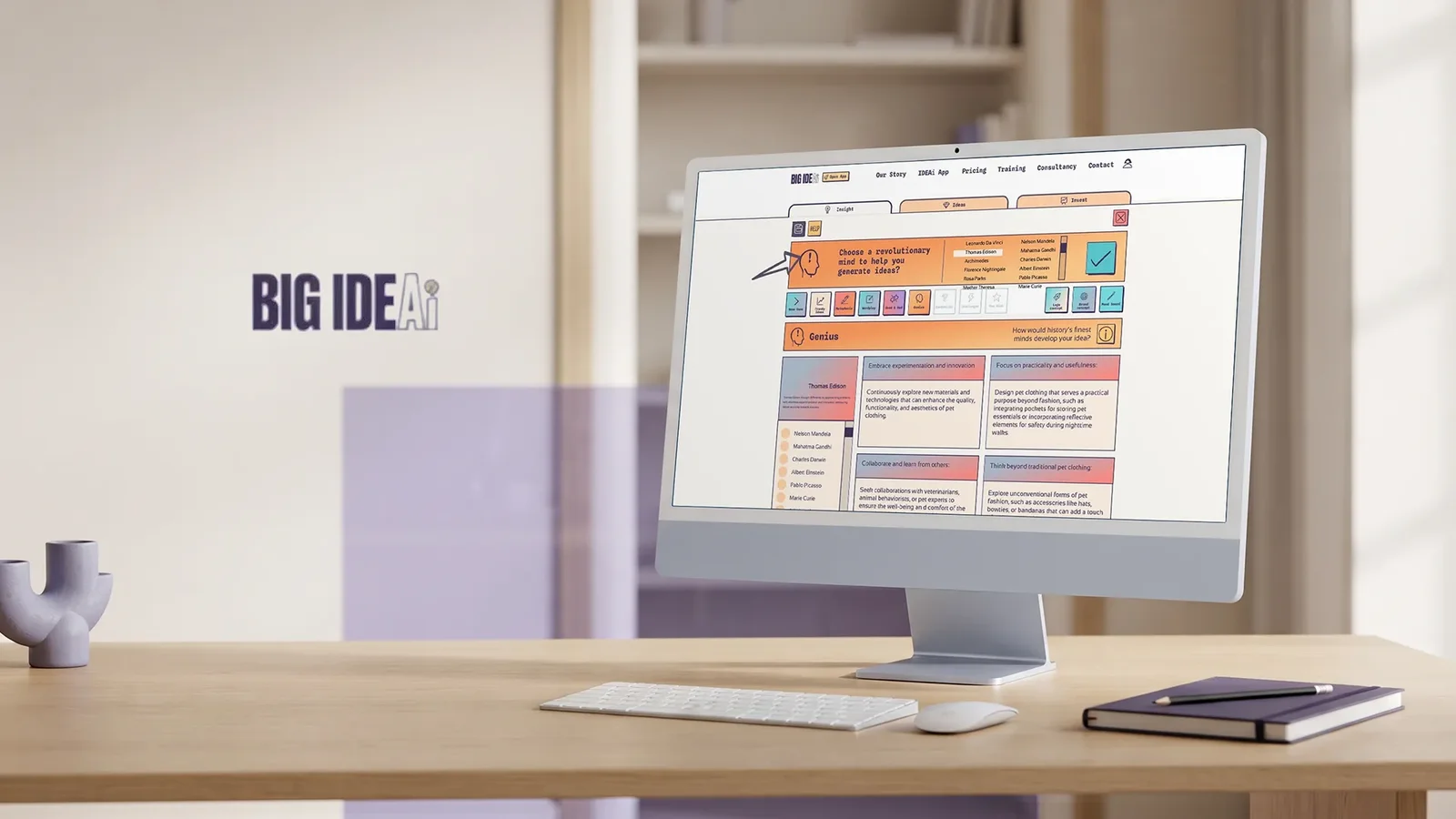
CreAItivity
Creative agency software that runs a UK agency's ideation method without a facilitator, now in its third year.
- 36 widgetsCarry a method that needed a facilitator
- 20+ yearsOf agency practice turned into software
- 3rd yearOn the architecture chosen at the start
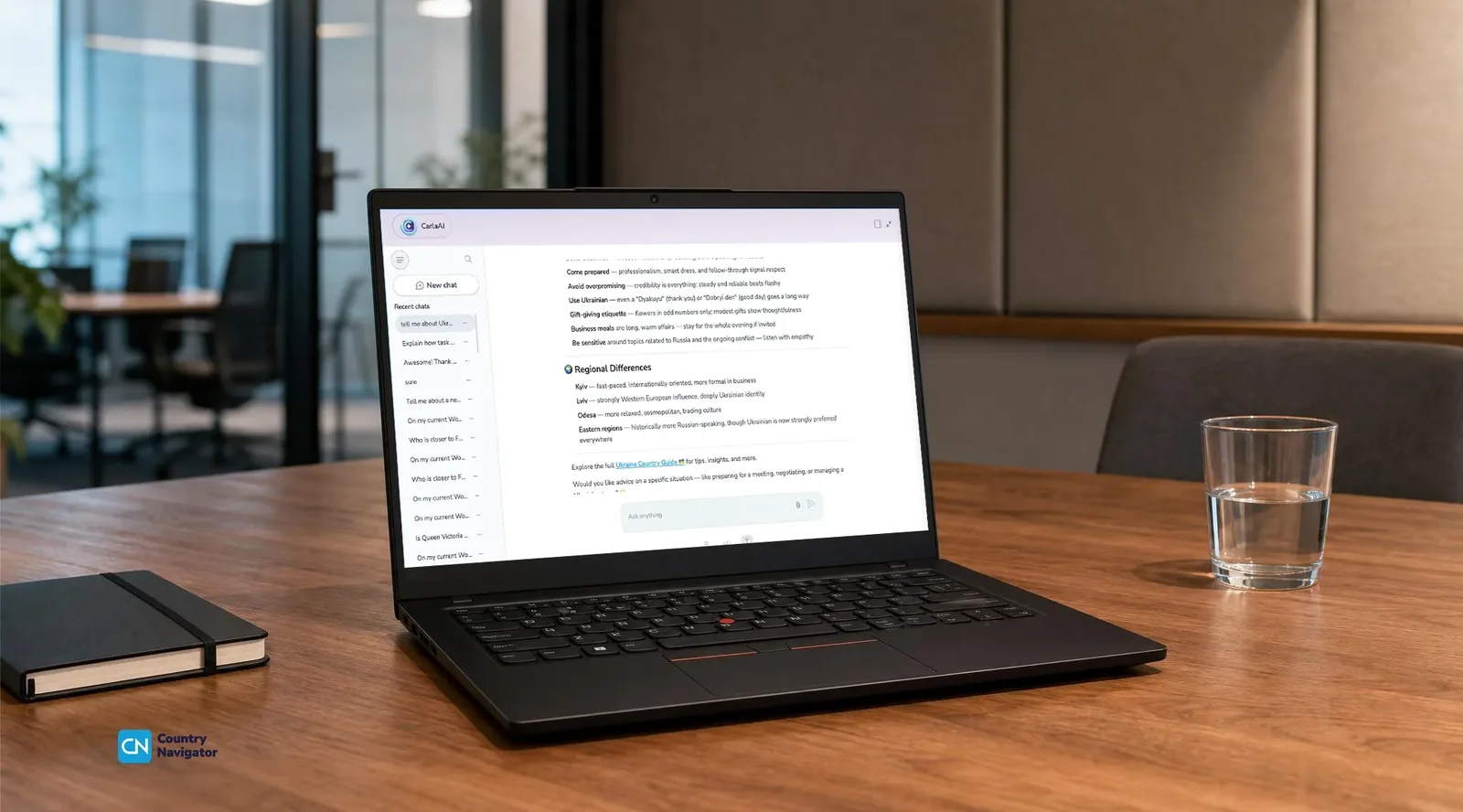
Country Navigator
A ten-year-old cultural intelligence training platform rebuilt into services. Enterprise customers kept working through a zero downtime migration.
- 0Downtime moving a ten-year-old platform
- 1 configReplaces the SSO setup only one person knew
- 10 yearsOf monolith rebuilt into services
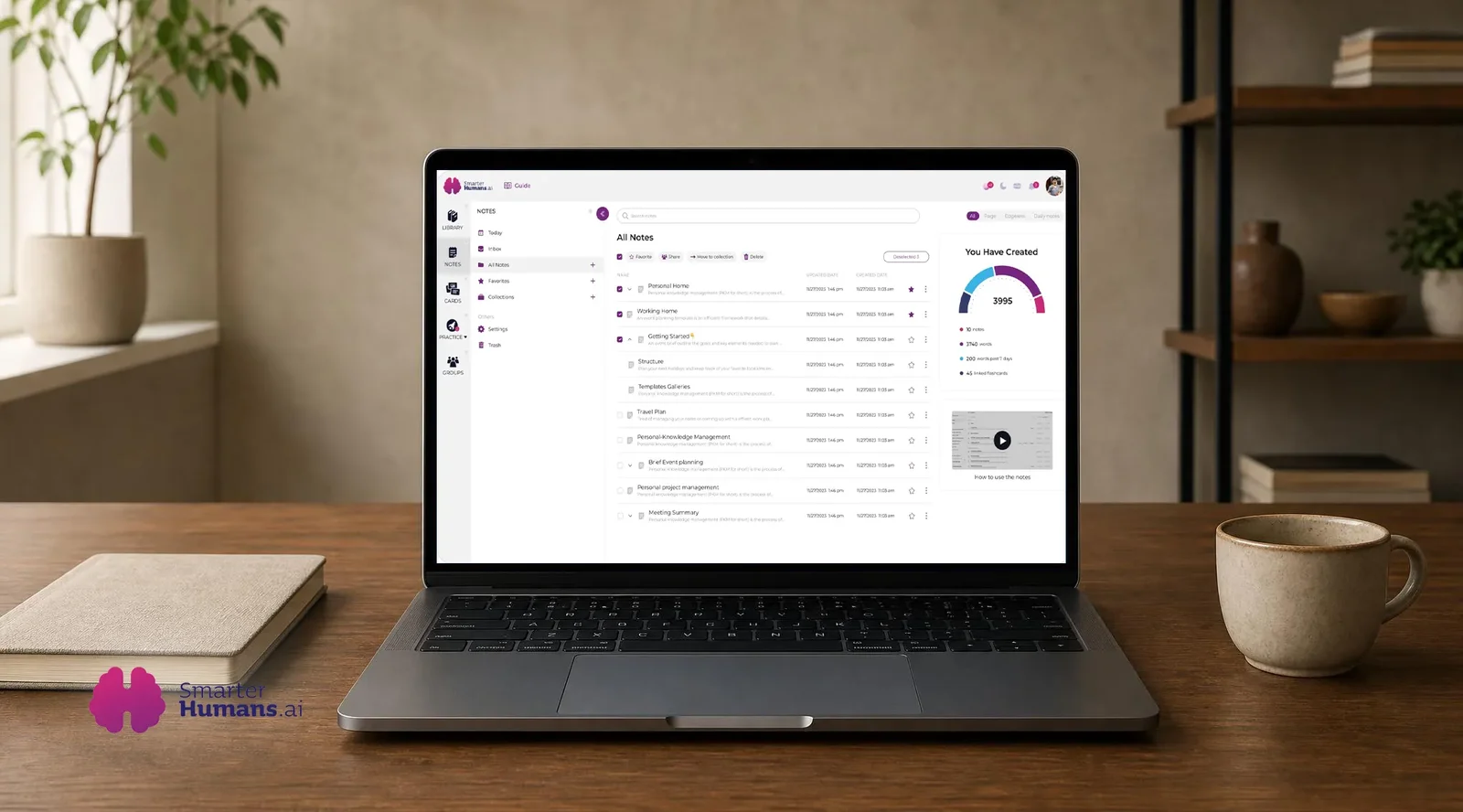
Smarter Humans
A spaced repetition app built by the same team since 2019. About a million users moved to the rebuilt system with zero downtime.
- 93 %Cut off a 20-second document load
- 1 uploadReplaces the card writing people quit over
- 7 yearsOn one product with the same team
EdTech Software Frequently Asked Questions
EdTech teams ask where AI belongs in a learning product, how a live platform gets modernized while classes run, what enterprise buyers audit before they sign, and how long a build takes. The answers below come from elearning software development already carrying real cohorts. They also cover what happens to the content you already own.
 What is a learning management system?
How to develop a learning management system?
How to build a learning management system?
What makes a good learning management system?
What to look for in a learning management system?
How do you add AI to a learning product without harming it?
Can an existing platform be modernized without downtime?
What does enterprise readiness require?
How long does a learning platform build take?
What should you look for in an education software development company?
When is a custom learning platform the right call?
What does edtech software development involve?
From Scattered Sources to One Reliable Layer
Tell us what systems you run and what question you cannot answer today. You get a source inventory, a scope, and a price.
Tell Us What's Running Unmonitored
Share the models, the stack, and where deployment or monitoring is still manual, whatever's costing your team time right now.
Get a First Consultation
We map your current models and infrastructure for anything that would change scope, cost, or timeline.
Receive a Detailed Proposal
A scoped plan with the approach, timeline, and cost, built around your actual stack.