
NFT Marketplace Development Where the Asset Trades
A token with no price signal and no simple way to buy sits still. Numyas moves a tokenized property price with a construction completion score read from site photographs, and Crowdflix sells film moments to fans making their first crypto purchase. Both problems are the same problem: give the buyer a reason and a route.
What NFT Minting Platform Development Solves
Where a tokenized asset stops finding a buyer. The listing exists, the contract is deployed, and the buyer stalls at a wallet prompt or has no idea what the asset is worth. A thin market makes every one of those friction points visible at once.
Nothing Trades Between Valuations
A tokenized asset is priced twice a year, so between those dates a buyer has no basis to act on and the market goes quiet.
- A scoring layer that moves price on evidence between formal valuations
- A plain-language explanation behind every score, because an investor acting on a number needs to know what produced it
- Multiple assets tracked side by side, since an investor rarely holds only one
The Buyer Cannot Complete a Purchase
Listing, bidding and transfer assume a wallet, a balance and vocabulary the buyer does not have.
- Wallet connection and confirmation wrapped in plain-language steps
- Purchase paths built for someone whose first crypto transaction is this one
- Fees and settlement time explained in the terms of the marketplace
Bidding Falls Apart at the Close
Several bidders act in the same second and the platform has to produce an ordering it can defend to the loser.
- Ordering settled server-side with a single authority per lot
- Anti-sniping rules applied as code
- Load tested at the concurrency the close will produce
Sellers Have No Tooling
Listing an asset is a manual process that runs through support, so supply never scales past the first few sellers.
- Seller tooling for listing, media, pricing and status without a support ticket
- Media pipeline that pins files so the asset cannot point at swapped content
- Payout and settlement visible to the seller from the same record
What Makes Tokenization Platform Development Work
Liquidity is the product. An asset trades when a buyer can see what it is worth today and complete the transaction without help, so the engineering splits into a pricing signal and a purchase path. Hygge builds the marketplace first and puts the chain underneath it, which is how Crowdflix sold to film fans and how Numyas gave tokenized property a price between valuations.

Where a Real World Asset Tokenization Platform Fits
Sectors where ownership has to settle publicly, and where Hygge has built it. What changes between them is what the token represents: a collectible, a ticket, a share of revenue, a physical asset. Asset tokenization development shapes the contract around what the holder is buying.

Real Estate & PropTech
Tokenized property priced between formal valuations, with the reasoning behind every score visible to investors.

Media & Entertainment
Media and entertainment marketplaces selling rights-bearing moments to fans.
Retail & E-Commerce
Retail and collectible marketplaces where provenance is part of the value.
Logistics & Warehouse Automation
Asset and equipment disposal where lots close on a timer and transfer has to be provable.
The Stack Behind NFT Marketplace Development
A marketplace for tokenised assets is judged on whether ownership stays consistent while trades happen, so this stack is chosen around the chain of record and the indexing on top of it. Payouts follow the same record the listing does.
Listings, search, bidding and the seller tooling around them.
 TypeScript
 React
React Next.js
 Node.js
 NestJS
 PostgreSQL
 Redis
Redis Elasticsearch
NFT Marketplace Development Company Track Record
Company numbers across every project, from the first audit through the years a system stays in service. An NFT marketplace development company is judged after the launch window, when volume is thin and the contract still holds real value. The audit at the start is what makes the delivery date and the price hold.
How an NFT Marketplace Development Company Builds One
Price signal and purchase path first, because those are what make it trade. NFT minting platform development follows once the buying flow works for someone with no wallet. Secondary trading and royalties land last.
Asset and liquidity audit
2 weeksHygge defines what is being sold, what would give a buyer a reason to act, and what the purchase path has to look like for your audience. The output is a scope and an exact price.
Marketplace and seller tooling
5-6 weeksListings, media, search and seller-managed pricing, running as a marketplace before any chain work is visible.
Chain settlement and wallets
4-5 weeksContracts for ownership and transfer, reviewed before deployment, with wallet connection wrapped in plain language at each step.
Bidding and pricing signals
3-5 weeksLive bidding with server-side ordering, and where the asset needs it, a scoring layer that moves price between formal valuations.
Related Asset Tokenization Development Work
Products Hygge shipped where the asset had to find a buyer outside crypto. Each started with a token that needed a price signal and a purchase path a normal buyer would finish. What you see is how tokenization platform development solved both.

Crowdflix
A blockchain marketplace for movie moments, built so a fan who has never touched crypto can buy one without meeting the chain.
- Plain wordsOn every wallet prompt a fan meets
- ~4.5 monthsFrom kickoff to contracts on mainnet
- Pre-launchAn IP risk caught before anything went public
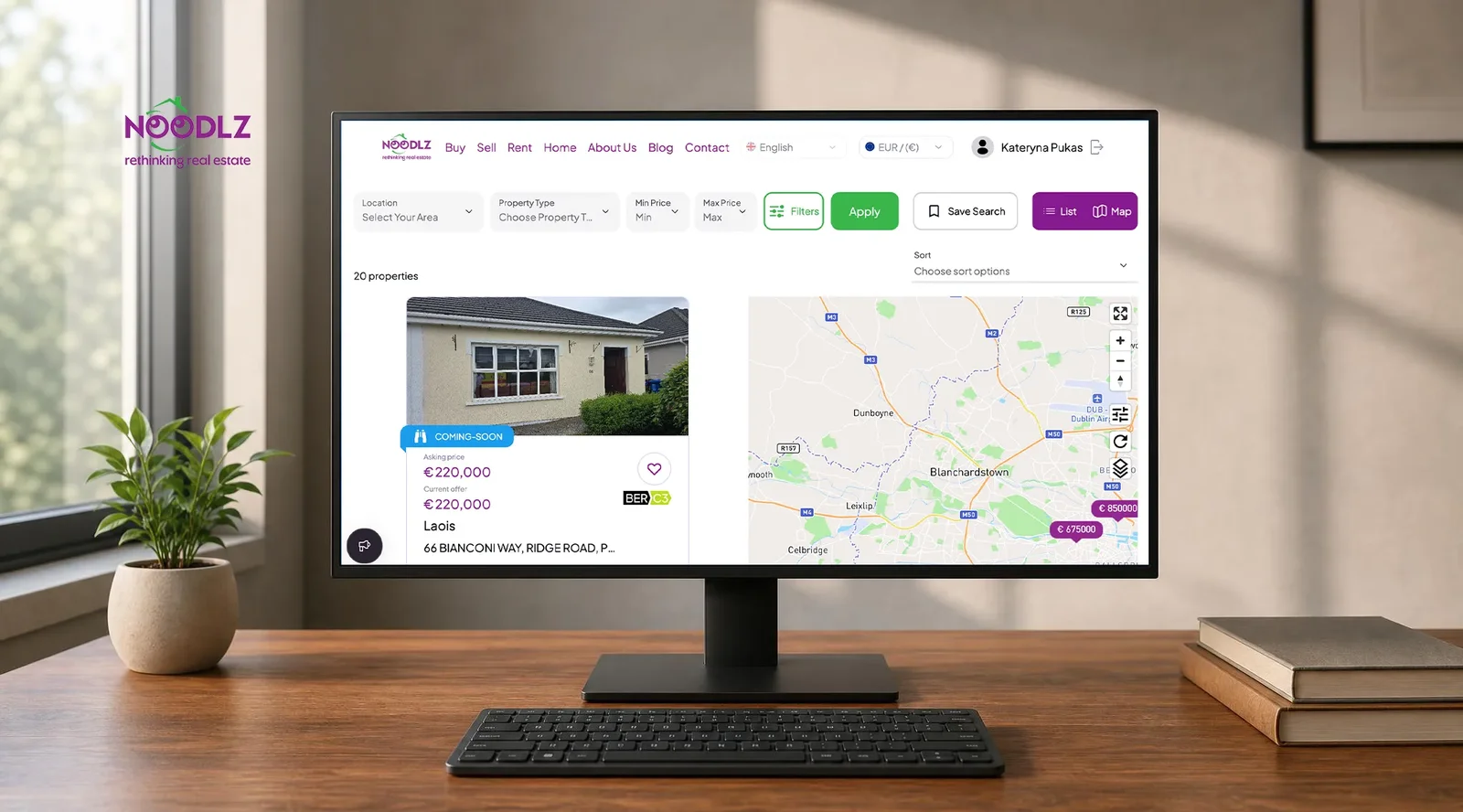
NOODLZ
Live auction software for an Irish agency network. Auctions moved off phone calls into one platform with verified bidders and a document vault.
- 1 platformReplaces auctions run outside any system
- 1 vaultReplaces contracts moving between inboxes
- 2+ yearsOf continuous delivery since 2024
NFT Marketplace & Tokenization: Frequently Asked Questions
What a founder needs settled before a tokenized marketplace is worth building. The answers below cover which chain fits, who holds custody, what an audit costs, and how the first buyers get in without a wallet.
 What is asset tokenization?
What is tokenization of assets?
What does it mean to tokenize an asset?
How does asset tokenization work?
What is a tokenized security?
Why does a tokenized asset stop trading?
How do you build for buyers who have never held a wallet?
Can computer vision price an asset?
How do you keep live bidding fair?
What stops the media behind an asset being swapped?
How much does NFT marketplace development cost?
Do we need our own chain?
Start With Why It Is Not Trading
Tell us what you are tokenizing and who is supposed to buy it. You get an audit, a liquidity plan, a scope and an exact price.
Tell Us What You Are Tokenizing
Share the asset, who buys it, how it is priced today and where the purchase path breaks down.
Get an Asset and Liquidity Audit
Hygge defines what would give a buyer a reason to act and what the purchase path has to look like for your audience.
Receive a Scope and an Exact Price
A written plan with the marketplace, the settlement model, the pricing signal, the timeline and the cost.