
Modernization Services and Architecture Consulting
Systems that already carry production traffic, moved forward without a stop. Hygge's modernization services start with an audit of what you run today, because the expensive mistakes on an old system get made in the first three weeks.
What Hygge Works On
The areas that come up when a system has been running long enough to have history. Most modernization projects touch two or three of them, and the audit says which.
DevOps
You get pipelines, infrastructure as code, and release automation your own engineers operate after handover, scoped from how your team ships today.
- Releases that no longer wait for one specific person
- Every environment reproducible from a repository
- A rollback path tested before each deploy
- Alerts cut down to the ones worth acting on
- Cloud spend that moves with usage
Cloud Migration
You get workloads moved one at a time with a dependency map behind the sequence, a tested rollback at every stage, and a run cost agreed before the first server starts.
- An inventory of what runs where, with owners
- A move decision made per workload
- Cutover measured in minutes, with reconciliation reports
- A monthly figure your finance team signs off in advance
- The old environment kept alive until the new one proves itself
Legacy Modernization
You get an old system moved forward in stages while the current version keeps serving users, one capability at a time.
- A rewrite decision made on measured evidence
- The current system serving users throughout
- Business rules recovered from code nobody documented
- Data migrated with both sides reconciled
- A codebase your own engineers can change again
Platform Engineering
You get a paved path to production for your product teams, with self-service environments and guardrails that make the safe route the fast one.
- New services starting from a working template
- Environments provisioned without a ticket
- Standards enforced by tooling inside the pipeline
- One place where teams find what already exists
- A platform team with a defined scope
System Integration
You get the tools your business already runs connected through the interfaces they expose, with a data contract and a defined answer for every failure.
- Records staying in sync without manual re-entry
- One system named as the owner of each field
- Failures retried, then surfaced with the record intact
- Systems without an API reached another way
- Integrations documented for whoever maintains them next
Software Architecture
You get a review of what you run today and a decision record: the target design, the trade-offs behind it, and the order to build it in.
- A written record of why each decision was made
- Trade-offs named with a cost attached
- A target design sized to your team
- A build order that unblocks the most work first
- A second opinion on a decision already under debate
Security Consulting
You get a threat model built around your own system, findings traced to the assets they expose, and a remediation plan ordered by what an attacker can reach.
- An attack surface map covering cloud, code, and devices in the field
- Findings ranked by reach and by effort to close
- Access and secrets brought under a rotation your team runs
- The evidence a customer questionnaire asks for
- A recheck of every item after it is closed
Modernization Work at Hygge, in Numbers
Figures from Hygge's own delivery record behind every cloud modernization services project.
Where an Application Modernization Project Usually Starts
Every system arrives with a different problem in front of it, and the plan gets shaped around that one. Hygge's cloud application modernization services and architecture work start from whichever one is blocking you now.
A Deadline You Cannot Move
A data centre contract, an end-of-support date, or a compliance deadline. The sequence gets built backwards from the date, and the workloads that unblock others move first.
A Bill Nobody Can Explain
Cloud spend growing faster than traffic, with no breakdown by team or service. The audit reports each line with a number against it before any architecture changes.
A Codebase That Slows Every Change
Small features take weeks because the system resists change. The review separates what can be refactored from what has to be replaced, with the cost of each on the same page.
A Decision Under Debate
Your team disagrees about microservices, a rewrite, or a cloud provider, and the argument has been running for months. An outside review ends it with a written decision record.
The Stack Behind Modernization Work
Chosen per project against what your own team already runs and can operate after handover, whether the work lands as cloud modernization services or stays on your own hardware. The result is judged on what your team can run afterwards.
Where the system lands after the move. The choice follows the estate you already pay for, the regions your data has to stay in, and what your team can operate once Hygge hands it over.
 AWS
AWS Google Cloud
.webp?v=2026-09-29T09%3A19%3A04.634Z) Microsoft Azure
Microsoft Azure Python
 TypeScript
 Node.js
 Java
Java.webp?v=2026-09-29T09%3A19%3A03.736Z) .NET (C#)
.NET (C#) React
React HashiCorp Vault
 Okta
OktaHow an IT Modernization Engagement Starts
From a first message to a phase plan you can put in front of a budget holder.
Describe the System
What it does, roughly how old it is, and what is pushing the timing right now.
Get an Audit
We read the code, watch it run, and measure delivery and spend before recommending anything.
Receive a Phase Plan
A sequence, an exact price for phase one, and the numbers each phase is expected to move.
Systems Hygge Rebuilt While They Stayed Live
Monoliths split, platforms migrated and stacks rebuilt, with the business trading through the whole thing. This is the work to ask any modernization partner to show you.
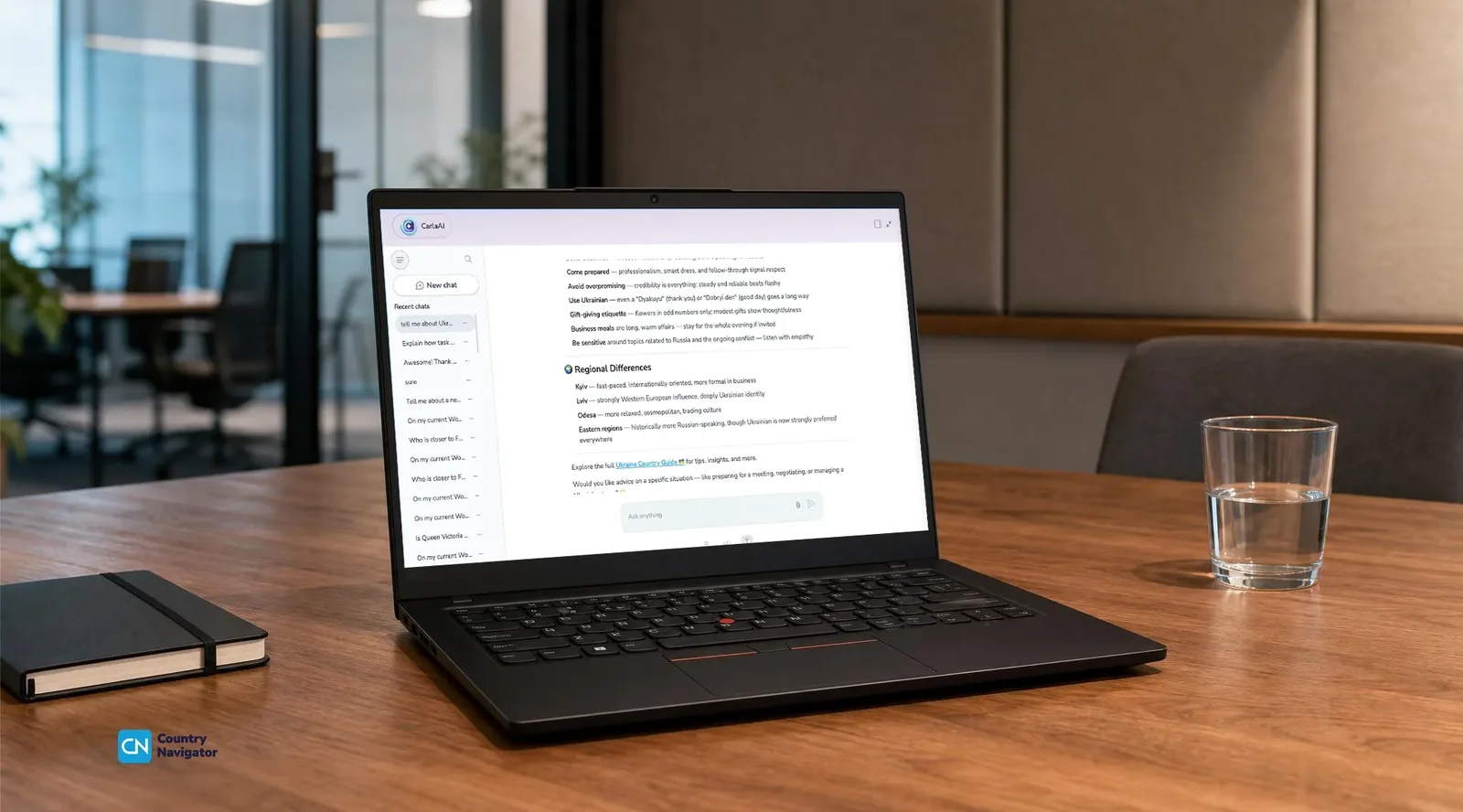
Country Navigator
A ten-year-old cultural intelligence training platform rebuilt into services. Enterprise customers kept working through a zero downtime migration.
- 0Downtime moving a ten-year-old platform
- 1 configReplaces the SSO setup only one person knew
- 10 yearsOf monolith rebuilt into services

Slapstack
The console for autonomous warehouses, rewritten from Flask to React in pieces. No live warehouse went offline.
- 0Warehouse hours lost to a full rewrite
- 1 libraryReplaces hand-rolled pages, screen by screen
- 1 year onThe same client came back for phase two
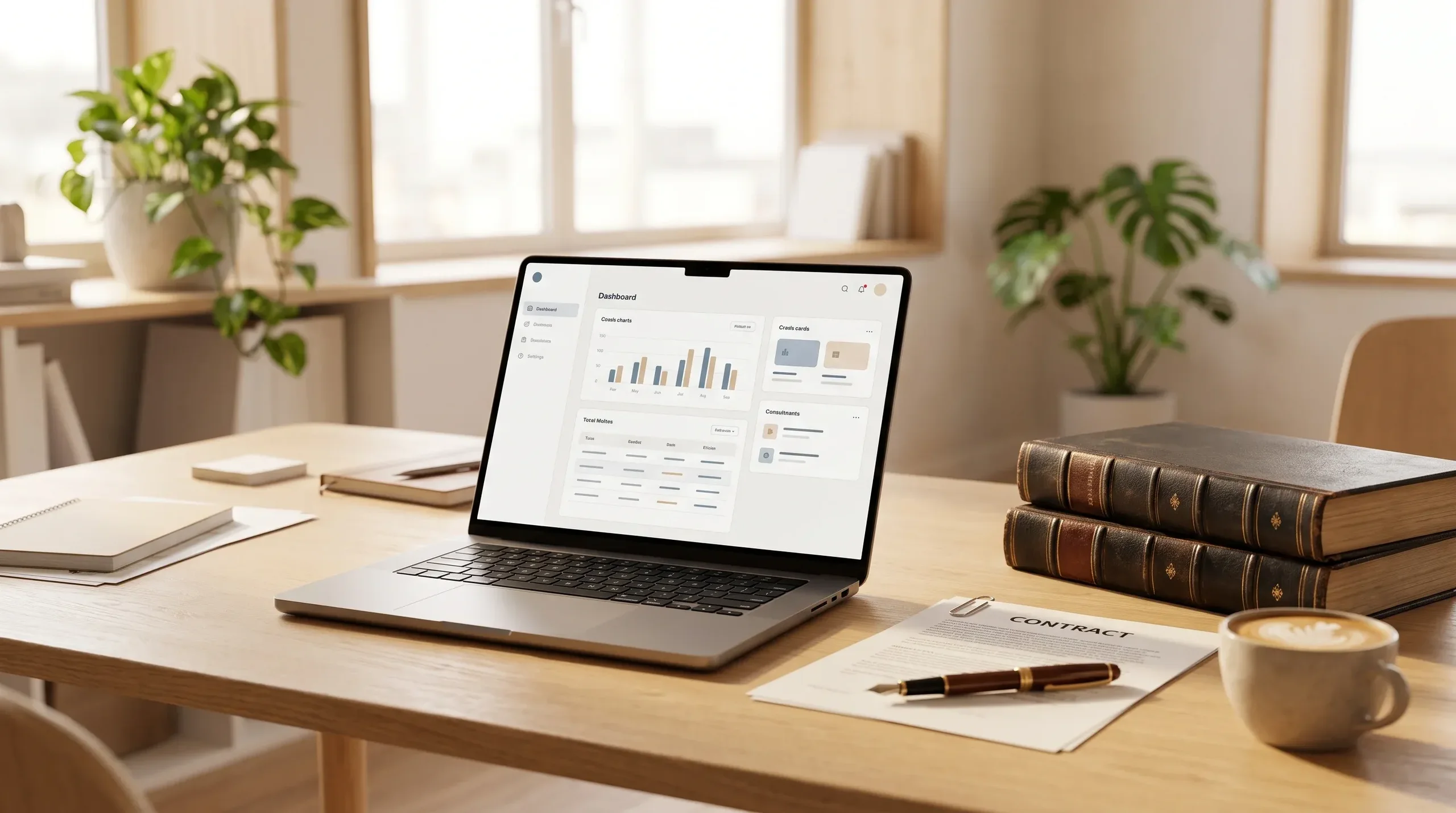
Clia
Two AI apps for consultants on one core, with a trained model that turns legal references into links.
- Auto-linkedCitations a consultant used to look up by hand
- 1 passA document read once, every reference resolved
- 2 appsOn one platform, shipping apart
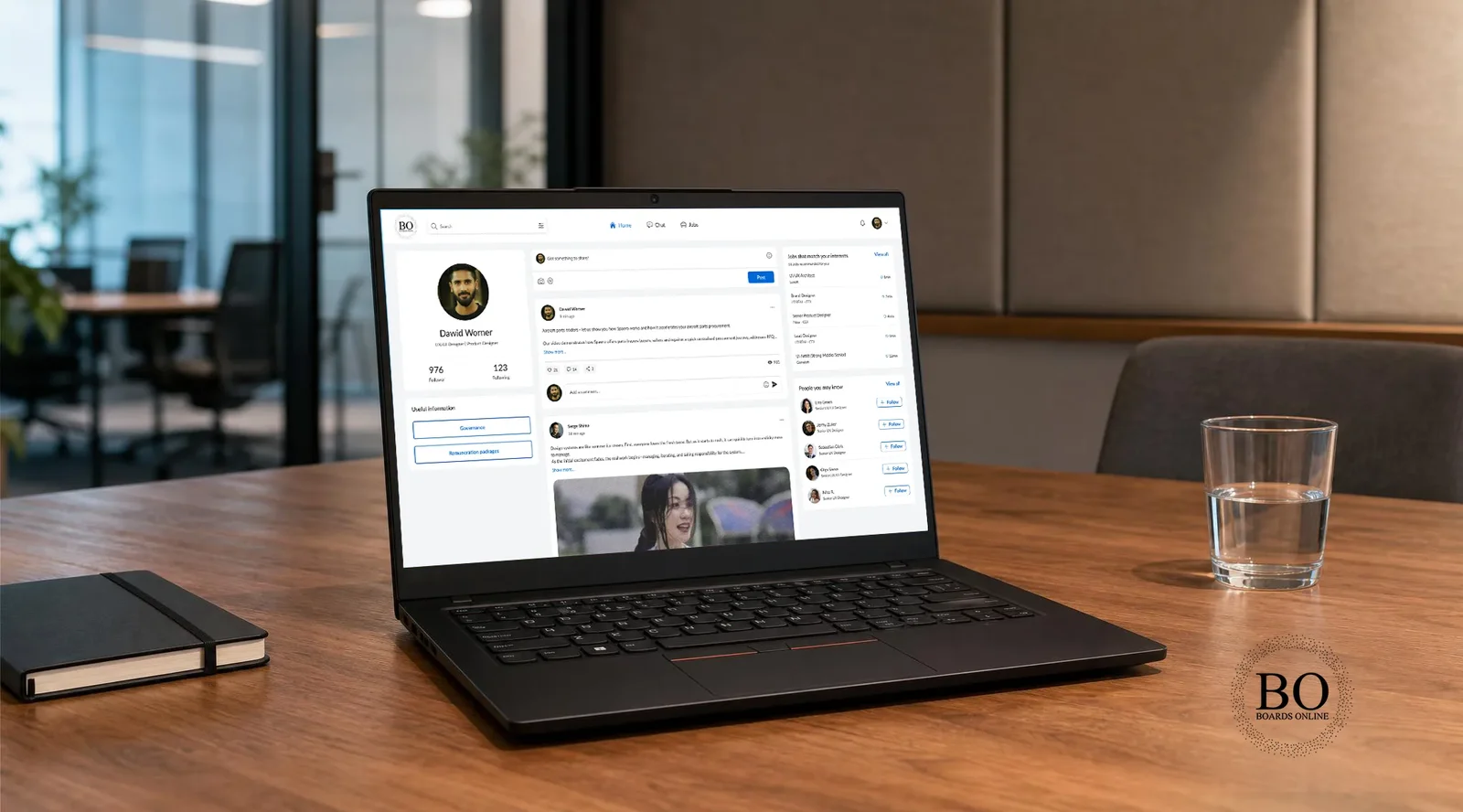
BoardsOnline
A founder paid for a platform reported as done. Engineers checked every feature, and the rebuild started from what worked.
- 3 verdictsFor every feature reported as done
- 6 monthsFrom the audit to a tested, live platform
- 1+ yearOf support after the contract ended
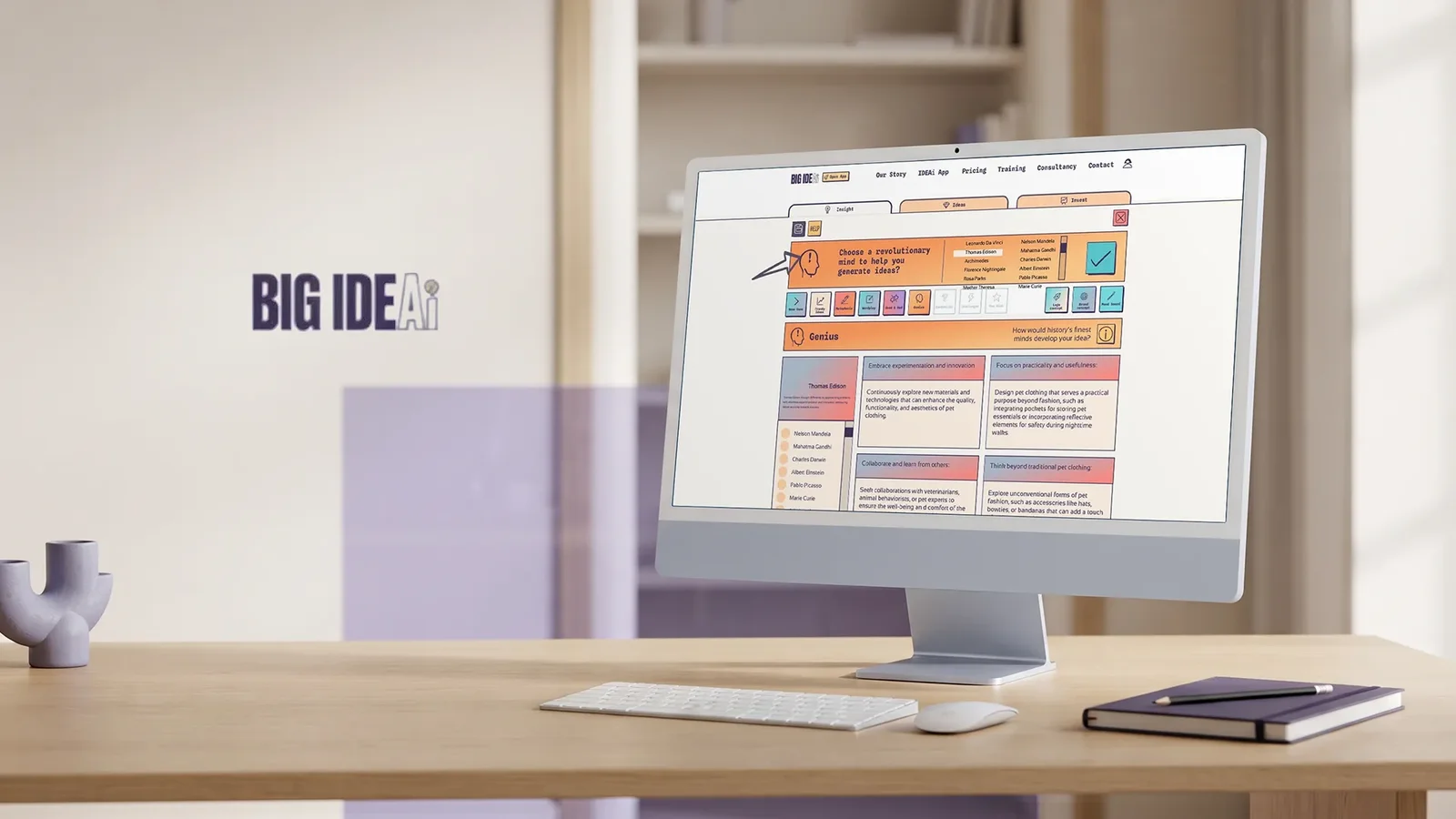
CreAItivity
Creative agency software that runs a UK agency's ideation method without a facilitator, now in its third year.
- 36 widgetsCarry a method that needed a facilitator
- 20+ yearsOf agency practice turned into software
- 3rd yearOn the architecture chosen at the start
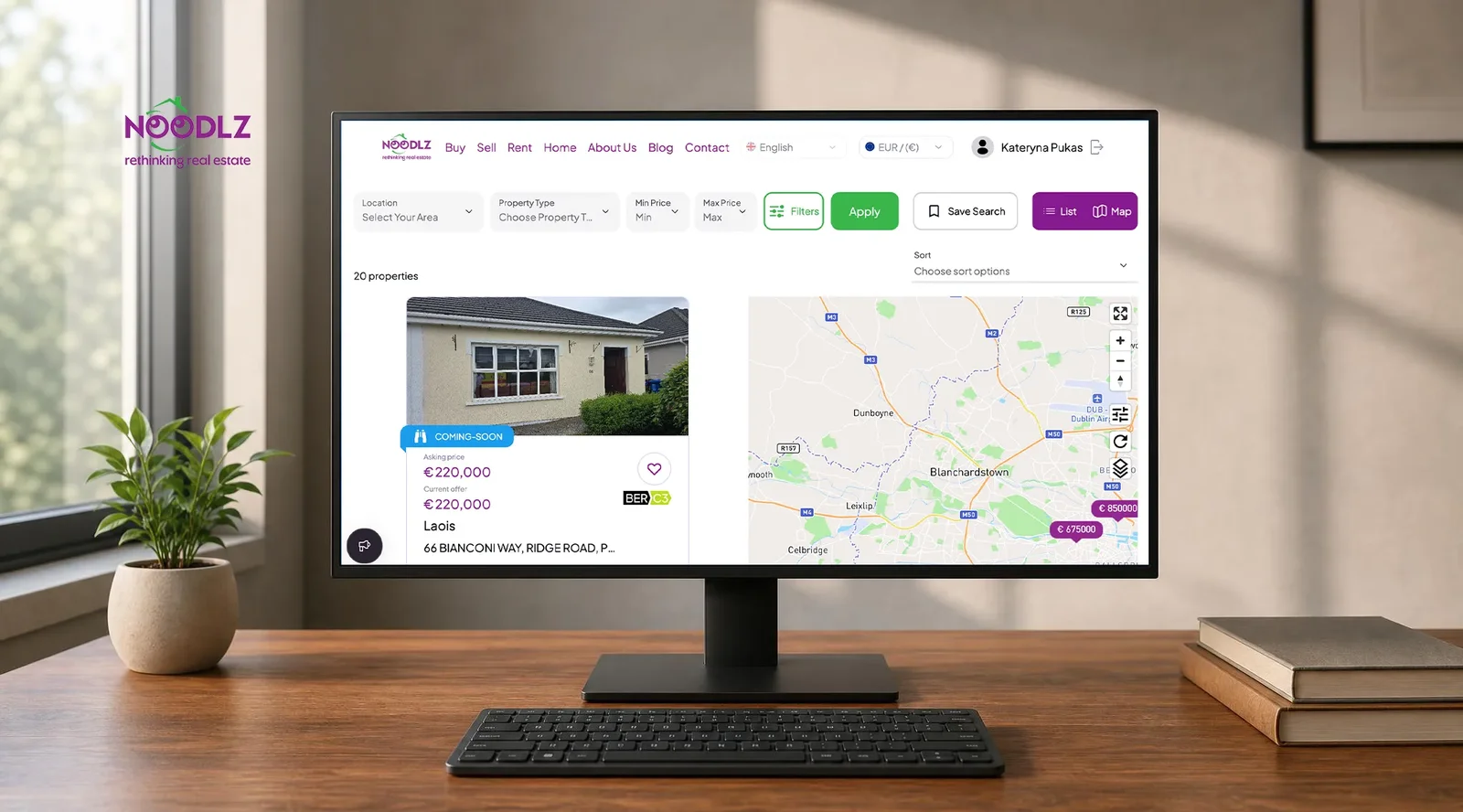
NOODLZ
Live auction software for an Irish agency network. Auctions moved off phone calls into one platform with verified bidders and a document vault.
- 1 platformReplaces auctions run outside any system
- 1 vaultReplaces contracts moving between inboxes
- 2+ yearsOf continuous delivery since 2024
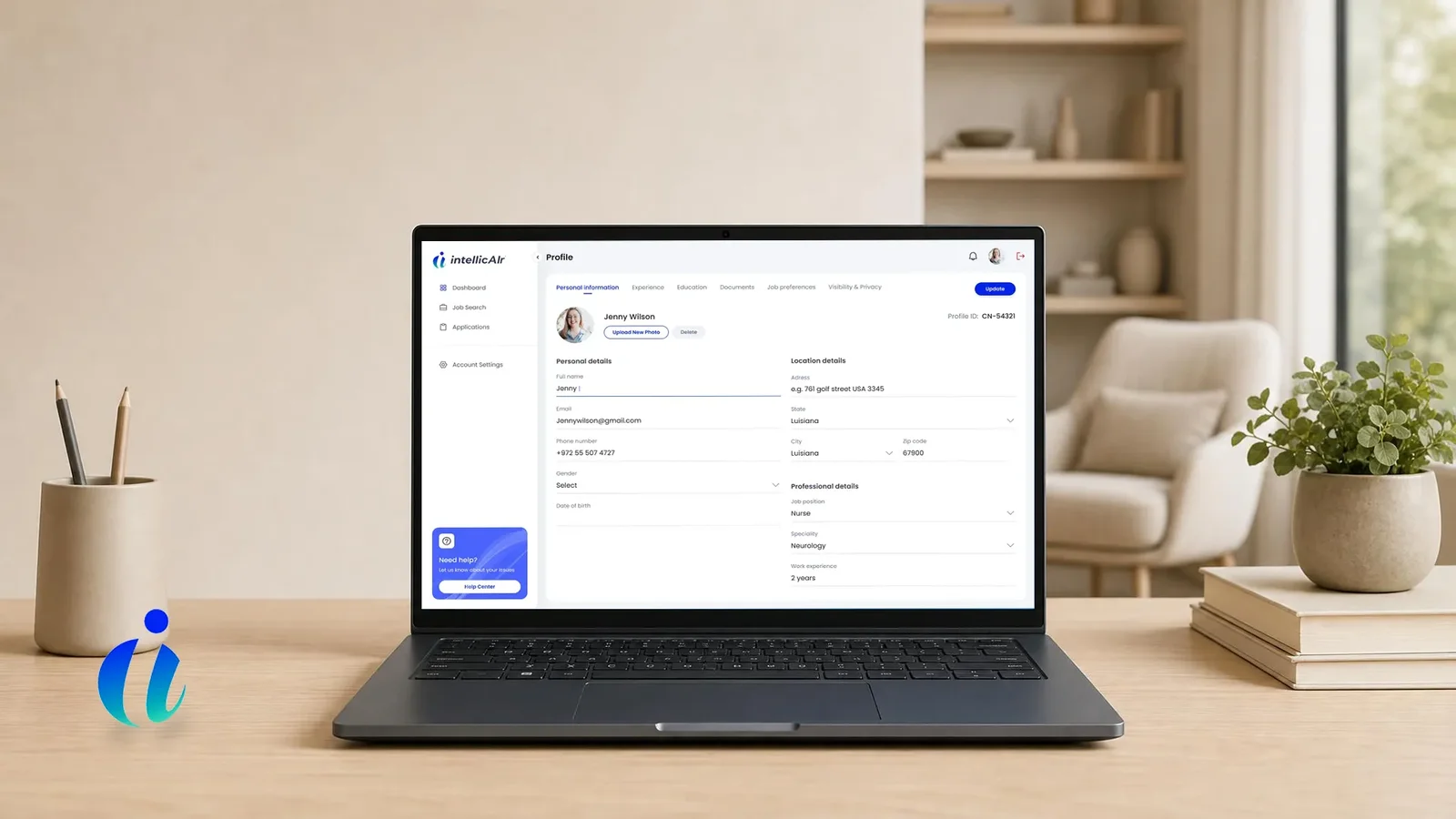
IntellicAIr
A nurse staffing marketplace built around a sealed bidding engine written from scratch. Bids stay hidden until the round closes.
- 1 roundFor a post that waits 78 days to fill
- No nameOn a bid that used to hide a 40 % cut
- 1 inviteBrings a facility's own agencies onboard

What a Migration Has to Protect by Industry
The thing that has to keep working during a rewrite in each industry Hygge works in, and how it shapes the modernization plan.
LegalTech
Case and document systems that grew for a decade, where the migration has to preserve every version and every access right a firm relies on.
Healthcare & Staffing
Scheduling and records platforms under retention rules, where a cutover plan has to keep the old data readable while the new system takes over.

EdTech
Platforms carrying school-year contracts, where the rewrite has to land between terms and keep rostering and SSO working through the switch.

Retail & E-Commerce
Storefronts and order systems that cannot go down in season, so modernisation runs alongside trade with the checkout path moved last.
Real Estate & PropTech
Property portals tied to MLS, payment and accounting systems, where the integration surface decides how much of the monolith can move at once.
Logistics & Warehouse Automation
Dispatch and warehouse systems wired to hardware on the floor, so the migration keeps the device protocols working while the backend changes underneath.

Media & Entertainment
Publishing and streaming stacks where the encoding pipeline and the CDN contract shape what the new architecture is allowed to look like.
Sales & Marketing Technology
Products sitting next to a CRM, where API limits and historical data volume decide the order the services get split.
HR & Recruitment
HR platforms holding payroll and identity integrations, where a broken connection during migration turns into manual work for a whole department.
Public Safety & Security
Field systems where an outage has consequences, so the modernisation runs behind a switch that can be turned back within a working day.
Why Choose Hygge for Modernization Work
What every project includes, whichever area it starts in. A team offering product modernization services is worth judging on this list.
Nothing Moves Without a Way Back
Every cutover has a rollback path that gets tested before the change, so a bad hour stays an hour.
A Baseline Before the Work
Lead time, spend, and error rates get measured during the audit, so the improvement is a number you already own.
Senior Engineers
Old systems punish guesswork. Every project is led by engineers who have taken one into production before.
The Capability Stays With You
Runbooks, working sessions, and code in your repository, so your team operates what Hygge built.
Certified Process
ISO 27001 and ISO 9001:2015, so the delivery process your auditors examine is already documented.
Full Ownership
The code, the infrastructure definitions, and the documentation belong to you from the first commit.
What the Modernization Audit Settles
Every project opens with an audit, and it produces the same deliverables whichever area the work starts in. Modernization services at Hygge end with a phase plan and a price.
A Measured Baseline
Lead time, deployment frequency, error rates, and monthly spend, recorded before anything changes, so later progress is your own figure moving.
An Inventory With Owners
What runs where, what depends on what, and who answers for each part. On most estates this document does not exist yet.
A Verdict on Each Component
Keep, refactor, replace, or retire, with the reasoning and the cost of each written next to it.
A Sequence
The order of delivery, with the parts that unblock the most work moving first and the riskiest assumption tested in phase one.
An Exact Price for Phase One
Scope and price agreed before any code changes, in a document a CTO and a CFO can both act on.
Modernization Services: Frequently Asked Questions
What technical leaders ask before they fund modernization services.
 When does a system need modernizing?
Rewrite or refactor, how do you decide?
How do you modernize without downtime?
What does the audit produce?
How long does modernization take?
Can you work on a system you did not build?
Who owns the result?
From a System With History to a Modernization Plan You Can Fund
Tell us what you run and what is forcing the change. You get a measured baseline, a decision on each component, and a price for phase one before any work starts.
We Test Your Hypotheses
Before committing engineering time, we validate the AI approach against your own data and workflow, so the budget rests on evidence.
We Plan How It Pays Off
Every AI development project starts with a conversation about how the project makes or saves money, before scope or a timeline gets set.
A Technical and Product Partner
Hygge stays your partner on both the technical side and the product side, staying involved in the decisions that determine whether the system gets used.