
Application Modernization Services
An old system moved forward one capability at a time, with the current version serving users the whole way through. Hygge's application modernization services start by recovering the business rules that live only in the code, because those are what a rewrite loses.
What Legacy System Migration Services Cover
The parts that decide whether application modernization services ship or become a two-year project nobody wants to discuss. Hygge scopes which your system needs after reading the code.
Code and Business Rule Archaeology
Reading the system to recover what it does, including the rules that exist nowhere except in a function someone wrote in 2011. Legacy system modernization fails when this step gets skipped.
Characterisation Tests
Tests written against current behaviour before anything changes, so a difference after the change is visible. Without them, nobody can prove the new version does the same thing.
Incremental Replacement
New capabilities take over one at a time behind a routing layer, with the old system handling everything not yet moved. Legacy application modernization runs this way to keep the business open.
Refactoring Where the Code Still Holds
Untangling what can be saved and leaving the rest in place. Legacy code refactoring keeps the parts that still earn their place, and it gets recommended whenever the data model still supports what the business needs next.
Data Migration and Reconciliation
Records moved with both sides compared until they agree, and the source kept authoritative until the reports say the copy is right.
Interfaces and Integration
The endpoints partners and internal tools depend on, kept working through the change. API modernization happens behind a stable contract, so nobody outside the project has to reschedule.
What a Modernization Audit Settles First
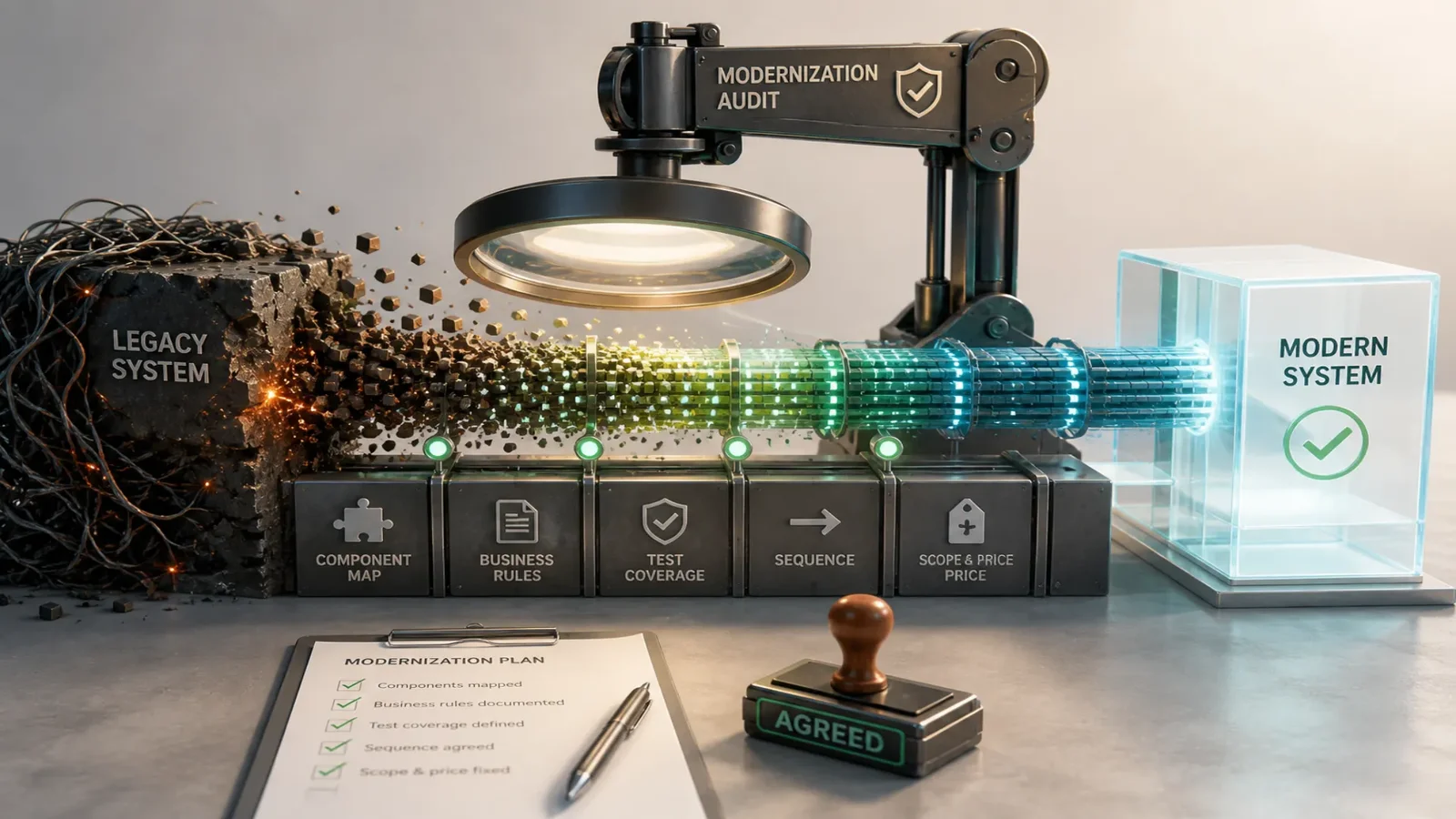
Hygge opens with an audit that reads the code and watches the system run. Software modernization services quoted from a description of the system are quoted on what someone remembers about it.
The audit produces each of these:
- A component map with a verdict on each part: keep, refactor, replace, or retire, priced as application modernization services phase by phase.
- The business rules recovered from the code, written down for the first time.
- Current test coverage, and what has to exist before anything can be changed safely.
- A sequence, so the parts that unblock the most work move first.
- Fixed scope and price for phase one, agreed after the audit.
What Forces a Legacy System Forward
The situations behind most enquiries that start with application modernization consulting.
Every change ripples across the system, the design lives in one head, and a rewrite was proposed with no numbers. Legacy modernization replaces the system piece by piece, with the old one readable the whole time. The audit says which piece pays back first.
Everyone Who Understood It Has Left
The people who built the system are gone and took the reasoning with them. Every change starts with an archaeology session, and the estimates reflect that.
A Small Feature Takes a Quarter
The system resists change, so work that should take days runs for weeks. The roadmap is being written around what the codebase allows.
The Platform Is Going Out of Support
A runtime, a database version, or an operating system reaches end of life, and the security team now has a date on the calendar that engineering has to meet.
The Last Rewrite Was Abandoned
A previous attempt ran for eighteen months alongside the old system, never reached parity, and got cancelled. The organisation is wary, and rightly so.
Nothing Can Be Verified
There are no tests, so every release is a bet. Nobody can say whether a change broke something until a customer finds it.
How We Modernize a Running System
From reading the code to the last capability moved across, with the current version live throughout. This is how application modernization solutions get delivered at Hygge.
Audit
Three to four weeks reading the code, watching the system run, and interviewing the people who use it, ending in a component map and an exact price.
Safety Net
Characterisation tests written against current behaviour, so every later change can be checked against what the system did before.
First Capability
One meaningful area moved end to end behind a routing layer, including data and rollback, which turns a legacy system modernization plan into evidence the organisation can see.
Strangle the Rest
Capabilities move in sequence, each with its own cutover and reconciliation, while the old system keeps handling everything not yet transferred.
Retire and Hand Over
The old system goes read-only, then off, once nothing depends on it. Runbooks, documentation, and sessions with your engineers close the project.
What Changes Once the System Moves Again
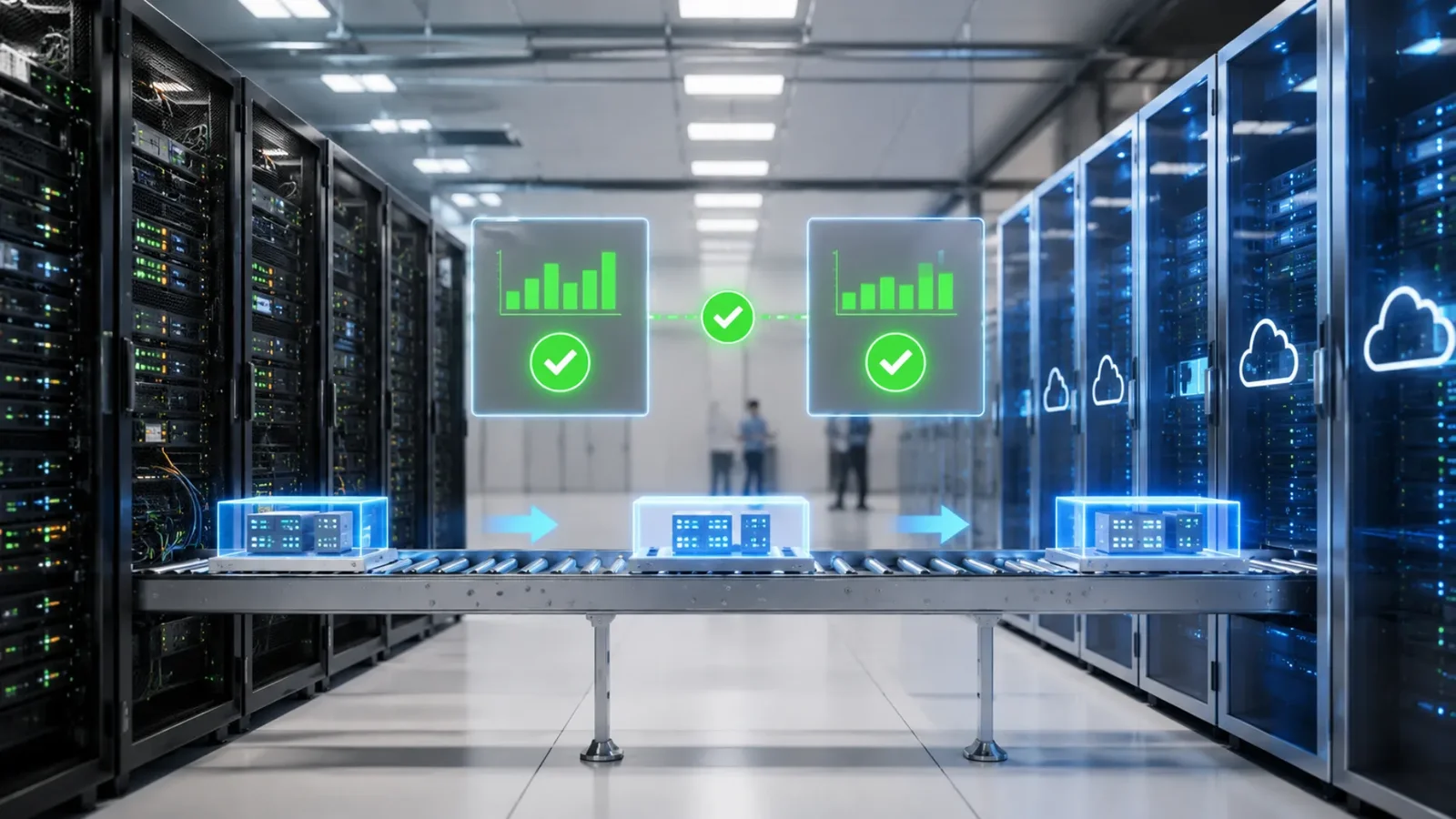
The business keeps running while the system underneath it changes, one proven piece at a time. Each piece goes sole-source only after a full cycle where both sets of numbers match without manual correction. Legacy system migration services follow one rule: the old system keeps running until the new one matches it record for record. Migration happens in the background, traffic switches when the numbers agree, and nobody schedules a weekend outage.
What Legacy Modernization Is Measured On
These are the targets IT modernization services are built to hit, measured on your own numbers.
Where the Old System Still Runs the Business
Sectors where the software everyone depends on is the software nobody wants to touch.

Aviation
Maintenance and scheduling systems built decades ago, still tied to certification records.
Healthcare & Staffing
Clinical and staffing systems holding years of records that have to survive the move intact.
LegalTech
Matter and billing systems where retention rules were written into code long before the current team.
Logistics & Warehouse Automation
Warehouse systems coupled to hardware that has outlived three generations of software.

Retail & E-Commerce
Merchandising and inventory systems that peak season depends on and nobody will risk replacing.
Sales & Marketing Technology
Revenue systems carrying a decade of custom fields the sales process still relies on.
Real Estate & PropTech
Agency platforms grown by successive vendors, with no one left who knows why a rule exists.

Media & Entertainment
Rights and scheduling systems feeding partners on contracts that cannot pause for a rewrite.
Systems Moved Forward Without a Stop
Legacy software modernization delivered on systems that kept serving users throughout, with the old version live until the new one proved itself.
WMS Migration
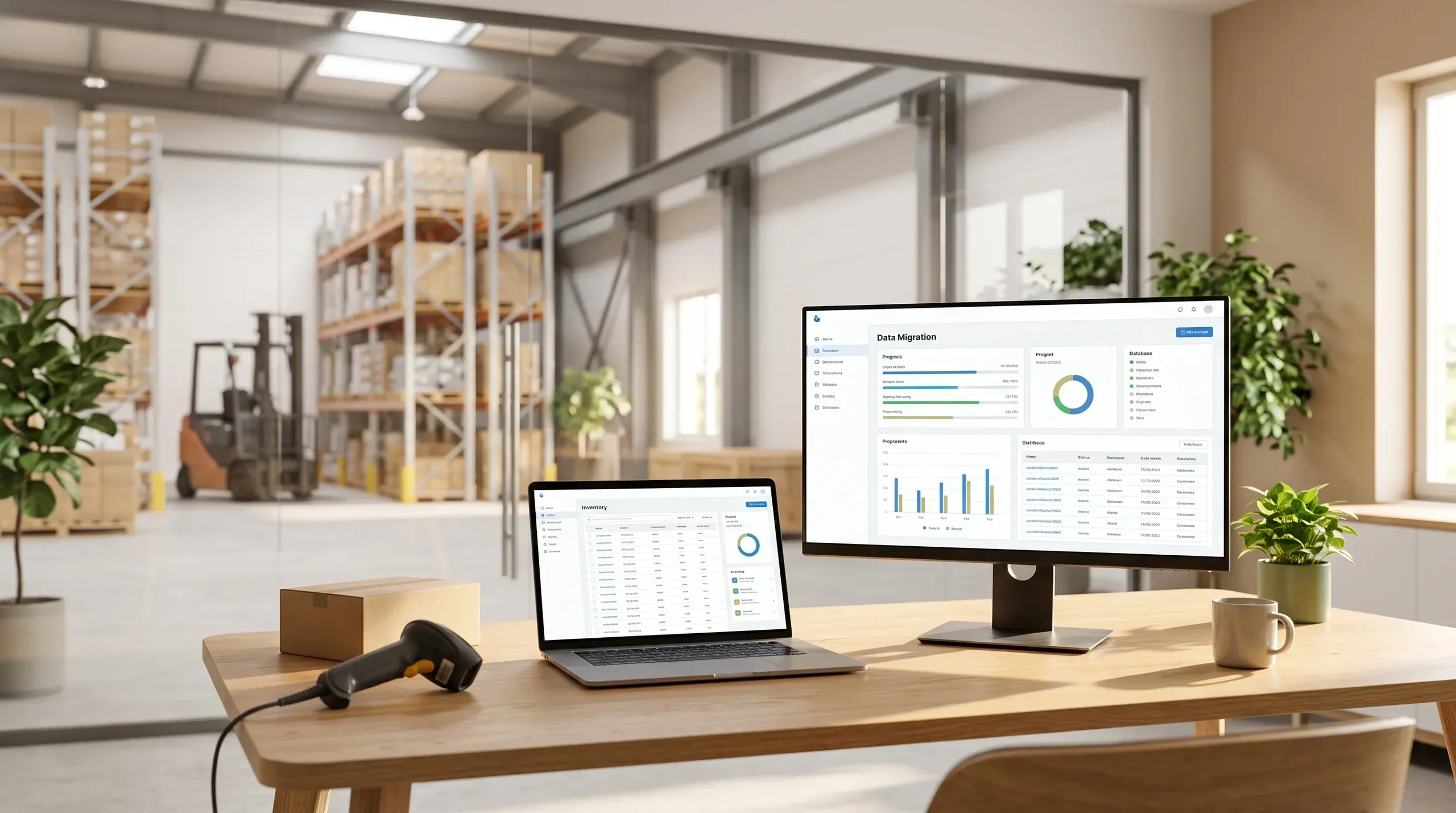
This WMS migration moves a seven-year-old system off Oracle to Java and PostgreSQL in stages, so the warehouse keeps shipping.
- ≤300 msAPI Response Time
- ≤1 sPage Load on the Floor
- 3 languagesOn Handheld Scanners
- 10 rolesWith Role-Based Access
Slapstack
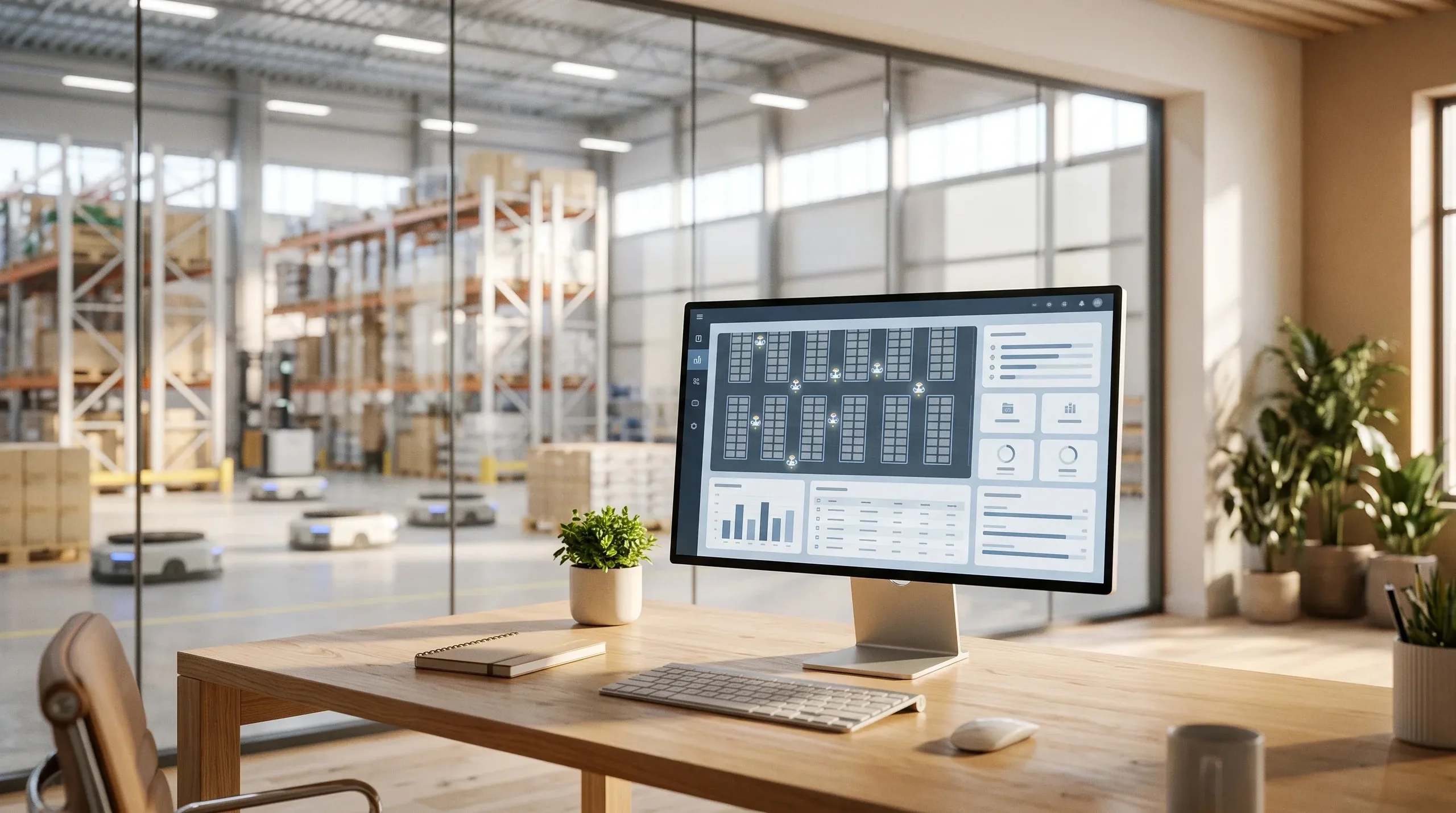
The console for autonomous warehouses, rewritten from Flask to React in pieces. No live warehouse went offline.
- 0Warehouse hours lost to a full rewrite
- 1 libraryReplaces hand-rolled pages, screen by screen
- 1 year onThe same client came back for phase two
Clia
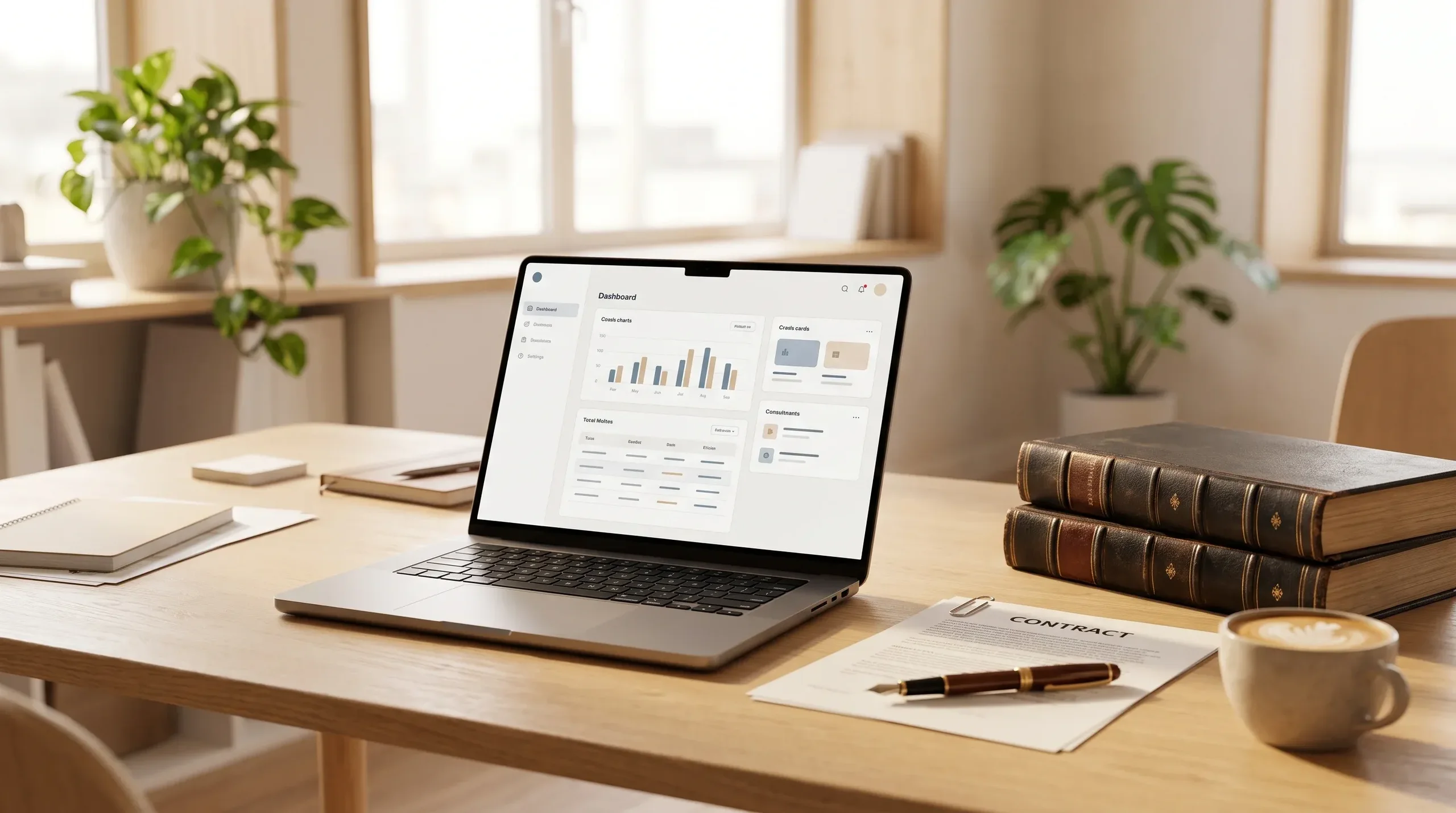
Two AI apps for consultants on one core, with a trained model that turns legal references into links.
- Auto-linkedCitations a consultant used to look up by hand
- 1 passA document read once, every reference resolved
- 2 appsOn one platform, shipping apart
BoardsOnline
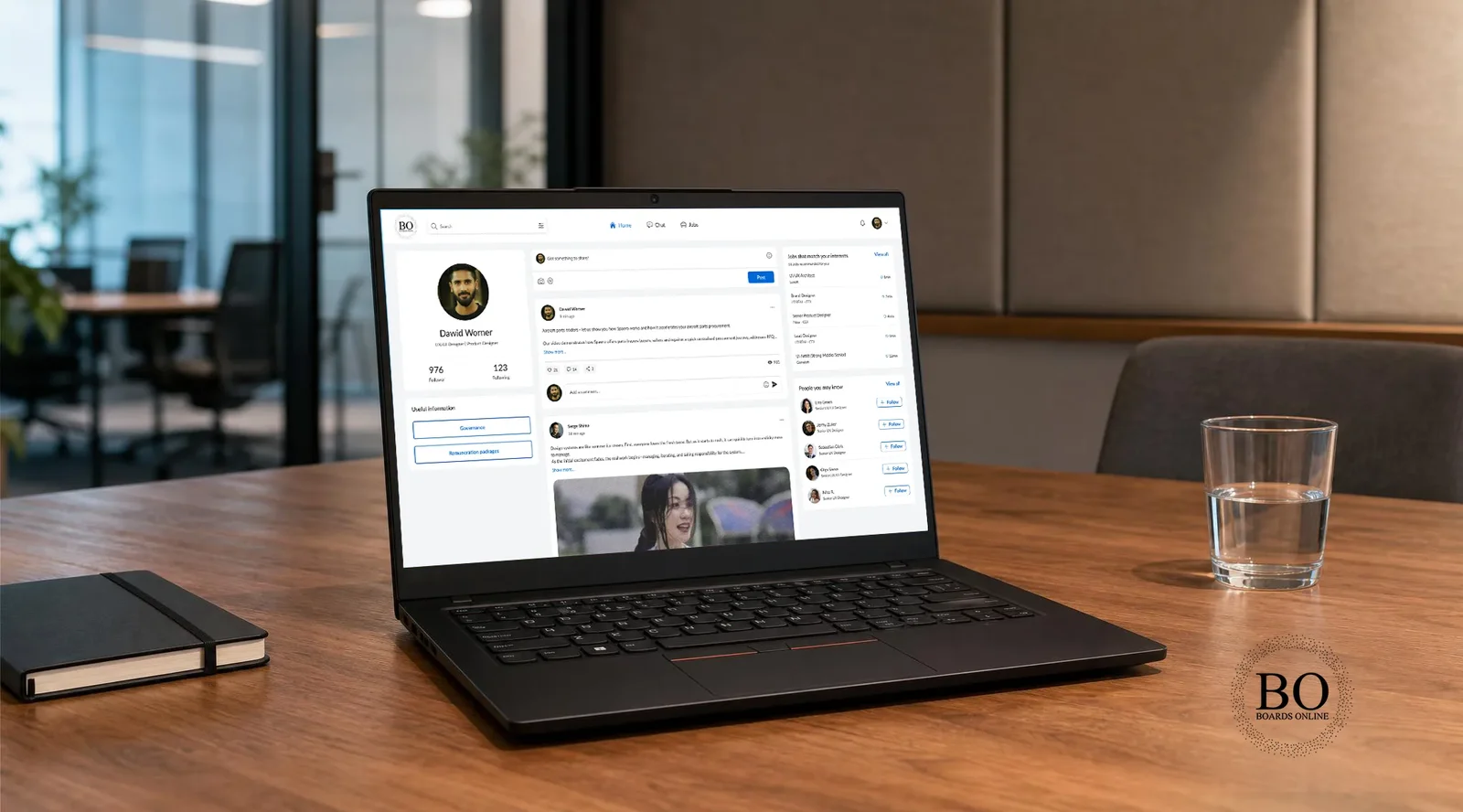
A founder paid for a platform reported as done. Engineers checked every feature, and the rebuild started from what worked.
- 3 verdictsFor every feature reported as done
- 6 monthsFrom the audit to a tested, live platform
- 1+ yearOf support after the contract ended
Country Navigator
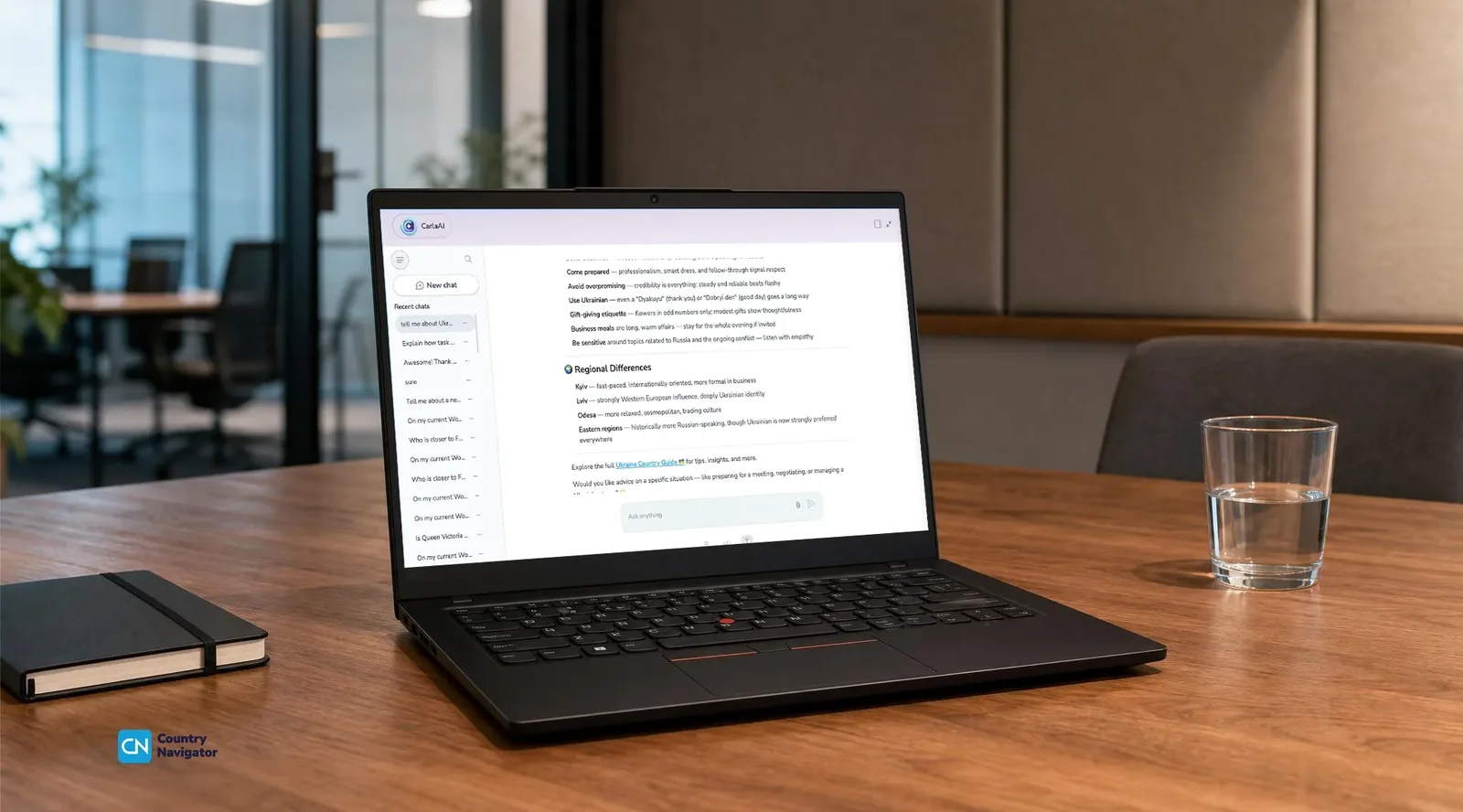
A ten-year-old cultural intelligence training platform rebuilt into services. Enterprise customers kept working through a zero downtime migration.
- 0Downtime moving a ten-year-old platform
- 1 configReplaces the SSO setup only one person knew
- 10 yearsOf monolith rebuilt into services
What You Get From the Modernization Audit
A component map with a verdict on each part, the business rules recovered and written down, a test-coverage picture, a sequence, and an exact price for phase one. Software re engineering services that start from what the code does today.
The Stack Behind Enterprise Application Modernization
Chosen against what your system is written in today and what your own team will maintain afterwards. Hygge works as a software modernization company that stops where your team can carry the result.
The platforms these systems were built on, still running the business while the replacement is assembled around them.
 Java
Java.webp?v=2026-09-29T09%3A19%3A03.736Z) .NET (C#)
.NET (C#).webp?v=2026-09-29T09%3A19%3A00.918Z) PHP (Laravel)
PHP (Laravel) Python
What to Ask Application Modernization Companies
What technical leaders ask before they fund application modernization consulting.
 What is legacy system modernization?
How to modernize legacy systems?
How to modernize legacy systems without disrupting operations?
What are the main legacy modernization approaches?
How to containerize a legacy application?
How do you modernize a system without stopping it?
Rewrite or refactor, which applies to us?
How long does application modernization take?
What happens to the data?
Can you modernize a system nobody documented?
How do you prove nothing broke?
Do we need microservices?
From a System Nobody Wants to Touch to One That Moves
Tell us what the system does and what is forcing the change. You get a component map, recovered business rules, and a price for phase one, the way every legacy application modernization project at Hygge begins.
Tell Us What the Old System Still Runs
Share the platform, its age, and the part of the business that stops if it goes down.
Get a First Consultation
We review the codebase, data model, and dependencies for anything that would change scope, cost, or timeline.
Receive a Detailed Proposal
A scoped plan with the approach, timeline, and cost, built around your actual legacy system.