
Video Streaming App Development for Media and Entertainment Platforms
Entertainment audiences have no patience for setup. Whatever complexity a media product carries underneath, the surface has to behave like something a fan opens once and understands.
Where a Video Streaming App Development Company Saves the Launch Window
What platform operators and content owners describe when they call us. A title goes live in a territory the contract never covered, a stream drops during the one event that mattered, and the royalty report is assembled by hand. Each of those costs a relationship with a rights holder.
None of this reads as a software problem on the day. It reads as a busy release schedule. The cost turns up somewhere else: in compute spent re-encoding the same file, in a title that missed its window, and in a subscriber who left because the app took too long to open. Video streaming app development removes the repetition and puts the library in one place.
Every Title Passes Through Hands Before It Reaches a Viewer
Ingest, metadata, encoding, rights, publishing: each step waits for somebody to move it along. A file that fails a check halfway through goes back to the start, and the launch window moves with it.
Rights Live Apart From the Thing That Enforces Them
What you are licensed to show, where and until when, sits in a contract and a spreadsheet, while the platform decides what to serve. Somebody updates the restriction by hand, and the gap between the two is where a title plays in a territory it should not.
Four Tools Hold Your Library and None of Them Agree
Storage, encoding, protection and delivery were bought separately and are glued together by file transfers. You pay for each one, and the thing that tells you the true state of a title lives in none of them.
Unreleased Content Leaks Before the Release Date
Masters and pre-release cuts move between an editor, a vendor and a review link that never expired. Access was granted for one job and stayed granted, and a title reaching the internet early costs a window nobody can buy back.
Live Streaming Software Development Hygge Builds for Media
Each card is a system an operator moves to once a manual process stops holding. On the right is what changes and by how much.
Retail Media & AdTech Platforms
Booking, scheduling and reporting for the advertising inventory in an ad-supported tier. Booked, delivered and invoiced are compared in one place, so a month closes without a spreadsheet.
- 100 %Of impressions reconciled against what was booked
- 1 dayTo close a month across advertisers
- 3 xMore campaigns handled by the same team
NFT Marketplace & Tokenization Platforms
Ownership, listing and transfer for tokenised content and collectibles, with a record that stays consistent while trades happen. A creator sees their share calculated per sale, from the same record the listing uses.
- 100 %Of ownership changes recorded in the order they happened
- 1 recordOne source behind the listing, the sale and the payout
- 3 xMore drops handled by the same team
Blockchain & Web3 Development
Ownership of a clip, a drop or a collectible recorded on chain, bought by an audience that has never held a wallet. The purchase runs on the payment method they already use and the token settles behind it.
- 1 walletCreated during the first purchase, with the setup handled for the buyer
- 2 railsCard and crypto settling into the same order record
- 1 ledgerEvery transfer readable by the fan and the rights holder alike
Marketplace Development
A two-sided platform where creators or rights holders list, and buyers license or purchase, with the money and the delivery in one record. This fits when the catalogue itself is the business.
- 48 hFrom a title submitted to a title live
- 100 %Of payouts released against a delivered and accepted title
- 3 xMore titles handled by the same operations team
Fintech & Payment Products
Subscriptions, trials, in-app purchases and the revenue recognition behind them built on a ledger nobody can edit. What was sold, what was watched and what was invoiced agree without anyone reconciling by hand.
- 1 dayTo close a billing period across plans and stores
- 100 %Of invoices derived from recorded, traceable events
- 99 %Of billing runs completed without a manual correction
Business Process Automation
The route a title takes from ingest to live: validation, metadata, encoding, rights and publishing, each step running on its own and stopping only where a person has to decide. A file that fails a check is caught before the pipeline spends compute on it.
- 3 xFaster from delivery received to a title live
- 70 %Less compute spent re-encoding files that failed a later check
- 1 entryA title is described once and read by every step that follows
Business Intelligence & Reporting
Watch time, completion, churn and the cost of delivering each title. The report answers which content earns its licence fee, which is the question that decides the next acquisition.
- 1 dayFrom month end to a performance report per title and per market
- 100 %Of delivery cost traceable to the title behind it
- 5 xMore questions answered without an analyst building an export
API & Payment Integration
The connections between your library, your encoding vendor, your protection layer and your delivery network. Rights and windows are read by the thing that serves the file, so a licence ending closes access on the date it says.
- 100 %Of playback decisions checked against current rights
- 1 hFrom a failed step to somebody knowing about it
- 1 recordOne state per title across every system that touches it
Customer & Partner Portal Development
A portal where creators, studios and rights holders see performance, statements and the state of their titles without emailing your team. Your staff approve, and the assembly happens behind it.
- 80 %Of partner enquiries answered without a person on your side
- 1 dayTo publish statements across every rights holder
- 100 %Of shared figures limited to what that partner owns
What OTT Platform Development Draws On
Why each of these gets used on a media build, in the order it usually gets needed. A media build touches a live stream, a rights record, a viewer on a slow connection and a royalty payment in the same month. These are the services that hold those together.
WebRTC Development
Live video is where a media product is judged, and a two-second delay is the difference between a match and a spoiler. Real-time delivery gets built for the connection your audience has, including the ones on mobile data. Latency and stability here decide whether people come back for the next event.
Open the serviceBackend, API & Database
Traffic arrives all at once when something goes live, and every view has to reconcile into the numbers a rights holder gets paid from. This layer carries that spike and keeps the catalog responsive while it happens. It is also where entitlements are checked on every play.
Open the serviceUI/UX & Product Design
A viewer decides in seconds whether to keep watching, and most of that decision is made before the video starts. Navigation, search and the play experience are what turn a catalog into watch time. Design work here shows up in retention before it shows up anywhere else.
Open the serviceSystem Integration
The player, the rights system, the payment provider and the analytics stack were bought separately. Making one title the same record across all of them stops content going live in a territory it was never licensed for. Reporting to a rights holder then comes out of one source.
Open the serviceData Engineering
Plays, drop-off points, subscriptions and campaign spend sit in different tools. Joining them shows which titles earn their licence fee and which lose viewers in the first minute. A commissioning decision then rests on a number.
Open the serviceSecurity Consulting
Unreleased content, viewer data and partner access sit across systems set up at different times, often through links shared years ago and never closed. Reviewing that is what stops a title leaking before its release date. It is also what a studio partner reviews before handing you a catalog.
Open the serviceWhat a Media Software Development Company Is Measured On
Agreed with you before video streaming app development starts, then measured against how the platform runs today. Every number here comes out of the audit, so it describes your own catalog and your own audience peaks. That is what makes the delivery date and the price hold.
The Stack Behind OTT Platform Development and Media Marketplaces
An entertainment audience gives a product a few seconds before leaving, so this stack is chosen around the first frame and the first tap. Everything heavy sits behind that: encoding, delivery and rights, arranged so the surface stays simple.
Group calls, streaming and the traversal that gets two people connected through their home routers. Sessions hold together on a mobile network, and quality steps down before a call drops. This layer decides whether people come back, so it is measured on join time and on how often a session survives a network change.
 WebRTC
Video Streaming App Development Company Builds With the Same Shape
Each of these solved a problem a media build runs into: ownership that stays consistent while trades happen, a transaction that closes live in front of an audience, a content pipeline turned into a product, and expert judgement made repeatable. Every one started with a launch moment that had to work in public. What you see is the system that carried it.
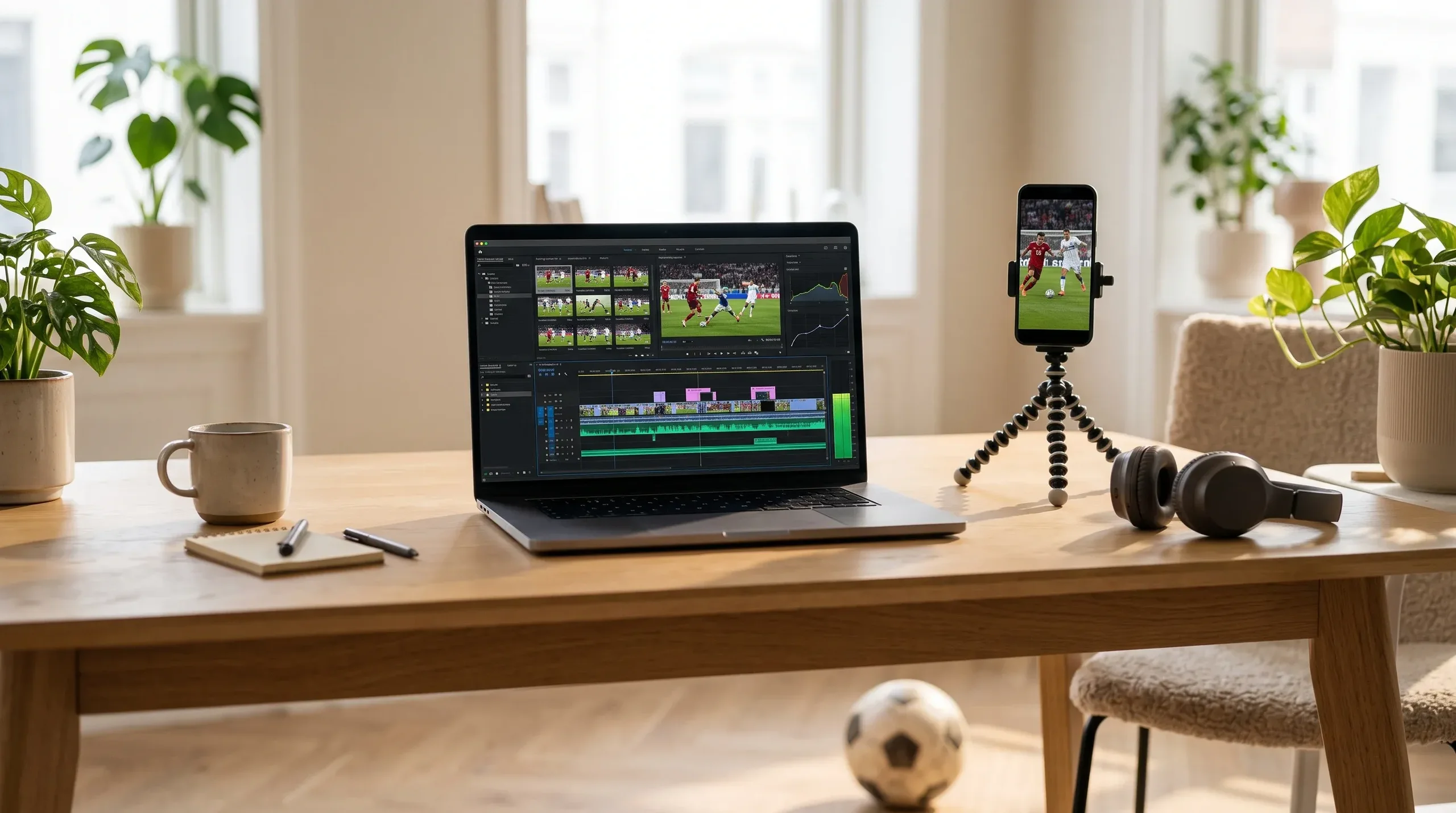
Sickstadium
An AI video clipping MVP: bring in a long video, describe the moments you want, and review ranked clips to title, score and export.
- ~2 monthsFrom First Call to Working MVP
- Multiple promptsPer Pass Over the Footage
- 60 hoursOf Independent QA on a Second Product
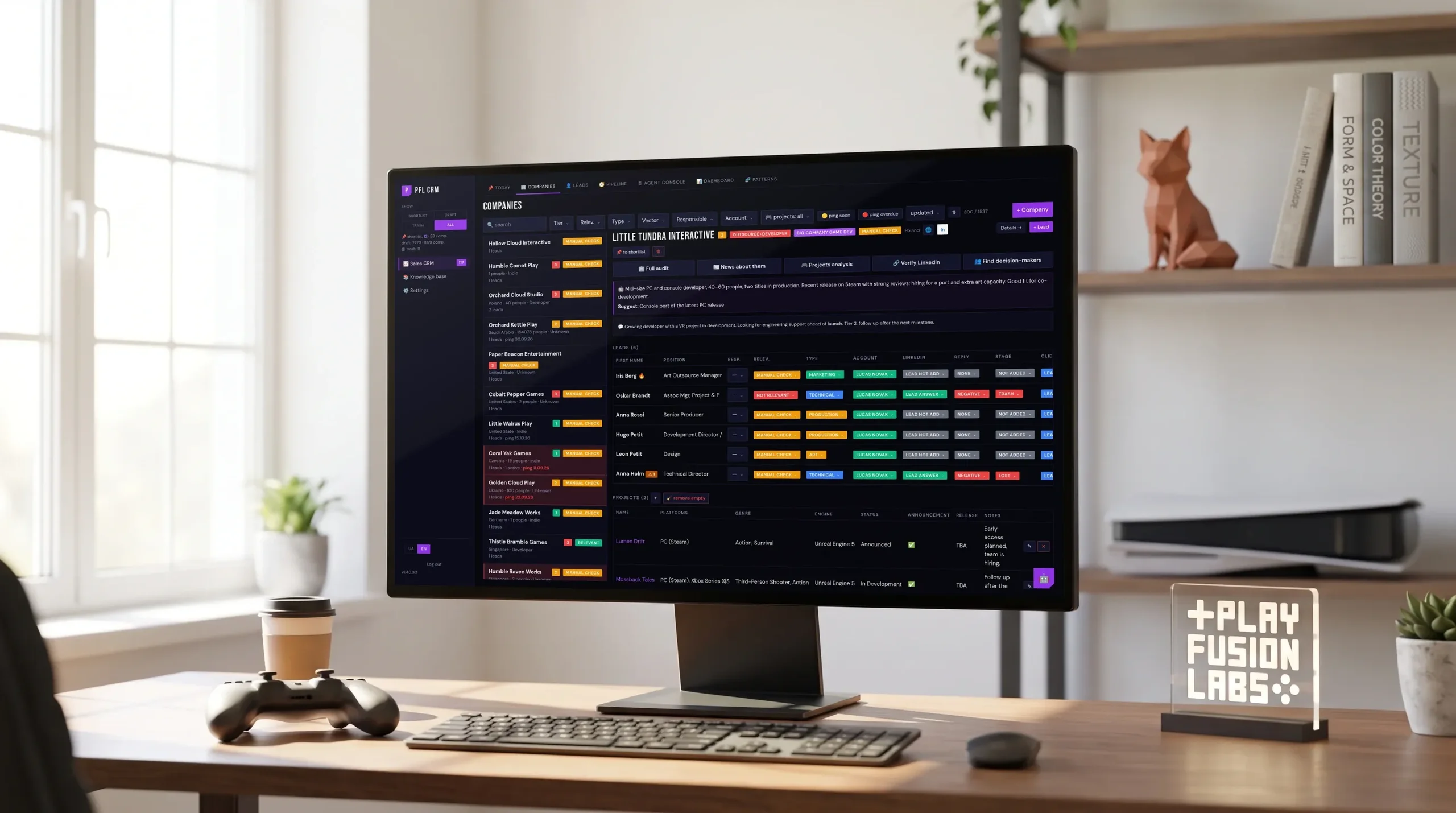
PlayFusionLabs CRM
Custom CRM development for a game studio. An agent researches companies, Today lists who to ping, and finance sits in one database.
- ~2 monthsFrom first call to daily use
- 150+Releases since launch
- 1 databaseFor sales, projects and finance
- $0In per-seat licences
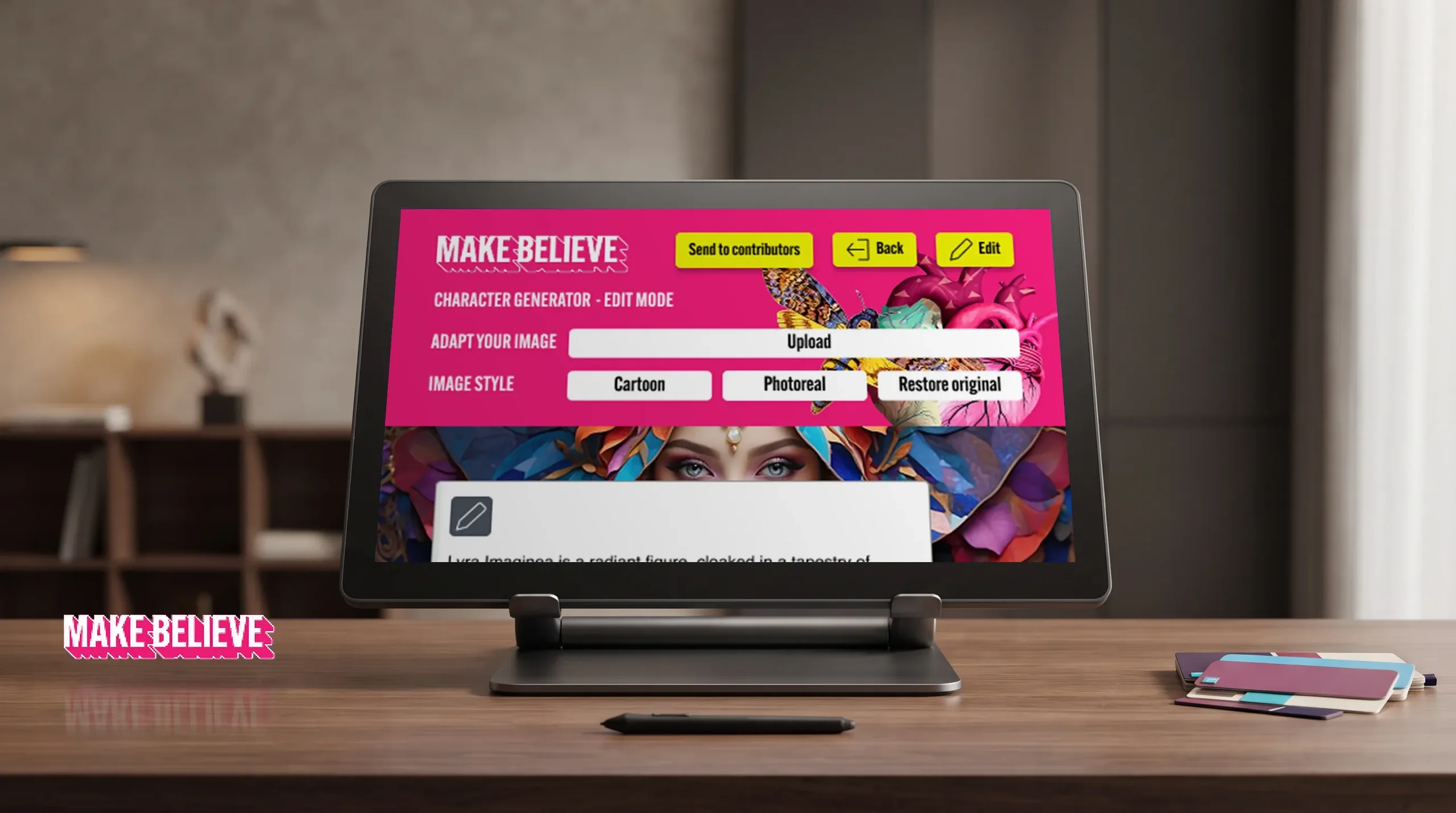
MB Character Tool
An embeddable AI character generator living inside an agency marketing site, built in eight weekly milestones.
- 1 promptFrom landing on the site to a result
- 1 iframePuts the tool inside the existing site
- 8 weeksFrom an empty repository to live on the site
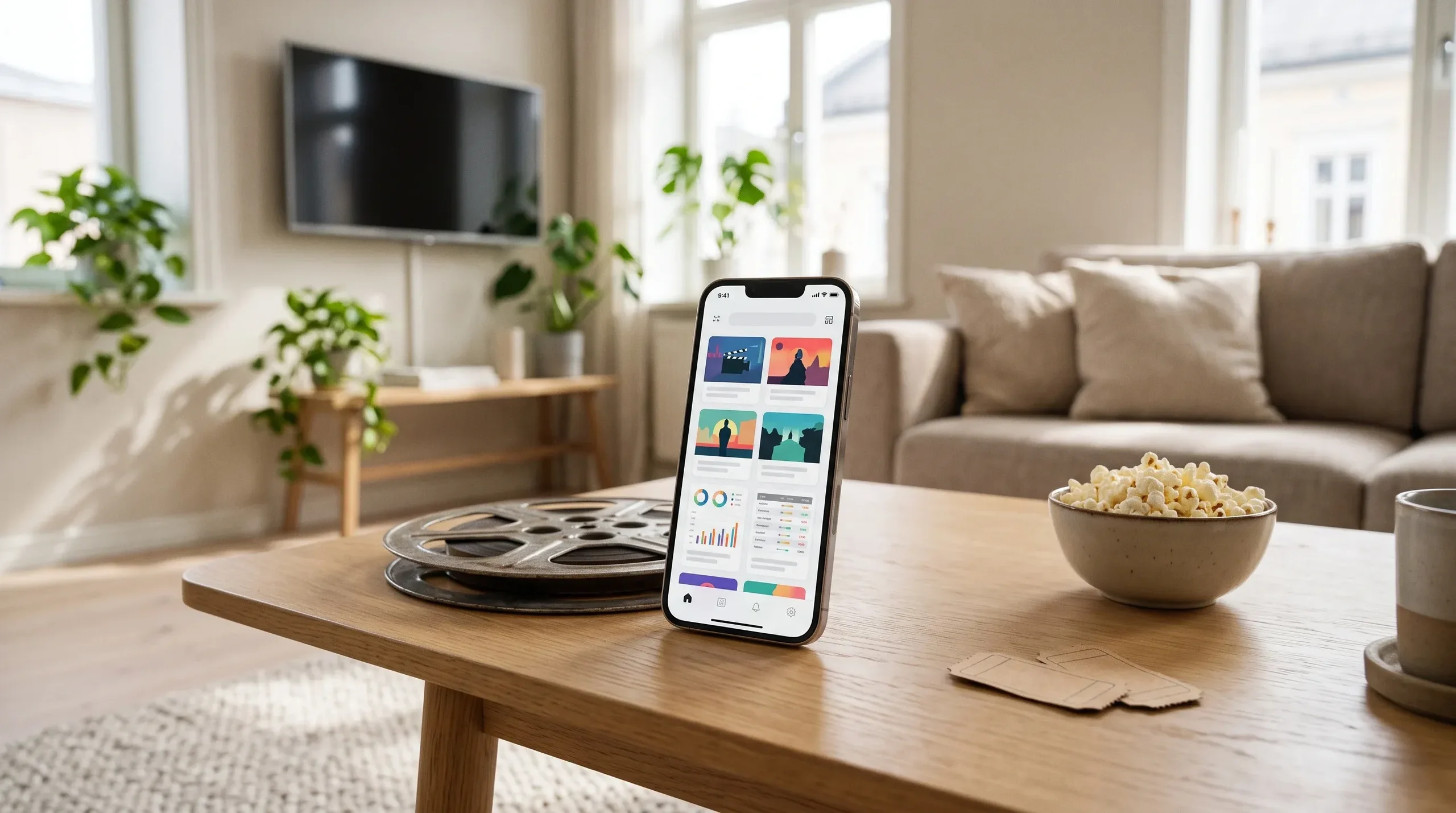
Crowdflix
A blockchain marketplace for movie moments, built so a fan who has never touched crypto can buy one without meeting the chain.
- Plain wordsOn every wallet prompt a fan meets
- ~4.5 monthsFrom kickoff to contracts on mainnet
- Pre-launchAn IP risk caught before anything went public
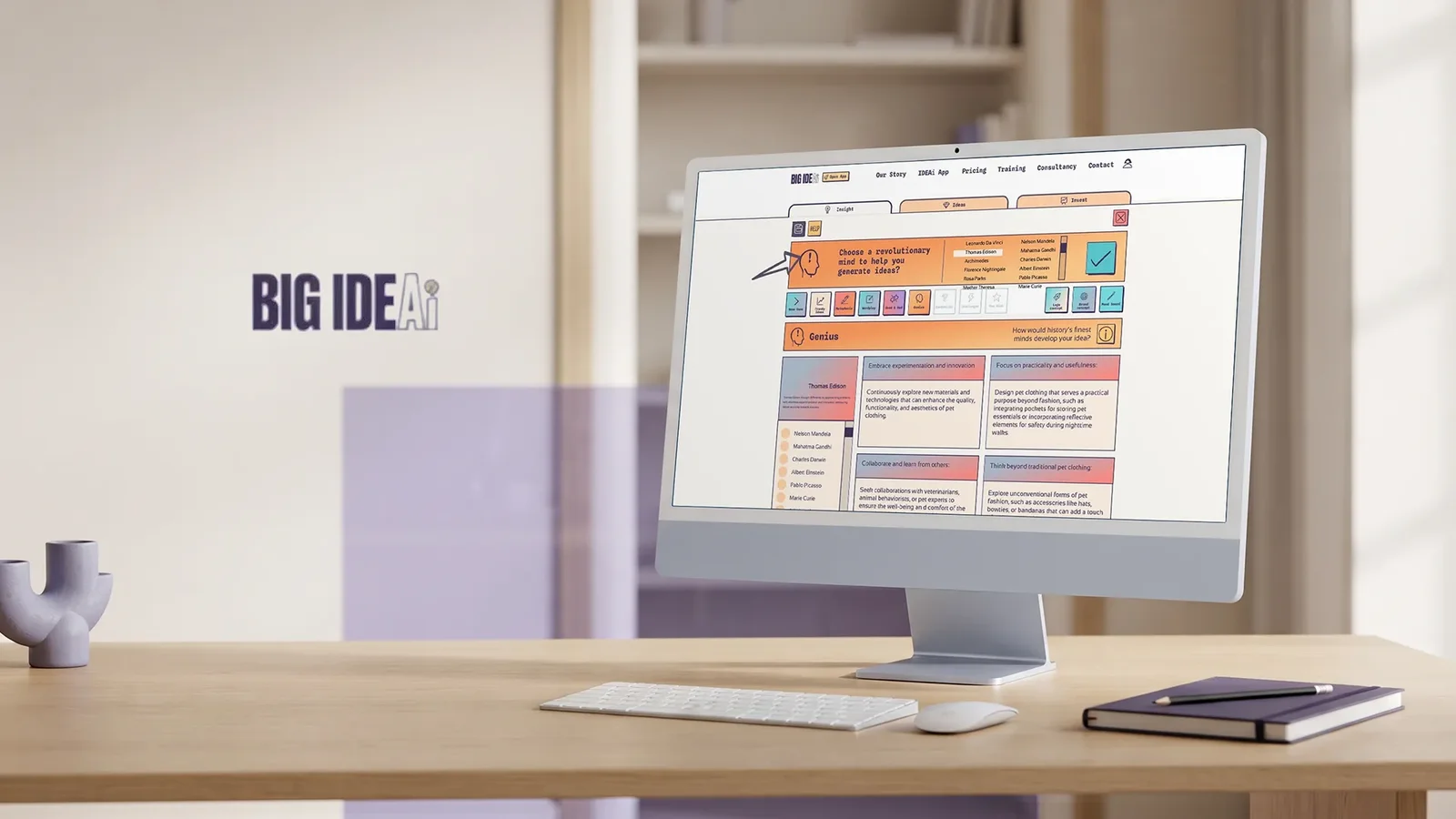
CreAItivity
Creative agency software that runs a UK agency's ideation method without a facilitator, now in its third year.
- 36 widgetsCarry a method that needed a facilitator
- 20+ yearsOf agency practice turned into software
- 3rd yearOn the architecture chosen at the start
Media Software Development Company: Frequently Asked Questions
Wallet-free onboarding, WebRTC calls that survive corporate firewalls, what holds an audience past week one, and rights handling in content products come up on every media build. The answers below come from platforms already streaming to real audiences. They also cover what a rights holder needs to see in a report.
 What is a streaming platform?
How does live streaming work technically?
How do livestreams work?
What is the best video streaming software?
What is video streaming app development?
How do you build blockchain products for non-crypto users?
Why do WebRTC calls fail on corporate networks?
What decides retention in a media product?
How is IP risk handled in content products?
What should you ask a video streaming app development company?
What does media and entertainment software development cover beyond the player?
From Scattered Sources to One Reliable Layer
Tell us what systems you run and what question you cannot answer today. You get a source inventory, a scope, and a price.

Tell Us What's Running Unmonitored
Share the models, the stack, and where deployment or monitoring is still manual, whatever's costing your team time right now.

Get a First Consultation
We map your current models and infrastructure for anything that would change scope, cost, or timeline.

Receive a Detailed Proposal
A scoped plan with the approach, timeline, and cost, built around your actual stack.