
Remote Device Management
Control of a fleet already in the field: what each unit is running, whether it is healthy, and how a fix reaches it without anyone driving to the site. Hygge builds remote device management around the devices you have deployed, including the ones somebody else built.
What IoT Remote Device Management Covers
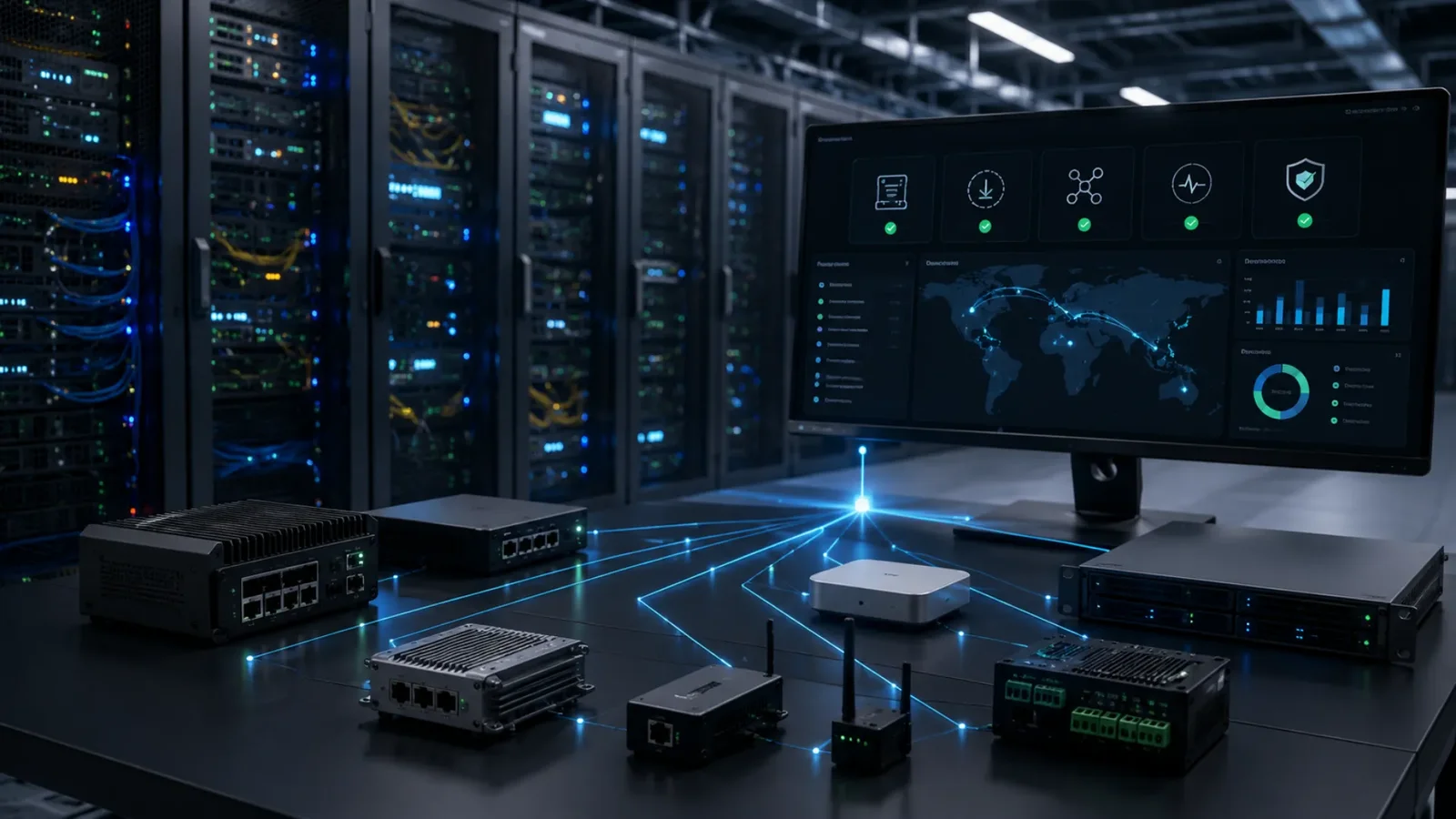
The functions that turn a set of deployed units into something operable from one screen. IoT device management at Hygge is scoped from the fleet you have and how it was provisioned.
Inventory and Current State
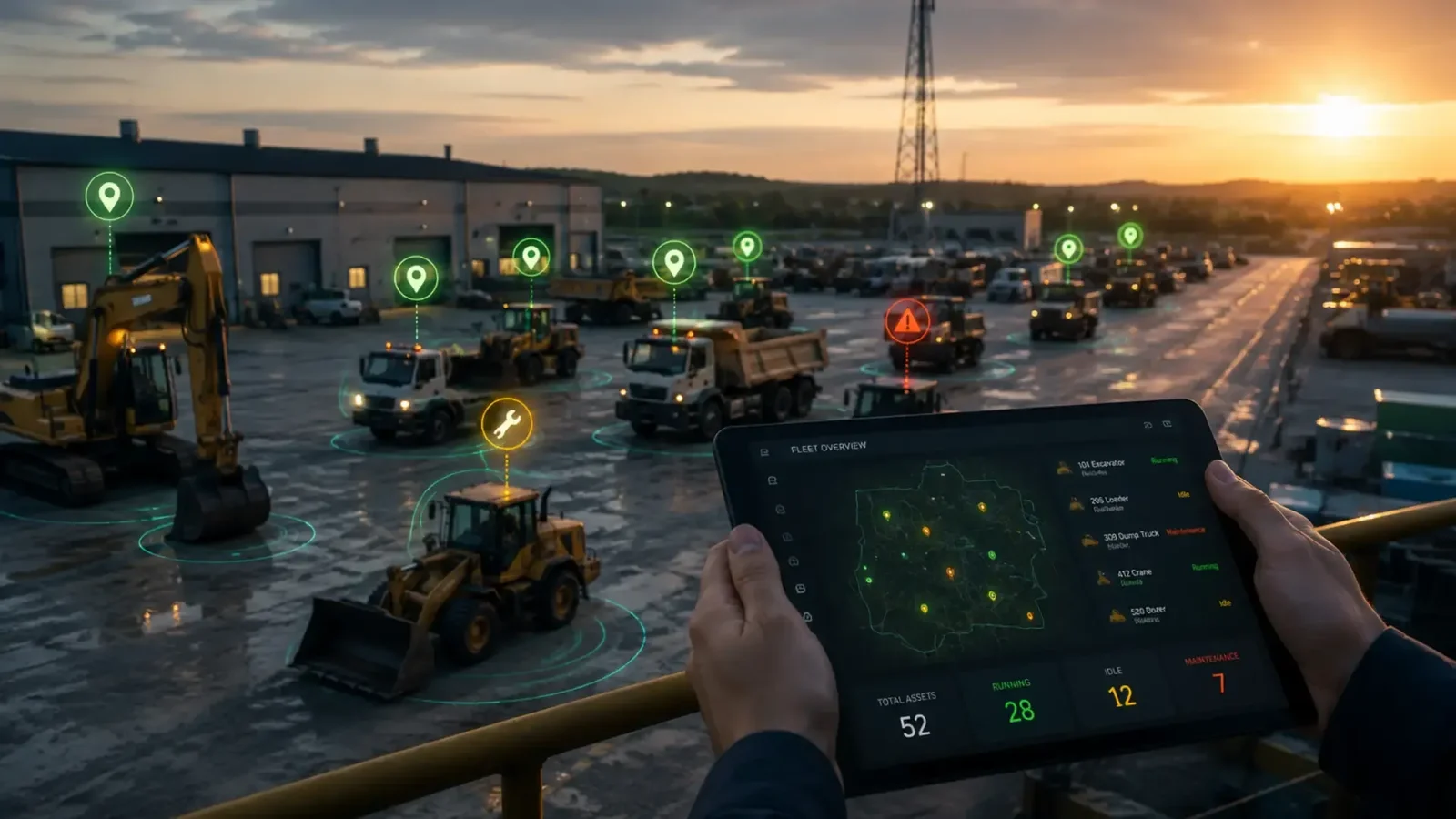
What is deployed, where it sits, which firmware version it carries, and when it last reported, held in one registry that support and engineering read from.
Staged Rollouts With Rollback
An update goes to a canary group, health is checked against agreed signals, and the rollout halts or reverts on its own when those signals move the wrong way.
Health Monitoring That Names the Pattern
Connectivity gaps, reboot loops, memory growth, and battery decline tracked per unit, with alerts on the sequences that precede a failure. IoT remote monitoring tuned to the way your hardware degrades.
Credentials, Rotation, and Revocation
Per-device certificates with a rotation schedule that runs without a site visit, and a revocation path that takes a stolen or decommissioned unit off the network within minutes.
Telemetry Turned Into Answers
Fleet-wide trends behind a warranty claim, a firmware regression, or a hardware batch that behaves differently. IoT data analytics on the history the devices already send.
From First Boot to Decommission
Provisioning, ownership transfer, warranty status, and retirement handled as stages a unit moves through. Device lifecycle management that keeps the registry accurate as the fleet ages.
What the Fleet Assessment Settles
Hygge opens with an assessment of what is deployed, how it was provisioned, and what each unit can still be told to do. Device management software scoped from the fleet as it exists, with the price agreed before anything is built.
The assessment produces each of these:
- An inventory of what is in the field: device types, firmware versions, and the units that stopped reporting.
- How each generation was provisioned, and which ones can be pointed at a new endpoint remotely.
- The update path available per device type, including the generations that need a different approach.
- The health signals worth alerting on, taken from your own failure history.
- Fixed scope and price, agreed after the audit.
What Sends a Team Looking for Fleet Control
The situations behind most enquiries Hygge scopes.
Three firmware generations are in the field, and the record lives in a spreadsheet from last year. Device management gives you one place that knows what every unit is running. The audit reconciles that spreadsheet with what the fleet reports.
Nobody Knows What Version Is Where
Three firmware generations are in the field, the record lives in a spreadsheet from last year, and every support call starts by asking the customer to read a label.
An Update Went Out and Units Went Dark
A rollout reached the whole fleet at once. Some devices stopped reporting, there was no canary group to catch it, and recovery is now a logistics problem.
A Lost Device Still Has Working Keys
A unit was stolen or scrapped, its certificate is still valid, and there is no way to revoke one device without rotating credentials across the fleet.
Support Cannot Answer the Question
A customer reports intermittent failures and the platform holds no history for that unit, so the answer is a replacement shipped on goodwill.
Every Fix Costs a Site Visit
The engineering fix takes an afternoon. Getting it onto the hardware takes a van, a technician, and a scheduled appointment per unit.
How We Bring a Fleet Under Control
From an inventory of what is deployed to a console your support team runs updates from. This is how iot device management platform work goes at Hygge.
Inventory What Is Out There
Device types, firmware generations, provisioning method, and the units that have gone quiet, assembled from whatever records and telemetry exist.
Get Identity Under Control
Per-device credentials with rotation and revocation, applied first to the generations that support it and planned separately for the ones that do not.
Make Rollouts Reversible
Canary groups, health gates, and automatic revert before any fleet-wide update runs. Connected device management starts by making the first mistake survivable.
Alert on Your Own Failure Patterns
The sequences that preceded past failures become the alerts, so a unit is flagged before the customer notices. IoT monitoring solutions built from your history.
Hand Over the Console
Support runs updates, engineering reads health, and finance sees the active fleet count, each from a view built for that job.
What Changes When You Can Reach the Fleet
You can see what each device runs, where it is and when it last checked in. Updates roll out in stages with a halt switch, so a problem stops at the first group. Remote monitoring software is what most buyers picture: current state of every device on one screen, with an alert when something stops reporting. A device management platform adds the operational half, where updates, configuration and ownership are managed per device group across thousands of units.
The Standards Device Management Is Held To
What Hygge commits to on this service, and how each commitment is measured.
Where Nobody Knows Which Units Went Quiet
Sectors where the fleet is large enough that finding one broken device is its own problem.
Logistics & Warehouse Automation
Thousands of scanners and vehicle units tracked across sites, with silent ones surfaced automatically.
Retail & E-Commerce
Store hardware across locations, provisioned and revoked without a technician per shop.
Public Safety & Security
Field units where a compromised device has to be cut off within minutes.
Fitness & Wellness
Equipment across a franchise network, monitored centrally with per-site ownership.
Media & Entertainment
Display and playback units in unattended venues, recovered remotely when they stop.
Healthcare & Staffing
Clinical devices tracked with an access record auditors can read.
Aviation
Ground equipment tracked against certification and maintenance schedules.
Real Estate & PropTech
Building devices across a property portfolio, with certificates rotated before they expire.
Fleets Run From One Remote Device Management Platform
Work where devices in the field had to stay reachable and current.
What You Get From the Fleet Assessment
An inventory of what is deployed including the units that went quiet, how each generation was provisioned and which can be redirected remotely, the update path available per device type, the health signals worth alerting on from your own failure history, and an exact price. Remote device management scoped from the fleet as it stands.
What We Build a Device Management Platform On
Chosen against your fleet size, how the devices were provisioned, and what your own support team will operate, so an iot device management platform stays usable by the people answering tickets.
Every unit carries its own credential from the factory line onward, so a compromised device is revoked on its own without touching the rest of the fleet.
 AWS IoT Core
 Azure IoT Hub
 Keycloak
 PostgreSQL
Frequently Asked Questions
What product and support leads ask.
 What is device management?
What is an over-the-air update?
How do OTA updates work?
What is an OTA software update?
How do you manage devices already in the field?
How do over-the-air updates roll out safely?
What happens when a device is compromised?
How do you monitor fleet health?
Can this work with devices we did not build?
How large a fleet can it handle?
What does it cost?
What does a remote device management platform do?
From a Spreadsheet of Serial Numbers to a Console
Tell us how many units are out there, how many generations, and how they were provisioned. You get an inventory, an update path per device type, and an exact price, the way every remote device management project at Hygge starts.
Tell Us How Many Units Are in the Field
Share the fleet size, where the devices sit, and how you find out today when one goes quiet.
Get a First Consultation
We review your fleet, provisioning, and monitoring needs for anything that would change scope, cost, or timeline.
Receive a Detailed Proposal
A scoped plan with the approach, timeline, and cost, built around your actual fleet size.