
LMS Development for Products Enterprises Are Willing to Buy
Course delivery is the part every platform has. What decides a contract is the rest: whether progress tracks against a standard the buyer already reports on, whether their identity provider works on day one, and whether an AI feature answers from your material with a citation.
What Custom LMS Development Solves
Where a learning product stops being sellable to the buyer in front of you. The platform holds courses but cannot prove who completed what, an enterprise buyer asks for SSO and reporting, and the answer is a spreadsheet. Custom LMS development starts from what that buyer has to be able to prove.
Content Bought Elsewhere Will Not Run
Customers arrive with a course library in a standard format, and the platform has no way to play it.
- SCORM packages that run without conversion work
- xAPI statements recording learning that happens outside a course player
- LTI launch so an enterprise platform opens your tool with the learner signed in
Enterprise Readiness Blocks the Deal
Security review asks about SSO, provisioning, audit logs and data residency, and the answers do not exist yet.
- SSO against the identity providers enterprise buyers run
- Automatic provisioning and deprovisioning so leavers lose access the same day
- Audit logs and role rules that survive a security questionnaire
AI Features Damage Trust
A generative feature invents an answer that contradicts the course, and instructors stop recommending the product.
- Answers retrieved from your own material with the source shown
- Evaluation against a fixed question set before a feature ships
- A path to a person when confidence is low
The Platform Cannot Be Modernised Without Downtime
Years of learners, progress records and integrations sit on a codebase nobody wants to touch during term.
- Migration in stages with the old system readable throughout
- Progress and completion records moved with their original values
- A cutover window agreed against the academic or training calendar
What Makes eLearning Platform Development Hard
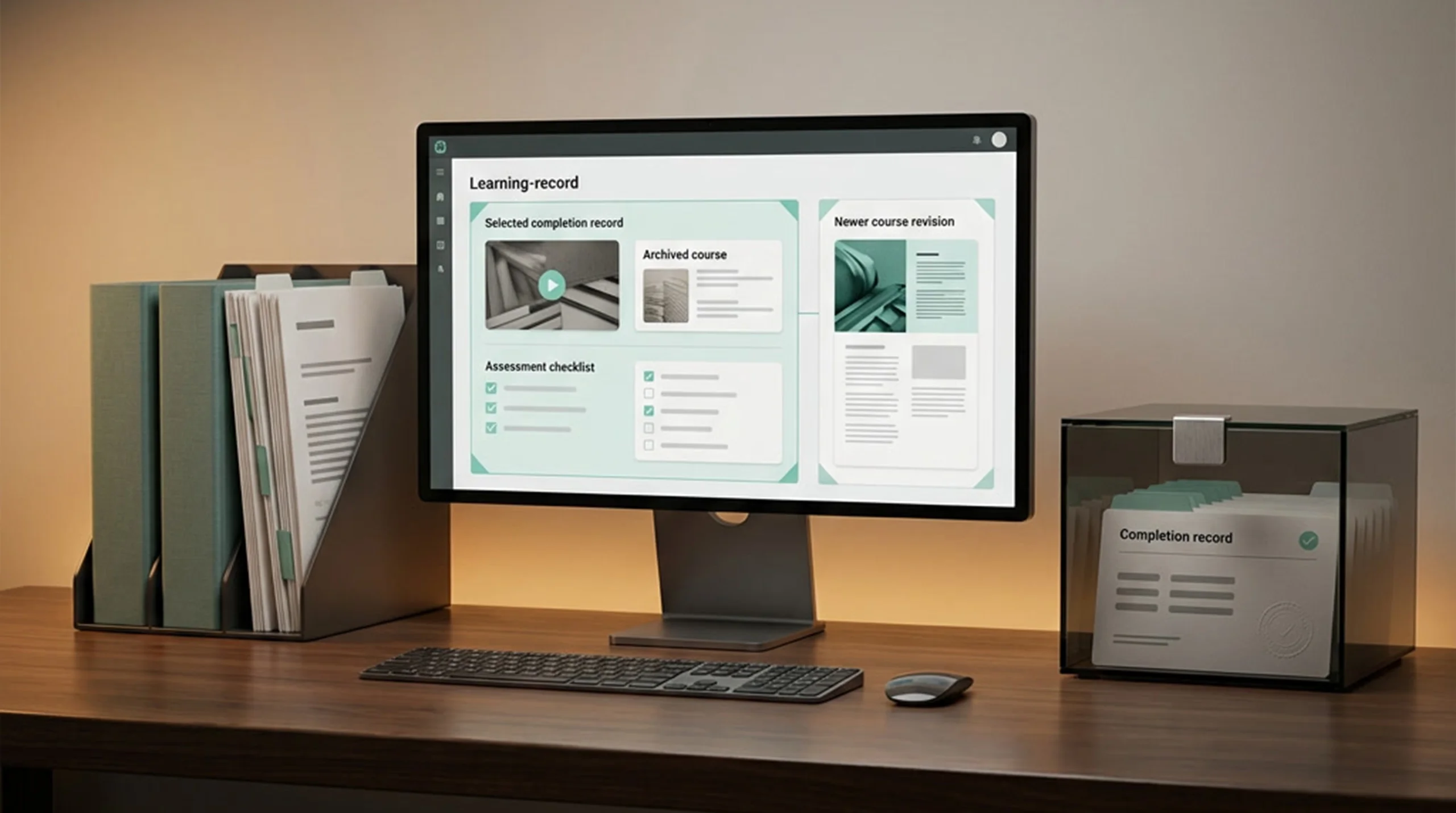
A learning platform is judged on records. A completion has to mean the same thing next year, when the course has been edited and the standard has moved on. Hygge fixes the record model and the standards surface in the audit, because progress data written wrong is the one thing a rebuild cannot repair.
Where Custom LMS Development Applies
Sectors where learning is the product or the compliance record, and where Hygge has built it. What changes between them is what the certificate means: a licence, a safety sign-off, a sales enablement score, a paid course. Learning management system development shapes the record around that meaning.

EdTech
Learning platforms carrying years of progress records, modernised while classes keep running.
HR & Recruitment
Corporate learning and onboarding where completion is an HR record.

Healthcare & Staffing
Healthcare training where credential status and completion are audited.
Public Safety & Security
Public safety training where certification carries evidentiary weight.

Aviation
Aviation training where every revision of a procedure has to be traceable.
The Stack an LMS Development Company Builds On
Learning platforms get extended for years, so this stack favours technology with a long support life and a shape another team can take over. Accessibility and single sign-on are built in from the start, because procurement checks both.
The formats and launch protocols enterprise and academic buyers expect.
 SCORM
SCORM.webp?v=2026-09-29T09%3A12%3A39.538Z) xAPI (Experience API)
xAPI (Experience API).webp?v=2026-09-29T09%3A12%3A42.336Z) LTI (Learning Tools Interoperability)
LTI (Learning Tools Interoperability)LMS Software Development Track Record
Company numbers across every project, from the first audit through the years a system stays in service. LMS software development is judged at enrolment peaks and at audit time, when the completion record has to hold up. The audit at the start is what makes the delivery date and the price hold.
How Learning Management System Development Runs
Record model first, delivery second, integrations as buyers arrive. Custom eLearning development builds the completion record before the course player, because the record is what an enterprise buyer pays for. Each stage ends with something a learner can open and finish.
Record and standards audit
2 weeksHygge maps how progress is recorded today, which standards your buyers require, and what enterprise review will ask for. The output is a scope and an exact price.
Core platform and records
5-7 weeksCourses, enrolment, progress and completion built on a versioned record model, deployed for your team to use from week one.
Standards and enterprise readiness
4-5 weeksSCORM playback, xAPI statements, LTI launch, SSO and provisioning, with audit logs and role rules in place for security review.
AI features and measurement
3-4 weeksRetrieval over your own material with citations, evaluated against a fixed question set before it reaches learners.
Related Custom eLearning Development Work
Projects where the learning record and who could see it decided the build. Each started with content already made and no way to prove outcomes to a buyer. What you see is the platform that closed that and the numbers that moved.
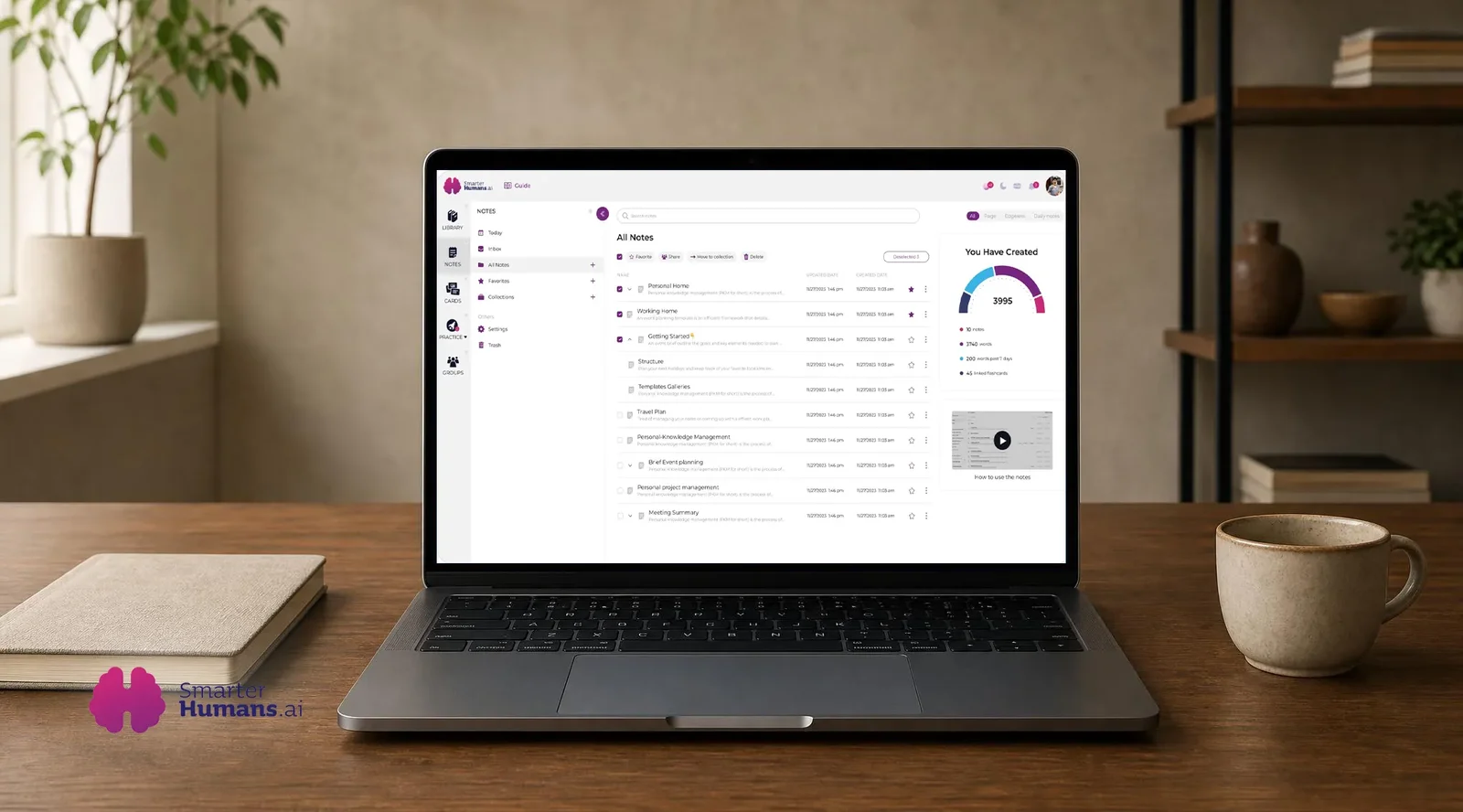
Smarter Humans
A spaced repetition app built by the same team since 2019. About a million users moved to the rebuilt system with zero downtime.
- 93 %Cut off a 20-second document load
- 1 uploadReplaces the card writing people quit over
- 7 yearsOn one product with the same team
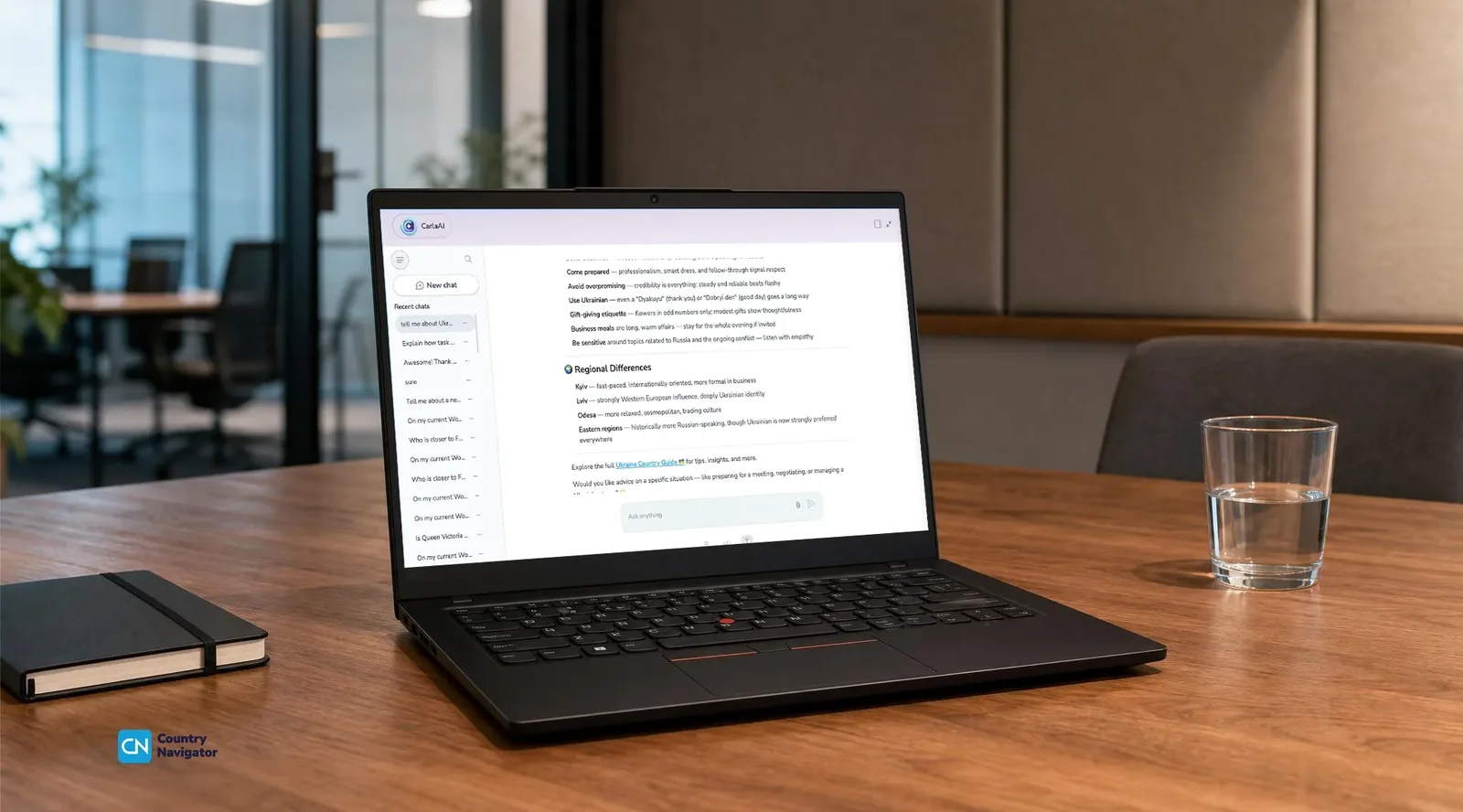
Country Navigator
A ten-year-old cultural intelligence training platform rebuilt into services. Enterprise customers kept working through a zero downtime migration.
- 0Downtime moving a ten-year-old platform
- 1 configReplaces the SSO setup only one person knew
- 10 yearsOf monolith rebuilt into services
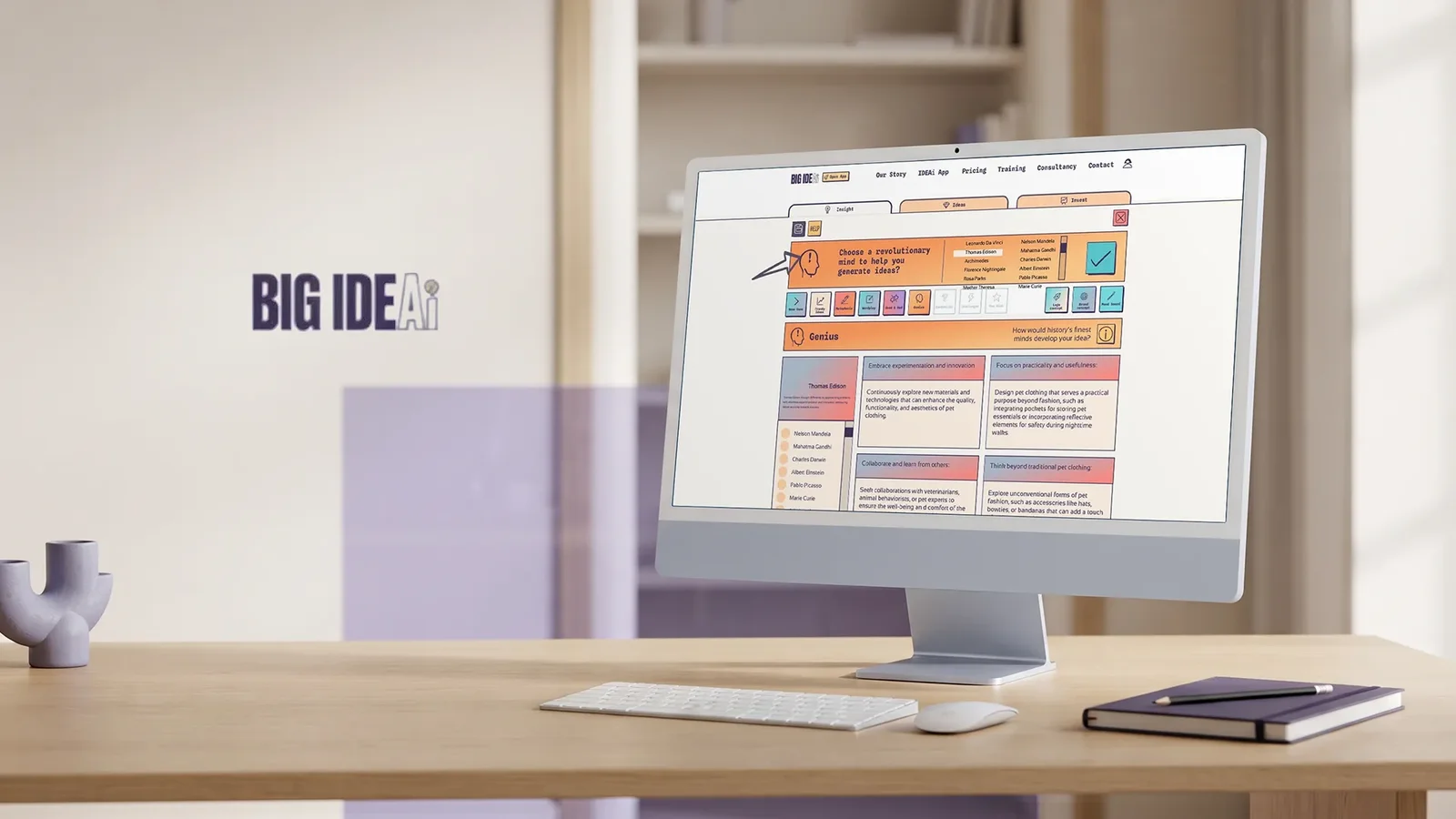
CreAItivity
Creative agency software that runs a UK agency's ideation method without a facilitator, now in its third year.
- 36 widgetsCarry a method that needed a facilitator
- 20+ yearsOf agency practice turned into software
- 3rd yearOn the architecture chosen at the start
Custom LMS Development: Frequently Asked Questions
What an LMS development company gets asked first: SCORM, SSO, reporting and what a first working version costs. The answers below cover migrating content you already own, proving completion to an enterprise buyer, and who maintains the platform after handover.
 What is a learning content management system?
What is learning management system software?
Is Google Classroom a learning management system?
What does LMS stand for in learning management system?
What does LMS development have to support out of the box?
What does enterprise readiness require?
Can an existing platform be modernised without downtime?
How do you add AI to a learning product without harming it?
What happens to completion records when a course changes?
How much does eLearning platform development cost?
How long does a learning platform build take?
Start With What Your Buyer Asks in Review
Tell us who buys your platform and what their security review demands. You get an audit, a scope and an exact price.
Tell Us Who Buys and What They Ask
Share the standards your customers bring, the identity provider they run, and the questions that stall your deals.
Get a Record and Standards Audit
Hygge maps how progress is recorded today and what has to change before an enterprise buyer signs.
Receive a Scope and an Exact Price
A written plan with the record model, the standards surface, enterprise readiness, the timeline and the cost.