
RAG Development Services
A model that answers from your own documents, retrieved fresh at every question, with the source shown next to the answer. That is retrieval augmented generation, and Hygge's RAG development services cover the retrieval layer, the chunking strategy, and the evaluation set that proves the answers are right before anyone trusts them.
What Custom RAG Development Services Cover
What decides whether retrieval returns the right passage or a plausible-looking wrong one.
Document Processing and Chunking
How your PDFs, wikis, tickets, and contracts get split before indexing. Chunk size and boundary rules decide more of the final answer quality than the model choice does, and they get tuned against your own documents.
Embedding and Vector Storage
Turning text into vectors and storing them where search stays fast as the corpus grows. Model choice here is a cost and accuracy trade-off measured at your volume.
Retrieval and Reranking
Hybrid search combining keyword and semantic matching, then a reranking pass that puts the passage answering the question first. This step is where retrieval quality is won.
Grounded Generation and Citations
The prompt architecture that keeps the model inside the retrieved passages, plus a citation next to every claim so a reader can check the source. RAG as a service without citations is a system nobody audits.
Evaluation and Accuracy Testing
A test set of real questions with known correct answers, run on every change, so retrieval accuracy comes back as a number. Most teams skip this and find out in production.
Freshness and Reindexing
How the index stays current as documents change, and what happens to an answer built on a policy that was updated yesterday.
What Gets Decided Before RAG Development Starts
Hygge opens with an audit of your document set. RAG projects fail on the corpus far more often than on the model.
The audit settles each of these:
- Corpus scope, which documents are in, which are stale, and which contradict each other.
- Chunking strategy, tuned against your real document structure before indexing starts.
- Accuracy bar, the retrieval score the system has to hit before it goes in front of anyone.
- Access control, whether an answer can quote a document the person asking is allowed to read.
- Fixed scope and price for the build, agreed after the audit.
What Sends a Team to RAG
The situations behind most enquiries Hygge scopes.
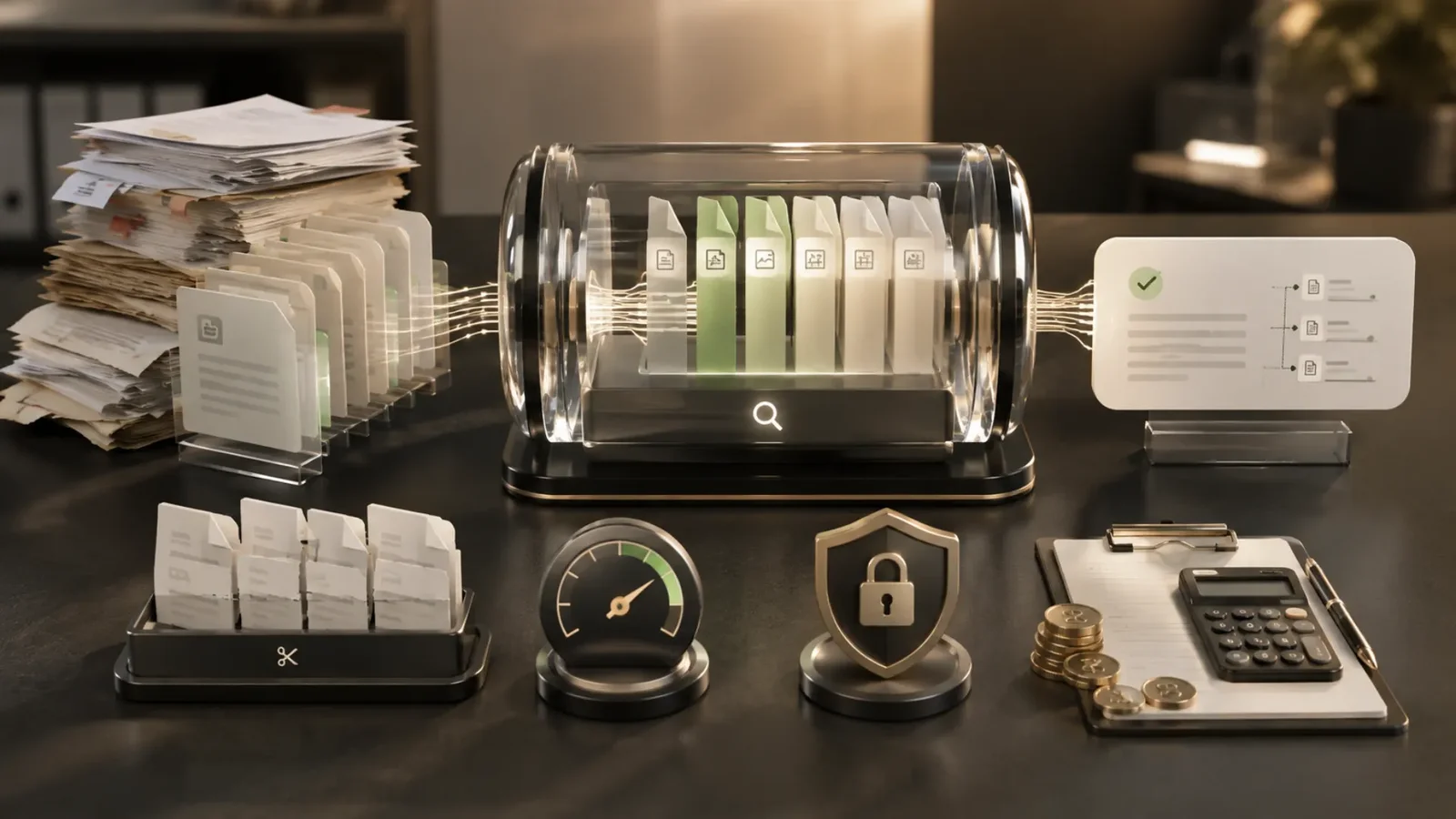
All five come down to one thing: the model answers from what it remembers, and nobody can check it. RAG development changes where the answer comes from. The audit reads your document set first, measures what retrieval returns on real questions, and prices the build against that.
The Model Invents Answers
A general model answers confidently about your pricing, your policy, or your product, and gets it wrong. Grounding every answer in a retrieved passage is the fix, and it is the whole reason RAG exists.
Knowledge Buried in Documents Nobody Reads
Answers exist in a wiki, a contract set, or five years of support tickets, and finding them takes longer than asking a colleague. Knowledge base ai turns that archive into something answerable in a sentence.
Search That Matches Words, Not Meaning
Your existing search returns documents containing the query terms, so a question phrased differently from the document returns nothing. Enterprise search ai matches on meaning, which is what people expect now.
A Pilot Run Against Your Real Questions
The demo answered the questions it was built against. Then it met a question phrased sideways, a document with a table in it, and a policy that changed last month.
Answers That Cannot Be Checked
Without citations, nobody can verify an answer, so nobody in a regulated or high-stakes context is allowed to rely on it.
How We Build a RAG System
From a document audit to a system with a measured accuracy score, running on your own infrastructure.
Document Audit
Two weeks reviewing the corpus: formats, structure, contradictions, and how often it changes. Ends in a fixed scope and price.
Evaluation Set First
We write the test questions with your team and agree the correct answers. Every change after this gets measured against that set.
Retrieval Build and Tuning
Chunking, embedding, hybrid search, and reranking, tuned in cycles against the evaluation set until the score clears the bar agreed in the audit.
Generation and Citations
The answer layer, with a source link on every claim and a defined response for when retrieval finds nothing relevant.
Deploy and Monitor
Live in your infrastructure, with logging on low-confidence answers and a reindexing schedule matched to how fast your documents change.
What Changes Once Answers Come From Your Own Data
People get an answer with the source sitting next to it, in seconds. The archive nobody opened becomes something the whole company can ask questions of. A policy update reaches every answer the same day it is published, and a wrong reply is findable, because the passage behind it is on screen. Custom RAG development services start with the documents you already hold and the questions people already ask. What separates a build that survives from one that gets switched off is measurement: LLM evaluation against a set of real questions, with RAG evaluation metrics tracked release to release so a change that helps one answer and breaks four is caught before it ships.

What RAG Development Gives Back
The standards this work is held to, set against your current baseline and checked after delivery.
Where Retrieval Beats a Bigger Model
Sectors where Hygge has grounded answers in a client's own documents.

LegalTech
Answers grounded in the firm's own files, each one pointing back at the paragraph it came from so a reviewer can verify it.

EdTech
Retrieval kept inside the course material, with a citation on every response so a learner can check what the platform told them.

Retail & E-Commerce
Product and policy questions answered from your own catalogue and help centre, refreshed as SKUs and terms change.

Healthcare & Staffing
Retrieval over clinical and policy documents inside your perimeter, with access rules applied to every lookup.
Retrieval Systems Hygge Has Shipped
Products where the answer had to come from the client's own documents, built as rag as a service projects Hygge still supports.
Hygge Presale
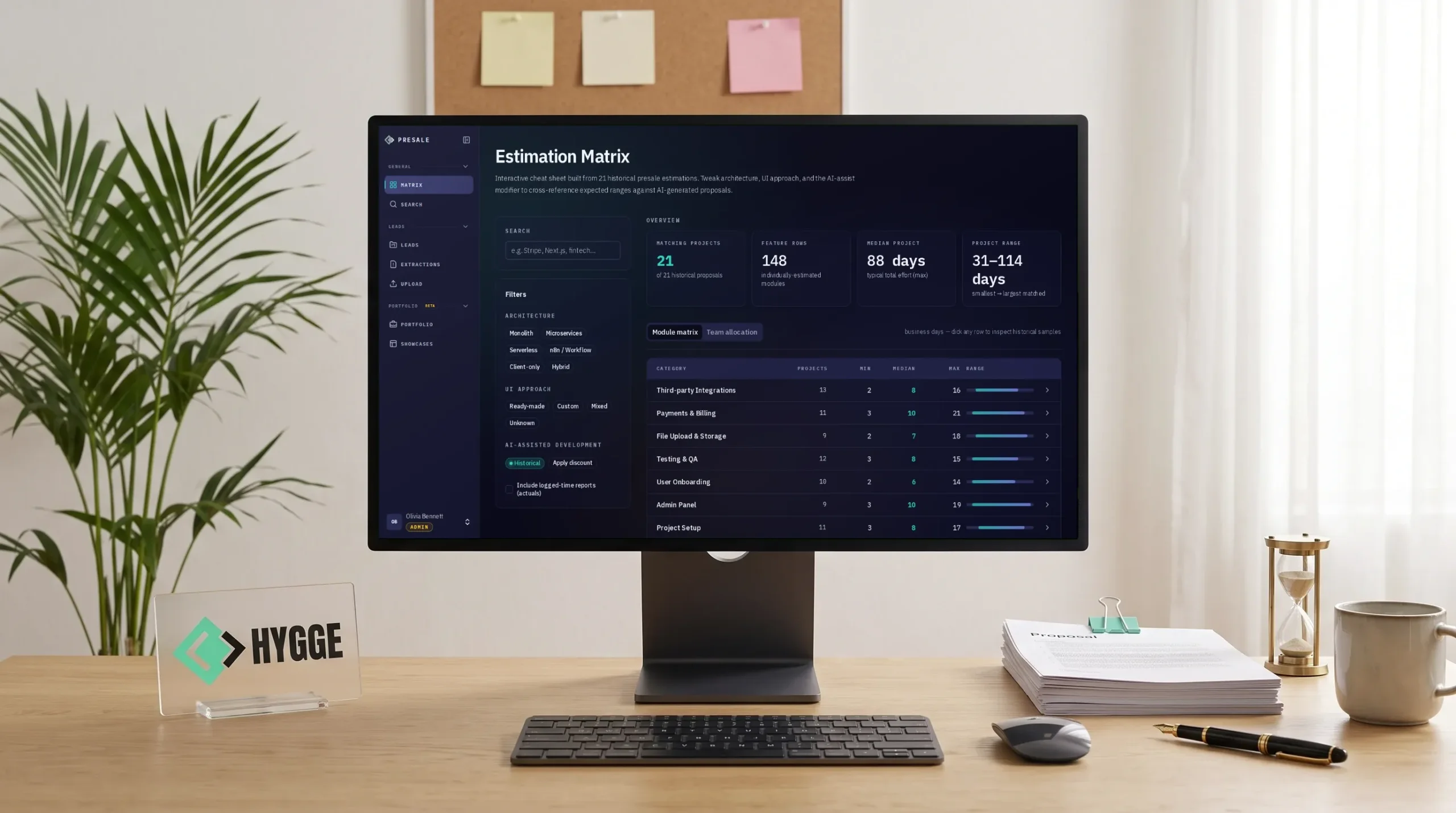
Hygge's own presale workspace, where an AI agent drafts estimates from past deals. People approve them, and every proposal feeds the next.
- 6 sub-statusesDrive each pipeline stage
- Every moduleAnchored to evidence
- 5 formatsFrom one approved deck version
- 3 modesOf case disclosure, enforced

Offra
An AI gift finder built in about a month for a startup whose marketing was booked against a Black Friday date.
- 3 milestonesDelivered before the holiday launch window
- 100 %Of results are products a buyer can order
- ~1 monthAgainst a Black Friday date that could not move
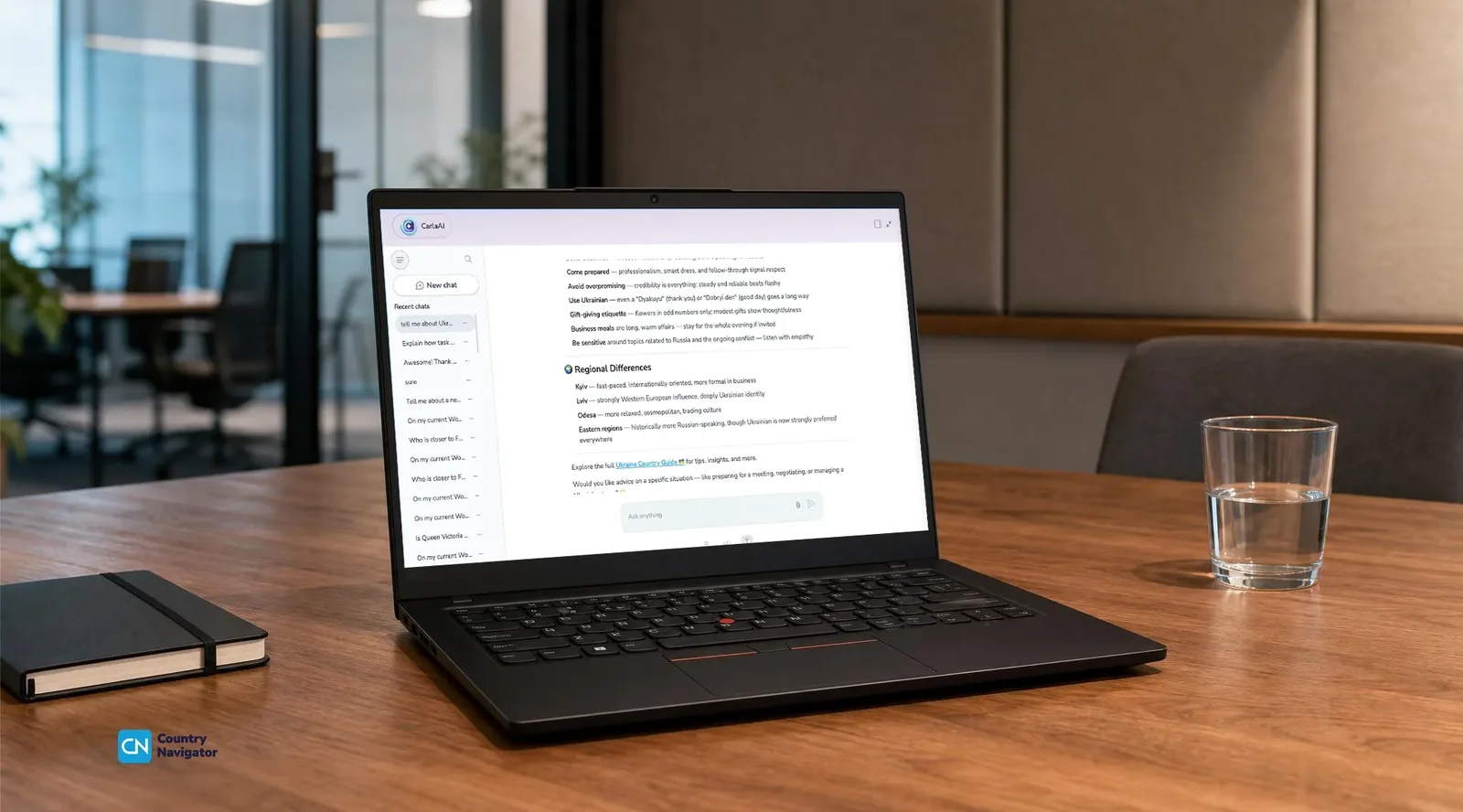
Country Navigator
A ten-year-old cultural intelligence training platform rebuilt into services. Enterprise customers kept working through a zero downtime migration.
- 0Downtime moving a ten-year-old platform
- 1 configReplaces the SSO setup only one person knew
- 10 yearsOf monolith rebuilt into services
What You Get From the Document Audit
A corpus assessment with the problem documents named, a chunking recommendation tested on your files, a realistic accuracy expectation, and a fixed scope and price. The starting point for enterprise search ai or a grounded assistant.
The Stack Behind a RAG Build
Chosen per project against corpus size, freshness requirement, and where your data is allowed to live.
Where your content is indexed and how it is searched, sized for the corpus you hold and the query load a real user base creates.
 Pgvector
 Qdrant
 Pinecone
 Weaviate
 Elasticsearch

Frequently Asked Questions
How retrieval is grounded, kept current, and measured against rag evaluation metrics before launch.
 What is retrieval augmented generation?
How does RAG work?
What is a RAG model?
What is RAG in AI?
How does retrieval augmented generation work in production?
What is RAG and when do I need it?
Do I need RAG or fine-tuning?
How much do RAG development services cost?
How accurate is RAG?
Can the system show where an answer came from?
What happens when my documents change?
Can a RAG system respect who is allowed to see what?
What is a RAG service?
From a Document Archive to Answers With Sources
Tell us what your documents hold and what people keep asking. You get a corpus assessment, a scope, and a price, the same starting point behind every rag development services project at Hygge.
Tell Us Which Documents Hold the Answers
Share where your knowledge lives, who searches it, and the questions people give up on finding.
Get a First Consultation
We review your document sources and access rules for anything that would change scope, cost, or timeline.
Receive a Detailed Proposal
A scoped plan with the approach, timeline, and cost, built around your actual content and retrieval needs.