
How We Rebuilt the WCS Operator Interface for Slapstack
Real warehouses ran on the operator interface every day, so it could not go offline. It was a Flask app with hand-built D3 charts, slow and costly to extend. A big-bang cutover was never an option. The client also had no production design system, only AI-generated concept mockups. We rewrote the frontend in React across eight milestones. Screens moved one by one, and the Flask backend stayed as it was. No warehouse went offline, and a year later the client came back on its own for a second phase.
Can Your System Change Without Stopping the Business?
If people run a physical operation through your software, we start with a map of what has to keep working during the change. You get a proposal with the scope, team, timeline and cost.
Where the Old Operator Interface Held the Warehouse Back
Each problem made the next screen slower to build, or the floor harder to run.
A Console That Could Not Go Offline
Real warehouses ran on it every day. A big-bang cutover was never an option.
Hand-Built Pages, Slow to Extend
Server-rendered Flask pages with hand-rolled D3 made every new screen expensive.
Too Slow for an Industrial Product
Performance and the interface fell short of what the platform was selling.
Built for Engineers
Floor staff needed a console they could use with confidence, without being robotics experts.
Mockups With No Design System
The client had AI-generated concept mockups and nothing a developer could build against.
A Partner Inside Their Process
The client needed a team working in its own sprints, next to its own engineers.
The Challenge
The operator frontend was a Flask app with hand-rolled D3 charts. It was built fast, aging and hard to extend, and its speed fell short of the rest of the platform. The constraint that shaped everything: live warehouses could not go offline. The rewrite had to arrive in pieces, against an unchanged backend and API.
The client had AI concept mockups and no design system a developer could build from.
Our Solution
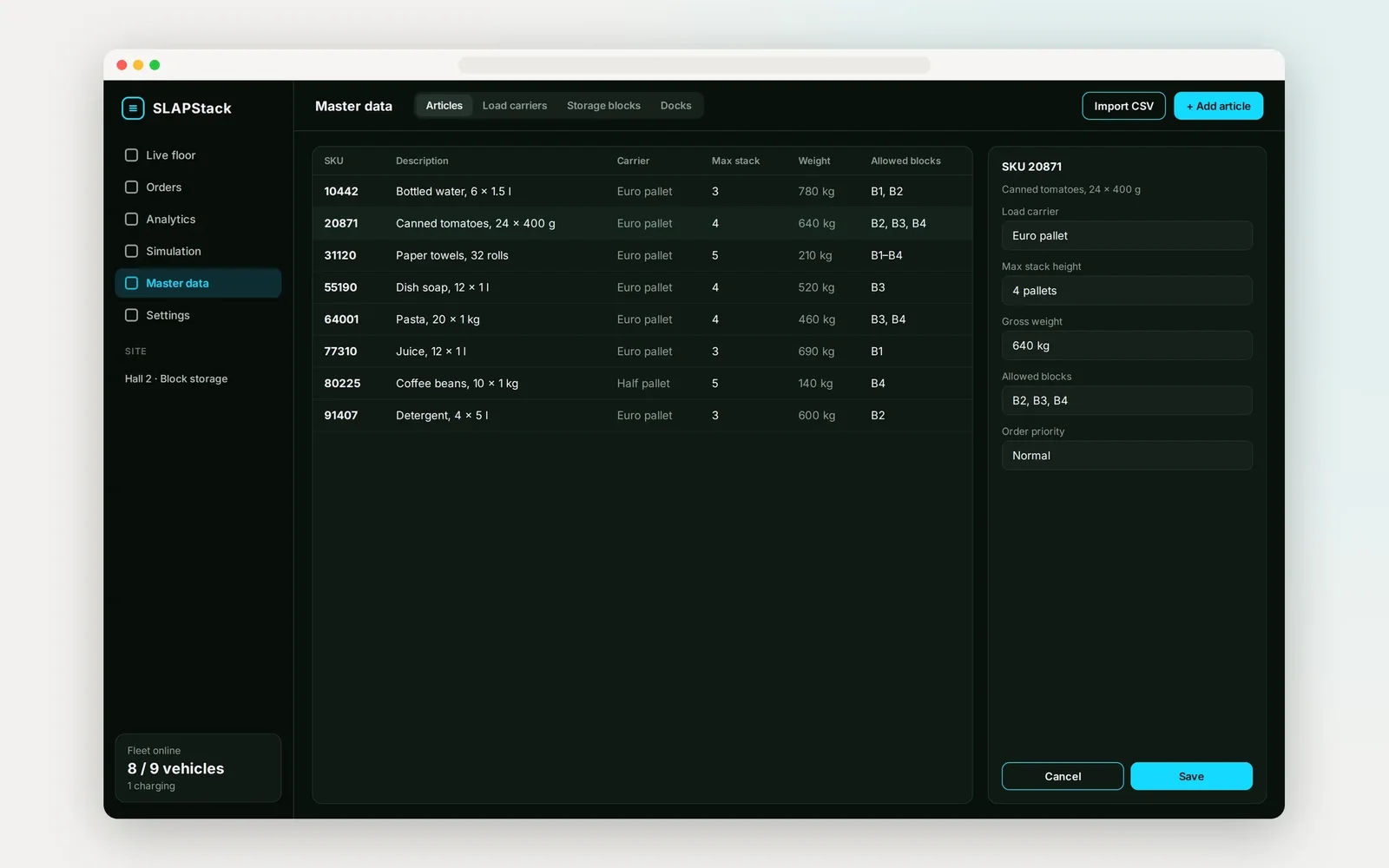
We rewrote the frontend in React in stages. It used the existing Flask backend, so nothing on the server had to change. Screens moved across one after another while the warehouses kept running. A shared component library and a Figma design system grew alongside the migration. The second half of the rewrite moved faster than the first, and the client kept both. A year later, phase two began on the client's own FastAPI backend inside a monorepo.
A React rewrite in pieces, a component library and a production design system.
How the WCS Software Was Rebuilt
Each card answers one problem above.
Screen by Screen, Same Backend
The React frontend uses the same Flask API. No warehouse ever relied on a half-moved screen.
A Shared Component Library
Reusable React components made the second half of the rewrite faster than the first.
Faster Screens for the Floor
The live map, orders and analytics moved to React, with D3 kept where it does its best work.
A Console Operators Can Run
Live map, order status and analytics sit in one console built for floor staff.
Mockups Turned Into Figma
The design team refined the AI mockups into production Figma files before developer time was spent.
Embedded in Their Sprints
Two-week sprints with demos, inside the client's own Agile process.
What the WCS Software Does on the Floor
What operators see in the warehouse control system software, and what it took to rebuild it around a running system.
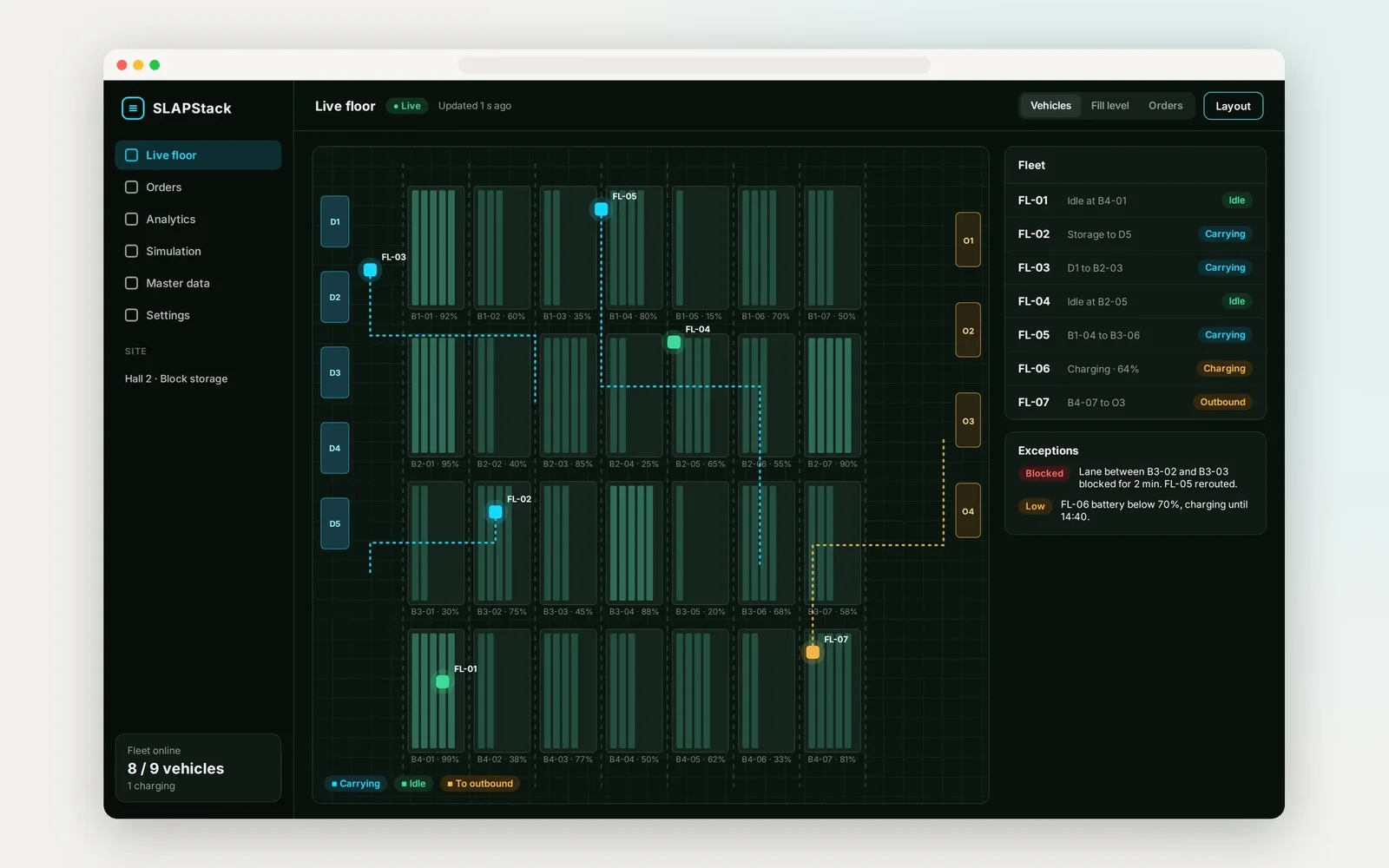
Live Warehouse Map
A D3 layout map tracks where each vehicle is and how it moves, in real time.
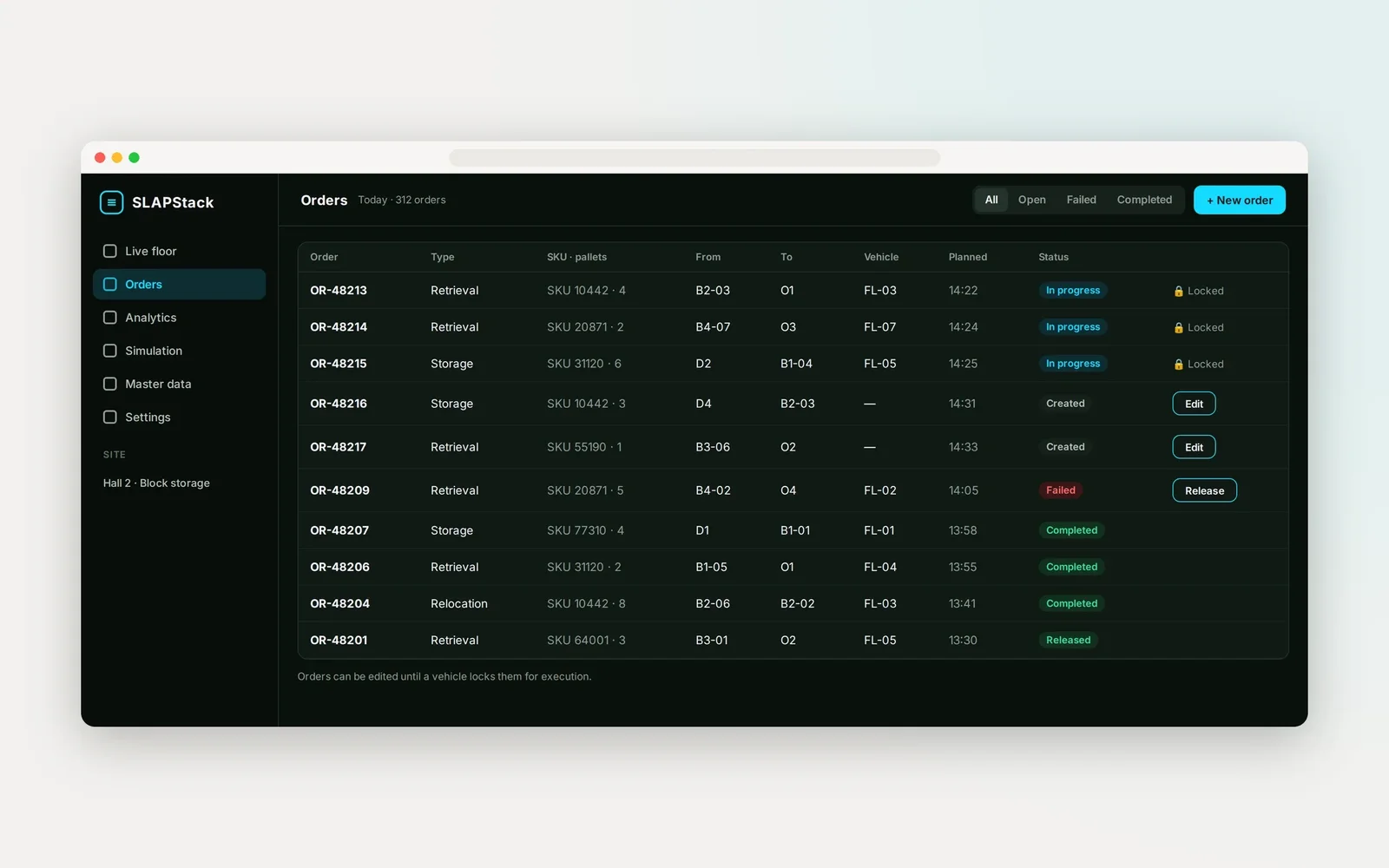
Order and Inventory Management
Order status from creation through completion, failure or release. Editing is allowed until an order locks for execution.
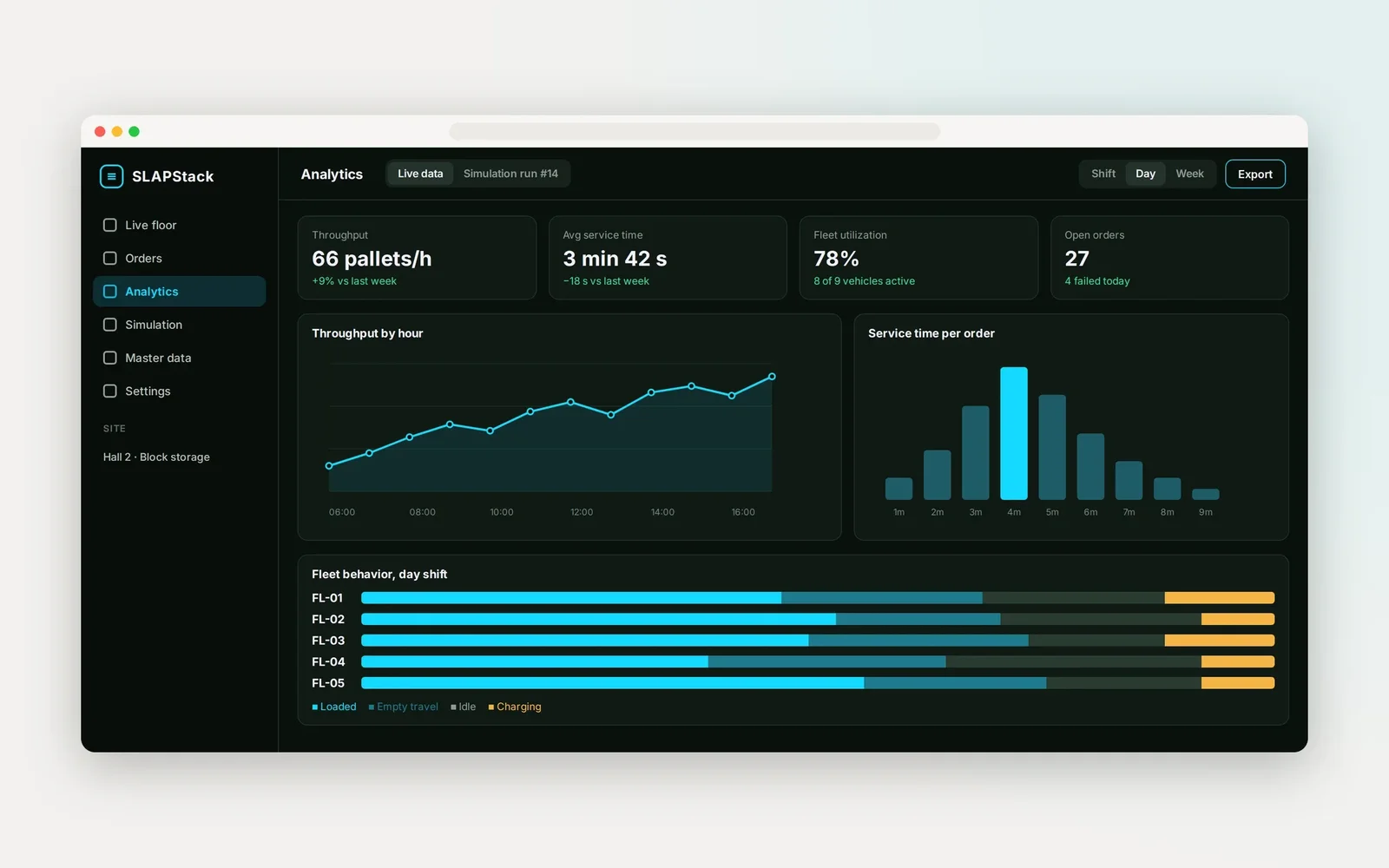
Analytics Dashboard
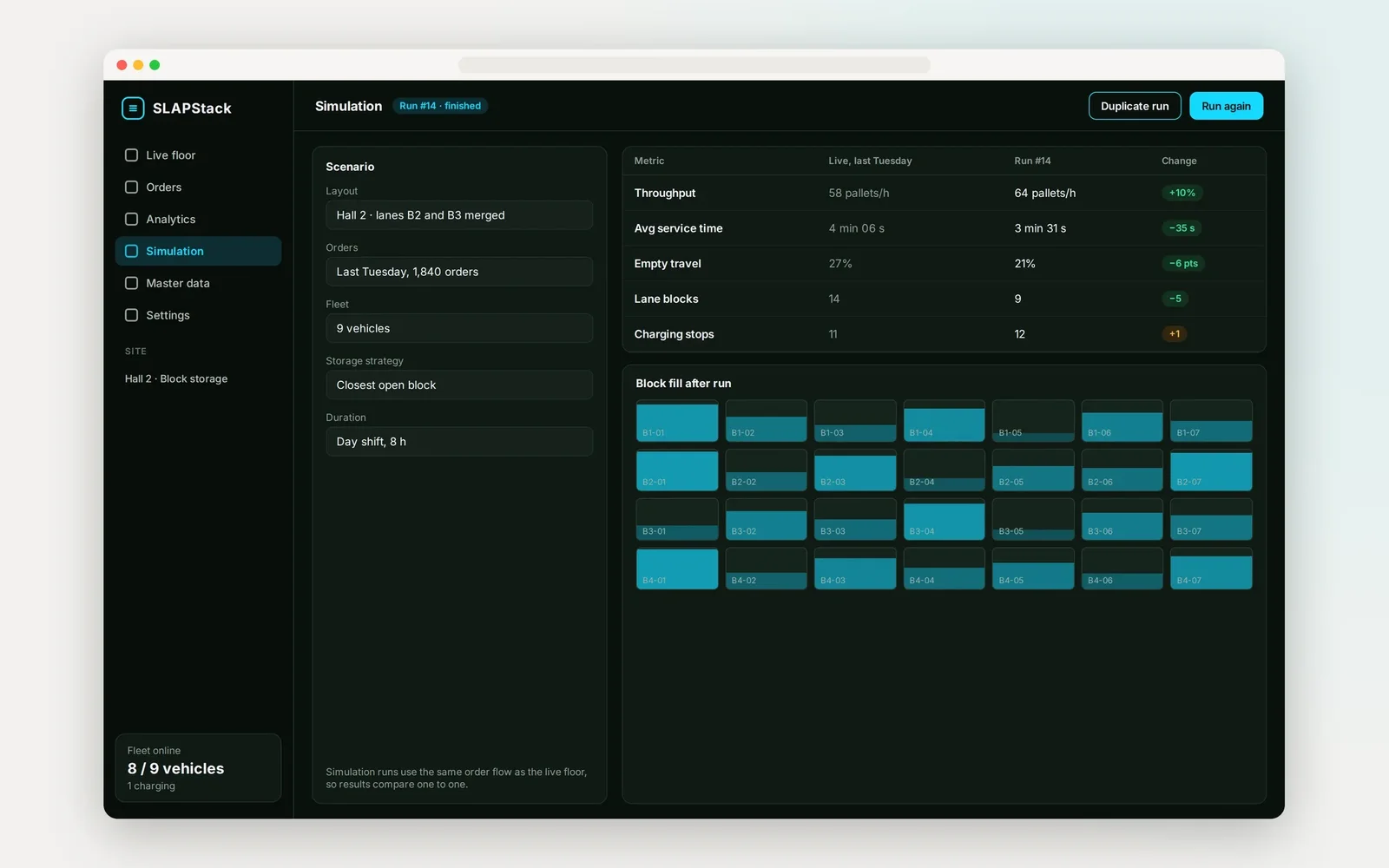
Throughput, service time and fleet behavior in charts that work on live operations and on simulation runs.
Shared Component Library
Reusable React components replaced hand-rolled server-rendered pages. New screens cost far less than the old ones did.
Production Design System
AI concept mockups grown into a Figma design system, a visual standard for the rewrite.
Phase Two Scope
Order scheduling, master data, map and slider fixes, and usability work. It runs on the client's new FastAPI backend and monorepo.
What Runs Without Anyone Pressing a Button
The work the console does while operators watch the floor.
Vehicle Positions Update Live
The map tracks every vehicle's position and movement in real time.
Order Status Moves With the Floor
Each order's status updates from creation through completion, failure or release.
Orders Lock for Execution
Once an order locks for execution, edits stop.
Charts on Live and Simulated Runs
The same charts read live operations and simulation runs.
What Changed Without the Floor Stopping
What the AGV software operator interface was, and what it became.
Warehouse Hours Lost to a Full Rewrite
Replaces Hand-Rolled Pages, Screen by Screen
Orders Lock Before a Vehicle Runs Them
The Same Client Came Back for Phase Two
The Stack Behind the AGV Software
 React
 TypeScript
 D3.js
 Python
 FastAPI
 Figma
 SCSS
Two Phases, a Year Apart
Design System
Shared Component Library
Live Warehouse Map
Order and Inventory Management
Analytics Dashboard
Phase One Close
Phase Two Reopened
Ongoing Fixes and Usability
Where Warehouse Control System Software Fits
Industries where people run a physical operation through software that must stay on.
Logistics & Warehouse Automation
Operator interfaces for autonomous fleets, industrial integration and systems rebuilt without taking a working site offline.

Retail & E-Commerce
Recommendation engines, retail media platforms and the billing accuracy that decides whether store partners stay.
Solutions Built Into Slapstack
The new operator console arrived screen by screen on a live backend. Four Hygge solutions run in the forklift fleet software operators use now.
Warehouse Management System Development
The screens a warehouse runs on: floor map, orders and stock. Each was rewritten while every warehouse stayed online.
- 0Warehouse hours lost to a full rewrite
- 1 libraryReplaces hand-rolled pages, screen by screen
- 1 year onThe same client came back for phase two
Inventory & Fleet Management Software
Orders tracked from creation to completion, failure or release. Edits close once an order locks to run.
- Edit-lockOrders lock before a vehicle runs them
- 4 statesCreated, completed, failed or released
- LiveStatus updated as the floor moves
Remote Monitoring Platform
The live map operators watch: storage areas, lanes, docks and the position of every vehicle in real time.
- LiveFleet position as it moves on the floor
- D3Kept for the map, inside a React component
- 1 mapEvery lane and vehicle on one view
Business Intelligence & Reporting
The dashboard shows throughput, service time and fleet behavior, for live work and for test runs.
- 2 sourcesLive operations and simulation runs
- ThroughputService time and fleet behavior in the same charts
- BeforeChanges tested in simulation before the floor
More Products Hygge Has Shipped
Other systems Hygge changed while people kept working in them.
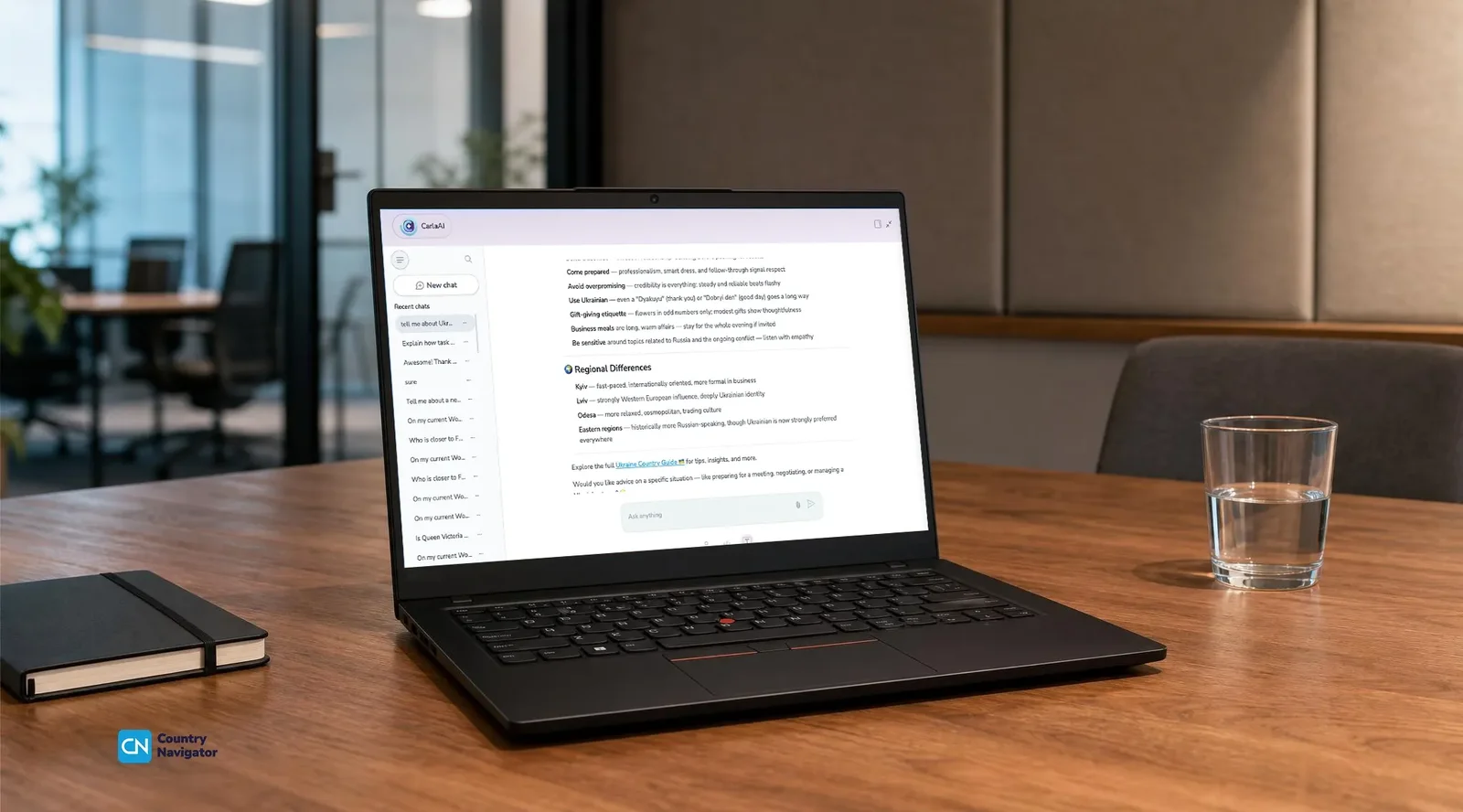
Country Navigator
A ten-year-old cultural intelligence training platform rebuilt into services. Enterprise customers kept working through a zero downtime migration.
- 0Downtime moving a ten-year-old platform
- 1 configReplaces the SSO setup only one person knew
- 10 yearsOf monolith rebuilt into services
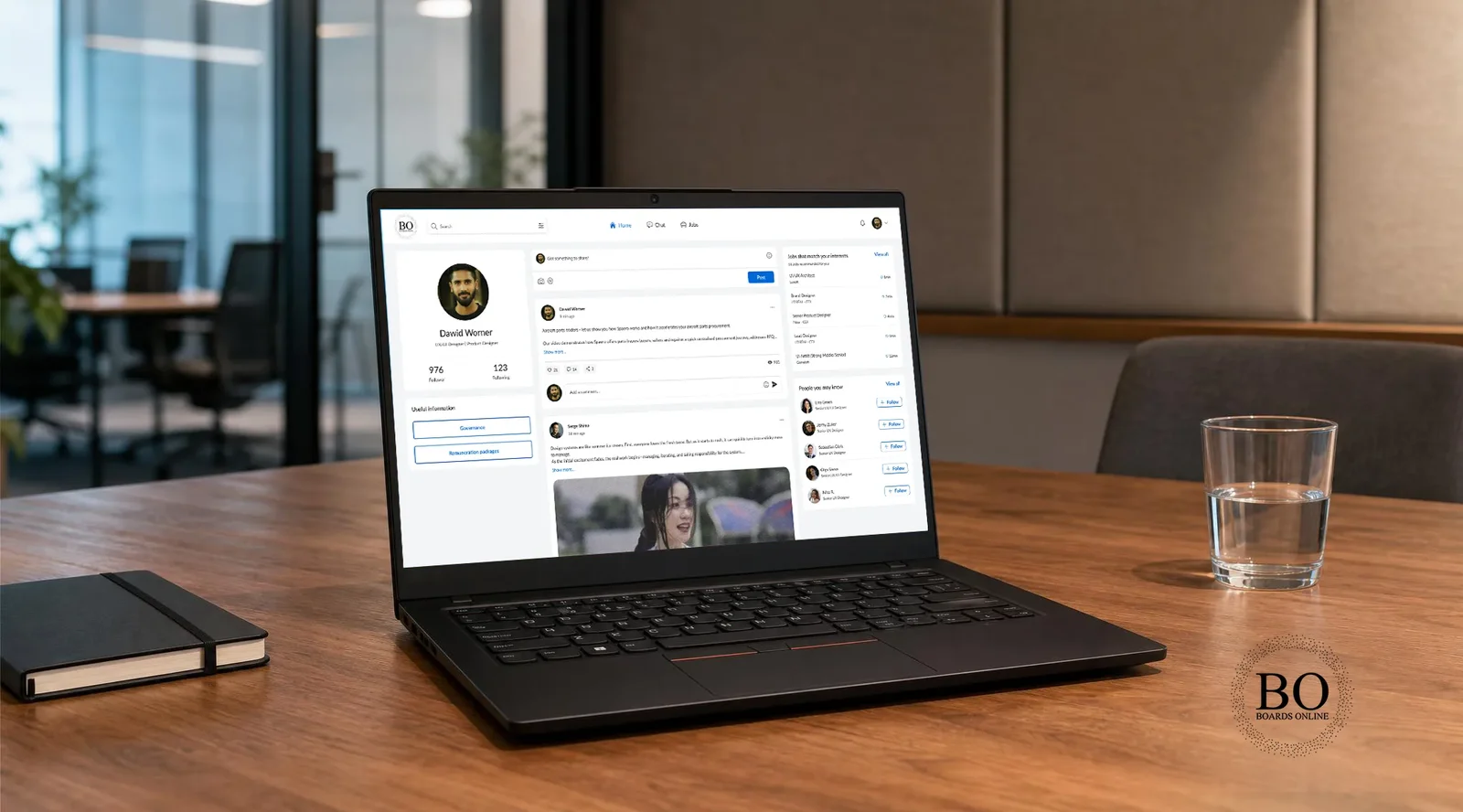
BoardsOnline
A founder paid for a platform reported as done. Engineers checked every feature, and the rebuild started from what worked.
- 3 verdictsFor every feature reported as done
- 6 monthsFrom the audit to a tested, live platform
- 1+ yearOf support after the contract ended
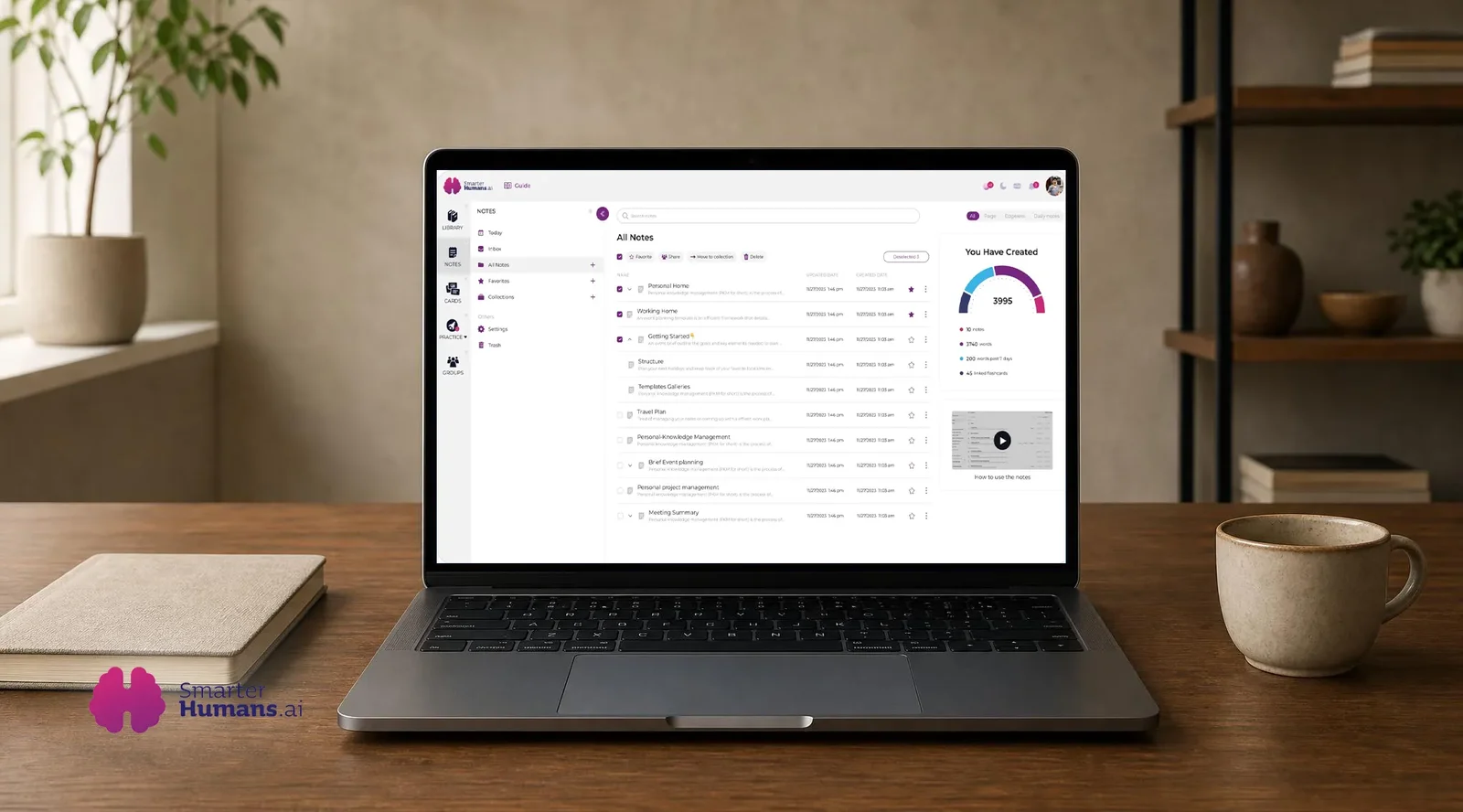
Smarter Humans
A spaced repetition app built by the same team since 2019. About a million users moved to the rebuilt system with zero downtime.
- 93 %Cut off a 20-second document load
- 1 uploadReplaces the card writing people quit over
- 7 yearsOn one product with the same team
WCS Software: Questions Buyers Ask
 How do you rewrite a frontend without downtime?
Why React over the existing Flask and D3 setup?
What happened to the D3 visualizations?
Who was on the team?
Why did the client come back a year later?
Let's Build Something That Matters
We're your one-stop Digital Engineering Partner. Tell us the process, product, or data problem you're trying to solve, and Hygge scopes AI and software work around the business result you need.
Tell Us What You're Building
Share the product, process, or data problem behind the request, along with the systems, data, or timeline the build has to work around.
Get an Audit-Backed Consultation
Hygge reviews the systems and data behind the request, so the first call opens with real specifics on the table.
Receive a Scoped Proposal
A plan with the approach, team, timeline, and cost, built around the business result the project needs to hit.