
Custom Sales CRM for PlayFusionLabs
The studio sells game development through LinkedIn outreach to thousands of studios. Before each message, someone checked the studio's site, news, team size and engines by hand. Follow-ups lived in memory, so warm replies cooled while the team chased new contacts. Money sat in spreadsheets, and boxed CRMs charged per seat with no field for an engine. We built one CRM where an agent researches companies and a person approves what goes in. Today lists who is due a ping, and finance sits in the same database. It reached daily use in about two months and has shipped 150+ releases since.
Losing Warm Leads Between Spreadsheets?
If you doubt a boxed CRM will ever fit your pipeline, we start with a map of how your team sells today. You see what the CRM takes over, with the scope and price.
What Slowed the Studio Down
What the team worked around every day before the CRM.
Research Before Every Message
Someone checked each studio's website, news, team size and engines by hand before writing a line.
Team Sizes From Guesswork
LinkedIn size ranges put small and mid-size studios in one bucket, so offers missed the team they were sent to.
Stages That Drifted From Reality
Lead stages changed when someone remembered. Contacts marked as connected sat for weeks without a first message.
Follow-Ups Left to Memory
There was no list of who was due a ping today, so warm replies cooled while the team chased new contacts.
Money Kept Apart From Sales
Invoices, payouts and margins lived in spreadsheets. The leads and proposals behind the money were elsewhere.
Seat Prices and Generic Fields
Boxed CRMs charged per user and had no place for platform, engine or release status.
The Challenge
PlayFusionLabs sells game development to studios and publishers worldwide, mostly through LinkedIn outreach. Company research, contacts, pings, replies and project money lived in different places. Each message started with manual research. Team sizes came from LinkedIn ranges, and follow-ups lived in memory. Boxed CRMs charged per seat and had no fields for platforms, engines or release status.
Research, outreach and money sat in different tools. No single view showed where each studio stood.
Our Solution
We started with the data model: platforms, engines, release status, exact headcount with its source, and a tier with its reason. Research moved to an agent. Its results wait for the owner's approval, so the database holds only what a person confirmed. Today builds the daily plan from overdue pings and fresh replies. Autopilot handles overdue pings and cleanup every half hour. Finance lives in the same database. Since launch the CRM has shipped 150+ releases, most asked for in one sentence by the person using it.
The CRM grew one working part at a time, each live the week it was ready.
How the Custom CRM Solves It
Each card answers one problem above.
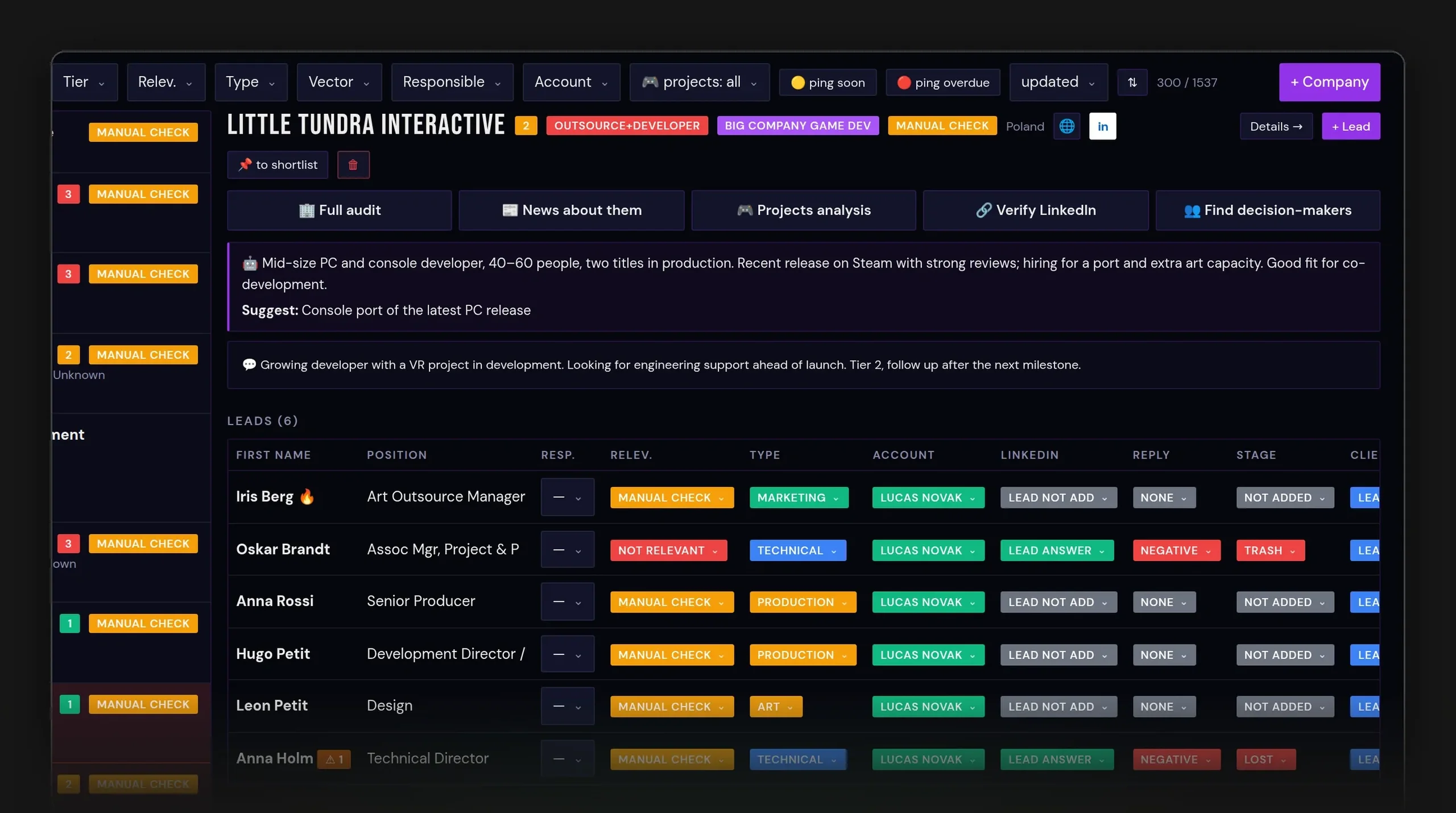
One Click Audits a Studio
The agent checks the website, news, team size, platforms and engines, then proposes a tier with the reason.
Exact Headcount With a Source
Each company keeps an exact team size and where it came from, so an offer fits the team.
Activity on One Card
Pings, replies and sentiment sit on the lead card. Autopilot clears stale records every half hour.
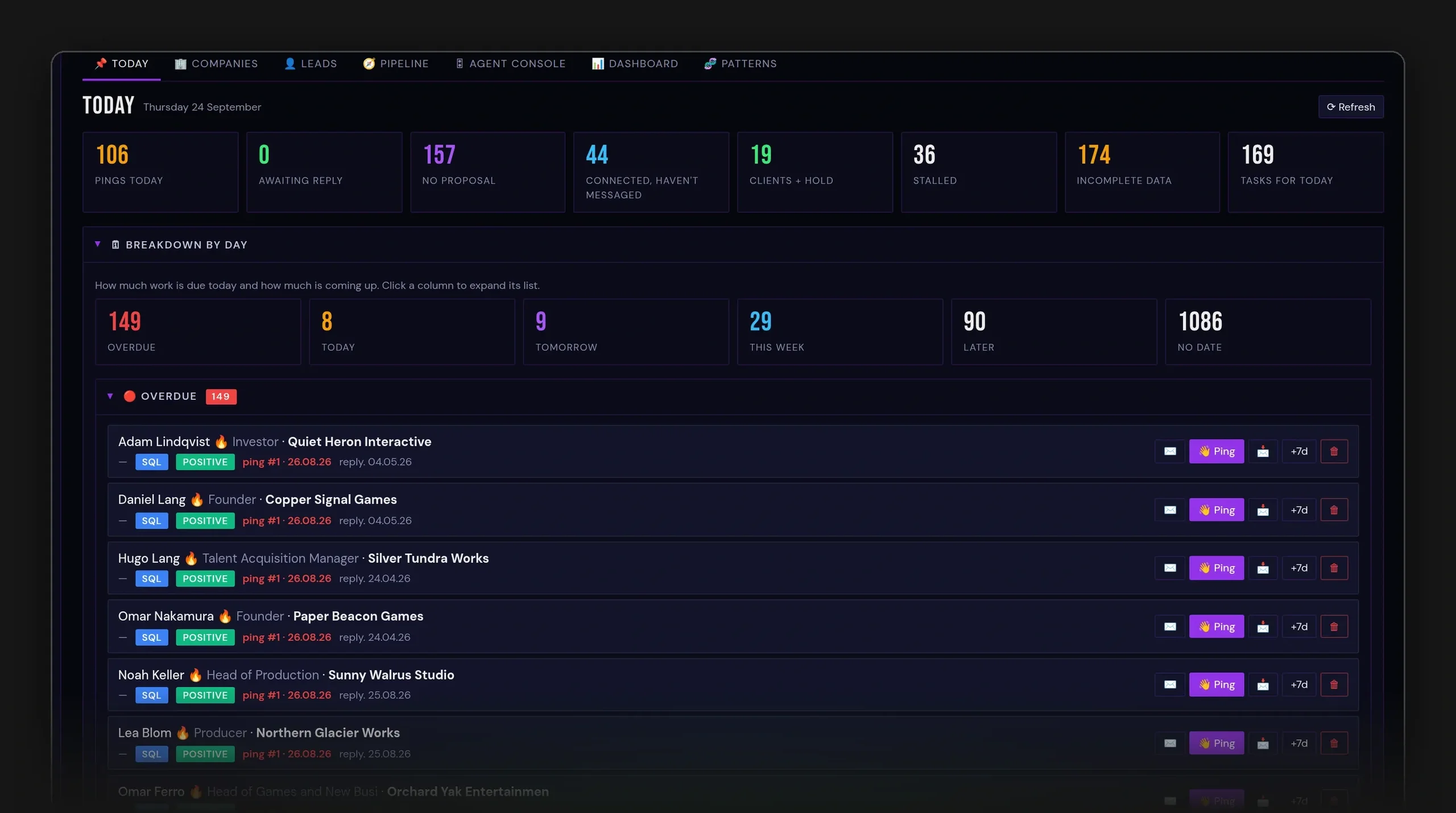
A Daily List of Who to Ping
Today builds the plan from overdue pings and fresh replies, so a warm reply gets an answer first.
Money Next to the Deal
P&L, invoices, payments and payouts sit beside the leads and proposals that brought the money.
A Login for Each New Person
A new person gets a login and a role. Fields for platforms, engines and release status are built in.
What the PlayFusionLabs CRM Does
Every card is a working part of the system the studio opens every day.
Company Research
One click sends the agent to audit a studio: website, news, team size, platforms and engines, with a tier and the reason for it.
Lead Search
Finds decision-makers at a company, checks each profile and adds them with role, type and status.
Base Collection
Imports from spreadsheets and CSV with a preview, duplicate checks and a history of every import.
Base Analysis
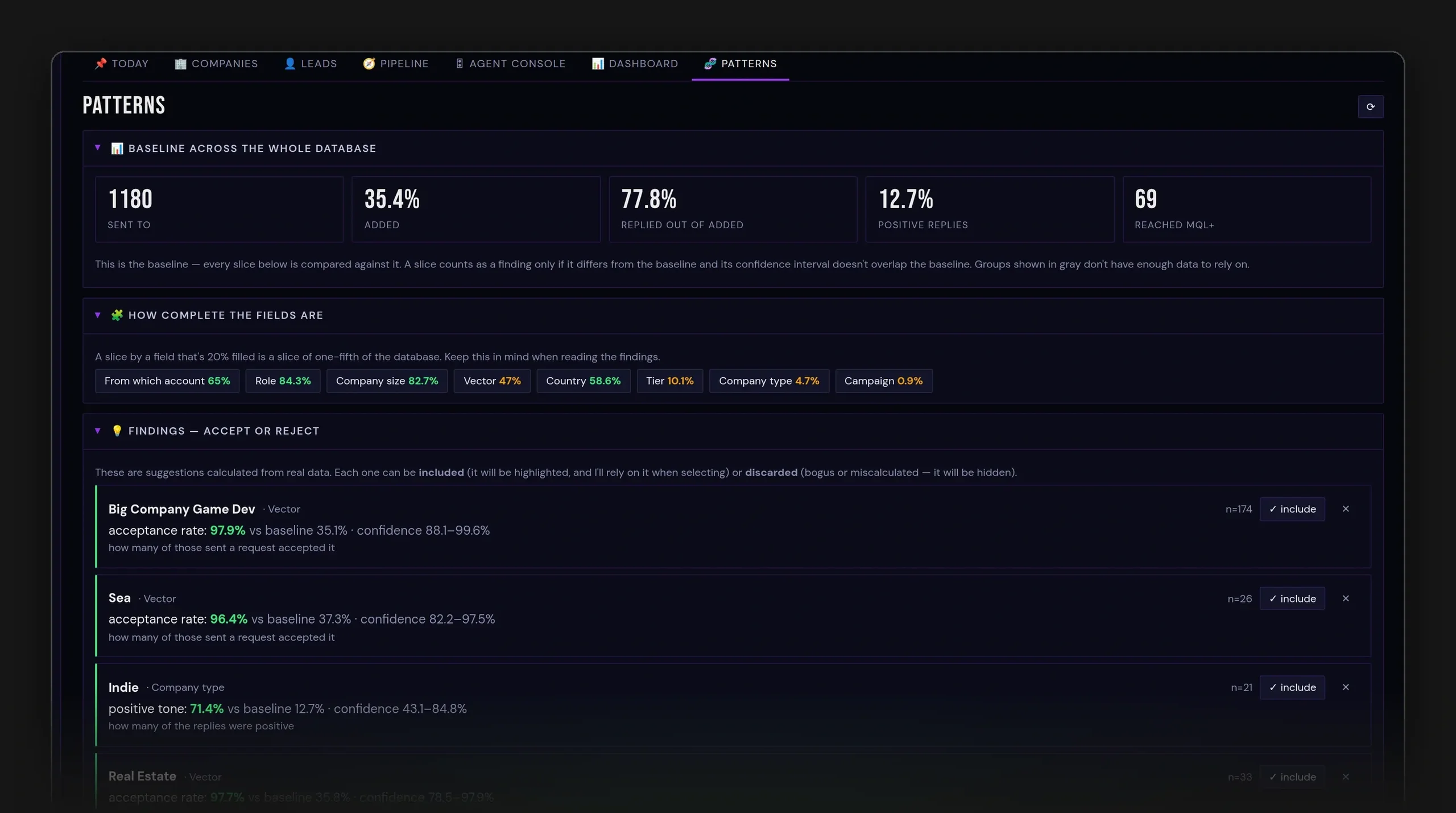
Compares each slice of the base with the baseline. It shows which segments reply, accept and convert.
Projects Across Platforms
Tracks each studio's games by platform, engine, genre and release status. The offer matches what they ship.
Proposals
Drafts a proposal for a lead from the studio's projects and the service that fits, then sends it for approval.
Client Management
The pipeline from first contact to won, with pings, replies and sentiment on one card and a daily plan in Today.
Project Management
A projects grid, a project pipeline and a task board, linked to clients and people.
Finance
P&L by month and project, invoices as PDF, payments, payouts, expenses and account reconciliation.
People, Access and Settings
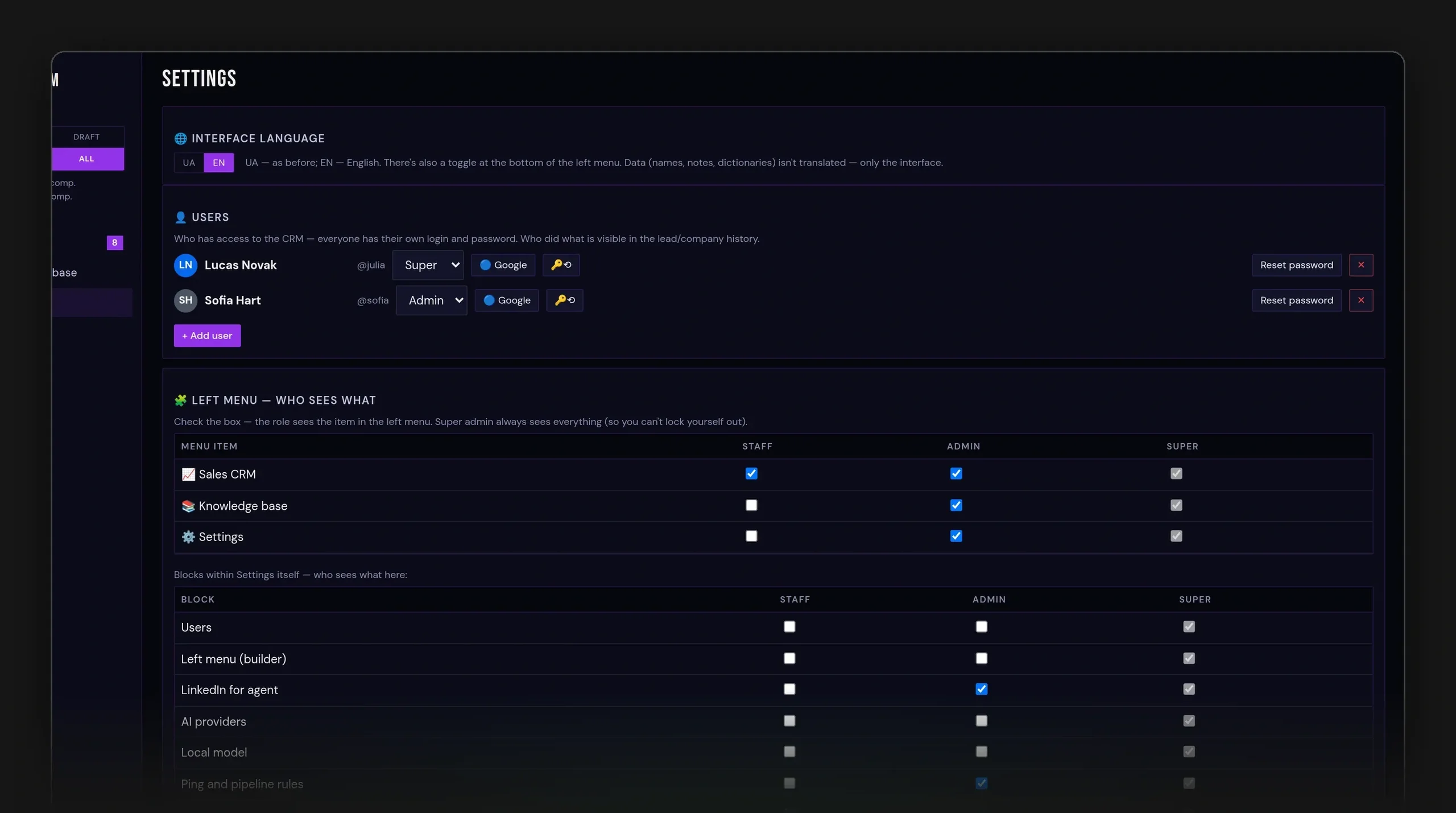
Roles for staff, admins and owners, a menu per role, finance for the owner only, dictionaries and backups.
Internal Assistant
A chat inside the CRM that answers from the database and analyses any company or lead on request.
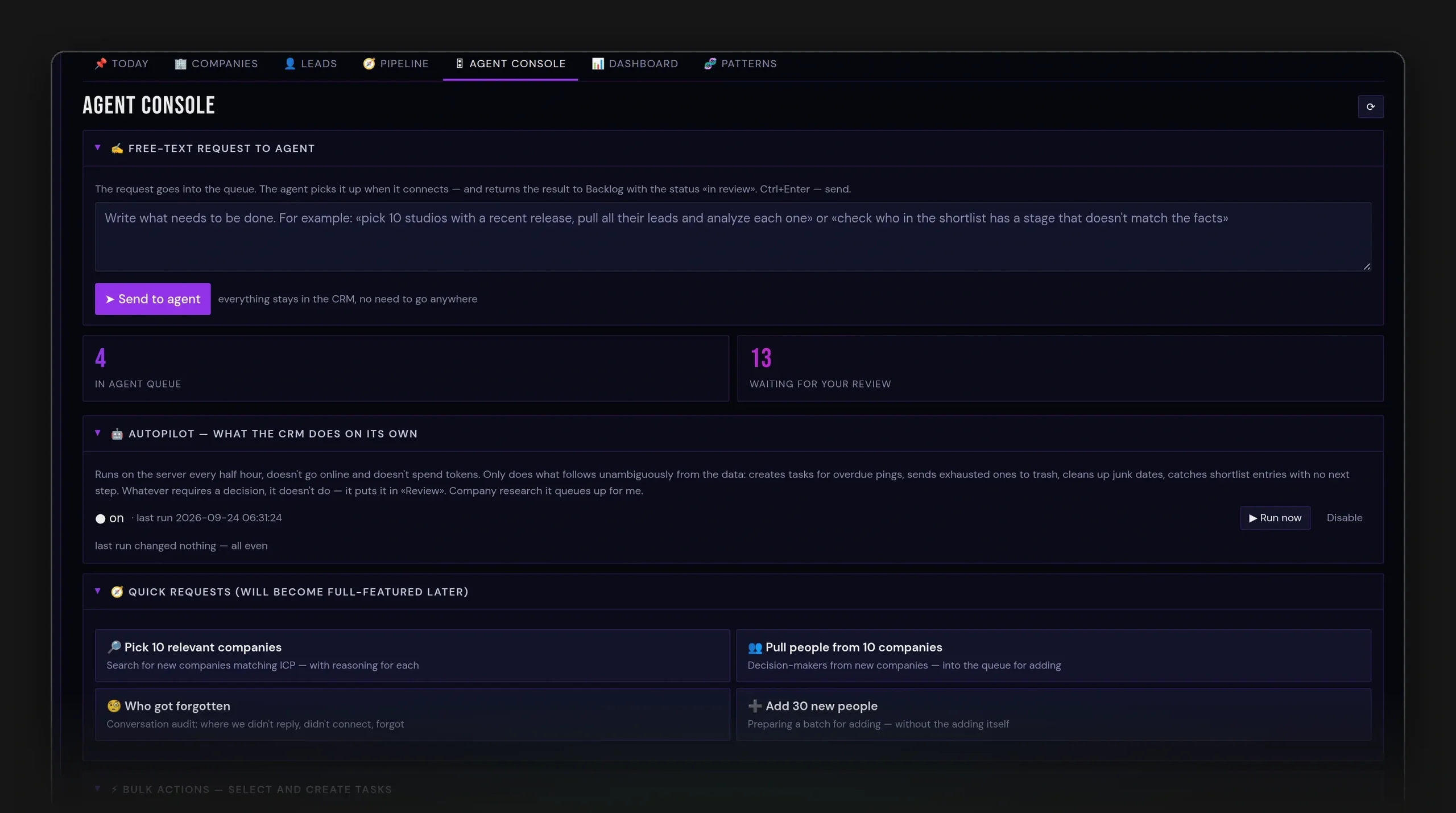
External Agent and Autopilot
An outside agent picks up queued tasks and returns results for approval. Autopilot works on overdue pings and cleanup every half hour.
What Runs on Its Own
What the sales CRM handles without anyone stepping in.
Autopilot Every Half Hour
Autopilot works through overdue pings and record cleanup every 30 minutes.
The Daily Plan Builds Itself
Today lists overdue pings and fresh replies, so the team starts from who needs an answer.
Agent Results Wait for a Person
The outside agent returns results to a review list. Nothing reaches the database before someone confirms it.
What the CRM Changed for the Studio
The numbers behind the build and the way the studio works now.
From First Call to Daily Use
Releases Since Launch
For Sales, Projects and Finance
In Per-Seat Licences
The Stack Behind the PlayFusionLabs CRM
 Python
 FastAPI
 SQLite
 WebSockets
 Anthropic Claude API
 OpenAI API
 Llama
Llama Playwright
 GitHub Actions
About Two Months to Daily Use
Step 1 - Sales Process and Data Model
Step 2 - Companies, Leads and Pipeline
Step 3 - Research Agent and Approvals
Step 4 - Proposals and Base Analysis
Step 5 - Finance
Step 6 - Launch and Weekly Releases
Industries We Serve
Industries where a team sells through research and outreach. Leads, proposals, projects and money need one system.
Sales & Marketing Technology
Prospecting and outreach platforms where automation has to look human enough that the platform it runs on does not object.

Media & Entertainment
Marketplaces, real-time video and collectibles platforms built for audiences who will leave at the first confusing screen.

Solutions Behind the PlayFusionLabs CRM
The Hygge solutions this build draws on.
CRM Development
A custom CRM where an agent researches companies and Today lists who to ping next.
Business Process Automation
Research, follow-ups and pings move forward without anyone tracking them in a spreadsheet.
More Products Hygge Has Shipped
Hygge's own presale, lead generation and HR systems, plus client platforms built the same way.
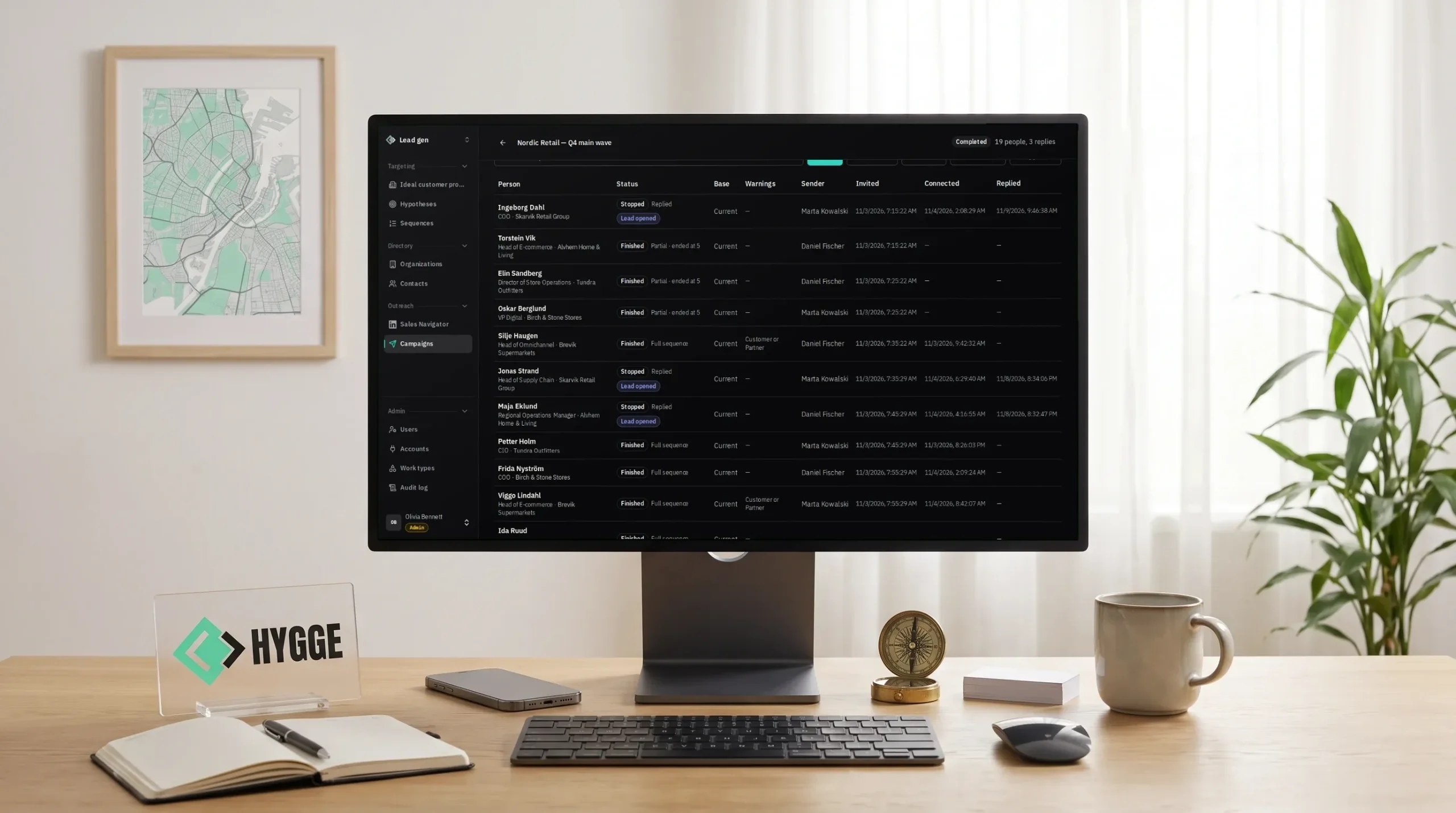
Hygge Lead Generation
Hygge's own outbound platform, where only approved hypotheses run campaigns. Every reply traces back to the targeting behind it.
- 5 toolsReplaced by one platform
- 0Scripted messages sent after a reply
- Every leadTraced to its hypothesis
- Per accountDaily and weekly sending limits
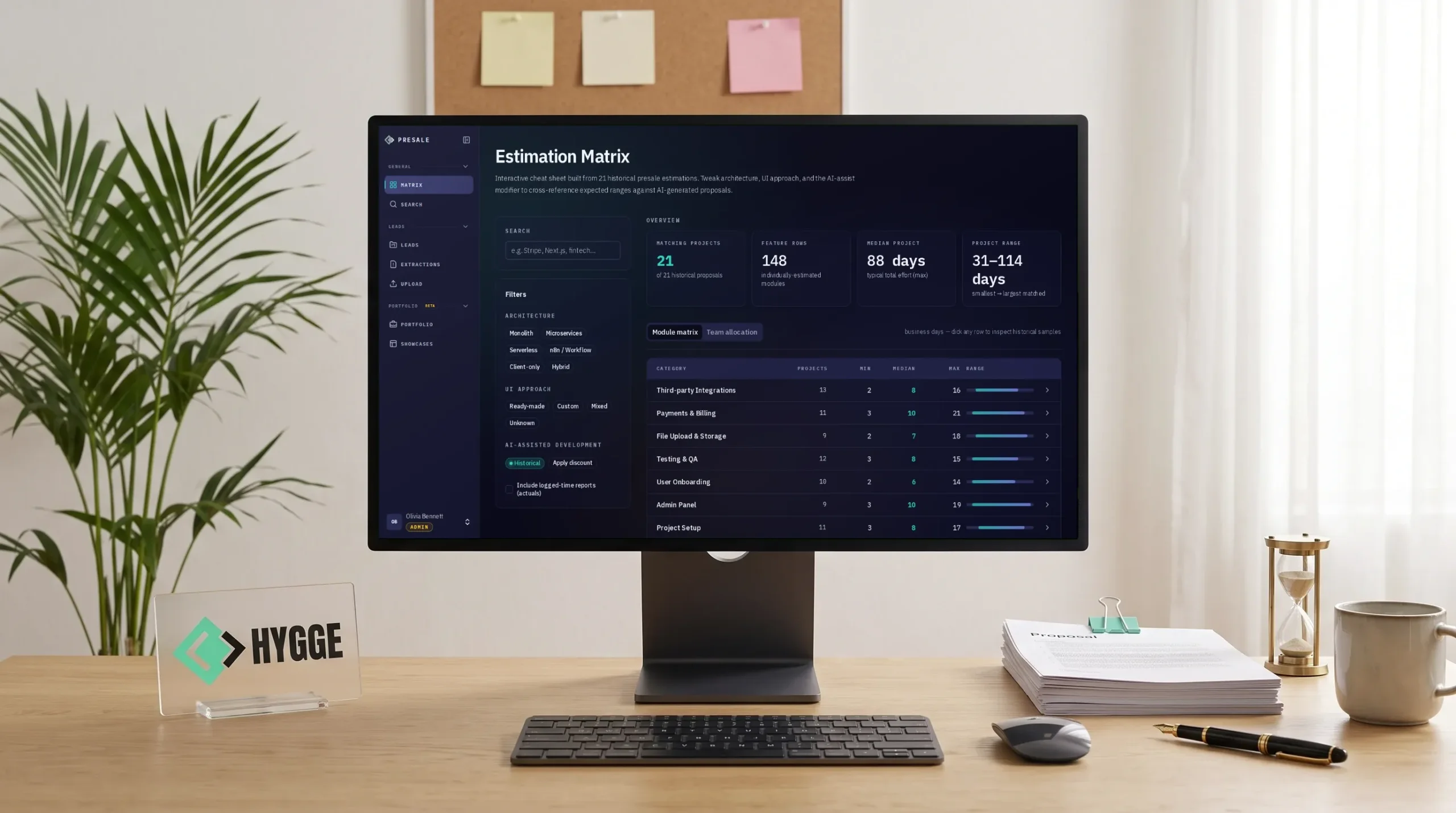
Hygge Presale
Hygge's own presale workspace, where an AI agent drafts estimates from past deals. People approve them, and every proposal feeds the next.
- 6 sub-statusesDrive each pipeline stage
- Every moduleAnchored to evidence
- 5 formatsFrom one approved deck version
- 3 modesOf case disclosure, enforced
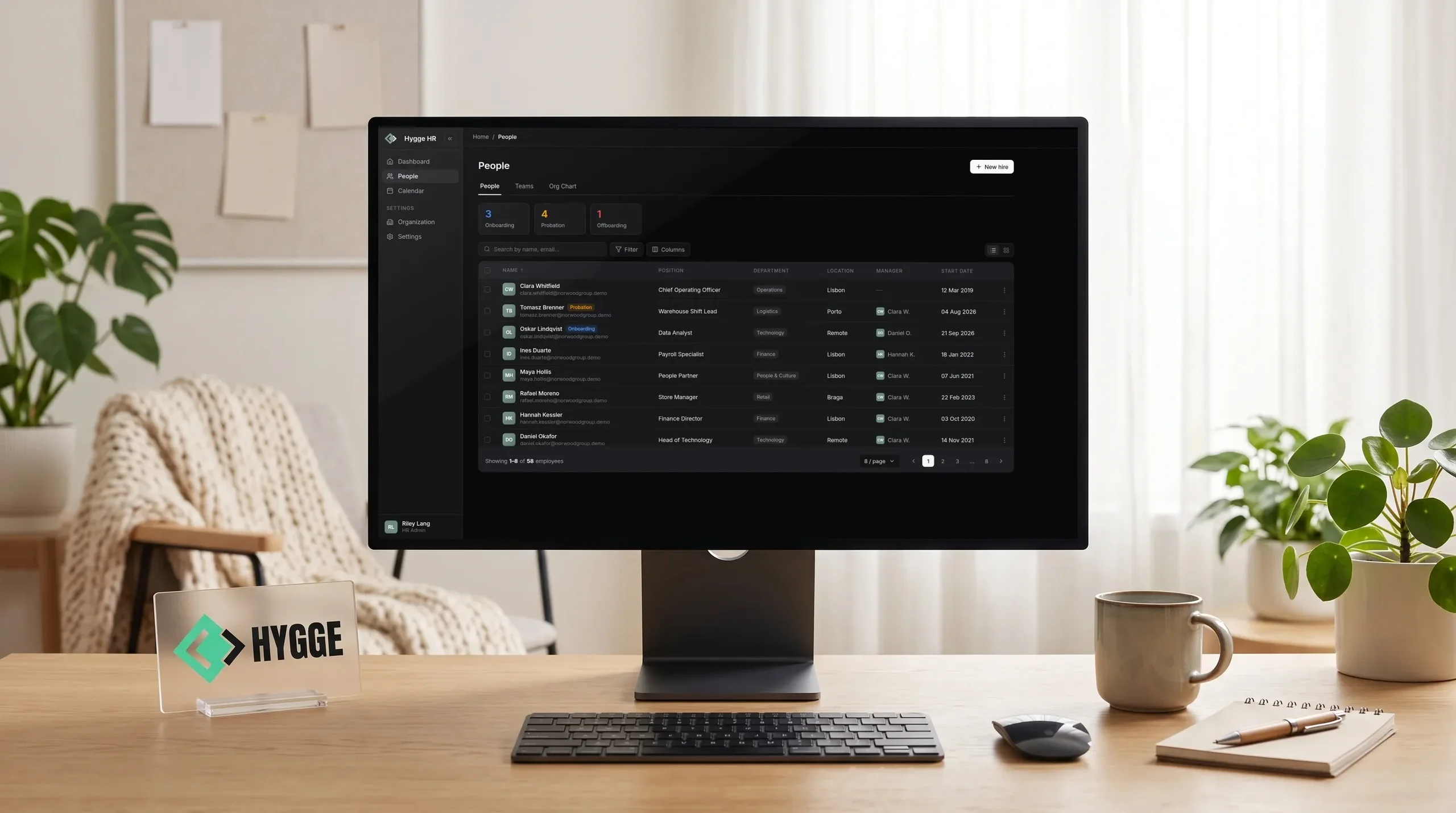
Hygge HR
Hygge's own HR platform: people, time off, hiring and projects in one system. Balances, reminders and pay history update every night.
- 0Manual balance recalculations
- 3+ yearsTenure days added on their own
- 1 platformFor people, time off, hiring and projects
- Any dateRole and pay history on record
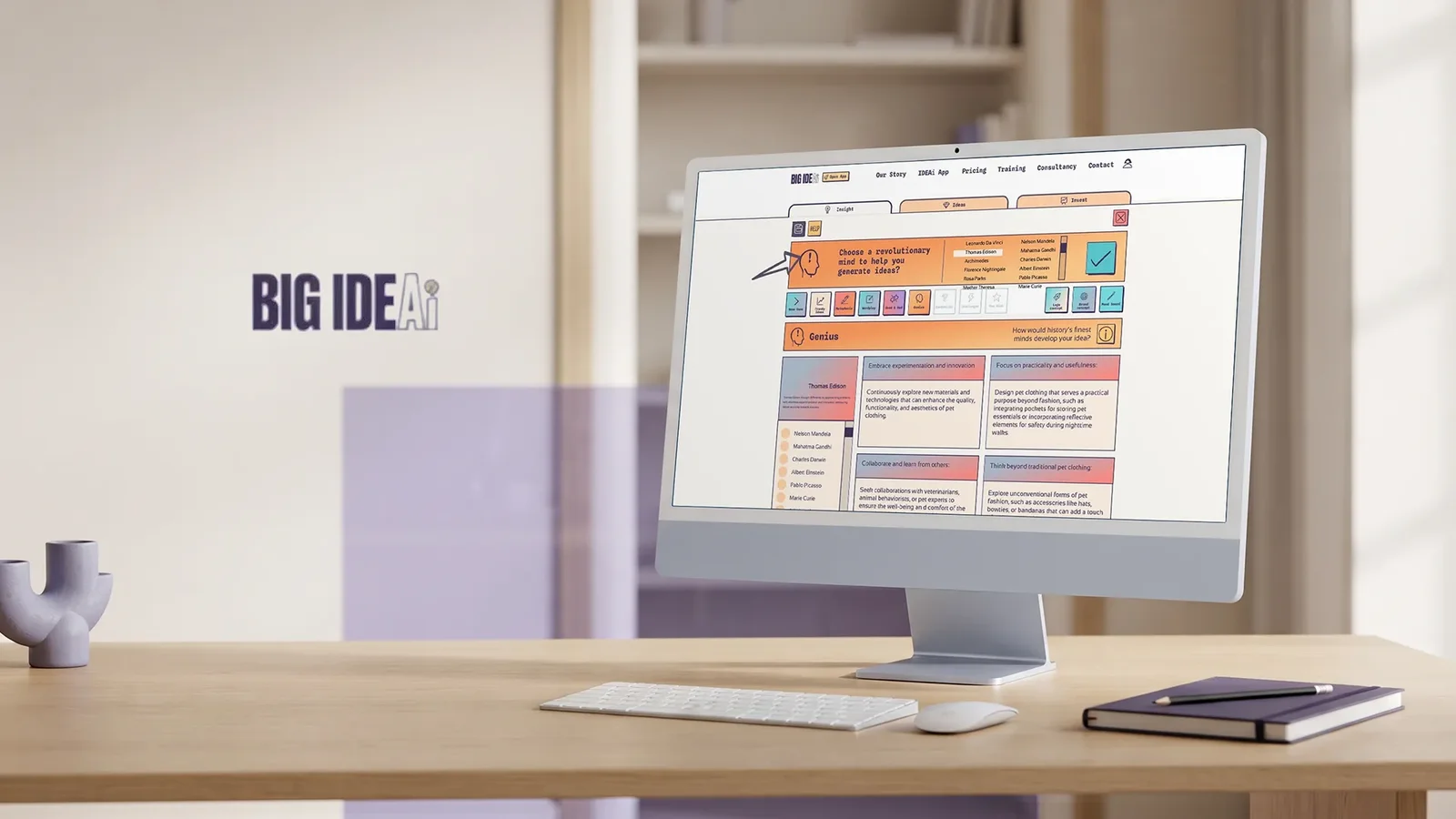
CreAItivity
Creative agency software that runs a UK agency's ideation method without a facilitator, now in its third year.
- 36 widgetsCarry a method that needed a facilitator
- 20+ yearsOf agency practice turned into software
- 3rd yearOn the architecture chosen at the start
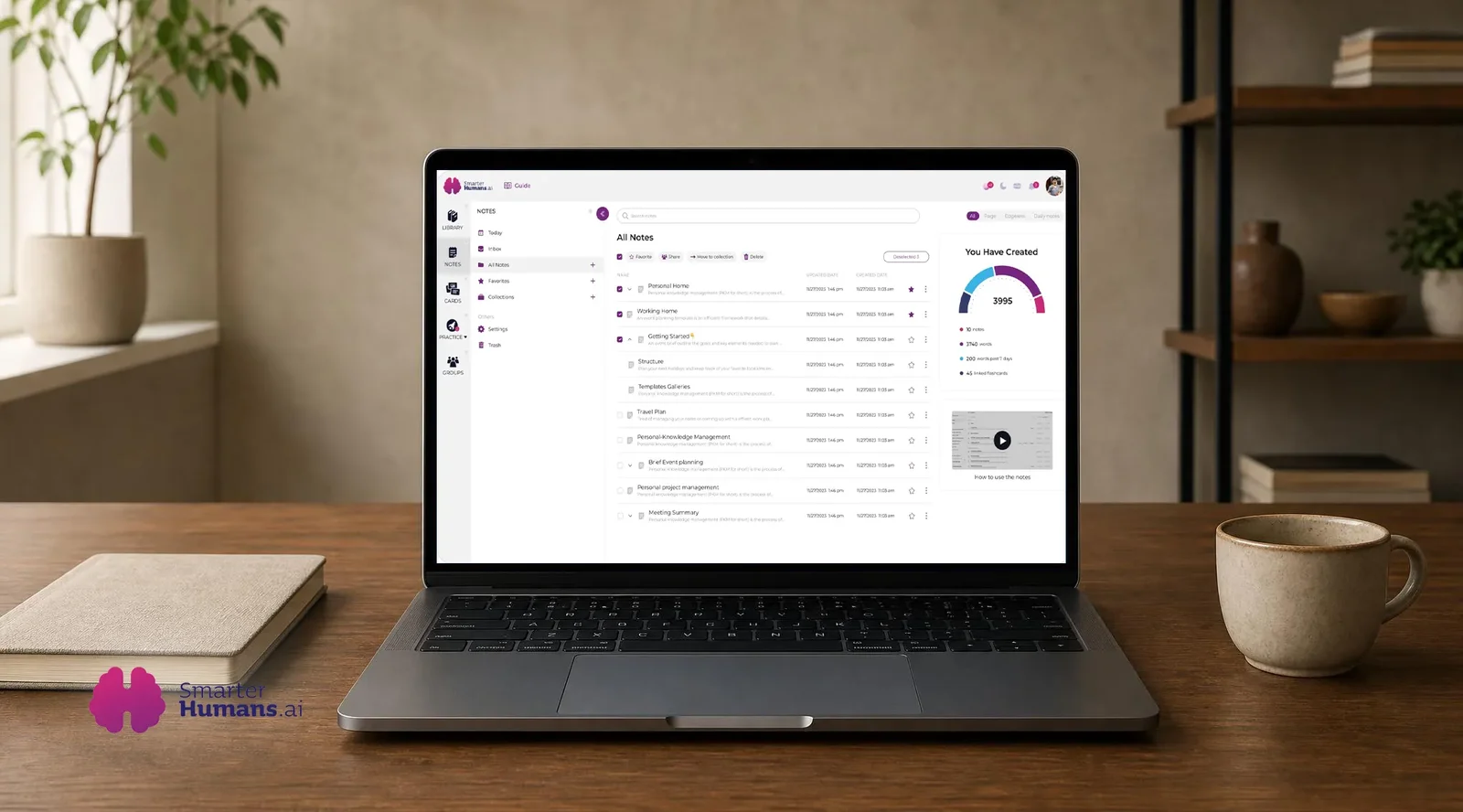
Smarter Humans
A spaced repetition app built by the same team since 2019. About a million users moved to the rebuilt system with zero downtime.
- 93 %Cut off a 20-second document load
- 1 uploadReplaces the card writing people quit over
- 7 yearsOn one product with the same team
Custom CRM Development: Questions Buyers Ask
 How long did it take to build the CRM?
What does the agent do on its own?
What if our process changes after launch?
Who can see the finance module?
Which AI models does the CRM use?
Let's Build Something That Matters
We're your one-stop Digital Engineering Partner. Tell us the process, product, or data problem you're trying to solve, and Hygge scopes AI and software work around the business result you need.
Tell Us What You're Building
Share the product, process, or data problem behind the request, along with the systems, data, or timeline the build has to work around.
Get an Audit-Backed Consultation
Hygge reviews the systems and data behind the request, so the first call opens with real specifics on the table.
Receive a Scoped Proposal
A plan with the approach, team, timeline, and cost, built around the business result the project needs to hit.