
Custom Grocery Delivery App Development for Stores and Couriers
Hygge Software is a grocery delivery app development company that builds the customer app, courier app, store panel and admin panel on one platform. We work with supermarket chains and local stores, delivery startups, multi-store marketplaces and wholesale suppliers in the US and Europe. You get a build on your own phone within 2 weeks and a new one every week after.
Mobile Delivery in Numbers
Numbers from how Hygge builds and ships mobile apps, the base every grocery platform starts from.
Grocery Delivery App Development Services
Each service can be ordered on its own or as one project. Most grocery clients start with discovery, because the first release decides which roles and stores go live first.
Product Discovery
We define the business model, the roles, the first-release features and the stores that go live first. You get a scope and a price before development starts.
- Business model and roles mapped
- First-release features agreed
- Scope and price before the build
Mobile App Development
Custom grocery app development: the customer and courier apps for iOS and Android from one codebase, plus the store and admin panels.
- One codebase for iOS and Android
- A build on your phone in 2 weeks
- Store and admin panels on the same platform
UI/UX & Product Design
Interfaces built for fast search, a quick basket and one-tap reorders, and a courier screen readable on the move.
- Search and basket designed for repeat shopping
- One-tap reorder
- Courier screens for one-handed use
System Integration
Catalog, prices and stock pulled from your store system or POS, so the app sells what is on the shelf.
- Catalog and prices synced from your store system
- Stock updated as items sell
- Orders passed back to the store
Support & Maintenance
New features, monitoring and app store updates after launch.
- Crash and performance monitoring
- App store releases handled
- New features shaped by first-order data
What a Grocery Delivery Platform Includes
On-demand grocery delivery app development covers four roles on one platform. Each one has its own app or panel, and all four read the same orders and stock.
Customer App
Where shoppers find products, fill a basket and follow the courier.
- Catalog and search
- Basket with substitutions
- Delivery slot choice
- In-app payment
- Live courier tracking
- Reorder and notifications
Courier App
Where couriers pick up orders and deliver them.
- Order assignment
- Route to the customer
- Proof of delivery
- Chat or call with the customer
- Shifts and payouts
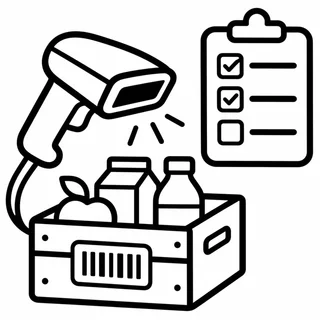
Store & Picker Panel
Where store staff assemble each order.
- Order queue
- Picking list
- Substitutions when an item is out
- Stock and price updates
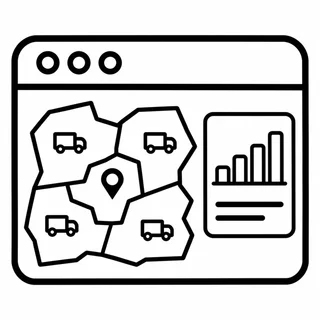
Admin Panel
Where your team runs the platform.
- Stores and couriers
- Delivery zones
- Promotions and commissions
- Reports
Core Features of an On-Demand Grocery Delivery App
These are the features that set grocery apart from a regular online store, and where on-demand grocery delivery mobile app development spends most of its effort.
Real-Time Stock Sync
Store stock flows into the app as items sell, so a shopper cannot order what is already gone.
Substitutions With Consent
When an item is missing, the picker offers a replacement and the shopper approves or declines it in the app.
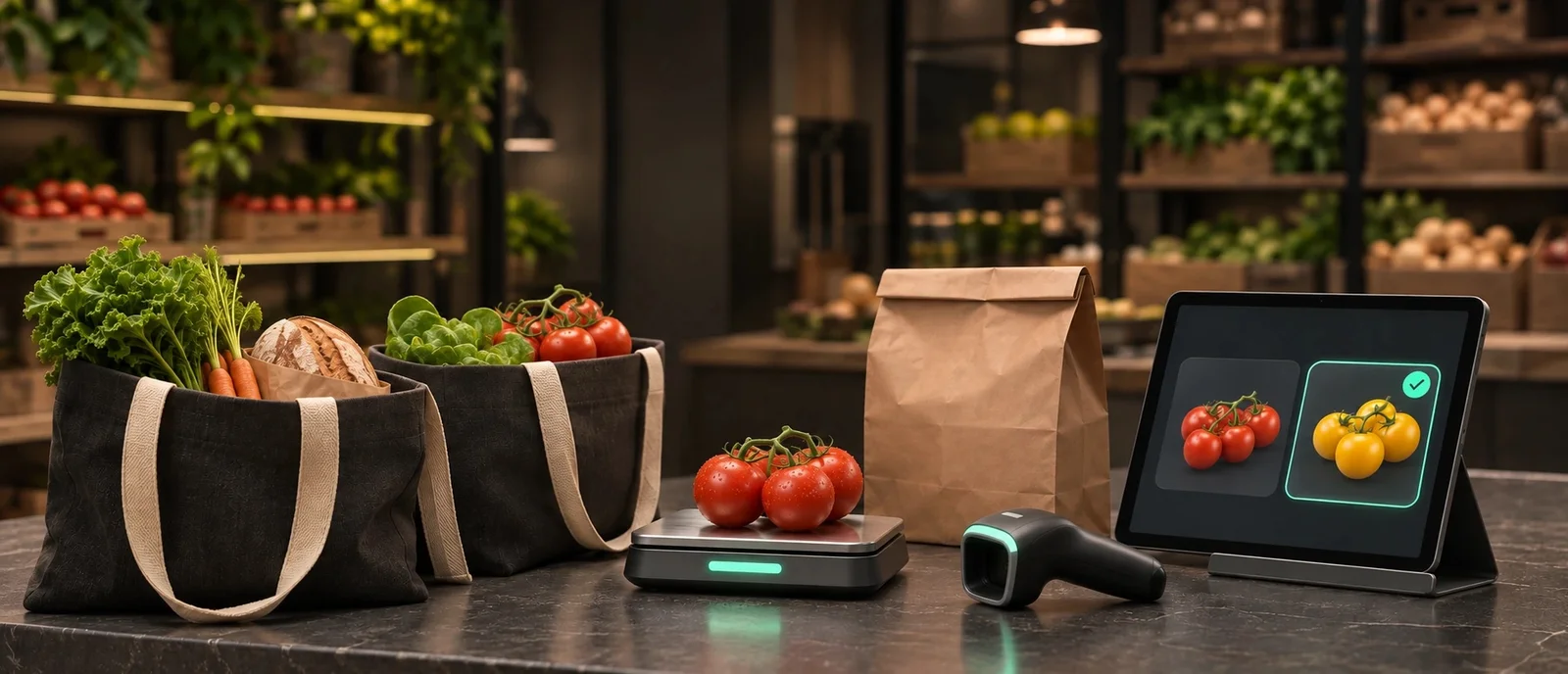
Weight-Based Items
Fruit, meat and cheese sold by weight, with the final total recalculated after picking.
Delivery Slots & Zones
Delivery windows, zones and an order limit per slot, so the store never promises more than it can pick.
Courier Dispatch & Live Tracking
Orders assigned to couriers by zone and load, with the courier visible on the map until the door.
Payments & Refunds
Payment authorized at checkout, captured after picking, and the difference refunded automatically.
Loyalty & Promotions
Promo codes, discounts and a loyalty program set up from the admin panel.
Reports for Store Owners
Orders, delivery times and best-selling products by store and by zone.
Grocery Delivery Business Models We Build For
The four apps stay the same. What changes is who owns the stock and how the order reaches the door.
Single-Store or Supermarket Chain App
A branded app for your own stores or warehouse, with each store picking orders for its own zone.
Multi-Vendor Grocery Marketplace
Shoppers order from several local stores in one app, and each store gets its own panel, catalog and commission.
Quick Commerce & Dark Stores
Fast delivery from small warehouses close to customers, where picking speed and stock accuracy decide the delivery time.
Subscription & Scheduled Delivery
Repeat baskets on a fixed day, with subscriptions, skips and changes managed by the shopper.
Custom vs White-Label Grocery Delivery Apps
A white-label app is the faster start when your model matches its template. The table shows where the two diverge.
| Criterion | Custom App | White-Label App |
|---|---|---|
| Speed to launch | First release after discovery and an MVP build, with a build to try in 2 weeks | Live in weeks, once branding and catalog are loaded |
| Fit with your process | Built around your stores, picking and delivery model | Your process adapts to the template |
| Store system integration | Connectors written for your POS and stock system | Standard connectors, with gaps closed by hand |
| Fees and licenses | Build and support cost, with no per-order commission | Monthly fees or a commission on every order |
| Code and data ownership | Code and customer data are yours | Customer data held on the vendor's platform |
| Changing features | A new feature ships in your next release | Changes wait for the vendor's roadmap |
| Best fit | Several stores, own couriers, POS integration or a marketplace model | One store, a standard catalog and delivery through partners |
Our Grocery Delivery App Development Process
Grocery shopping delivery app development at Hygge runs in five stages. The durations below are a guide, and discovery sets the exact timeline for your stores and zones.
Discovery & Scope
2-3 weeksBusiness model, roles and first-release features agreed, with a fixed price for the build.
Design
2-3 weeksCustomer, courier and store interfaces designed as clickable flows you can try.
MVP Build
6-10 weeksApps and panels built against your catalog, with a build on your phone after 2 weeks and a new one every week.
Testing & Store Release
2-3 weeksTesting on real devices and orders, then publication in the App Store and Google Play.
Launch & Growth
ongoingLaunch zone by zone, then changes driven by data from the first orders.
Grocery Delivery App Development Cost
The development cost of a grocery delivery app depends on five factors, and discovery turns them into a price for your first release. On-demand grocery delivery app development cost grows most with the number of roles and the store systems the app has to talk to. After discovery you get a proposal with the scope, team, timeline and cost.
What Moves the Price:
- Apps and roles: each of the customer, courier, store and admin apps adds its own screens and testing
- Platforms: iOS and Android from one codebase cost less than two native apps
- Store integration: POS, stock and price sync with your store system
- Delivery and routing: slots, zones, dispatch and live tracking
- Catalog size: thousands of items need search, categories and weight-based pricing
Delivery and Ordering Apps We've Built
Projects that cover the parts a grocery platform runs on: a wholesale ordering app with a large catalog and reorders, carrier assignment and tracking to delivery, three apps on one platform with every load on one map, and three roles with payments in the app.
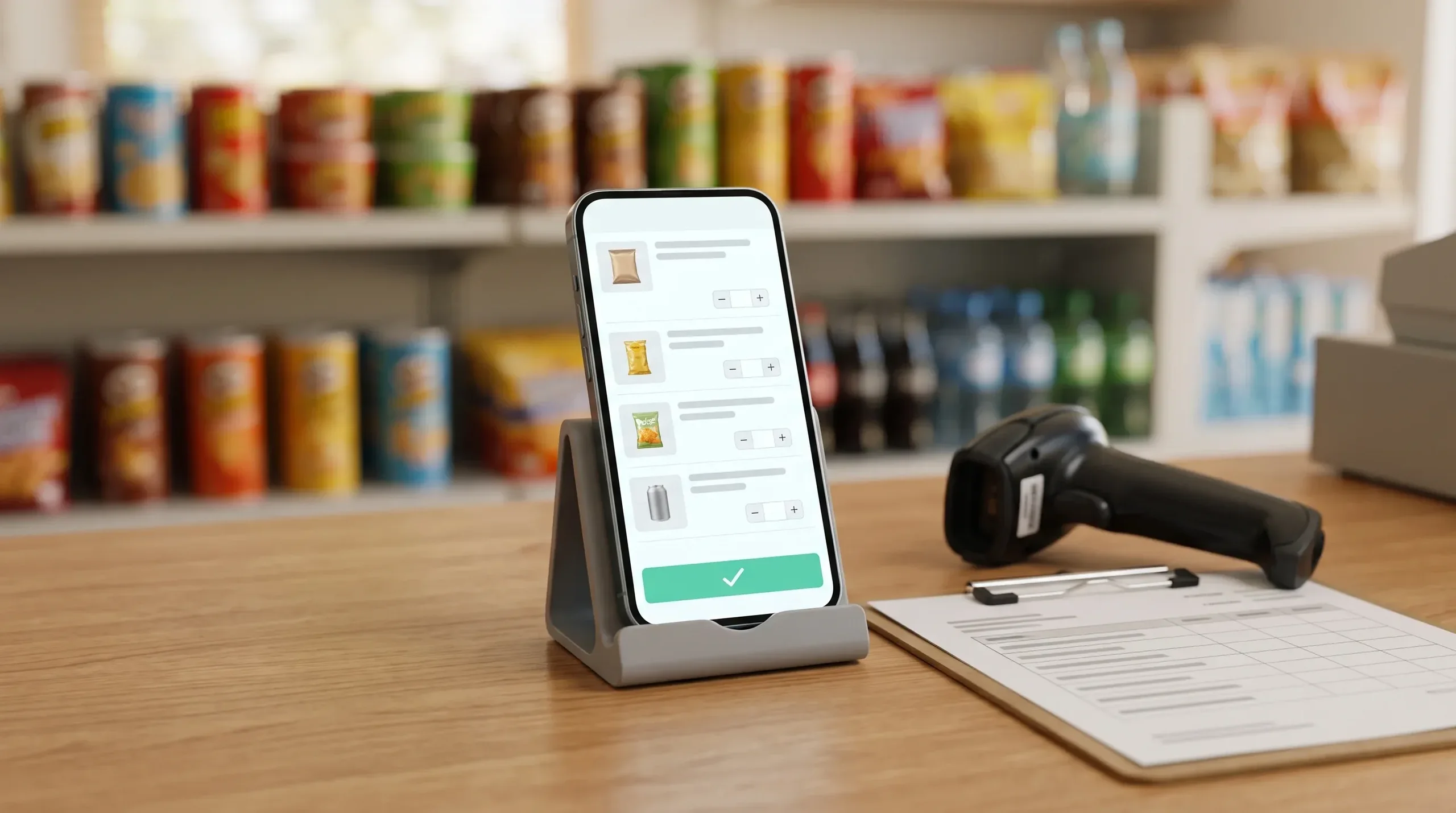
Petrey
A React Native ordering app and Laravel back end for a wholesale firm founded in 1898, built to stay fixable for years.
- YearsIn Production Since Delivery
- < 1 hourTo Fix a Server Crash
- 1 codebaseFor iOS and Android
- PositiveClient Relationship
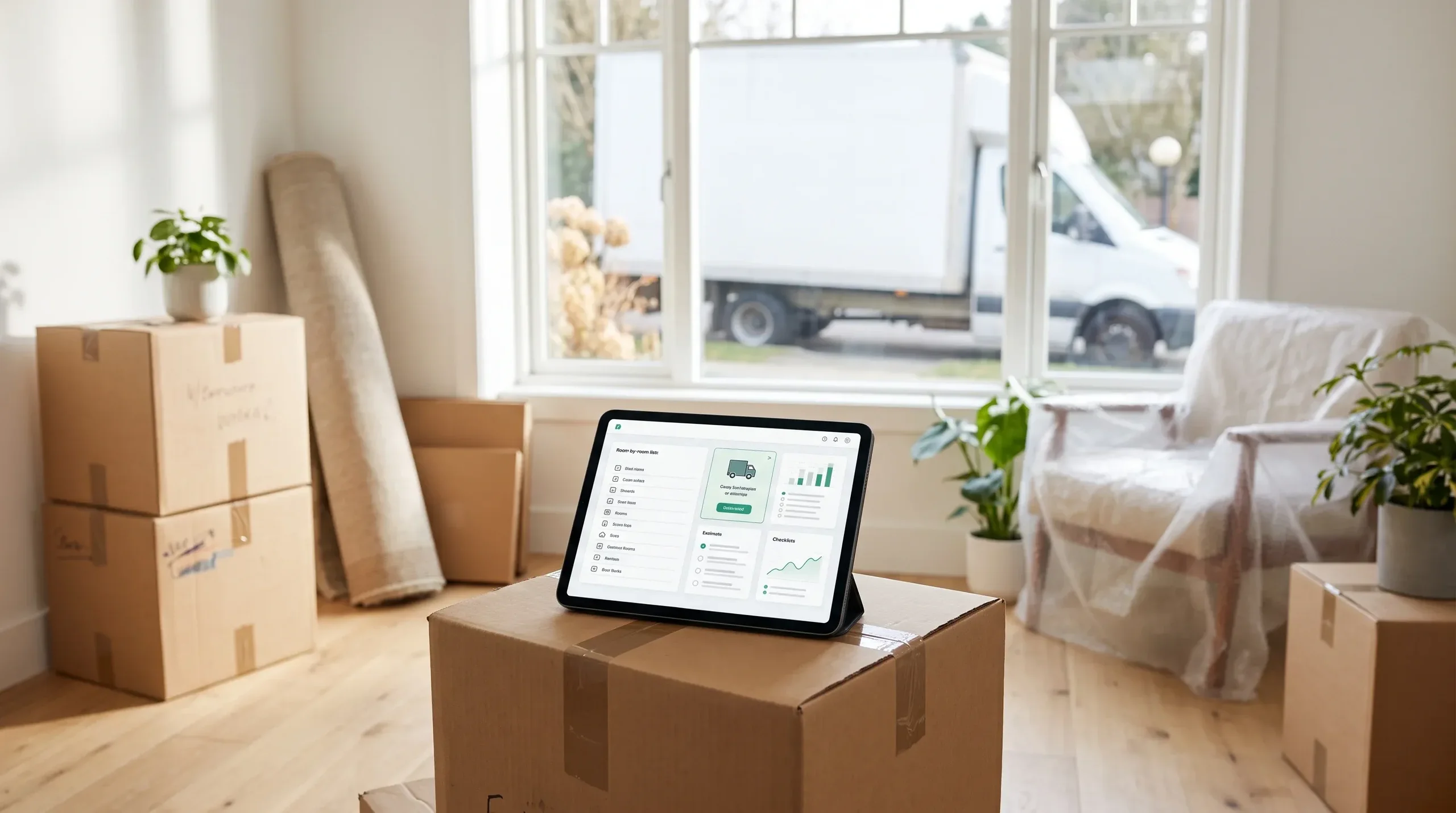
Budget Van Lines
Moving company software for a US interstate mover: each move is sized from the customer's answers, matched to a truck, assigned to a carrier and tracked.
- 2Backend Engineers Full Time
- In the platformVolume and Truck for Every Move
- Per orderCarrier Assignment
- Booking to deliveryOrder Tracking

Humanitarian Cargo Tracking Platform
Humanitarian cargo tracking for a UK carrier. Every load is on one map, and each handover lands in a ledger funders can check.
- QRCargo Acceptance on the Recipient's Phone
- LivePosition for Every Load
- 3 appsIn One Platform
- 1 ledgerFor Every Movement
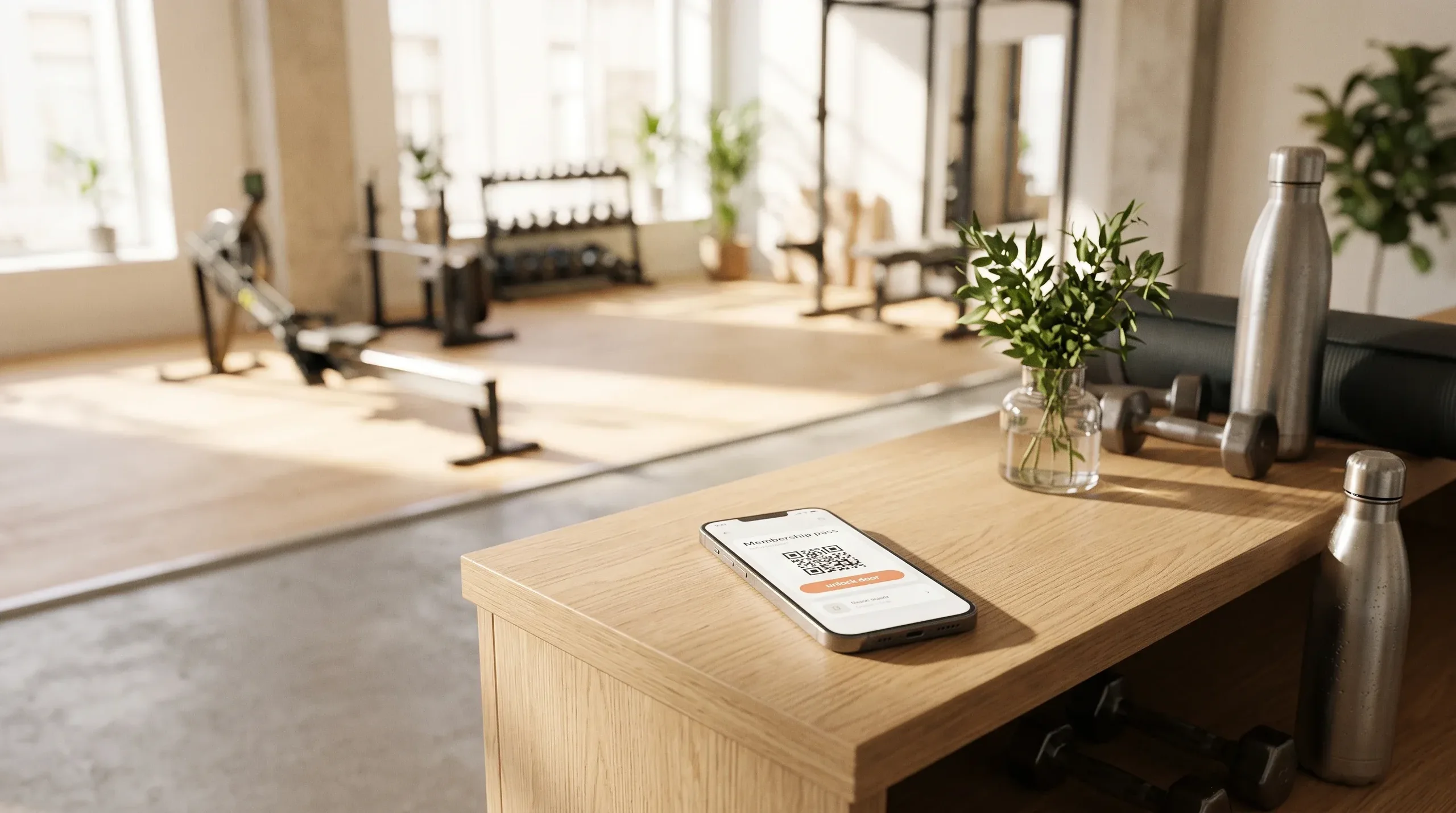
Gym and Studio Management Platform
Gym management software where the member's phone carries the membership, opens the door and pays. Owners and trainers get their own sides.
- 3 rolesOn One System
- 3 jobsFor the Member's Phone
- Any venueGyms, Studios, Schools and Pools
- MVPDelivered and Handed Over
Technologies Behind Our Grocery Delivery Mobile App Development
The stack behind every Hygge mobile app, chosen so the customer and courier apps share one codebase and every app reads the same orders and stock.
Customer and courier apps for iOS and Android from one codebase.
 React Native
 Flutter
 Expo
Why Choose Hygge as Your On-Demand Grocery Delivery App Development Company
Four commitments every grocery project follows, taken from how we build every mobile app.
One Codebase for iOS and Android
Customer and courier apps ship to both stores from one codebase, released and updated together.
A Build on Your Phone in 2 Weeks
You hold a working build on your own phone two weeks in, then get a new one every week.
A Fixed Price After Discovery
Discovery maps your model, roles and stores, and the first release gets a fixed price from there.
Your Code and Your Customer Data
Code and customer data sit in your repository and cloud accounts from the first milestone, so another team can take over at any point.
Grocery Delivery App Development: FAQ
 How much does it cost to develop a grocery delivery app?
How long does it take to build a grocery delivery app?
Which apps does a grocery delivery platform need?
Should I build a native or cross-platform grocery app?
Can the app sync with our store's POS and inventory?
Can you build a multi-vendor grocery marketplace?
Do I own the code and customer data?
In which regions does Hygge Software provide grocery delivery app development?
Start With How Your Customers Order Groceries Today
Tell us your model and your stores. You get a scope, a timeline and a fixed price for the first release.
Tell Us About Your Model and Stores
Your stores, catalog, delivery area and the systems your stock lives in.
Get a Discovery Session
We map the roles and the first release, and flag anything that would change scope, cost or timeline.
Receive Scope and a Fixed Price
A plan for the first release with the team, timeline and a fixed price.