
SaaS Product Development Services for B2B
Hygge Software is a SaaS software development company that builds multi-tenant B2B products with subscriptions, billing, roles and onboarding for startups and B2B companies in the US and Europe. An MVP takes about 3 months, and the team has launched 50+ MVPs to live users. The team settles the tenancy model, the billing rules, and the permission structure first, because those decisions cost the most to reverse once paying accounts are live. Every project moves through an audit, a build with a working demo every week, deployment into your own infrastructure, and monitoring once customers are signing up.
Our SaaS Application Development Services
What you can order from Hygge, from the first idea check to scaling a live product.
Product Discovery
Before any code, we test the idea, the monetization model and the tenancy architecture, so the build starts from decisions you can defend to investors and buyers.
MVP Development
A first version with signup, subscriptions and a first paid account, launched in about 3 months.
Web Application Development
The full product built around your business model, from the data layer to the admin console, through custom SaaS development that grows with your plans.
UI/UX & Product Design
Onboarding, account and admin interfaces, with clickable prototypes tested on real users before they reach the build.
Legacy Modernization
An existing product or its customers moved to a new platform without downtime. Hygge has moved 1,000,000 users onto a new platform in a single project.
AI Integration
Search, assistants, recommendations and document processing inside your product, from an AI SaaS development company that ships the model and the feature together.
Support & Maintenance
Monitoring, new features and scaling after launch, with the same team that built the product.
SaaS Platform Features We Build
The layers inside a subscription product. During SaaS platform development we decide which of them yours needs after reviewing your plans, your customers, and your existing systems.
Multi-Tenancy & Data Isolation
One codebase serves every customer while each account's data stays sealed off from the rest. A shared schema with row-level isolation, a schema per tenant, or a database per tenant, the choice follows your security reviews and your largest expected account.
Subscription Billing & Plan Logic
Plans, trials, proration, upgrades, downgrades, and failed payments, wired into Stripe or the processor you use, with pricing rules held in one place so a new tier takes an afternoon to launch.
Signup & Onboarding Flows
The path from a new email address to a customer doing real work: workspace creation, teammate invites, starter data, and the tracking that shows which step loses accounts.
Roles & Permission Models
Who inside a customer's team can see billing, invite users, export data, or change settings, structured so an enterprise buyer's admin manages their own people without opening a ticket.
Usage Metering & Limits
Counting the seats, API calls, storage, or events a plan allows, enforcing the ceiling when an account reaches it, and feeding the same numbers into billing and the customer's dashboard.
Admin & Support Tooling
The internal console your team uses to look up an account, extend a trial, refund an invoice, and reproduce what a customer sees, with every action logged.
What Gets Decided Before SaaS Development Starts
The concrete choices behind a saas application development build, settled with you during the audit, before Hygge commits to scope or price.
Settled During the Audit:
- Tenancy model, matched to your security reviews and your largest expected account
- Billing rules, seats, usage, tiers, trial length, and what happens when an account downgrades mid-cycle
- Permission structure, the roles your customers' admins manage and the ones your team controls
- Integration through the CRM, payment processor, and analytics stack you run, using the APIs those systems support
- Risks, next step, timeline and cost: where the build carries the most risk in your case, what to build first, how long it takes, and what it costs

What Pushes a Team to Rebuild a SaaS Platform
Billing logic nobody wants to touch, a permission model blocking the enterprise deal on the table, the constraints a SaaS product runs into once the first hundred accounts arrive.
Billing logic scattered through the code, one shared database, support growing with every customer. SaaS development settles tenant isolation and pricing before the first table, because both are rewrites once customers are live. The audit says which model your deals require.
Billing Logic Spread Across the Codebase
Pricing rules live in three services and a spreadsheet finance maintains by hand, so launching a plan takes a full sprint and every invoice cycle produces corrections someone makes by hand.
A Shared Database and a Growing Enterprise Deal
A single-tenant assumption baked into the schema holds up until a buyer's security review asks where their data sits and who inside your company can query it. Answering that after launch means a migration under deal pressure, with live accounts on the platform.
Signups That Go Quiet Before the First Real Session
New accounts arrive, open the product once, and disappear. With no events tracked between signup and first use, the fix turns into guesswork spread across the whole onboarding flow.
Support Work That Grows With the Customer Count
Every trial extension, seat change, and refund goes through an engineer with production database access. Routine account work eats engineering hours and leaves no record to review later.
Our SaaS Product Development Process
From your pricing model to a platform carrying paying accounts, with an MVP in about 3 months. Every saas development services project follows the same path, with a working demo you can see at the end of each step.
Audit
We review your plans, customers, security requirements, and the systems the product connects to. That review sets the tenancy and billing model the build works inside.
Architecture
We lock in data isolation, billing structure, and the permission model chosen during the audit, then map how the product exchanges data with your payment processor and CRM.
Build
Features ship in weekly increments against a running environment. Each increment is tested against real plans, charges and permissions before the demo, so every demo happens on a live product with real invoices behind it.
Deploy
The platform goes into your own cloud infrastructure, with billing running in test mode until a charge, refund, and plan change have each been verified end to end.
Support
Hygge stays on after launch to watch signups, failed payments, and error rates, and to handle changes as your plans grow. SaaS product development keeps moving after the launch date.
What Changes Once the Product Runs Itself
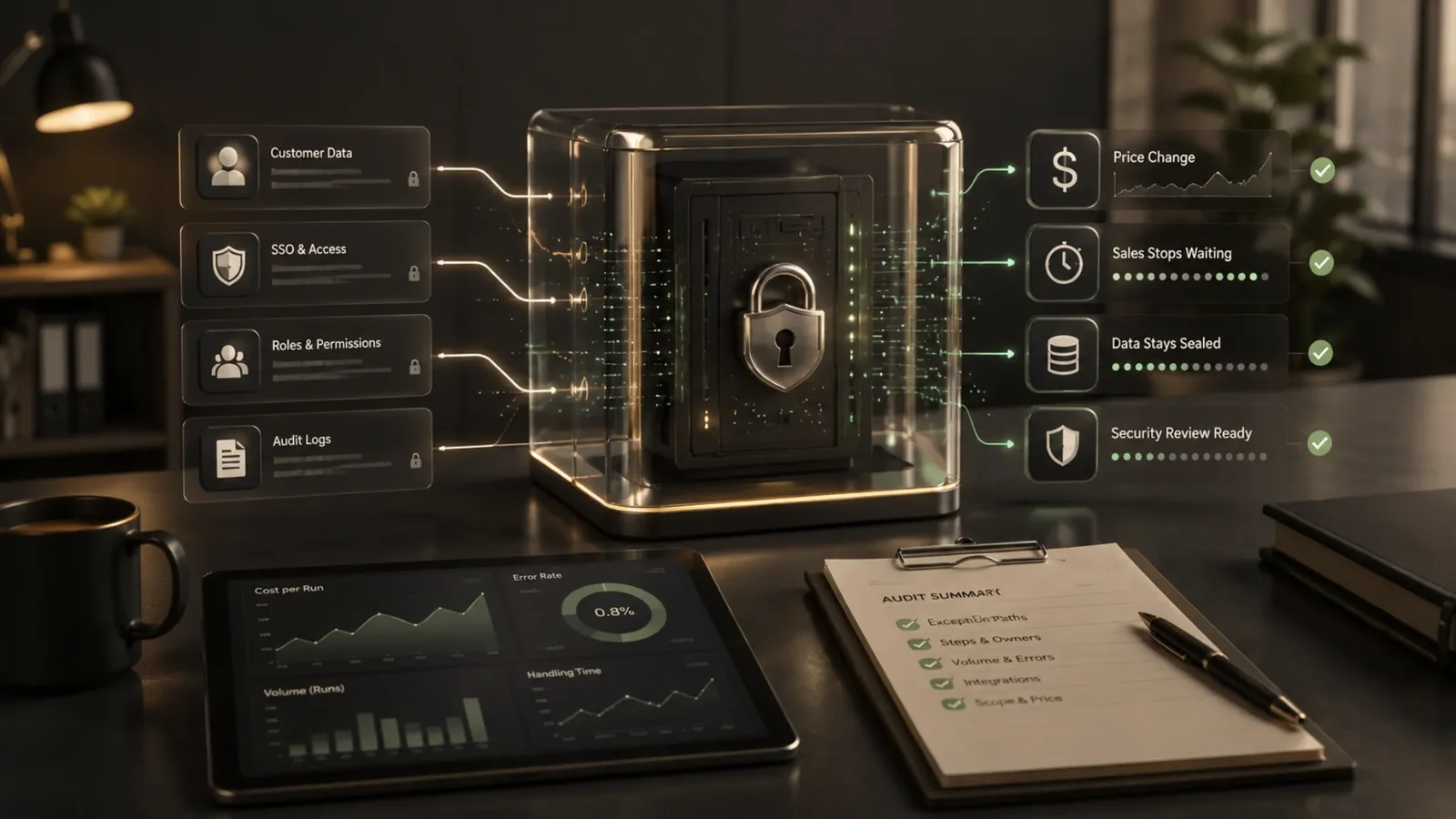
A price change becomes a setting, so sales stops waiting on an engineering ticket. Each customer’s data stays sealed from the rest, and the enterprise questions about SSO, roles and audit logs have answers before a deal reaches security review. A SaaS product development company is judged on the second year, when the first architecture meets real usage. Hygge works as a SaaS development agency on both paths: building the first version that has to reach paying customers quickly, and rebuilding the parts of an existing product that stopped scaling.
What a SaaS Product Development Company Gives Back
Every number here is agreed with you and measured against how things run today.
Industries We Build SaaS Products For
Sectors buying subscription software to replace the internal tools they maintain.
Fitness & Wellness
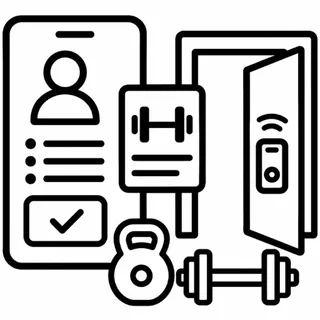
Membership, class booking and coaching plans sold per site, with tenancy that keeps one gym chain separate from the next.

Sales & Marketing Technology
Multi-seat revenue tooling billed per user, with plan limits and usage metering the finance team can audit.
HR & Recruitment
Recruitment platforms sold to employers, where each account brings its own hiring stages and permissions.
Real Estate & PropTech
Agency platforms billed per office, with data isolation that survives a franchise sale.

EdTech
Institution accounts with cohort limits, seat counts and reporting that renews on an academic calendar.

Healthcare & Staffing
Facility subscriptions covering scheduling and credentialing, with compliance records held per account.

Marketing & Creative
Studio subscriptions for asset and approval workflows, priced by seats and storage.

Retail & E-Commerce
Merchant subscriptions covering catalog and order tooling, metered against order volume.
Our SaaS Application Development Projects
Products our SaaS application development company has taken from the first tenant to a subscription base.

Gym and Studio Management Platform
Gym management software where the member's phone carries the membership, opens the door and pays. Owners and trainers get their own sides.
- 3 rolesOn One System
- 3 jobsFor the Member's Phone
- Any venueGyms, Studios, Schools and Pools
- MVPDelivered and Handed Over

Logistics Data Exchange Platform
A logistics data exchange platform that puts shipment data from emails, PDFs and calls in one record and moves dock slots for late trucks.
- On the roadWhen a Delay Is Caught
- 1 actionTo Confirm a New Dock Slot
- EUServers for Shipment and eFTI Data
- 1 recordFor Shipper, Warehouse and Carrier
Drilling Management Platform
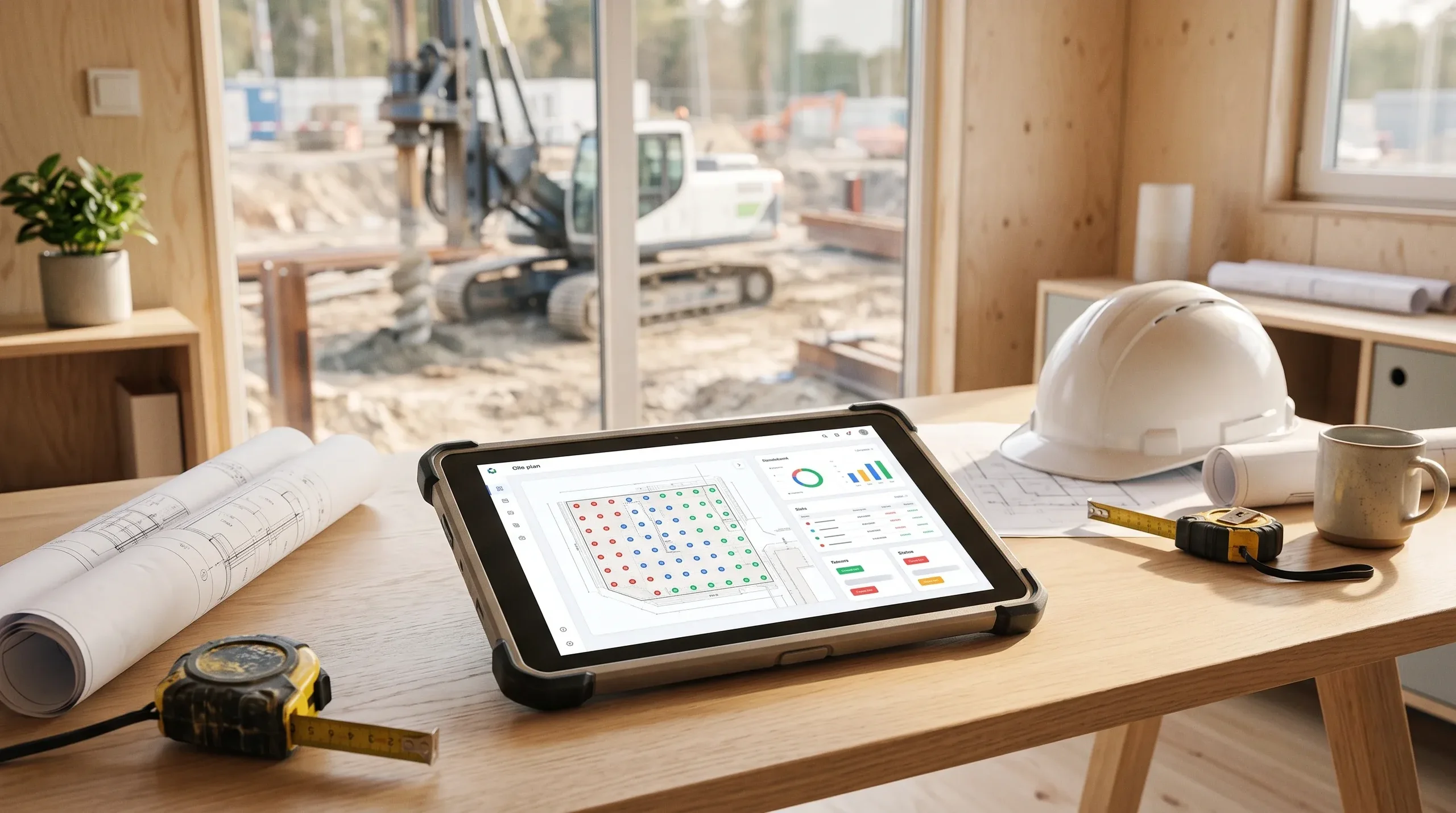
Drilling management software for a Swedish company: an office web platform and a synced field app that share one record per pile.
- 477Delivery Items Since November 2024
- ~5 peopleOne Team From PM to QA
- 1 recordPer Pile, Shared by Field and Office
- OngoingSupport and New Features
CreAItivity
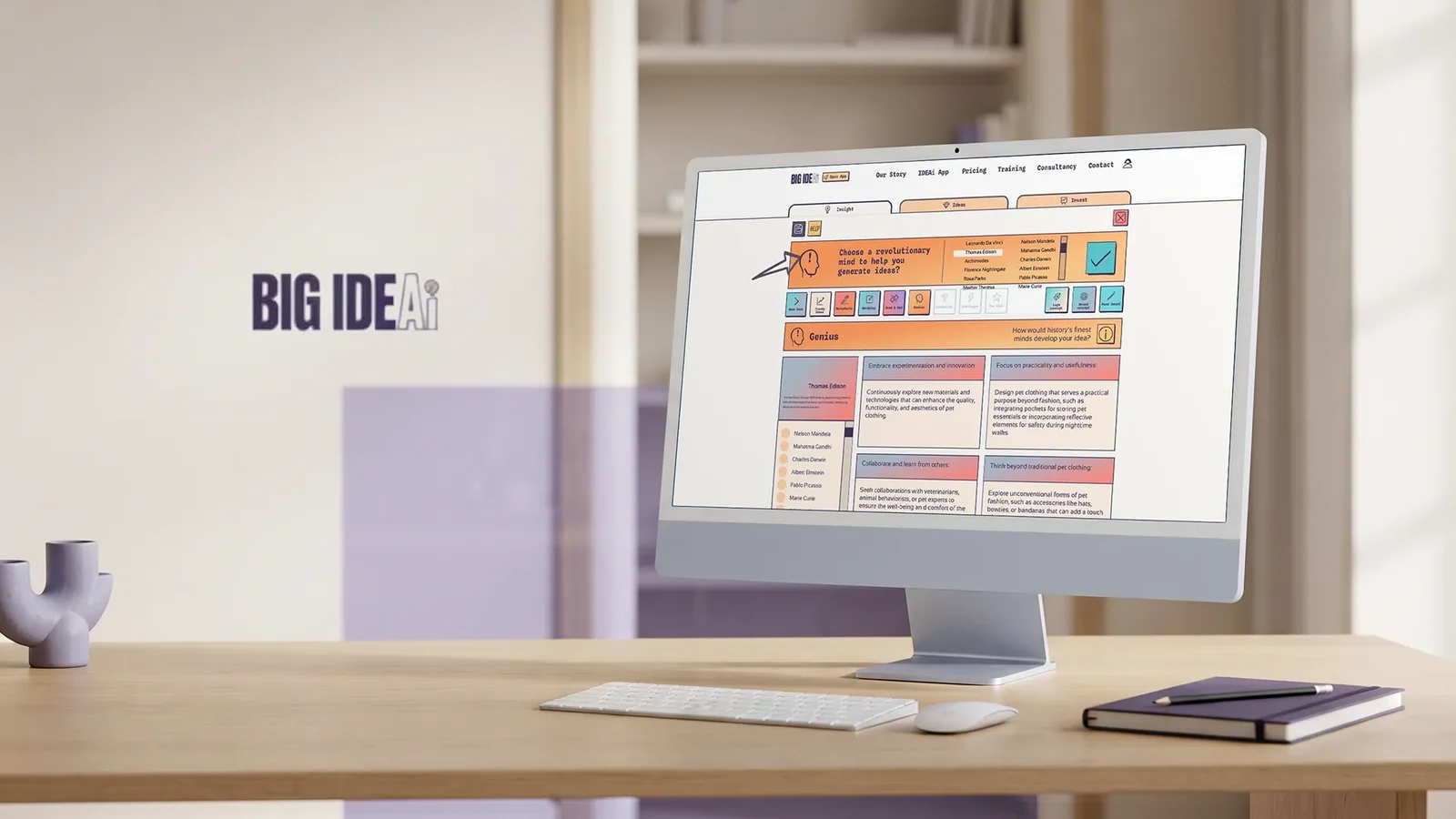
Creative agency software that runs a UK agency's ideation method without a facilitator, now in its third year.
- 36 widgetsCarry a method that needed a facilitator
- 20+ yearsOf agency practice turned into software
- 3rd yearOn the architecture chosen at the start
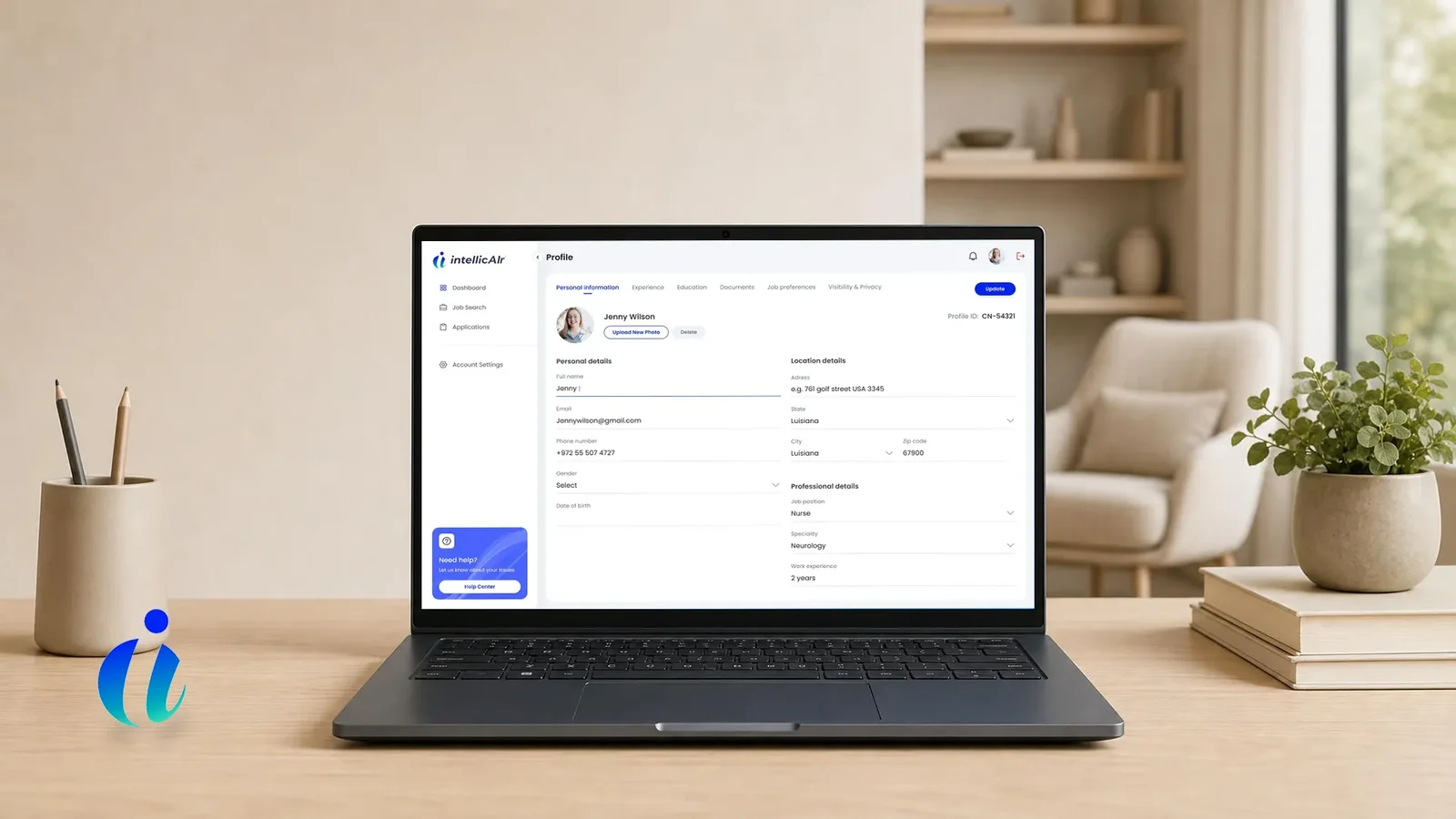
IntellicAIr
A nurse staffing marketplace built around a sealed bidding engine written from scratch. Bids stay hidden until the round closes.
- 1 roundFor a post that waits 78 days to fill
- No nameOn a bid that used to hide a 40 % cut
- 1 inviteBrings a facility's own agencies onboard
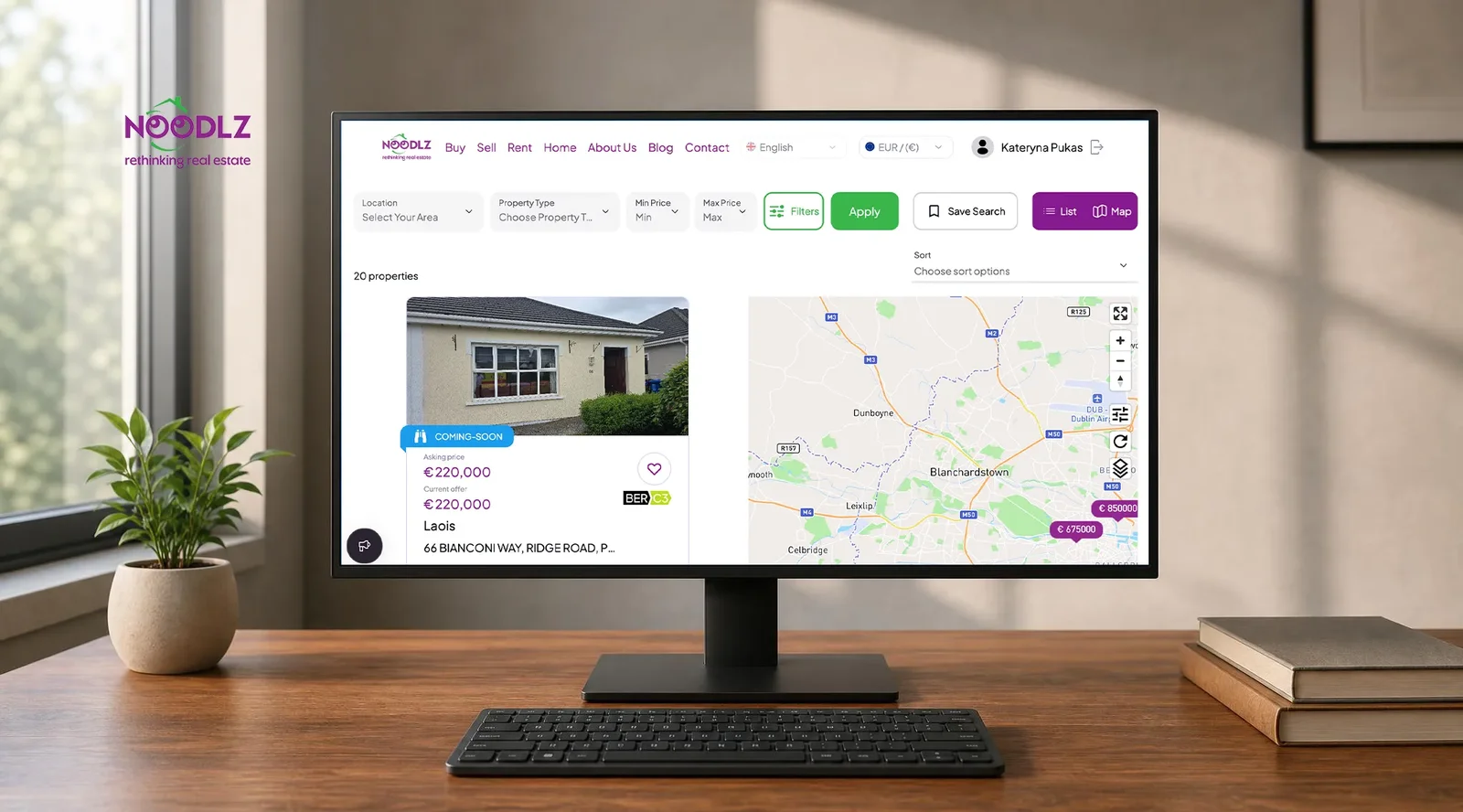
NOODLZ
Live auction software for an Irish agency network. Auctions moved off phone calls into one platform with verified bidders and a document vault.
- 1 platformReplaces auctions run outside any system
- 1 vaultReplaces contracts moving between inboxes
- 2+ yearsOf continuous delivery since 2024
Technologies Behind Our Custom SaaS Development
The languages, frameworks, and infrastructure behind every saas application development project Hygge ships, chosen to match your tenancy model and existing systems.
Tenancy, roles, and business logic live here. The isolation model chosen at this layer decides how safely one customer's data stays separate from another's for the life of the product.
 Node.js
 Python
 FastAPI
 Django
 PostgreSQL
 Redis
SaaS Development Services: FAQ
Common questions about scope, cost, and timeline before starting a project with Hygge Software.
 How do you build a SaaS application?
How do I choose a SaaS development agency?
How much does it cost to build a SaaS product?
How long before I can put my SaaS in front of paying customers?
Can I keep my existing billing setup while you build the new product?
Should I put all my customers in one database or give each one their own?
We already have customers. Can you migrate them onto a new platform?
Can you add AI features to a SaaS product?
Who owns the code when the project ends?
What happens after my SaaS launches?
Do you provide SaaS development services in the USA and Europe?
From Your Pricing Model to a Scoped Plan
Tell us who pays for the product and what a plan includes. Hygge scopes the saas development services around your tenancy, billing, and permission requirements.
Tell Us Who Your First Hundred Customers Are
Share who pays, what they log in to do, and the tenancy and billing rules the product has to hold.
Get a First Consultation
We review your customer model and billing rules for anything that would change scope, cost, or timeline.
Receive a Detailed Proposal
A scoped plan with the approach, timeline, and cost, built around your actual tenancy and pricing.